Confirmation Letter Sample For Audit In Michigan
Description
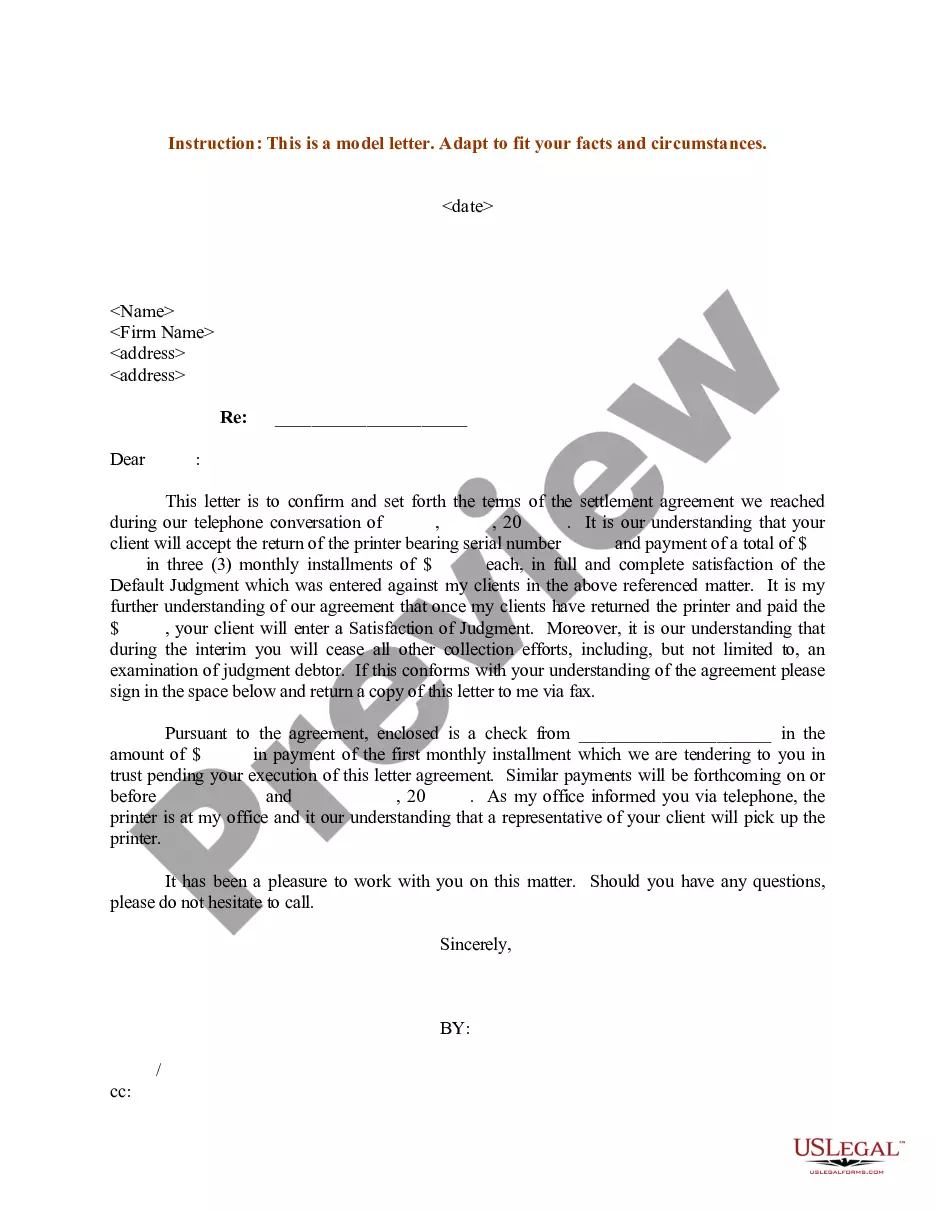

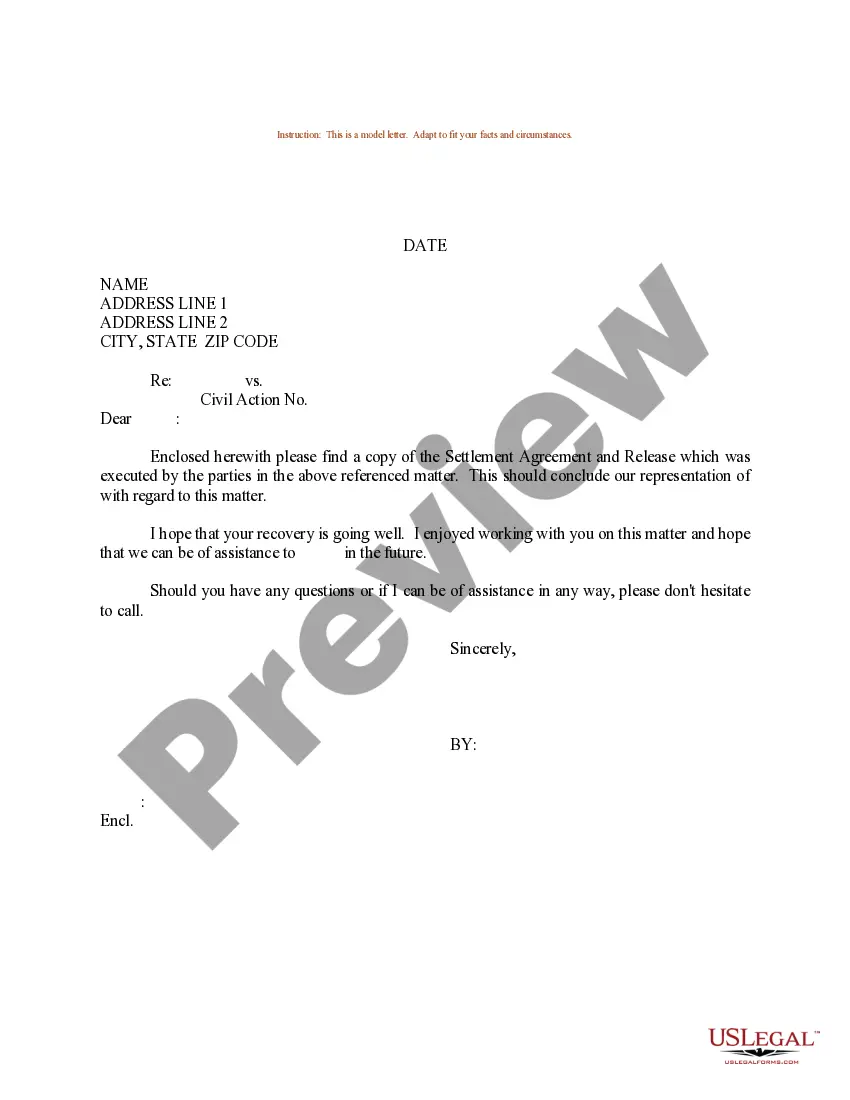
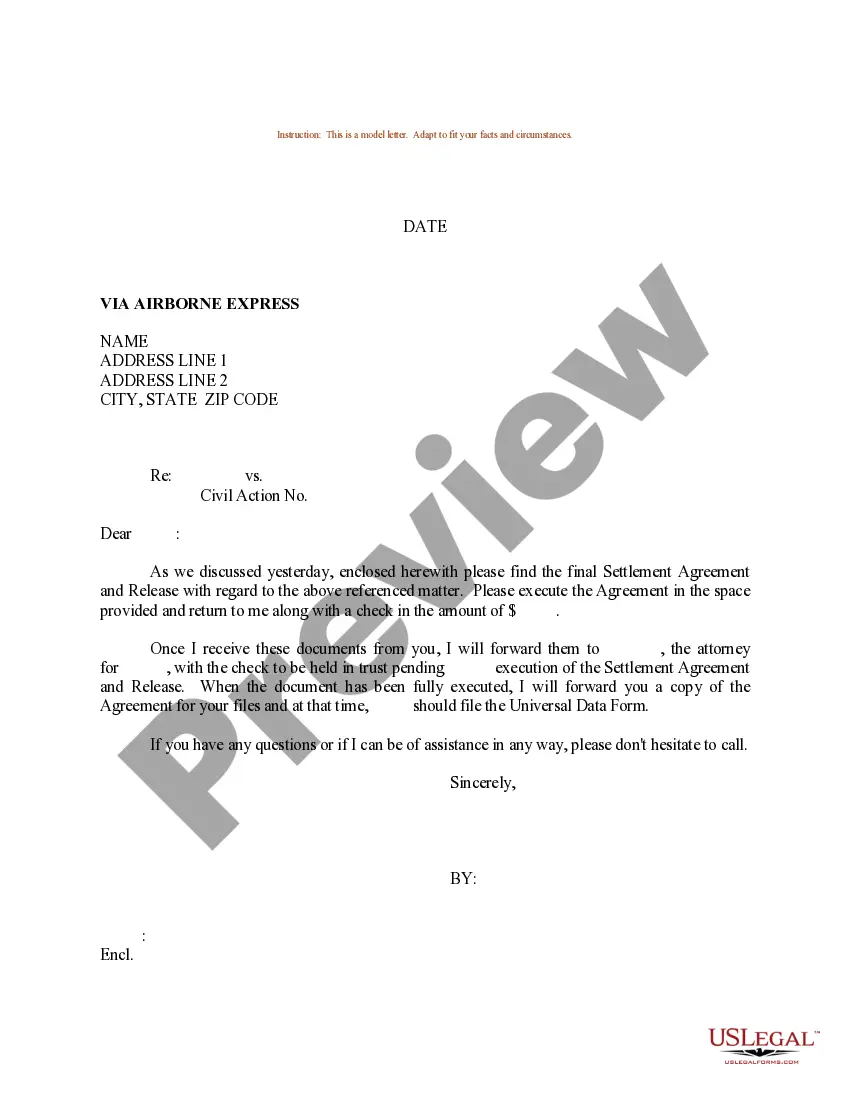
Get your form ready online
Our built-in tools help you complete, sign, share, and store your documents in one place.
Make edits, fill in missing information, and update formatting in US Legal Forms—just like you would in MS Word.
Download a copy, print it, send it by email, or mail it via USPS—whatever works best for your next step.
Sign and collect signatures with our SignNow integration. Send to multiple recipients, set reminders, and more. Go Premium to unlock E-Sign.
If this form requires notarization, complete it online through a secure video call—no need to meet a notary in person or wait for an appointment.
We protect your documents and personal data by following strict security and privacy standards.

Make edits, fill in missing information, and update formatting in US Legal Forms—just like you would in MS Word.

Download a copy, print it, send it by email, or mail it via USPS—whatever works best for your next step.

Sign and collect signatures with our SignNow integration. Send to multiple recipients, set reminders, and more. Go Premium to unlock E-Sign.

If this form requires notarization, complete it online through a secure video call—no need to meet a notary in person or wait for an appointment.

We protect your documents and personal data by following strict security and privacy standards.
Looking for another form?
Form popularity
FAQ
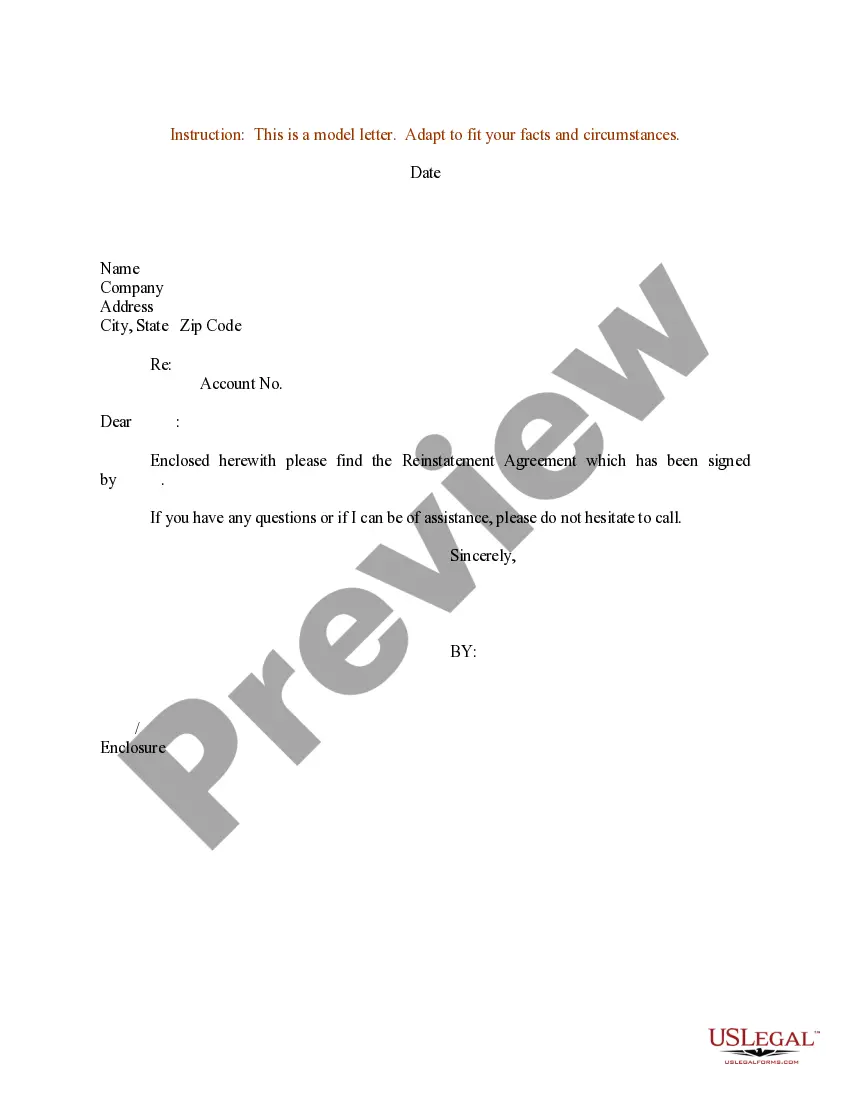
Dear customer's name, Thank you for placing an order with your company name. We are pleased to confirm the receipt of your order # order number, dated order date. Your order is now being processed and we will ensure its prompt dispatch.
A legal confirmation or legal representation letter is an inquiry sent by an auditor (with their client's approval) to a law firm engaged by the client for the purpose of determining the status of litigation, claims and assessments pertaining to the audited client.
Professional Reply Acknowledge the Email. Start your reply by acknowledging the audit confirmation request. Provide the Requested Information. Clarify Any Discrepancies (If Applicable) ... Offer Further Assistance. End with a Professional Closing.
During the course of an audit, you may hear your auditors refer to something called a “confirmation letter.” This is a letter that your auditor will send out to third parties, such as banks or suppliers, asking them to confirm certain financial information.
Dear Recipient's Name, Thank you for your email regarding Subject of Original Email. I've completed the Action mentioned in the original email. Please let me know if there's anything else I need to do as the next steps.
Urgent or Fast Track requests must be sent to the bank via Confirmation. Any requests which are posted, faxed or emailed to the bank will be subject to a 25 business day SLA. Provide the full name (as per bank statement), main account number and sort code for every related legal entity required.
How to write a confirmation email Specify the recipients. Add the email addresses of the recipient or recipients in the email address bar. Write a subject line. Craft a greeting. State the purpose of the email. List the details. Request additional information. Ask questions. Express gratitude.
Audit Confirmation: Company Name I have summarized your upcoming audit schedule and activities as follows: The audit will commence (Date and Time) at (Location) with a pre-audit meeting. The expected schedule of site visits, document reviews, interviews and observation tours is summarized below.
Should your account be selected for audit, we will notify you by mail. We won't initiate an audit by telephone. Assistance is available to help you understand the letter/notice received: Understanding your IRS notice or letter.
An IRS audit letter typically contains the taxpayer's name, tax ID number, contact information, and a request for additional documentation to support claims on the tax return. It may also include the name of the IRS officer handling the case and invite the taxpayer to a meeting.