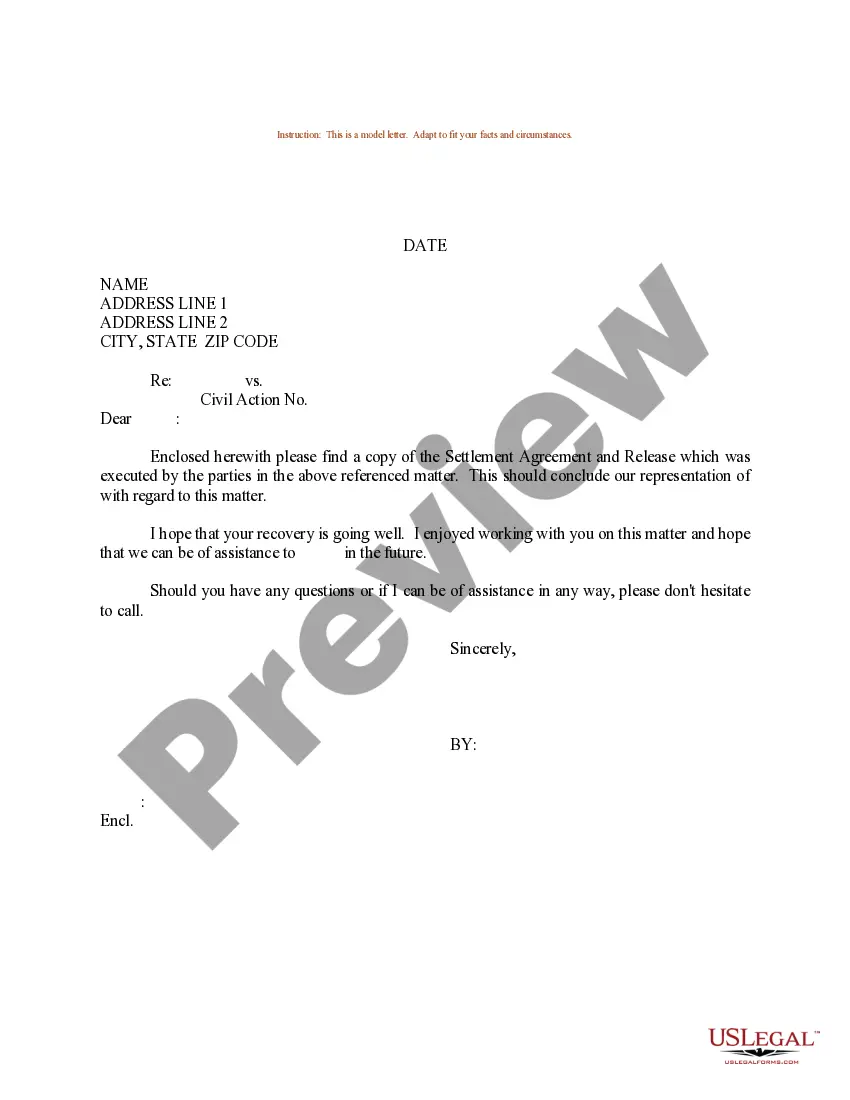
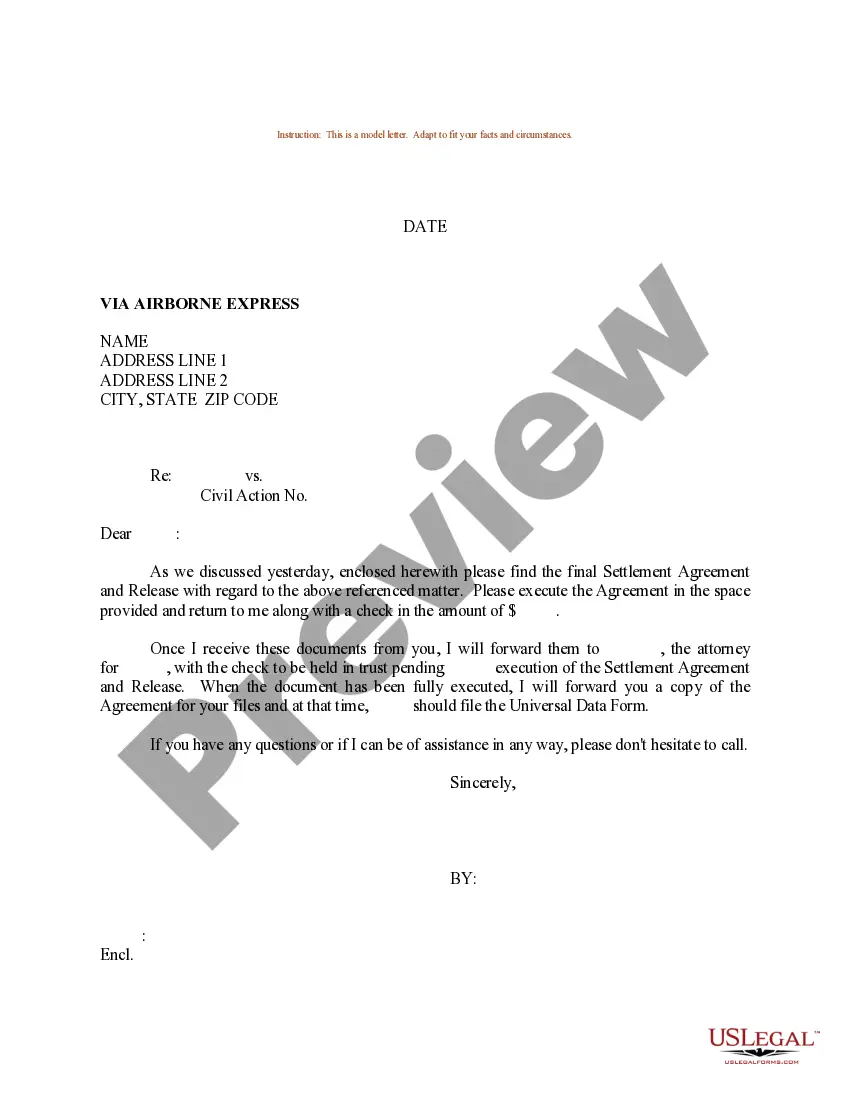
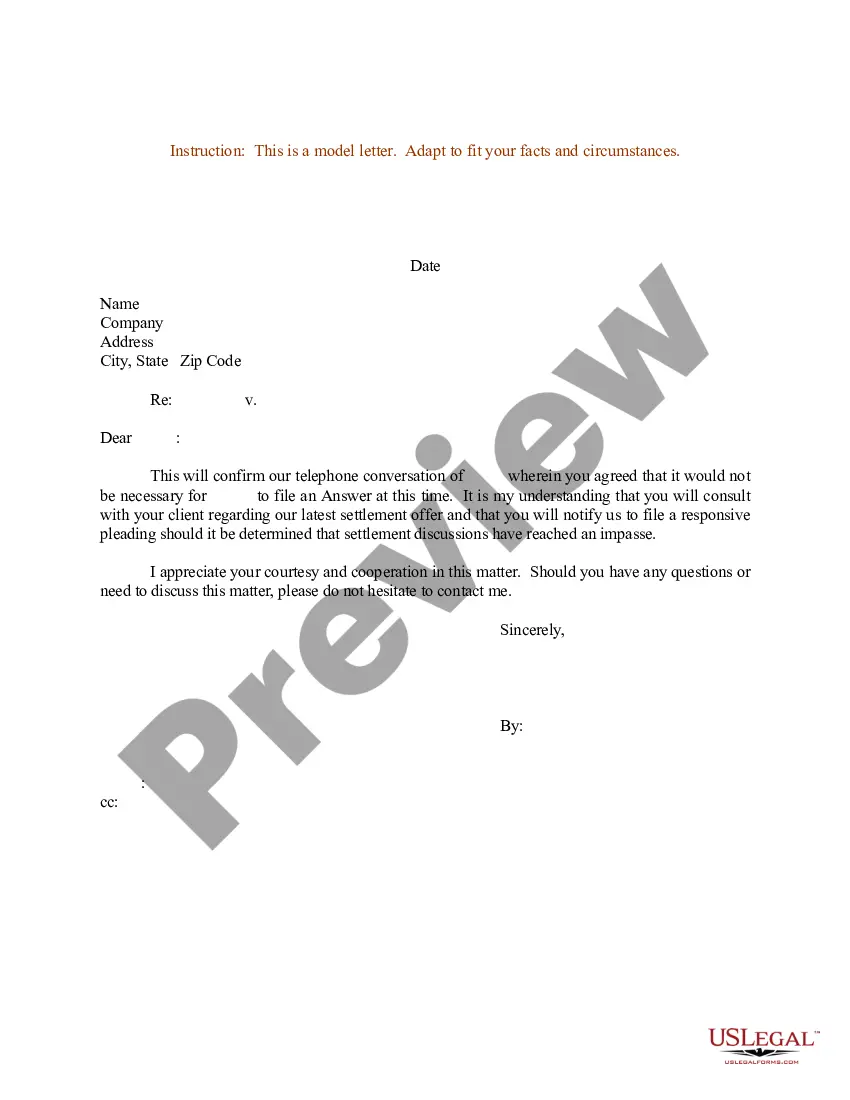
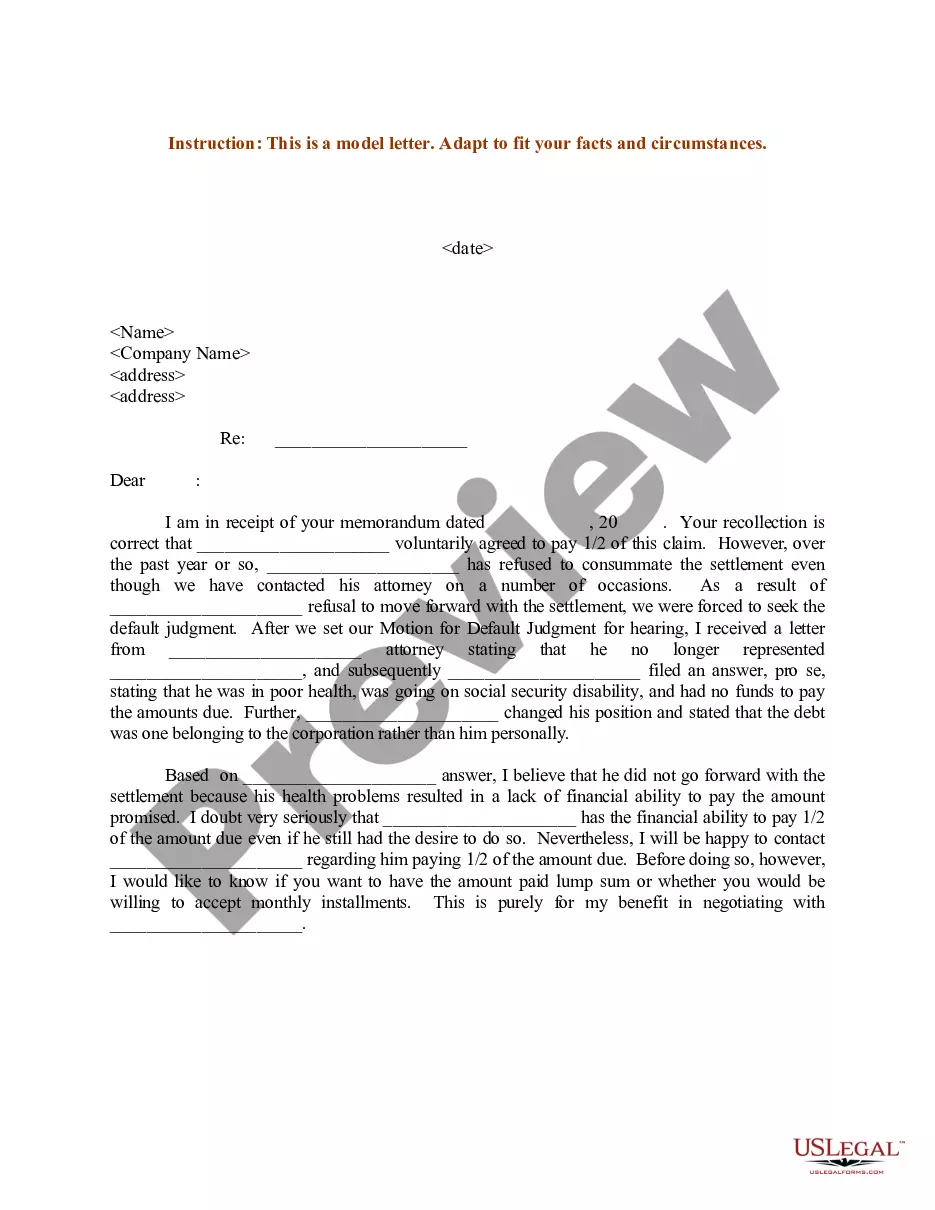
Settlement Agreement Cover Letter With Example In Maricopa
Description


Get your form ready online
Our built-in tools help you complete, sign, share, and store your documents in one place.
Make edits, fill in missing information, and update formatting in US Legal Forms—just like you would in MS Word.
Download a copy, print it, send it by email, or mail it via USPS—whatever works best for your next step.
Sign and collect signatures with our SignNow integration. Send to multiple recipients, set reminders, and more. Go Premium to unlock E-Sign.
If this form requires notarization, complete it online through a secure video call—no need to meet a notary in person or wait for an appointment.
We protect your documents and personal data by following strict security and privacy standards.

Make edits, fill in missing information, and update formatting in US Legal Forms—just like you would in MS Word.

Download a copy, print it, send it by email, or mail it via USPS—whatever works best for your next step.

Sign and collect signatures with our SignNow integration. Send to multiple recipients, set reminders, and more. Go Premium to unlock E-Sign.

If this form requires notarization, complete it online through a secure video call—no need to meet a notary in person or wait for an appointment.

We protect your documents and personal data by following strict security and privacy standards.
Looking for another form?







Form popularity
FAQ
Before an Arbitrator is Appointed When filing a complaint, the plaintiff also must file a Certificate of Compulsory Arbitration which states the monetary amount of the controversy. If the case is designated an arbitration case, an arbitrator is appointed once an answer to the complaint is filed.
One potential con is that engaging in settlement negotiations may portray to the other side that you are not confident in your case. However, this is most often not a concern and the potential risk can be mitigated by a skilled attorney.
A settlement or pre-trial conference is a meeting between opposing sides of a lawsuit at which the parties attempt to reach a mutually agreeable resolution of their dispute without having to proceed to a trial.
A settlement conference is a pre-trial meeting between parties with their attorneys (if parties are represented) and a judicial officer/judge pro tempore acting as a neutral facilitator, who evaluates the strengths and weaknesses of their case and assists them in reaching agreement.
Ing to ARCP Rule 16.1 and Maricopa County Local Rule 3.11, the Court has discretion to direct parties in any civil case to a settlement conference to facilitate settlement.
To accomplish this the judge or neutral responsible for conducting the conference will talk to the parties about their respective positions, discuss disputed facts and legal issues, and (of course) talk about what each side is prepared to do in order to settle the matter.
Settlement Conferences as a Method of Alternative Dispute Resolution in Arizona. A settlement conference is like a mediation, but with the use of a third-party appointed by the Court. This third party is typically a judge, but could be, in some jurisdictions, another legal professional.
A settlement or pre-trial conference is a meeting between opposing sides of a lawsuit at which the parties attempt to reach a mutually agreeable resolution of their dispute without having to proceed to a trial.
Compulsory arbitration is arbitration of labor disputes which laws of some communities force the two sides, labor and management, to undergo. These laws mostly apply when the possibility of a strike seriously affects the public interest.