Settlement Agreement Example In King
Description


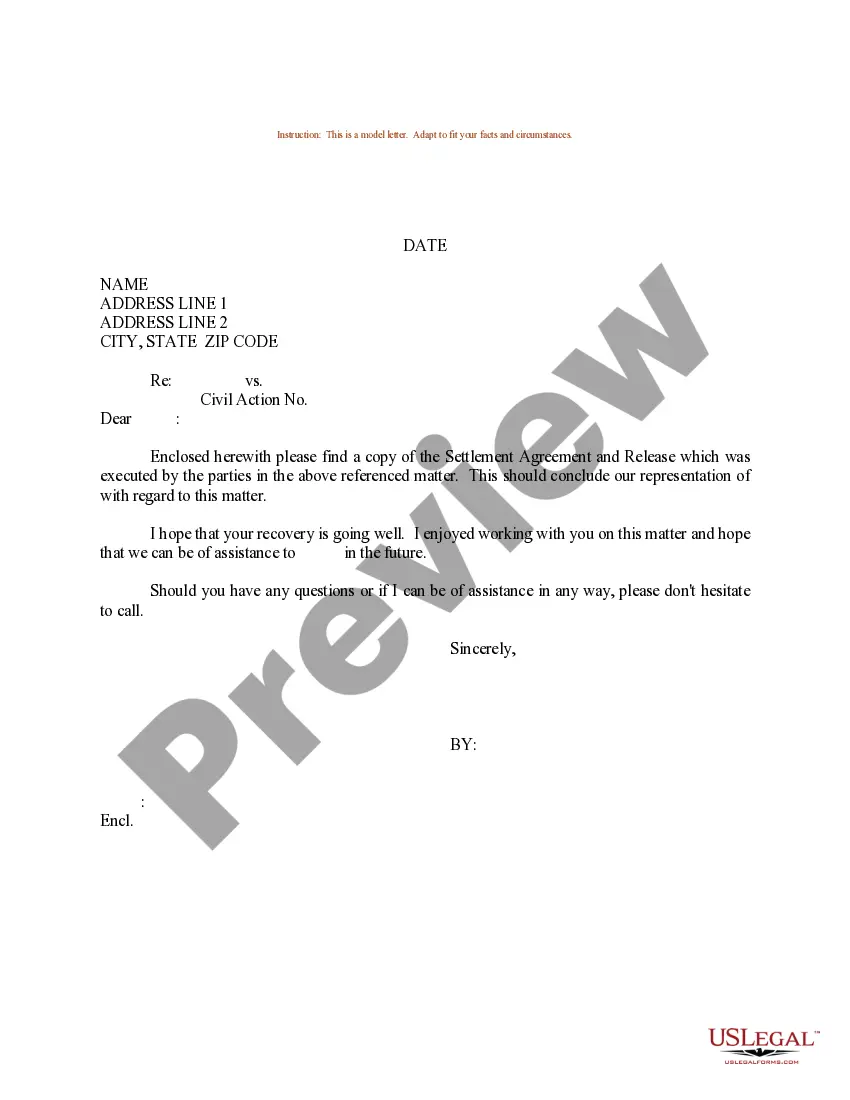
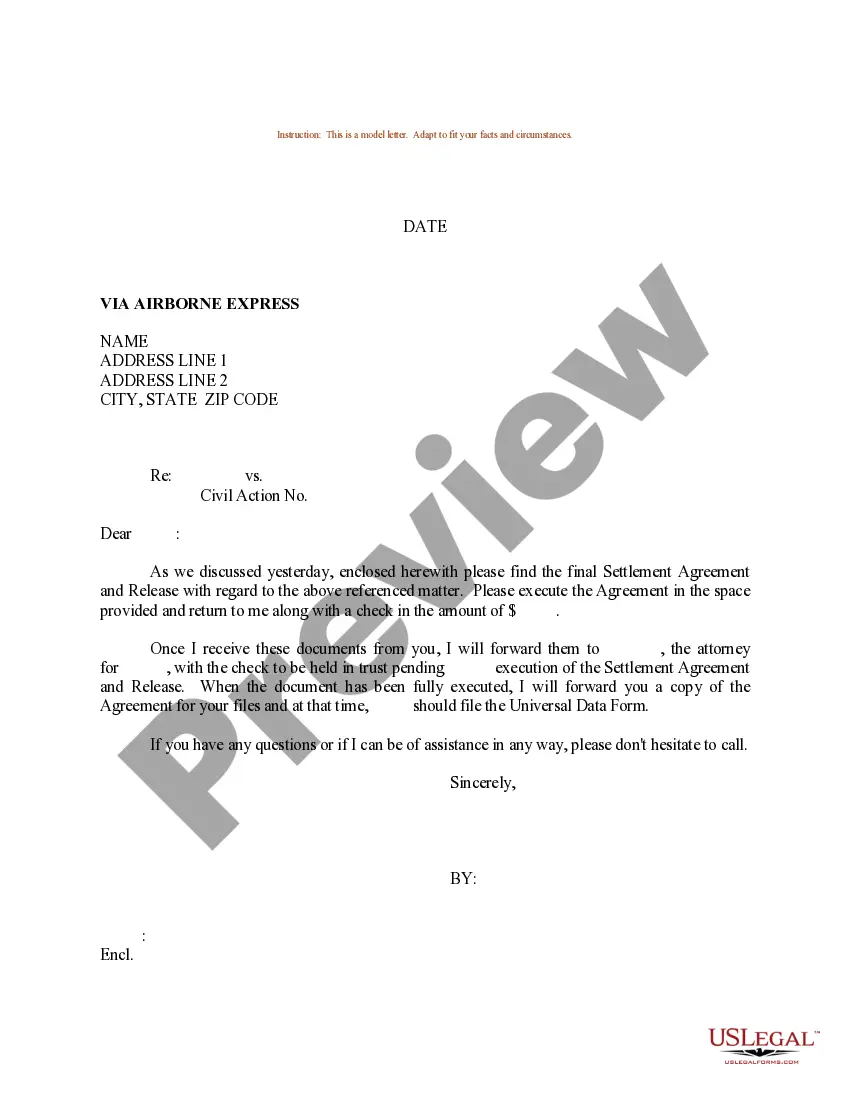
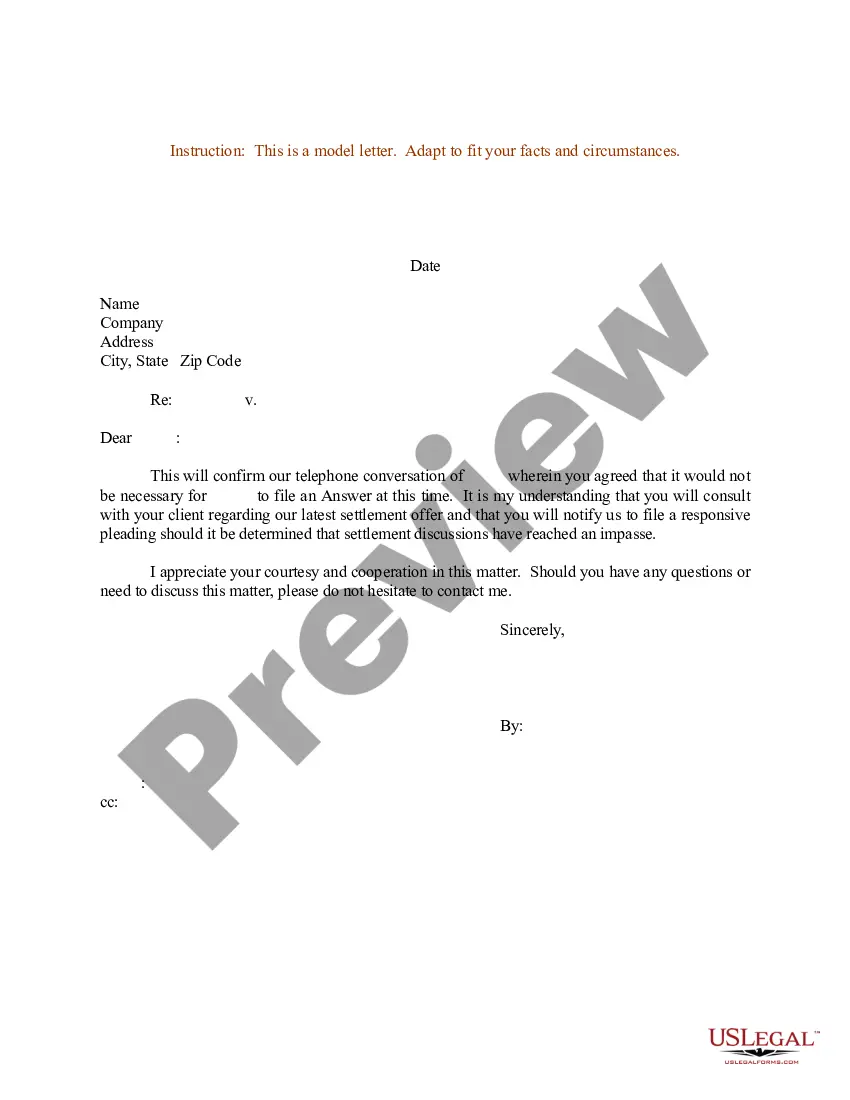
Get your form ready online
Our built-in tools help you complete, sign, share, and store your documents in one place.
Make edits, fill in missing information, and update formatting in US Legal Forms—just like you would in MS Word.
Download a copy, print it, send it by email, or mail it via USPS—whatever works best for your next step.
Sign and collect signatures with our SignNow integration. Send to multiple recipients, set reminders, and more. Go Premium to unlock E-Sign.
If this form requires notarization, complete it online through a secure video call—no need to meet a notary in person or wait for an appointment.
We protect your documents and personal data by following strict security and privacy standards.

Make edits, fill in missing information, and update formatting in US Legal Forms—just like you would in MS Word.

Download a copy, print it, send it by email, or mail it via USPS—whatever works best for your next step.

Sign and collect signatures with our SignNow integration. Send to multiple recipients, set reminders, and more. Go Premium to unlock E-Sign.

If this form requires notarization, complete it online through a secure video call—no need to meet a notary in person or wait for an appointment.

We protect your documents and personal data by following strict security and privacy standards.
Looking for another form?



Form popularity
FAQ
Extended Claims Process: Declining an offer can lengthen the resolution process, which may be challenging if immediate financial needs are pressing. Possible Legal Action: If negotiations don't yield a satisfactory offer, a lawsuit may become necessary, requiring additional time and resources.
However, refusing a settlement offer does extend the life of your claim and delays when you receive compensation. If you have pressing medical bills or other expenses, this is a factor to consider. You'll also need to invest more time and energy into your case, including providing more documentation of your damages.
If you do not accept a settlement - at all - you go to court and have the case tried. Then a judgment is made and that is what you will have to settle for unless you appeal that result as well.
How to Draft a Family Settlement Agreement Define the objective of the settlement agreement. Determine the people involved in the agreement. Collect relevant details. Negotiate the provisions of the family settlement agreement. Prepare the family settlement agreement. Check and revise the agreement.
A significant misconception needs addressing: you can't overturn a settlement agreement simply because you've changed your mind or found a better deal. The grounds for challenging these agreements are specific and limited: Fraud or misrepresentation.
What Should Be Included in a Settlement Agreement? Identifying information for all involved parties. A description of the issue you're seeking to settle. An offer of resolutions that both parties agree to. Proof of valid consideration from both parties without coercion or duress. Legal purpose.
Under New York law, and in other US jurisdictions, settlement agreements are treated like any other contract. ingly to establish the existence of a settlement agreement, “a plaintiff must establish an offer, acceptance of the offer, consideration, mutual assent and an intent to be bound” (Kowalchuk v.
Settlement agreements are contracts. Although the law presumes that settlement agreements are valid, they generally are subject to contract defenses, including mistake, unconscionability, duress, undue influence, and fraud.
To meet the requirements of summary enforcement, an out-of-court written settlement agreement must be signed by the parties themselves and not just their attorneys. In addition, all of the parties to the settlement agreement must sign the agreement and not just the party against whom enforcement is sought.