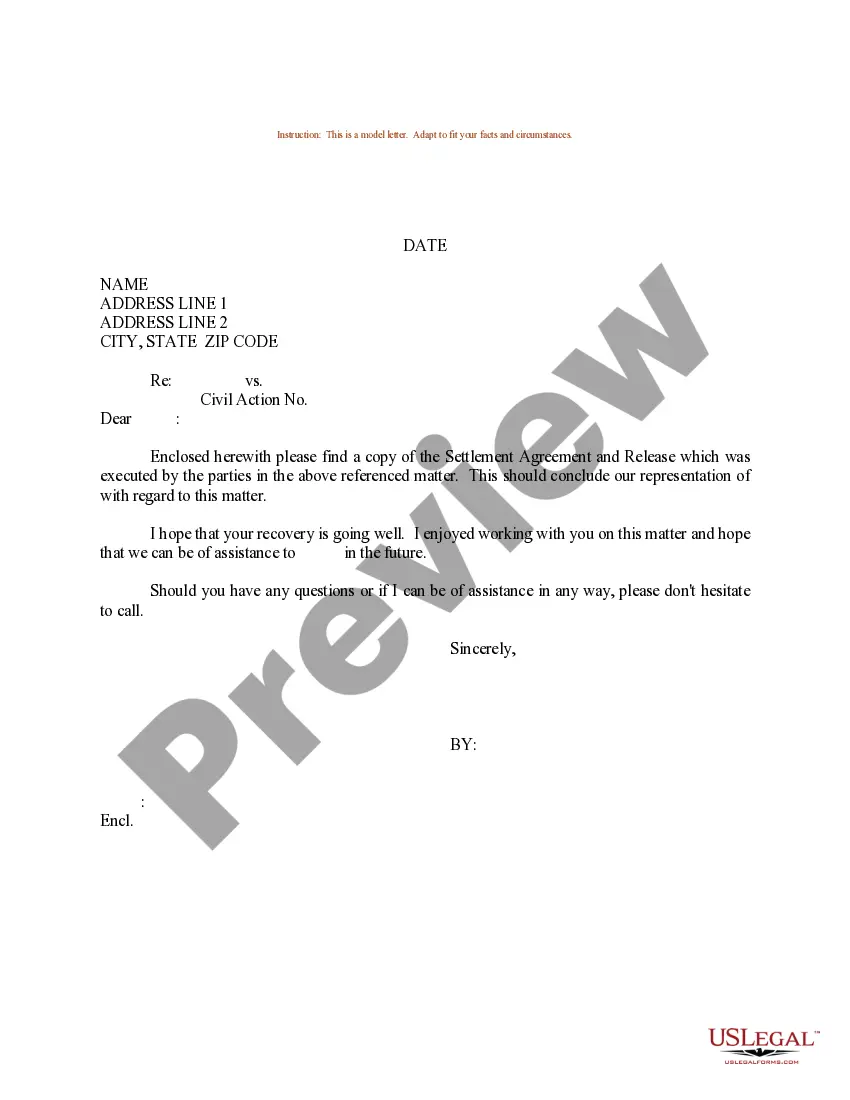
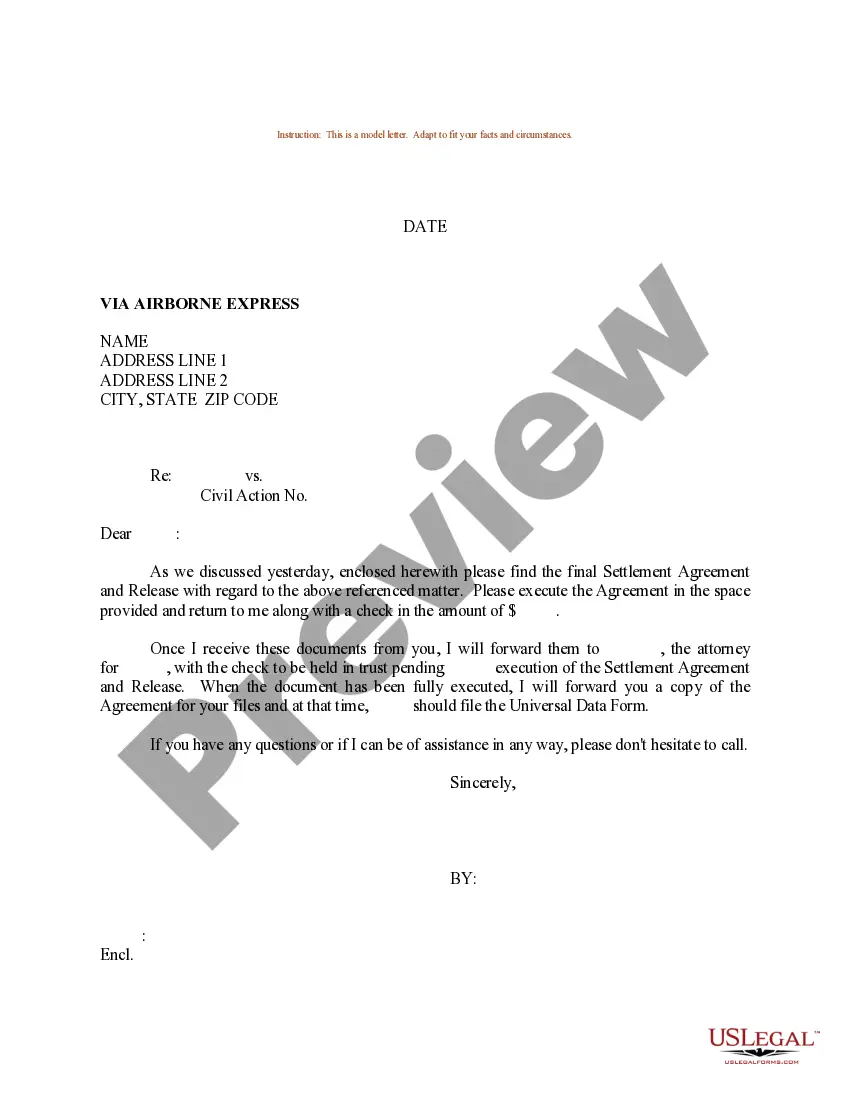
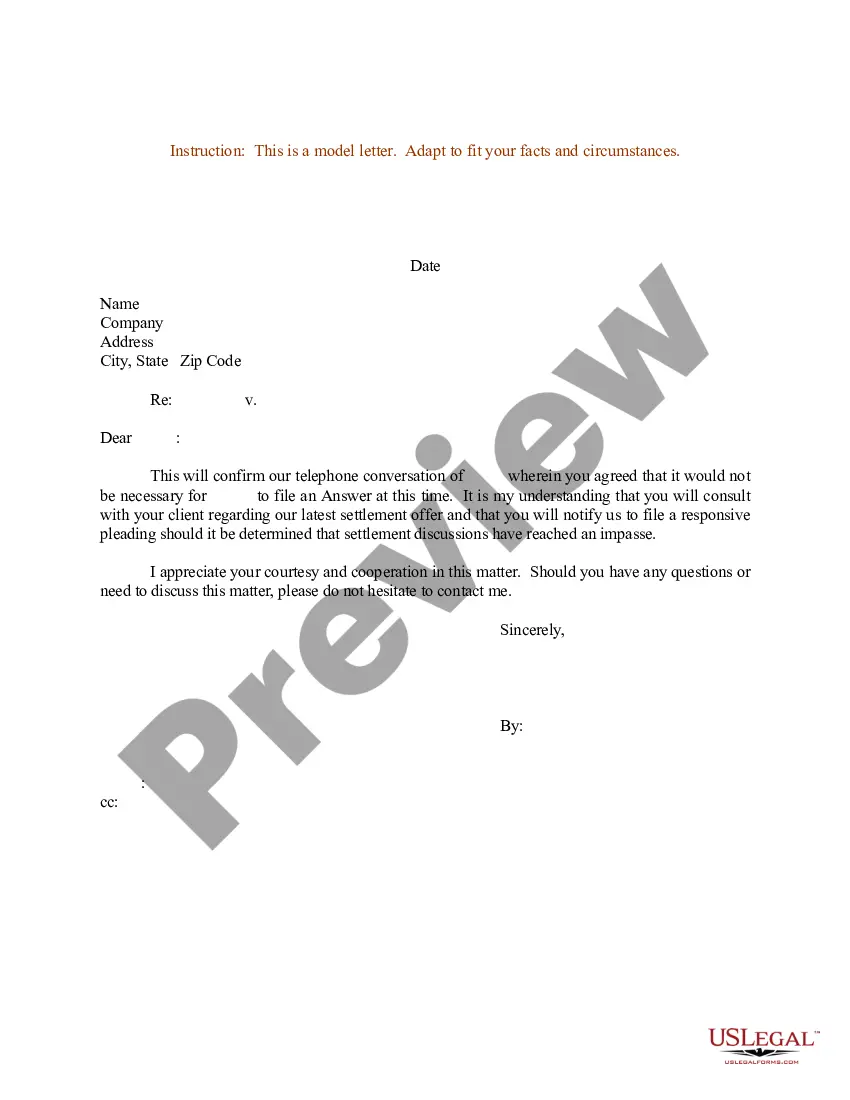
Settlement Confirmation Letter With Salary Requirements In Cook
Description


Get your form ready online
Our built-in tools help you complete, sign, share, and store your documents in one place.
Make edits, fill in missing information, and update formatting in US Legal Forms—just like you would in MS Word.
Download a copy, print it, send it by email, or mail it via USPS—whatever works best for your next step.
Sign and collect signatures with our SignNow integration. Send to multiple recipients, set reminders, and more. Go Premium to unlock E-Sign.
If this form requires notarization, complete it online through a secure video call—no need to meet a notary in person or wait for an appointment.
We protect your documents and personal data by following strict security and privacy standards.

Make edits, fill in missing information, and update formatting in US Legal Forms—just like you would in MS Word.

Download a copy, print it, send it by email, or mail it via USPS—whatever works best for your next step.

Sign and collect signatures with our SignNow integration. Send to multiple recipients, set reminders, and more. Go Premium to unlock E-Sign.

If this form requires notarization, complete it online through a secure video call—no need to meet a notary in person or wait for an appointment.

We protect your documents and personal data by following strict security and privacy standards.
Looking for another form?








Form popularity
FAQ
When adding your salary to your cover letter, it's best to provide a range instead of a fixed number. Adding a desired salary range does not give your employer a specific figure. It does, however, provide them with a baseline expectation and some wiggle room for negotiation.
A confirmation letter includes the salary, joining date, confirmation date, designation and job description of an employee. Later, if the employee moves to another company this letter acts as proof of the position n salary he held in his previous job.
“Employment verification letters—or proof of employment letters—generally include an employee's hire date, position within the company, and current wages or salary; if terminated, the reason for termination such as involuntary termination, voluntary termination, or layoff,” says Lynn Kitson, SPHR, SHRM-SCP, CEO of Lynk ...
When adding your salary to your cover letter, it's best to provide a range instead of a fixed number. Adding a desired salary range does not give your employer a specific figure. It does, however, provide them with a baseline expectation and some wiggle room for negotiation.
Keep it simple and say, ``I'm open to discussing a salary that's fair for the role and reflects my skills and experience as a recent grad.'' It shows you're flexible but also value your worth.
When you write your salary requirements, you should include a range and not a specific sum. For instance, if you would like to make $35,000, then you should state that your salary requirements are between $30,000 and $40,000, rather than $35,000. This way, there is an opportunity to negotiate.
Here are two responses: “Do you mind sharing your budget for the role with me? I can let you know if it's in my ballpark.” “I'm happy to share my salary expectations as we get further along in the process, but I'd love to learn more about what the salary range looks like for this position.”
How to list salary requirements Use a salary range. When you list your salary requirements, consider writing a sentence that states your preferred salary range instead of an absolute figure. Say that you're flexible. Say that your salary requirements are negotiable.
You can add salary requirements to your cover letter using "My salary expectation is flexible depending upon the overall compensation package and additional benefits such as opportunities for advancement.," or "Per your request, given my qualifications and achievements, my salary requirement is $60,000 (negotiable)."
My name is full name and I am professional position and how it relates to the employee or former employee. I'm writing to confirm that employee name has worked for company name for length of time worked as an employee job title. Employee name earns hourly, monthly or yearly salary or wages.