Employment Standards For Severance In Virginia
Description

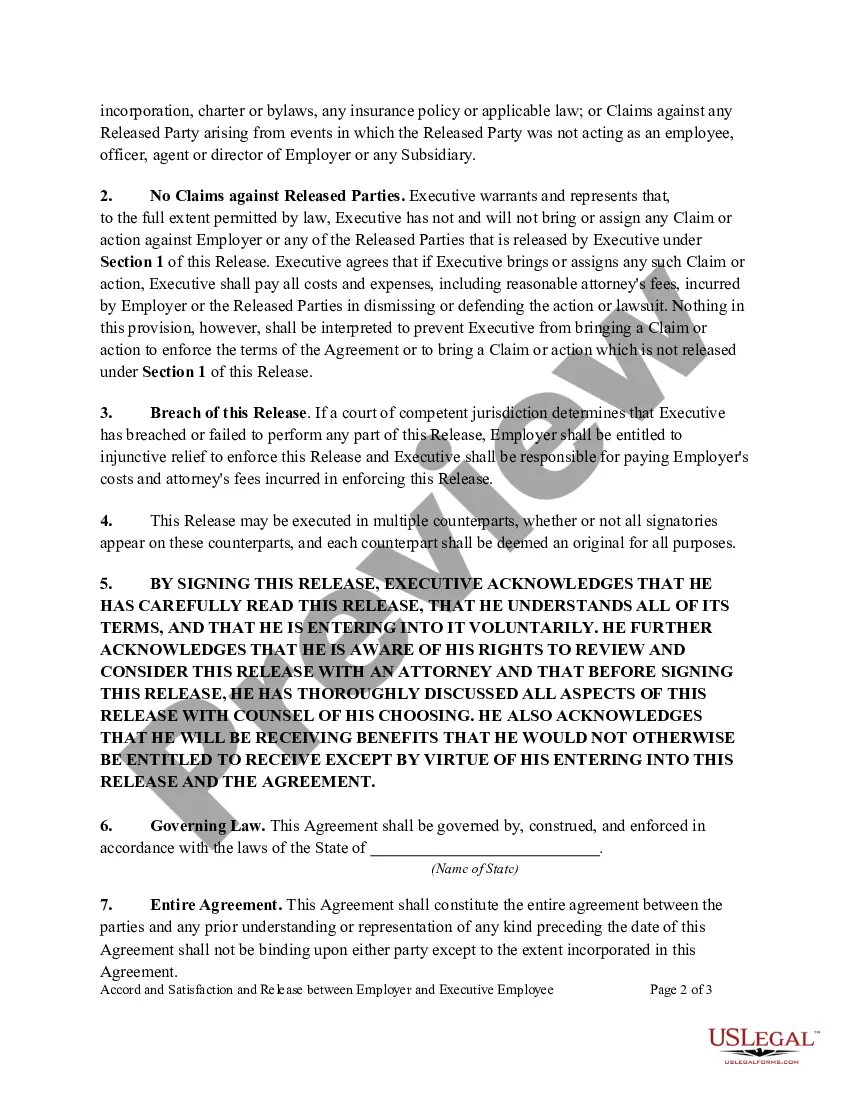
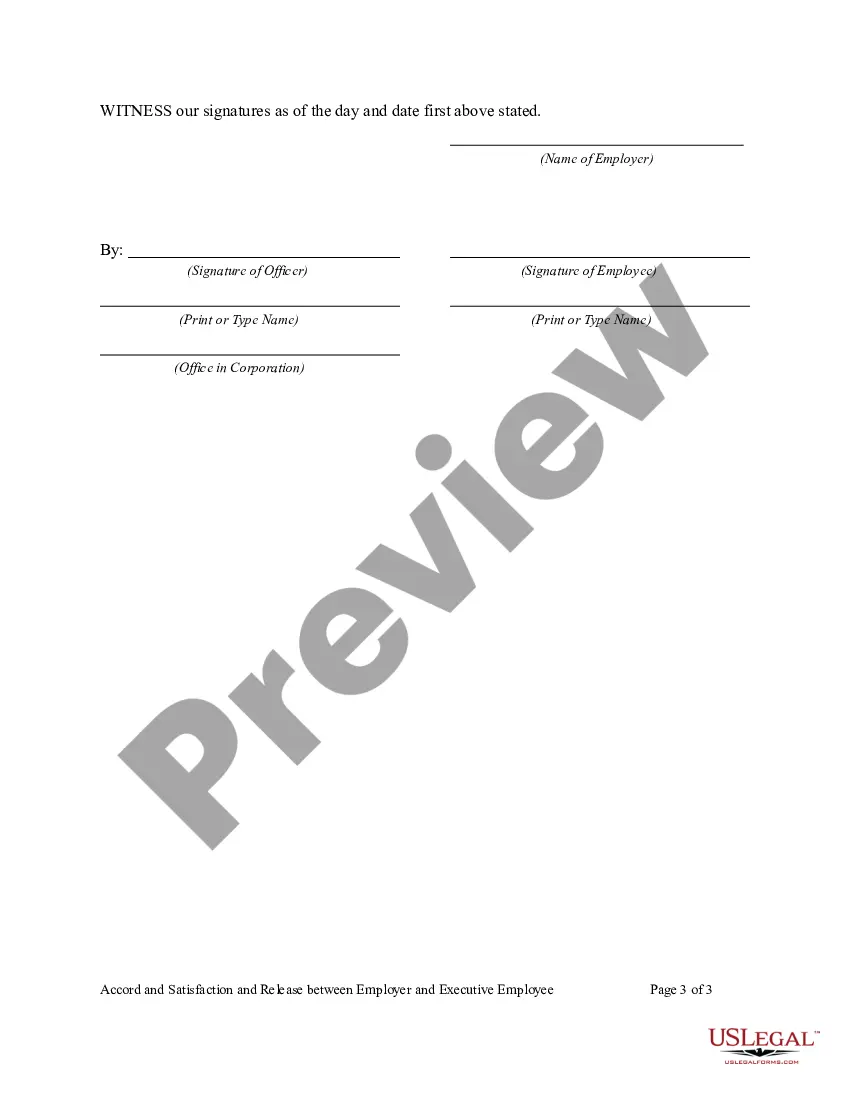
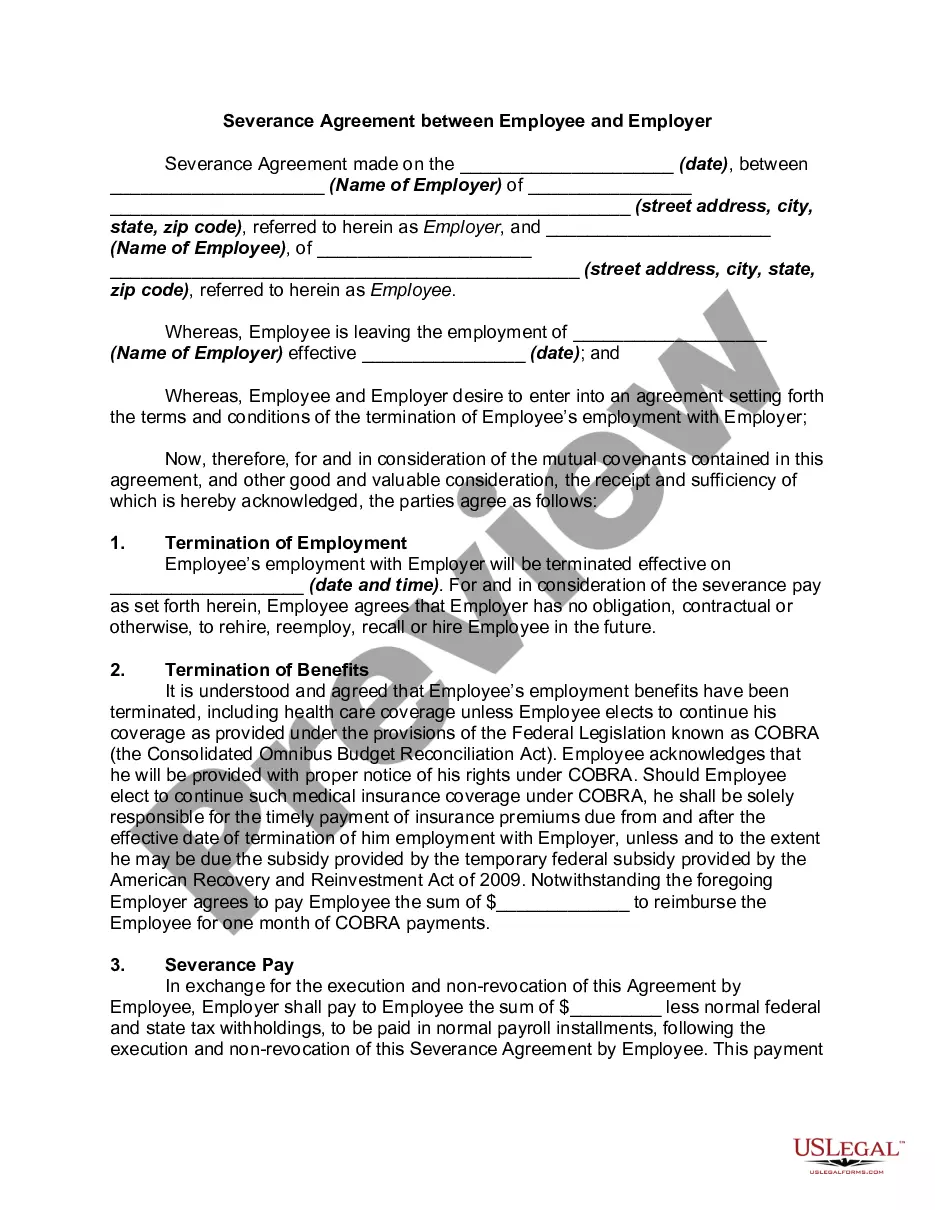
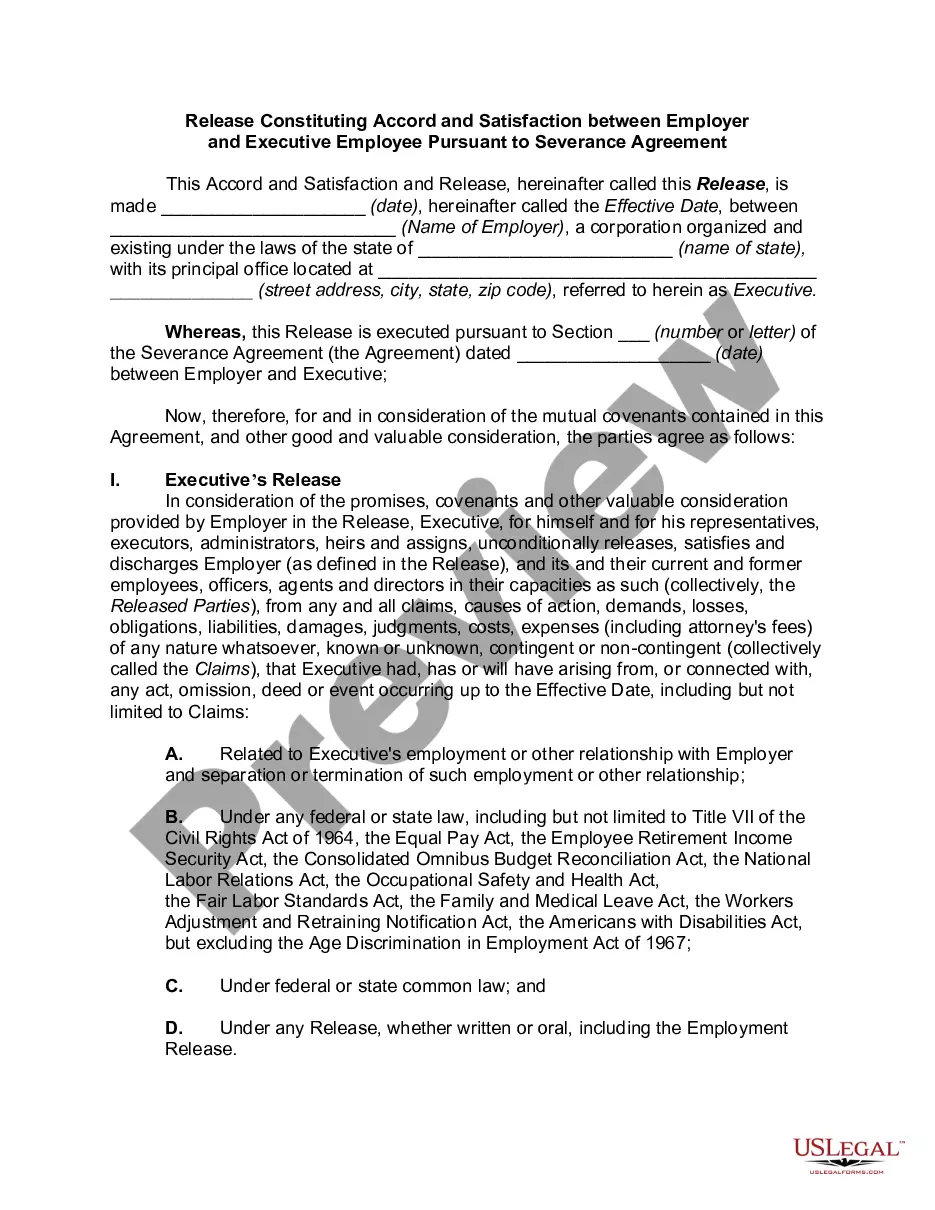
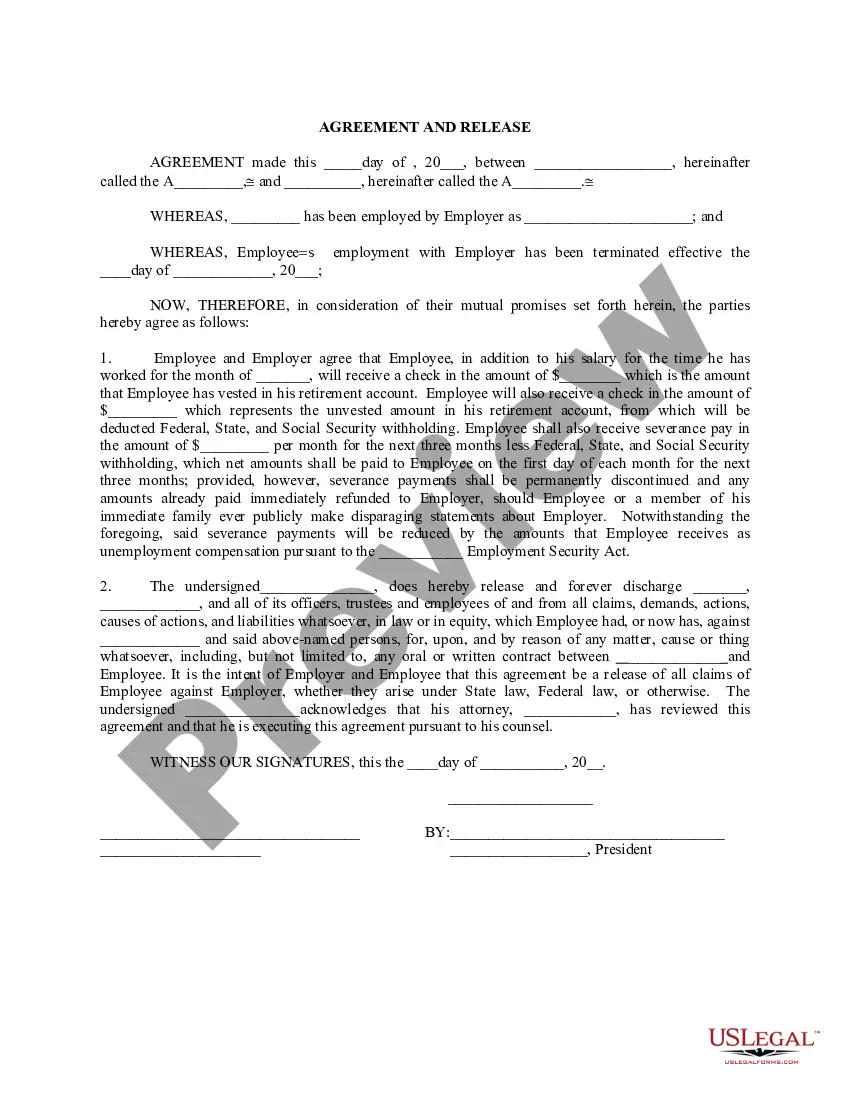
Get your form ready online
Our built-in tools help you complete, sign, share, and store your documents in one place.
Make edits, fill in missing information, and update formatting in US Legal Forms—just like you would in MS Word.
Download a copy, print it, send it by email, or mail it via USPS—whatever works best for your next step.
Sign and collect signatures with our SignNow integration. Send to multiple recipients, set reminders, and more. Go Premium to unlock E-Sign.
If this form requires notarization, complete it online through a secure video call—no need to meet a notary in person or wait for an appointment.
We protect your documents and personal data by following strict security and privacy standards.

Make edits, fill in missing information, and update formatting in US Legal Forms—just like you would in MS Word.

Download a copy, print it, send it by email, or mail it via USPS—whatever works best for your next step.

Sign and collect signatures with our SignNow integration. Send to multiple recipients, set reminders, and more. Go Premium to unlock E-Sign.

If this form requires notarization, complete it online through a secure video call—no need to meet a notary in person or wait for an appointment.

We protect your documents and personal data by following strict security and privacy standards.
Looking for another form?








Form popularity
FAQ
Employers are generally required to provide an employee time to consider the Severance Agreement before signing. An employee usually has a 21-day consideration period to accept and at least a 7-day revocation period to revoke an employer's Severance Agreement if the employee is over 40 years of age.
Extension of Benefits Under Rule of 70 To be eligible to retire, you must be at least age 55 with 10 years of service or age 65. Years of service for the “Rule of 70” eligibility purposes, means total years of employment from date of hire to date of termination.
Eligibility for Retiree Health and Life Insurance Benefits Rule of 70: the employee's age plus years of continuous, full-time service equal 70 or more, and the employee is at least age 55, with at least ten years of continuous, full-time service.
The FLSA stands out from other employment laws because it is one of the few statutory claims that cannot be waived in a private settlement between an employee and employer. The U.S. Supreme Court has made clear that the FLSA does not permit the private waiver of FLSA claims (Brooklyn Savings Bank v.
Non-waivable claims: Certain claims, such as workers' compensation and unemployment insurance claims, cannot be waived by the employee. No prevailing party and attorney's fees: Ensure that the agreement does not include provisions that would allow either party to claim attorney's fees if legal disputes arise.
Releases of wage and hour claims made under the Federal Labor Standards Act (FLSA) are also generally unenforceable unless the release receives court approval or undergoes Department of Labor supervision. Unemployment insurance claims cannot be waived in a general release contained in a severance contract.
The parties hereto agree that (a) the provisions of this Amendment will be severable in the event that for any reason whatsoever any of the provisions hereof are invalid, void or otherwise unenforceable, (b) any such invalid, void or otherwise unenforceable provisions will be replaced by other provisions which are as ...