Severance Termination For Cause In Utah
Description

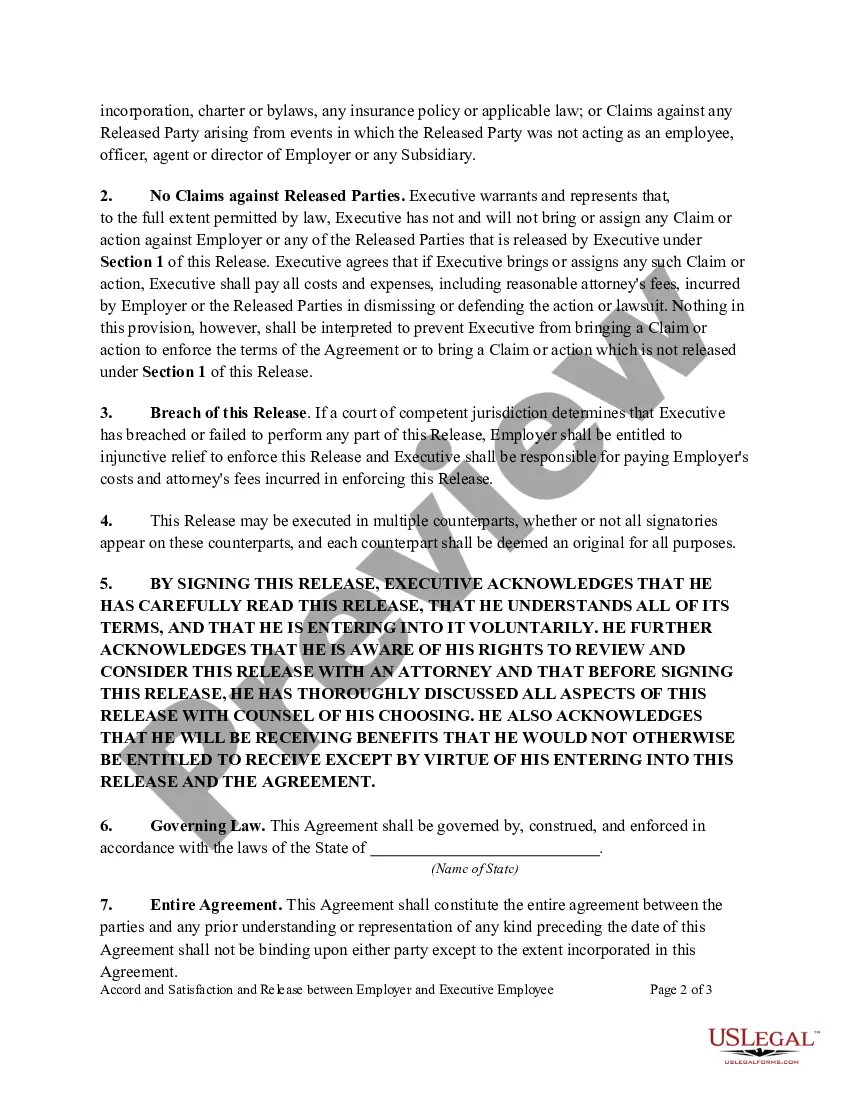
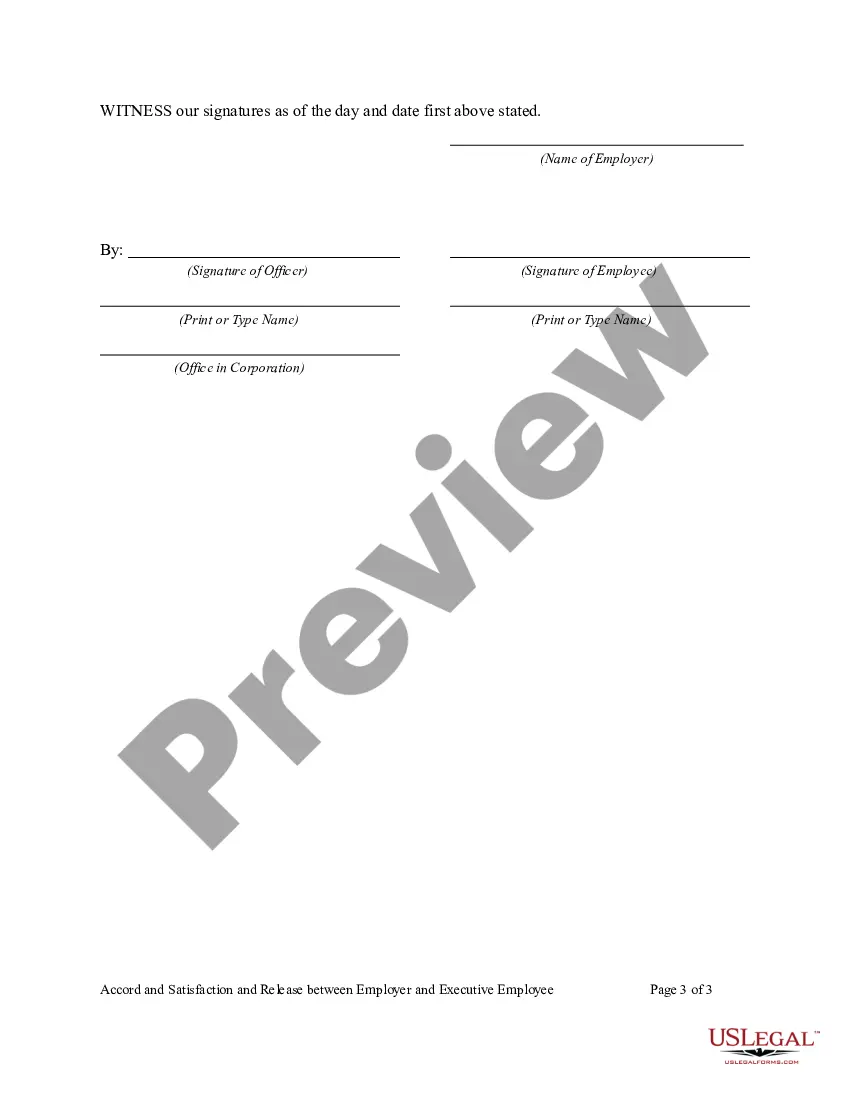
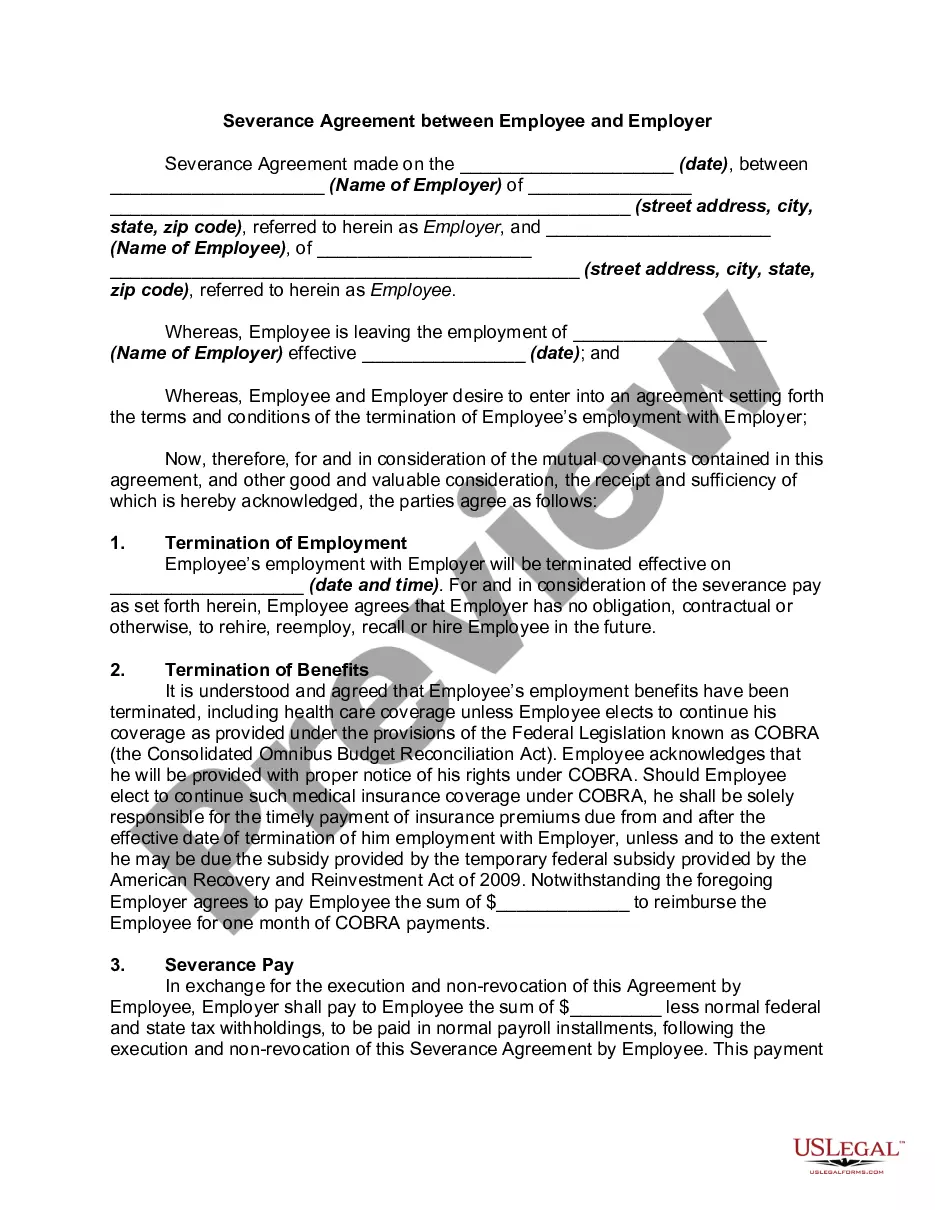
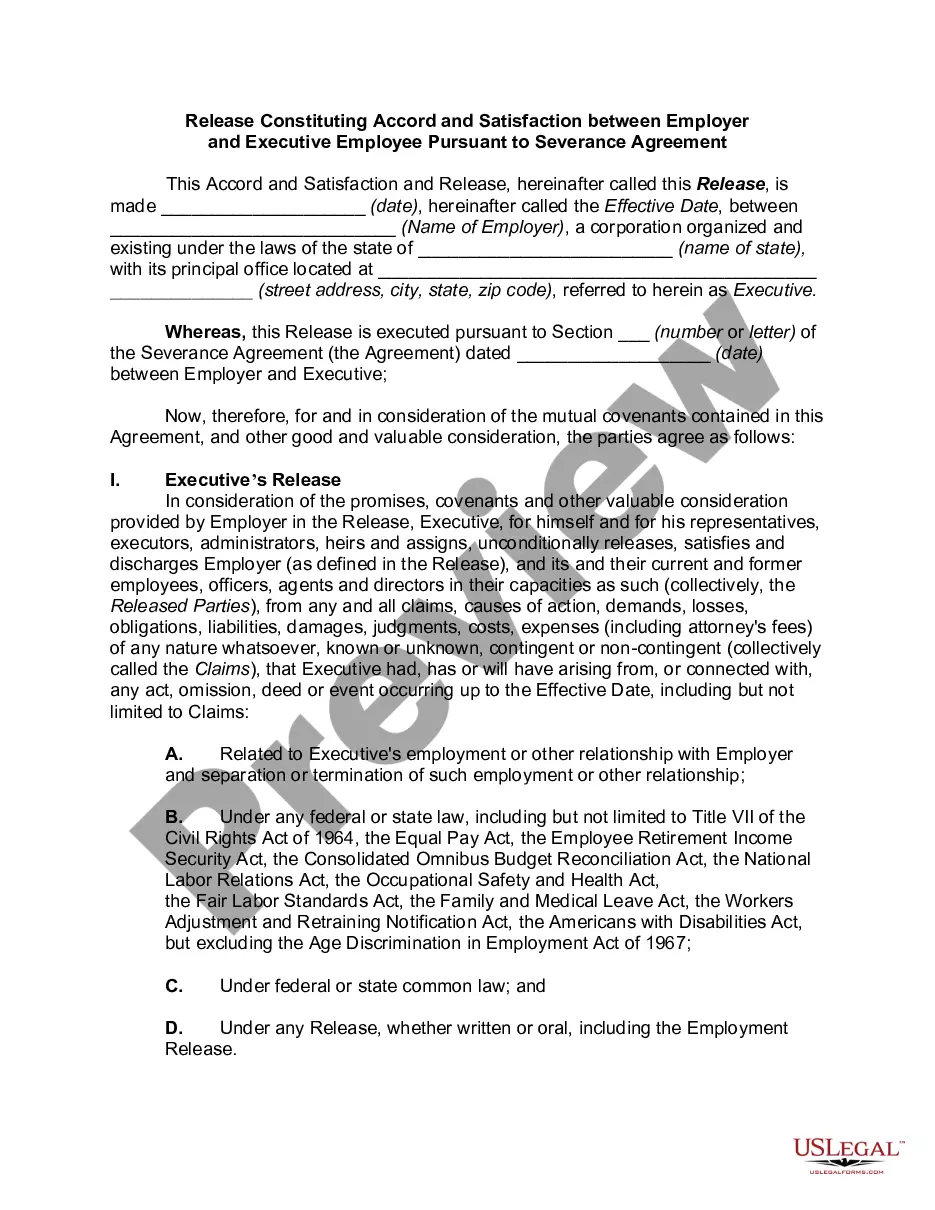
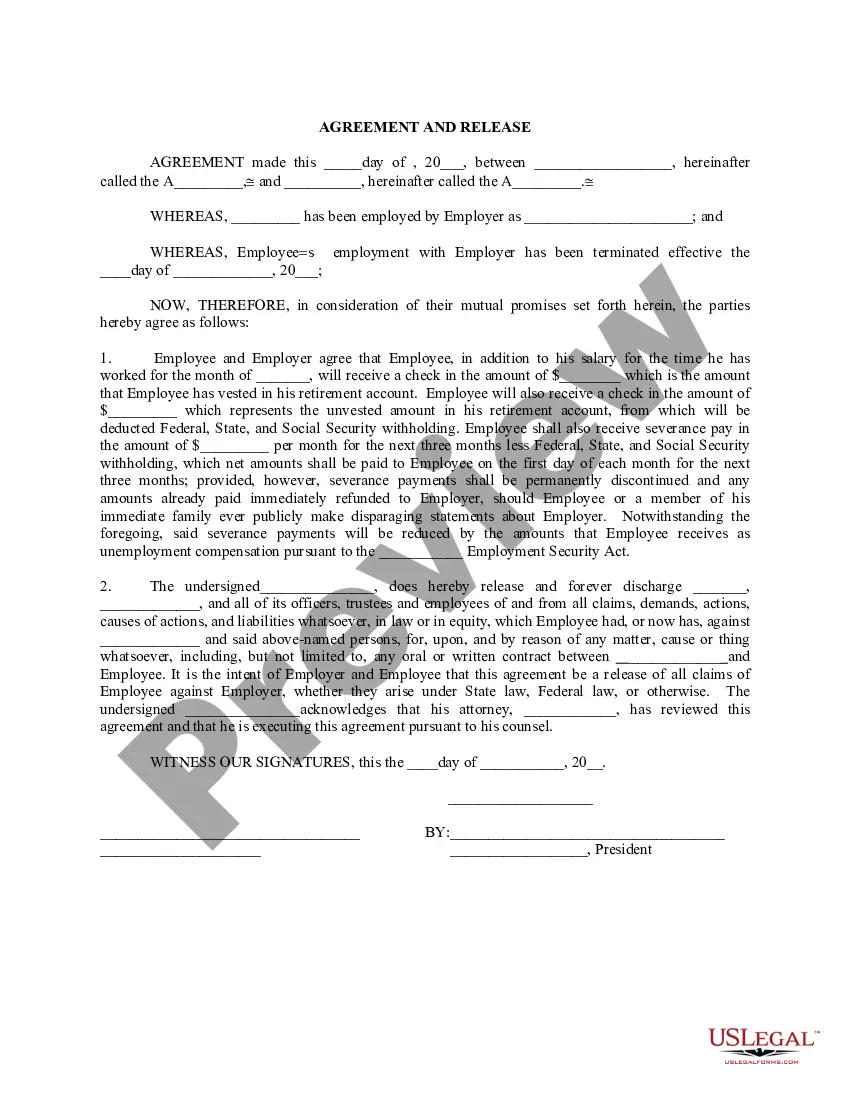
Get your form ready online
Our built-in tools help you complete, sign, share, and store your documents in one place.
Make edits, fill in missing information, and update formatting in US Legal Forms—just like you would in MS Word.
Download a copy, print it, send it by email, or mail it via USPS—whatever works best for your next step.
Sign and collect signatures with our SignNow integration. Send to multiple recipients, set reminders, and more. Go Premium to unlock E-Sign.
If this form requires notarization, complete it online through a secure video call—no need to meet a notary in person or wait for an appointment.
We protect your documents and personal data by following strict security and privacy standards.

Make edits, fill in missing information, and update formatting in US Legal Forms—just like you would in MS Word.

Download a copy, print it, send it by email, or mail it via USPS—whatever works best for your next step.

Sign and collect signatures with our SignNow integration. Send to multiple recipients, set reminders, and more. Go Premium to unlock E-Sign.

If this form requires notarization, complete it online through a secure video call—no need to meet a notary in person or wait for an appointment.

We protect your documents and personal data by following strict security and privacy standards.
Looking for another form?








Form popularity
FAQ
Cause just means that you, the worker, were terminated because of some stated condition of employment (example you did not follow some handbook rule)... without cause are things that you may be terminated for where may be you were just not the right person for team cohesiveness.
Termination for cause ensues when the employees' actions are against policy and may lead to serious repercussions for the company, clients and other employees. Termination of employee services with cause may be necessitated by a violation of the company's code of conduct or continuous poor performance.
If you're fired for cause, which it sounds like you will be, then they don't need to give you severance. Normally companies will give something to avoid getting sued for wrongful dismissal, because normally there are steps they need to take in order to avoid those kinds of lawsuits.
Termination for cause applies only to commercial contracts. The Government may terminate all or portion of a commercial item contract for cause if the contractor fails to: Comply with contract terms and conditions; or. Provide the Government, upon request, with adequate assurances of future performance.
Termination of employee services with cause may be necessitated by a violation of the company's code of conduct or continuous poor performance. More causes include poor working relationships with other employees, managers and poor treatment of clients.
2. Failing to perform the job for which one was hired. Unsatisfactory performance is the primary reason why most employees get fired.
If you're fired for cause, which it sounds like you will be, then they don't need to give you severance. Normally companies will give something to avoid getting sued for wrongful dismissal, because normally there are steps they need to take in order to avoid those kinds of lawsuits.
Theft or fraud by the employee. Dishonesty, including falsifying qualifications or work records. Insubordination, such as consistently refusing lawful instructions. Harassment or violence towards others in the workplace.
Just make sure you document the termination process well, including evidence of the misconduct. Write a letter of termination listing the behavior and reason for firing, and save a copy for your records. This will serve as valuable evidence if you need to prove it later on.
Keep it short and sweet. State they are being terminated, effective immediately, due to whatever policy they violated. Say no more than you have to. Make it clear there is no room for negotiation.