Severance Agreement Form With Non Compete In Texas
Description

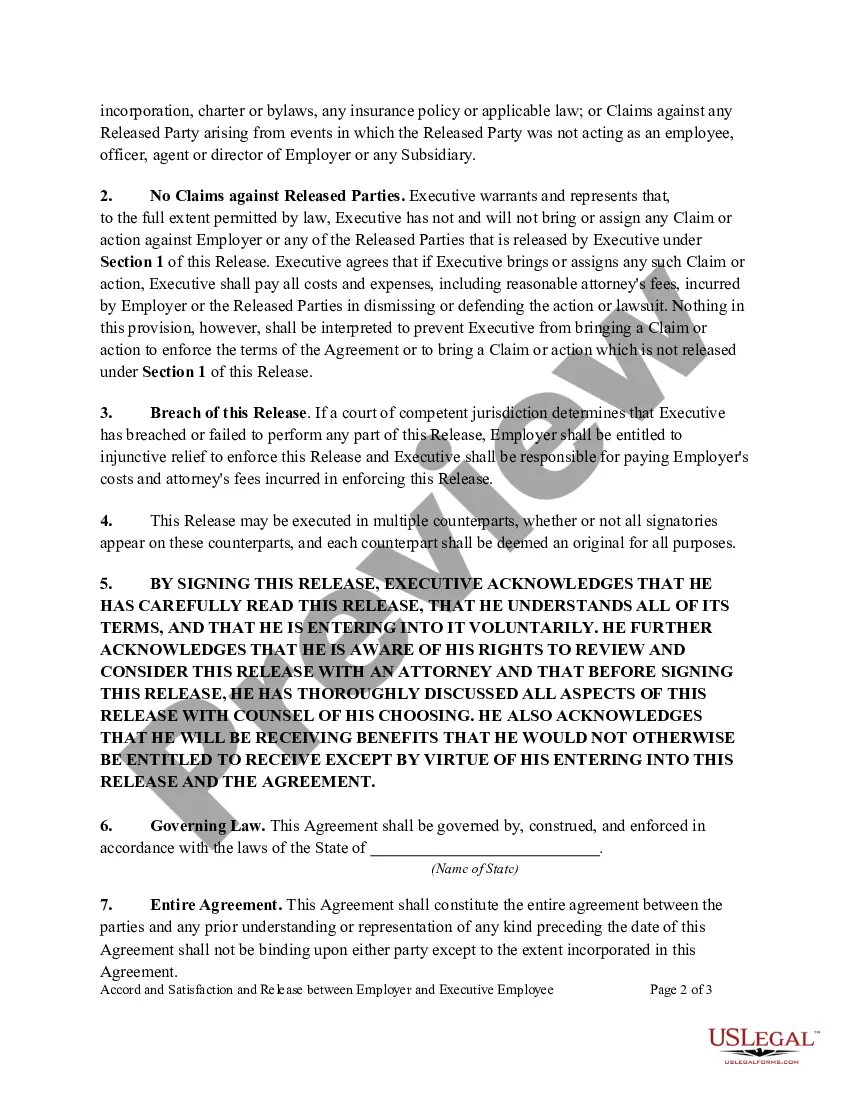
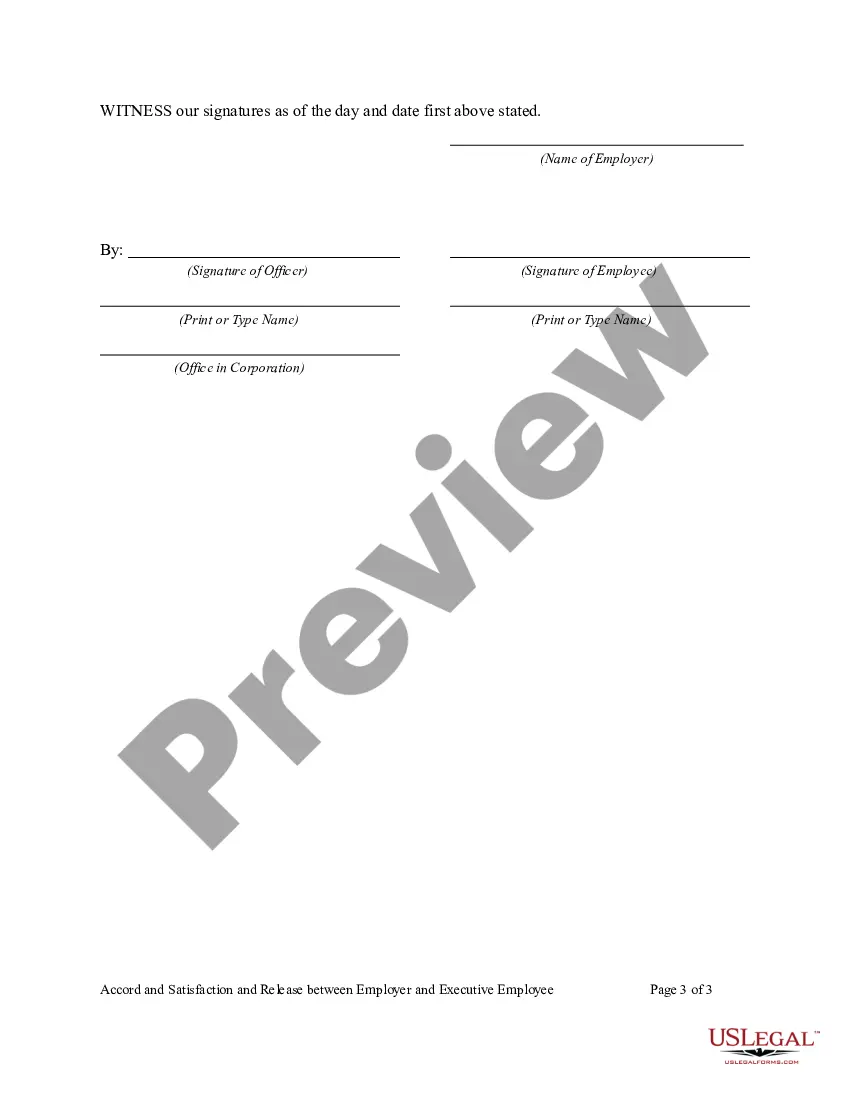
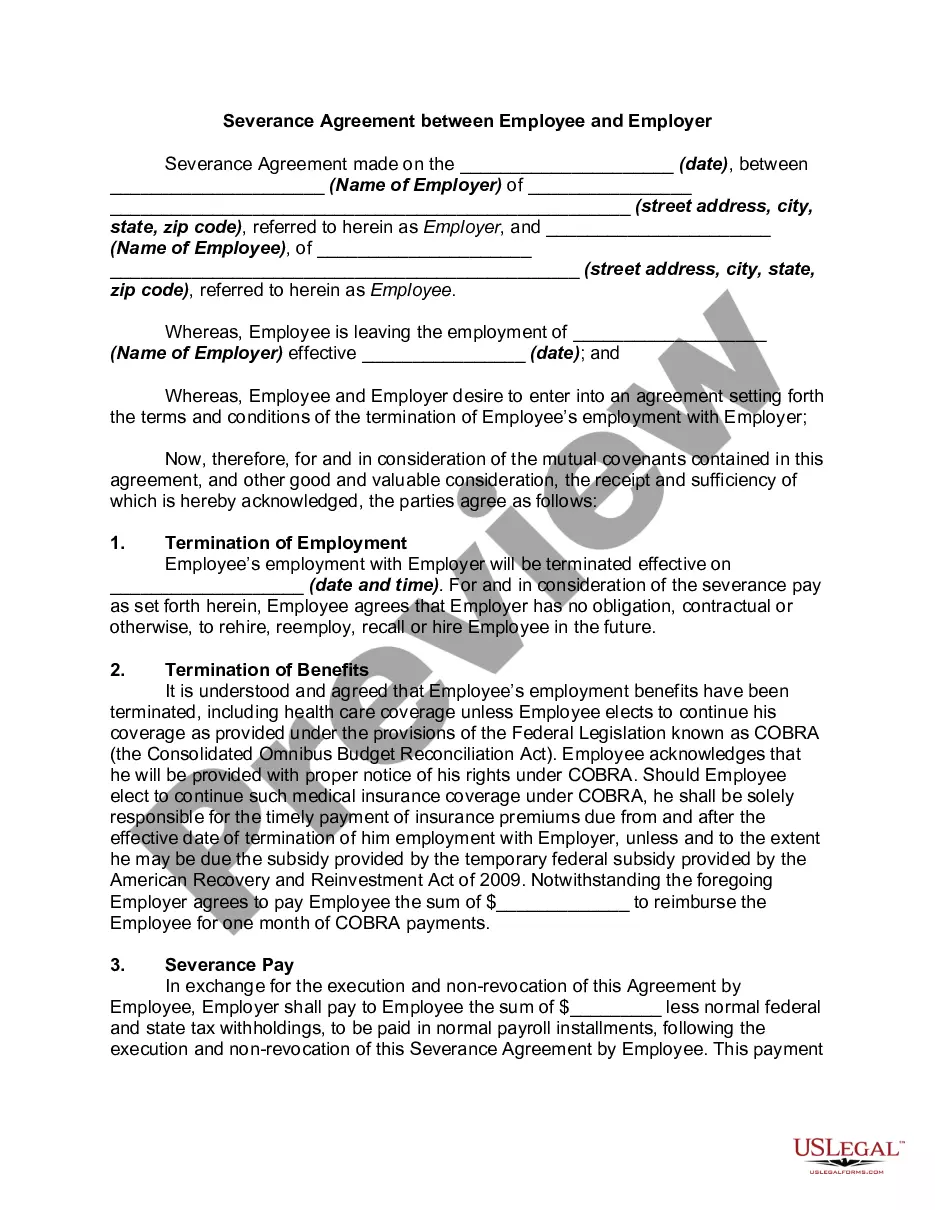
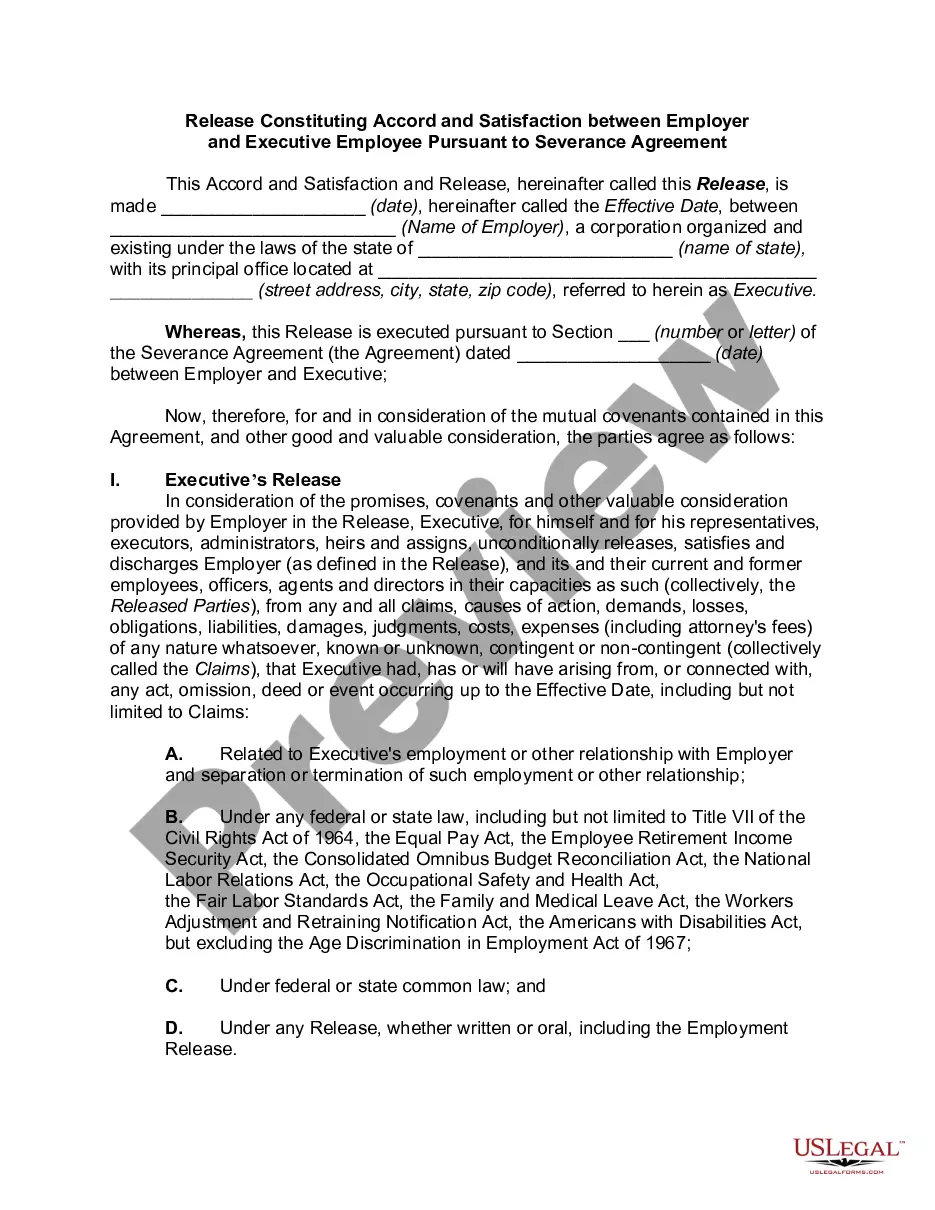
Get your form ready online
Our built-in tools help you complete, sign, share, and store your documents in one place.
Make edits, fill in missing information, and update formatting in US Legal Forms—just like you would in MS Word.
Download a copy, print it, send it by email, or mail it via USPS—whatever works best for your next step.
Sign and collect signatures with our SignNow integration. Send to multiple recipients, set reminders, and more. Go Premium to unlock E-Sign.
If this form requires notarization, complete it online through a secure video call—no need to meet a notary in person or wait for an appointment.
We protect your documents and personal data by following strict security and privacy standards.

Make edits, fill in missing information, and update formatting in US Legal Forms—just like you would in MS Word.

Download a copy, print it, send it by email, or mail it via USPS—whatever works best for your next step.

Sign and collect signatures with our SignNow integration. Send to multiple recipients, set reminders, and more. Go Premium to unlock E-Sign.

If this form requires notarization, complete it online through a secure video call—no need to meet a notary in person or wait for an appointment.

We protect your documents and personal data by following strict security and privacy standards.
Looking for another form?









Form popularity
FAQ
Several factors can void or limit the enforceability of a non-compete agreement, including overly broad restrictions, unreasonable time frames or geographical limits, lack of consideration (such as compensation or job opportunities provided in exchange for the agreement), and violation of public policy.
It is generally unlawful in California for an employer's severance agreement to state that you may not compete against the employer in a future job.
Provide written request: Send a written request via email or letter to your former employer asking for a copy of the non-compete agreement. By doing this, you will have a record of your request and may be able to use it as evidence if necessary.
Some potential ways to get out of a non-compete agreement in Texas include the following: Negotiate with the employer to modify the terms of the agreement. Challenge the enforceability of the agreement in court. Wait for the agreement to expire. Seek a waiver or exemption from the agreement.
Non-competes are generally binding. So they are enforceable when an employee leaves the company. It doesn't matter if you're fired or resign. Valid agreements must be reasonable in scope.
Fraud, misrepresentation, duress, or unconscionability are common defenses you can use if you want to void a severance agreement that you already signed.
The agreement must be backed by consideration. The employer must give something of value to the employee in exchange for the agreement. Employees must have 21 days to consider the severance offer, or 45 days if more than one employee is laid off as part of a group lay off.
Non-compete agreements are illegal in California, but some companies still include them in severance packages. If you see one, ask for it to be removed.
It is generally unlawful in California for an employer's severance agreement to state that you may not compete against the employer in a future job.
The following are a couple of examples of reasons that an employee in Texas may be able to get out of a non-compete agreement: The employer failed to sign the agreement; The employer failed to abide by other technical requirements of the Texas Covenants Not to Compete Act; or.