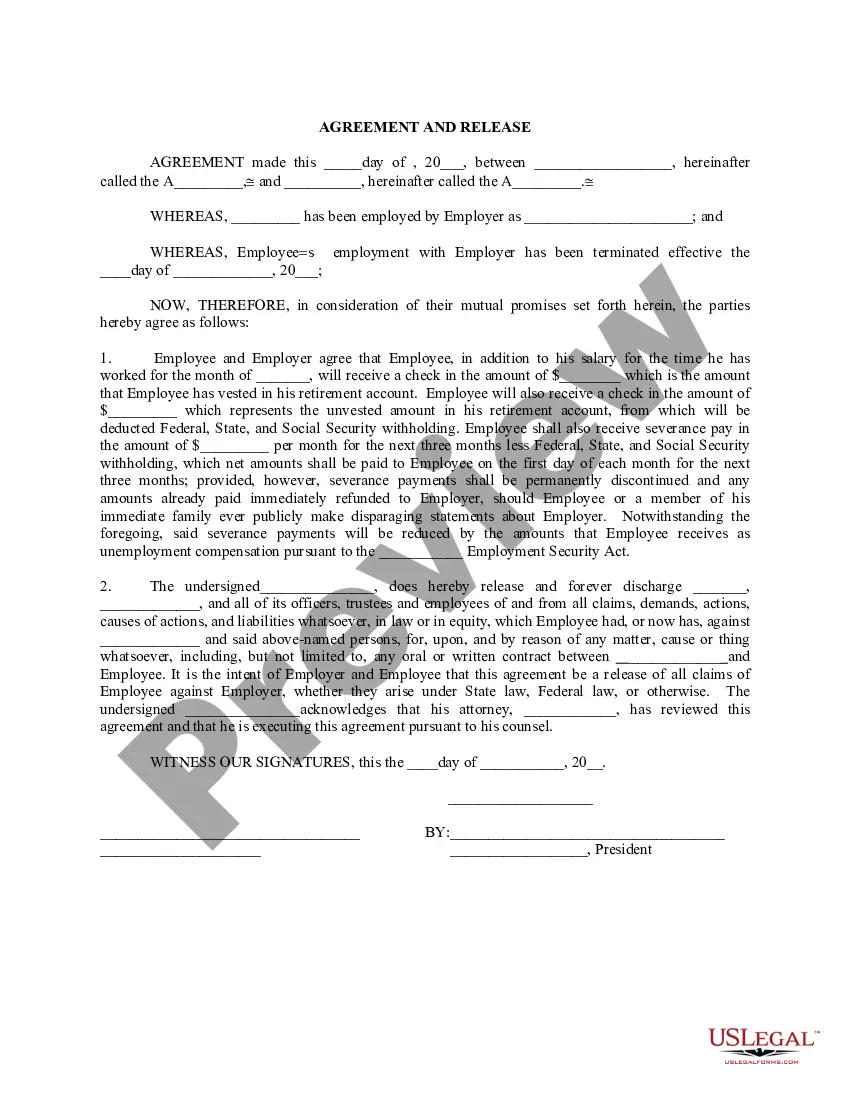
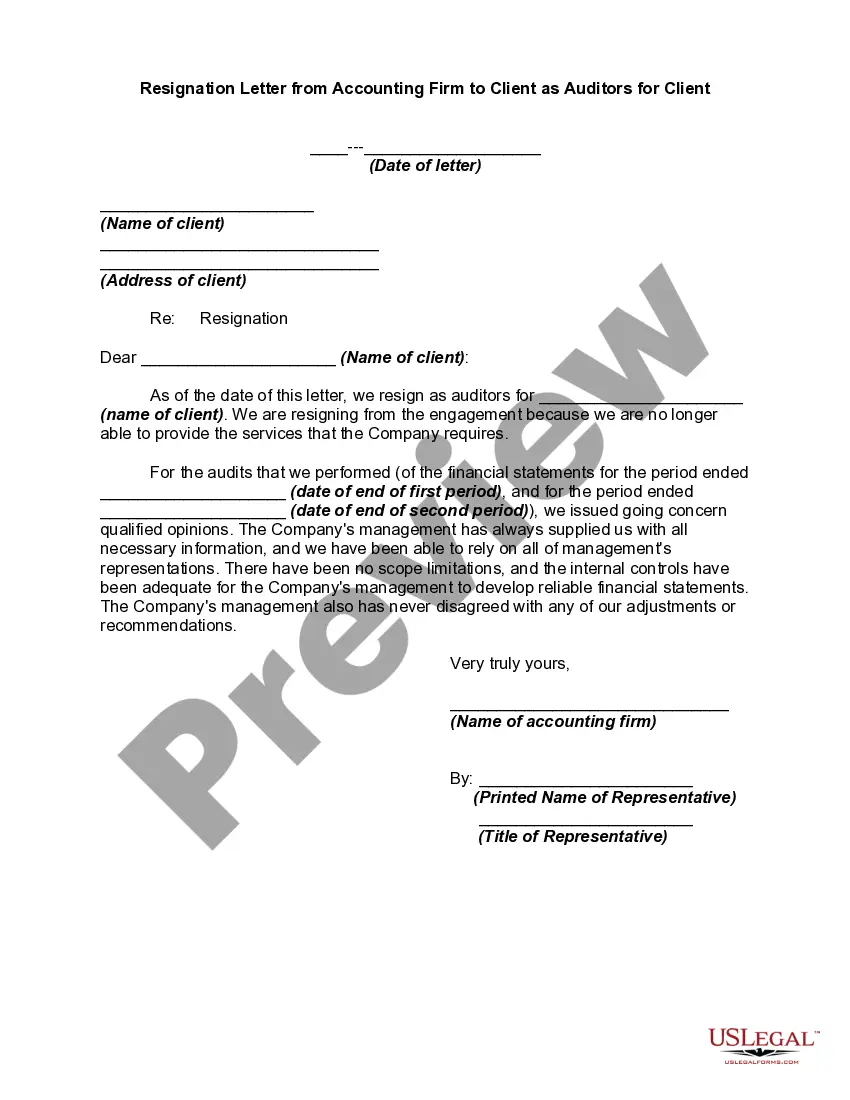
Severance Termination For Cause In Salt Lake
Description

Get your form ready online
Our built-in tools help you complete, sign, share, and store your documents in one place.
Make edits, fill in missing information, and update formatting in US Legal Forms—just like you would in MS Word.
Download a copy, print it, send it by email, or mail it via USPS—whatever works best for your next step.
Sign and collect signatures with our SignNow integration. Send to multiple recipients, set reminders, and more. Go Premium to unlock E-Sign.
If this form requires notarization, complete it online through a secure video call—no need to meet a notary in person or wait for an appointment.
We protect your documents and personal data by following strict security and privacy standards.

Make edits, fill in missing information, and update formatting in US Legal Forms—just like you would in MS Word.

Download a copy, print it, send it by email, or mail it via USPS—whatever works best for your next step.

Sign and collect signatures with our SignNow integration. Send to multiple recipients, set reminders, and more. Go Premium to unlock E-Sign.

If this form requires notarization, complete it online through a secure video call—no need to meet a notary in person or wait for an appointment.

We protect your documents and personal data by following strict security and privacy standards.
Looking for another form?









Form popularity
FAQ
Ing to the Utah Employment Security Act, ALL severance and accrued vacation payments are attributable to the period of time following the last day worked. Unemployment benefits are denied for that period of time.
If you have an employment contract and your employer fires you without good cause, you may have a legal claim for breach of contract.
Is a Letter of Termination Required? For the most part, the Federal Labor Standards Act (FLSA) doesn't require organizations to provide letters of termination. The exceptions are when employees are part of a union, a collective bargaining agreement, or certain mass layoffs or corporate closures.
Utah operates under the “at-will” employment doctrine. This means employers in Utah have the flexibility to terminate employees for any reason—or no reason at all—without needing to provide advance notice.
Universally employers are legally prohibited from firing an employee based on: Discrimination based on race, gender, age, ethnicity, national origin, religion, pregnancy, marital status, or disability. Reporting an employment violation or bringing wrongdoing to light as a whistleblower.
Most termination clauses are an agreement between the employer and the employee that in the event the employer elects to dismiss the employee without cause, the employee will only receive what they are entitled to under the Employment Standards Code.
Utah operates under the “at-will” employment doctrine, similar to many other states in the US. This means employers in Utah can terminate an employee at any time for any reason, except for illegal reasons such as discrimination, retaliation, or breach of contract.
Generally you only get severance when you are laid off due to no fault of your own, or a change at the buisness. If you are leaving by your own choice, it is highly unusual to get a severance.