Employer Withholding Severance Pay In Sacramento
Description

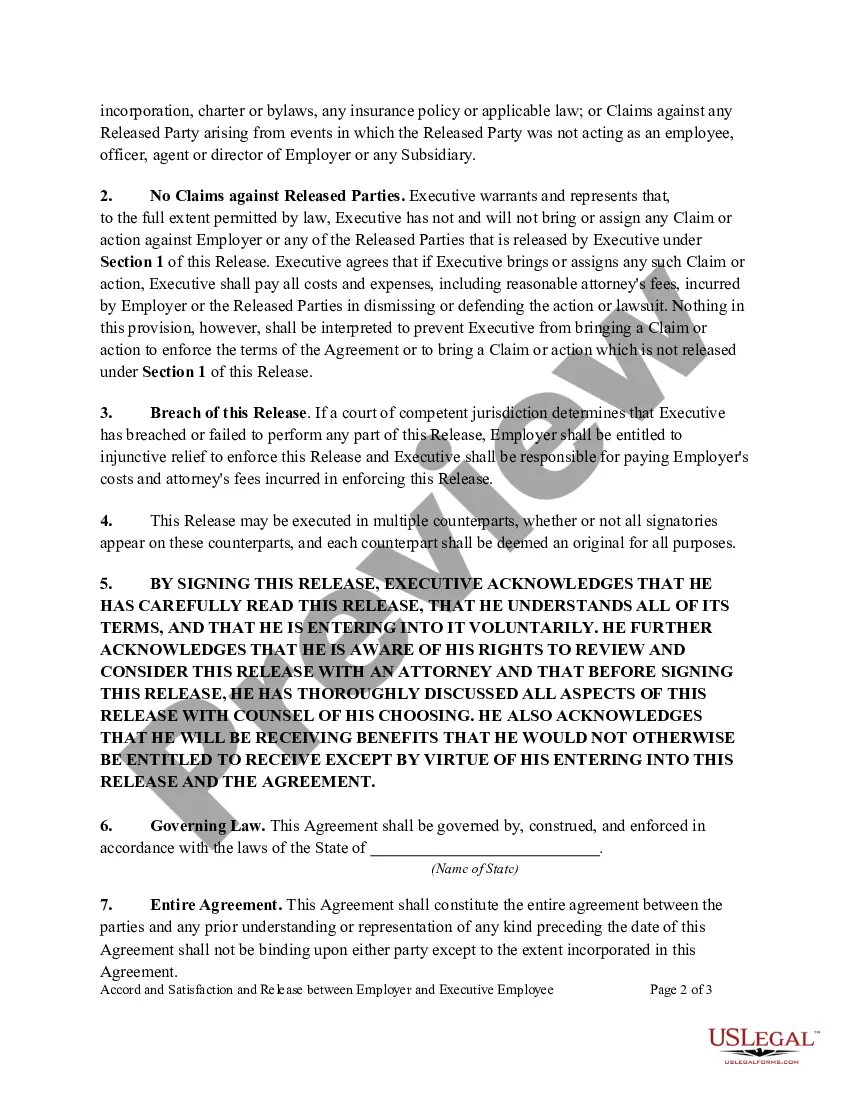
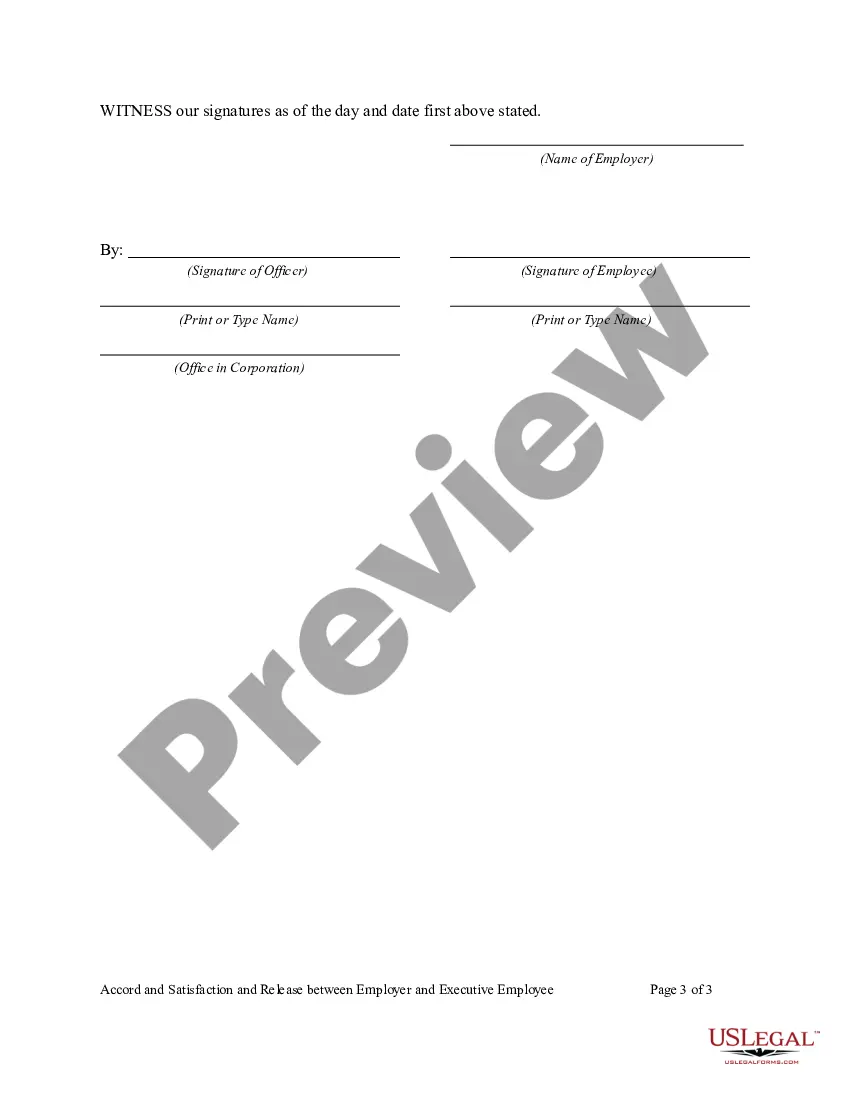
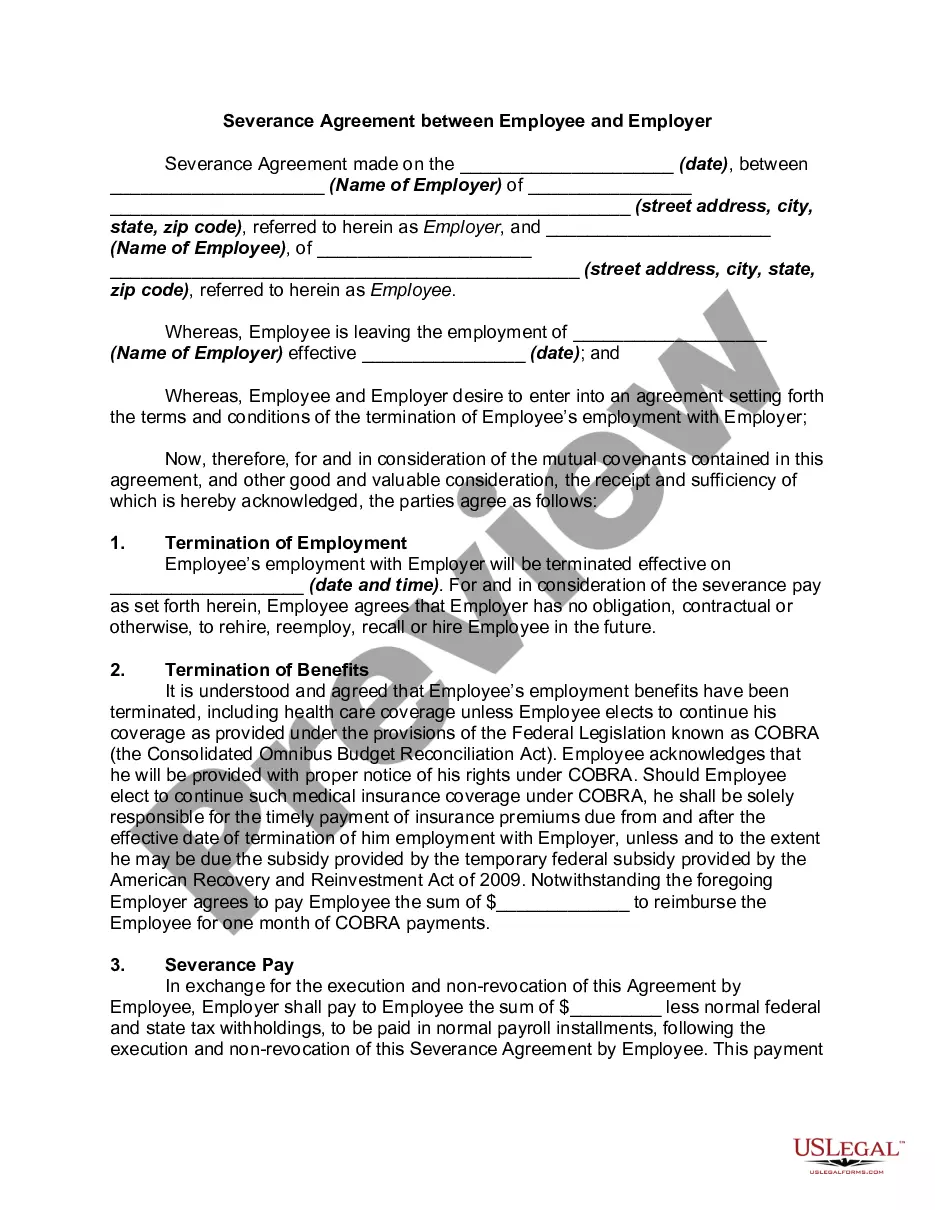
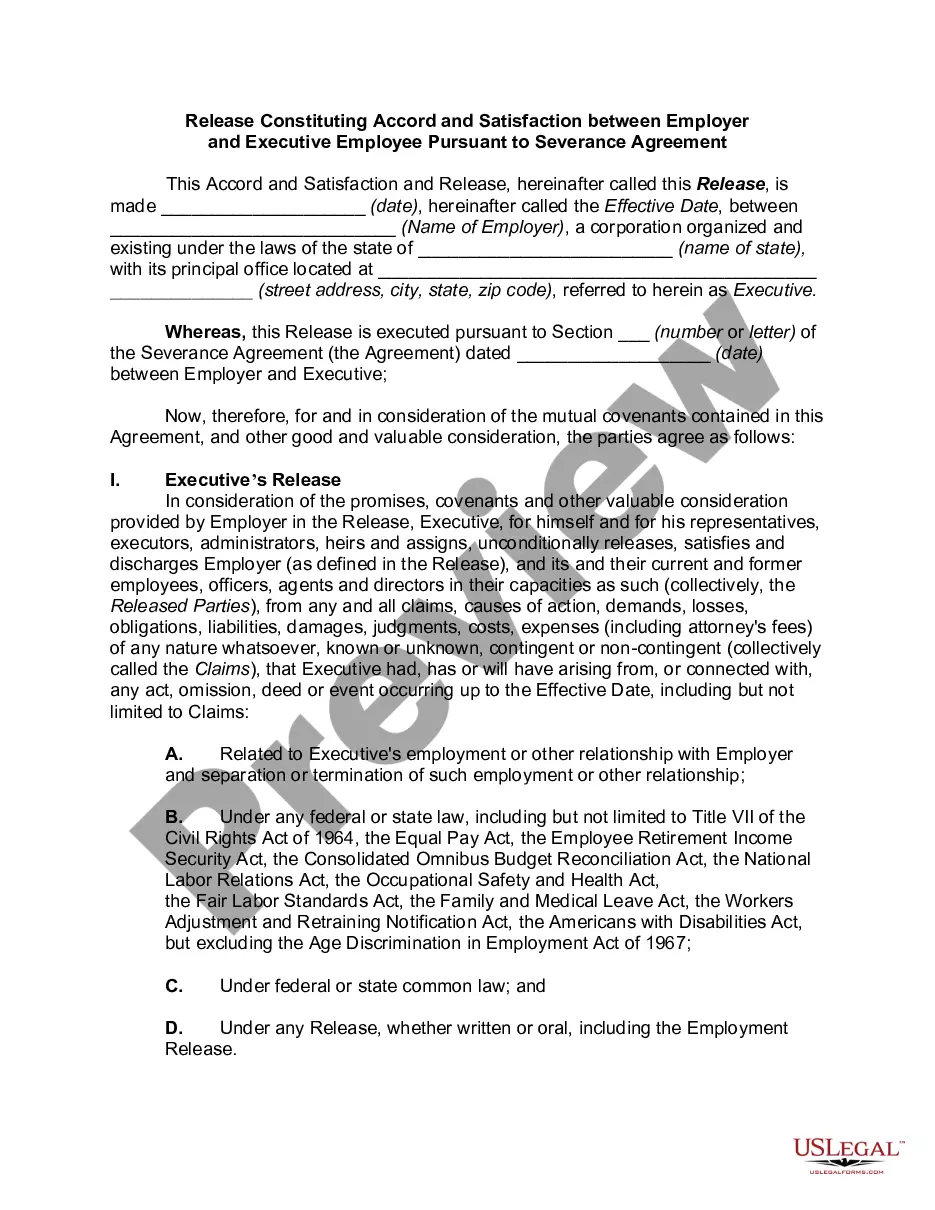
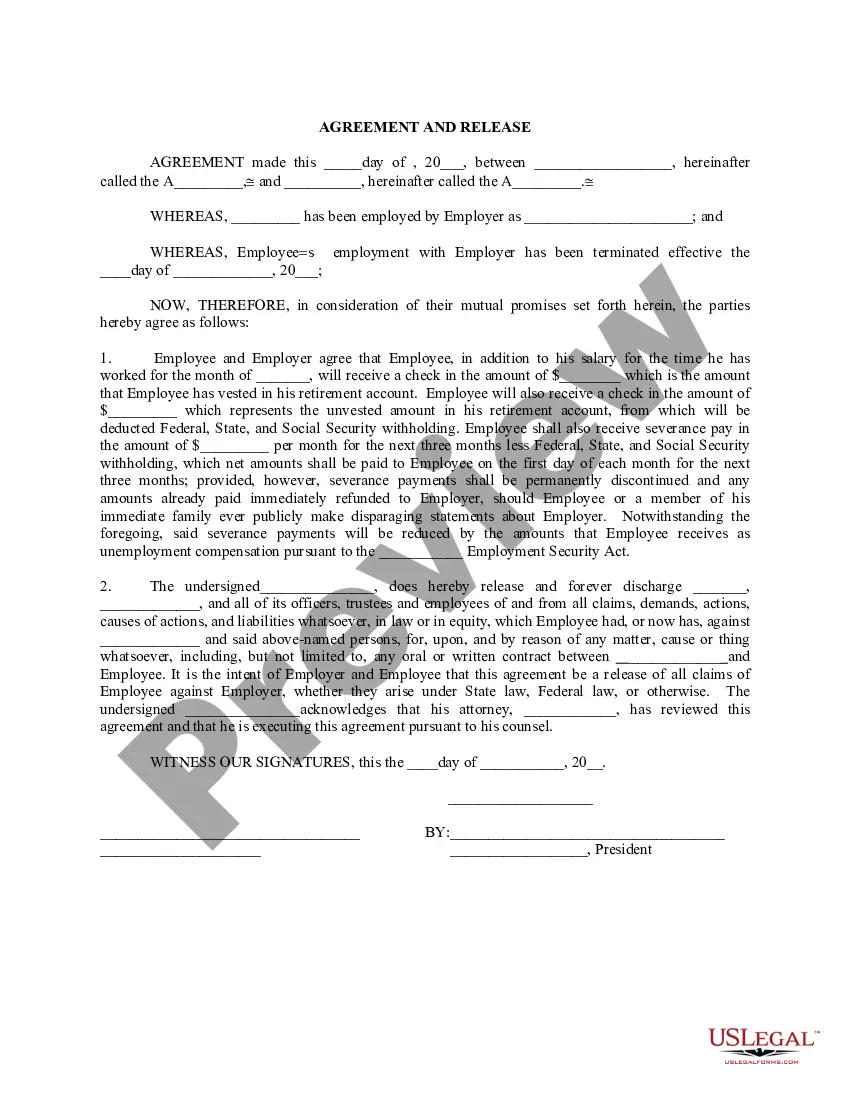
Get your form ready online
Our built-in tools help you complete, sign, share, and store your documents in one place.
Make edits, fill in missing information, and update formatting in US Legal Forms—just like you would in MS Word.
Download a copy, print it, send it by email, or mail it via USPS—whatever works best for your next step.
Sign and collect signatures with our SignNow integration. Send to multiple recipients, set reminders, and more. Go Premium to unlock E-Sign.
If this form requires notarization, complete it online through a secure video call—no need to meet a notary in person or wait for an appointment.
We protect your documents and personal data by following strict security and privacy standards.

Make edits, fill in missing information, and update formatting in US Legal Forms—just like you would in MS Word.

Download a copy, print it, send it by email, or mail it via USPS—whatever works best for your next step.

Sign and collect signatures with our SignNow integration. Send to multiple recipients, set reminders, and more. Go Premium to unlock E-Sign.

If this form requires notarization, complete it online through a secure video call—no need to meet a notary in person or wait for an appointment.

We protect your documents and personal data by following strict security and privacy standards.
Looking for another form?






Form popularity
FAQ
Let's understand this better through an example: imagine an employee in California receiving a severance of $100,000. In addition to the 22% federal withholding, California's state tax rate could be up to 12.3%, depending on the employee's total income.
Specifically, California Gov Code 12964.5(b)(4) sets a mandatory waiting period of at least five business days. This period allows employees the necessary time to review the severance agreement thoroughly and consult with legal counsel to ensure the terms are fair and in their best interest.
The new rule mandates that businesses inform their employees that they have at least five days to review any separation or severance arrangements.
Similar to regular wages and salary. Depending on the total amount of income (including severance) for the year, you may fall into a higher tax bracket. Flat rate instead of regular withholding based on your W-4.
Employers. Employers are required by law to withhold employment taxes from their employees. Employment taxes include federal income tax withholding and Social Security and Medicare Taxes.