Severance Agreement Form Without An Agreement In Riverside
Description

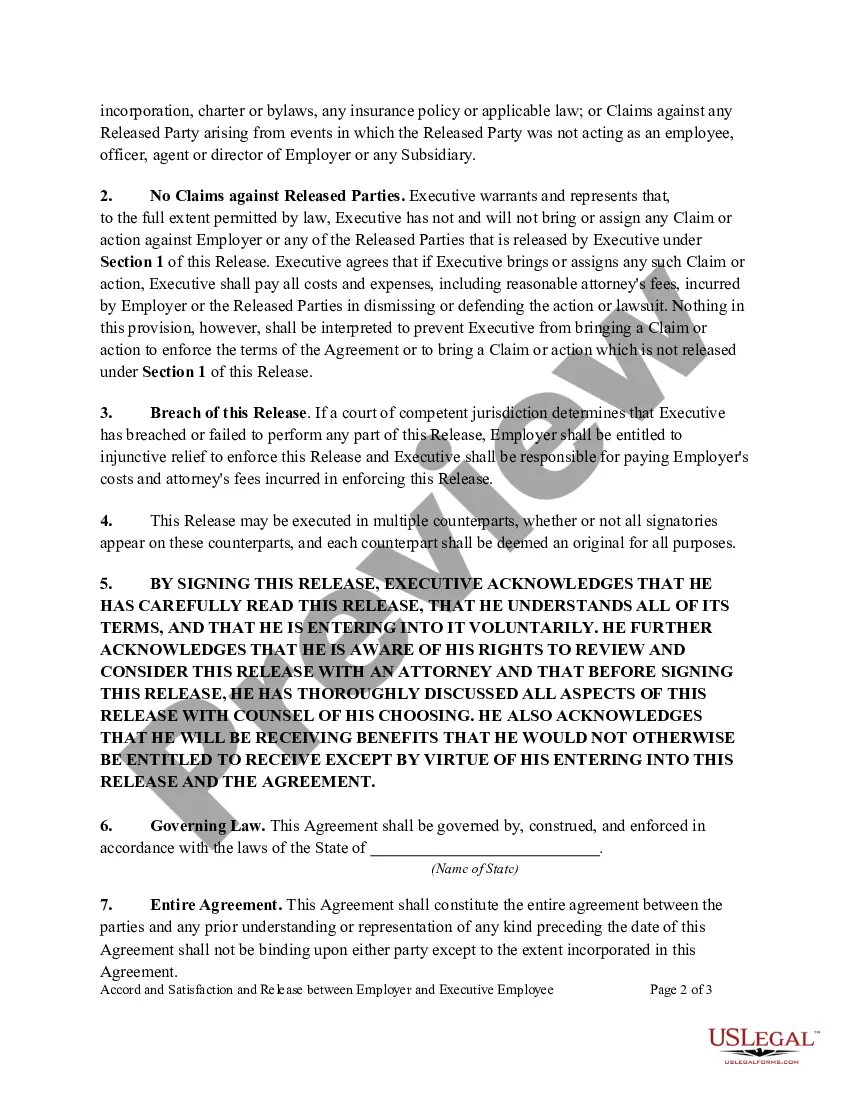
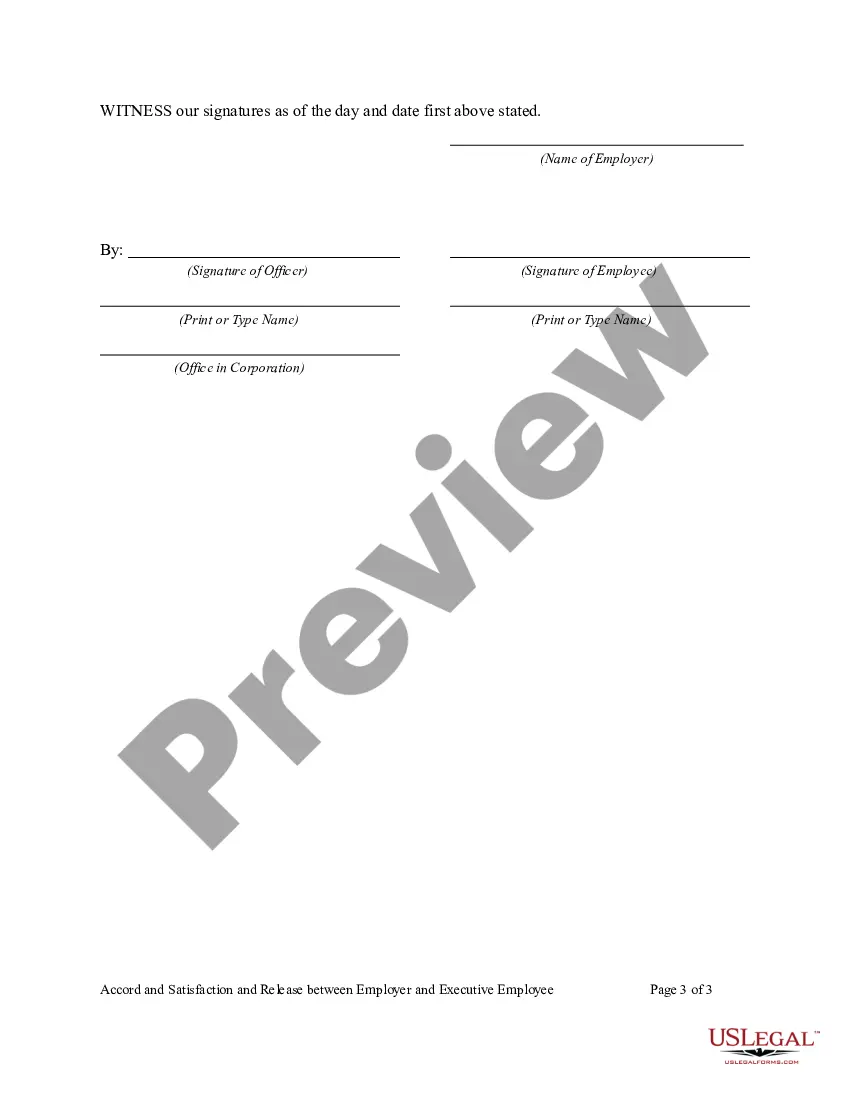
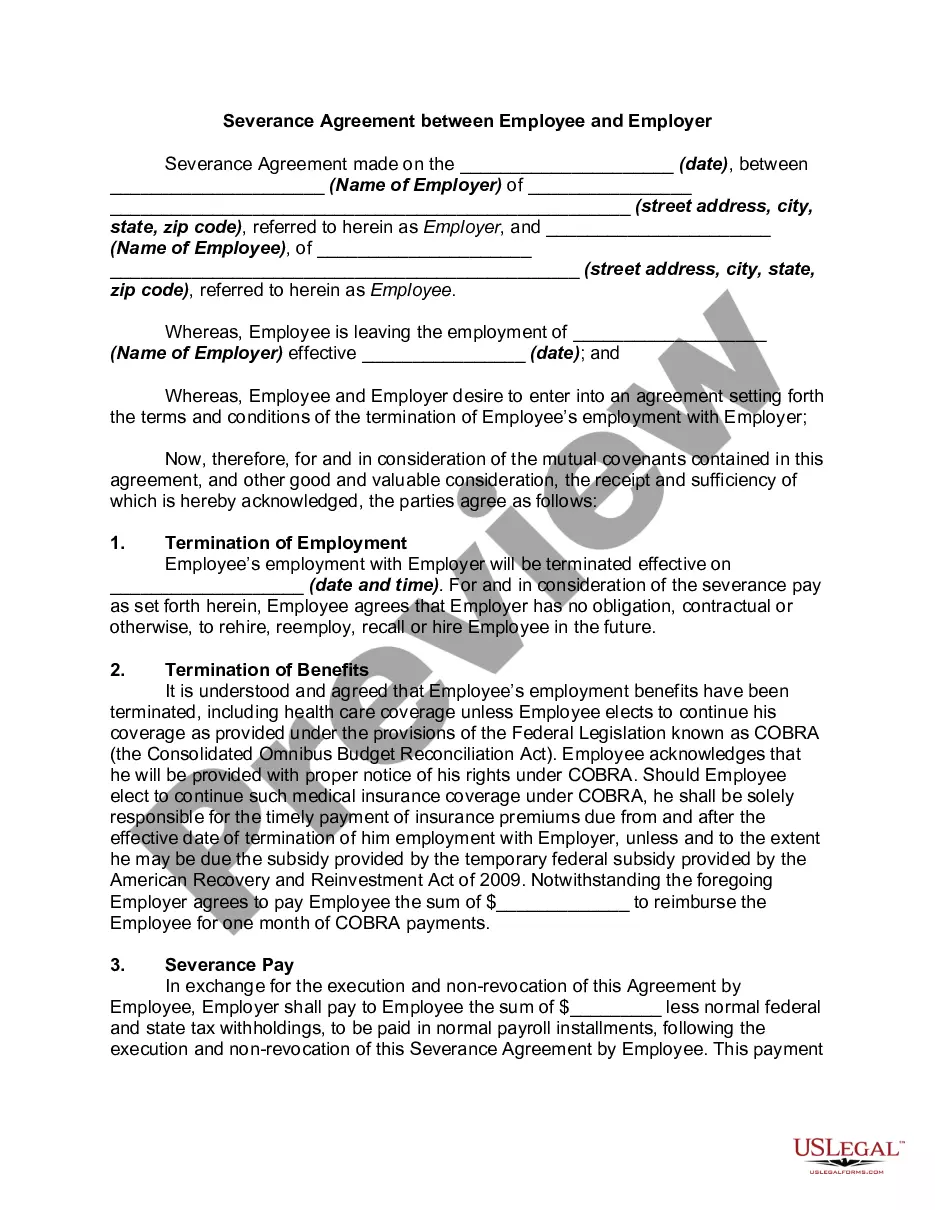
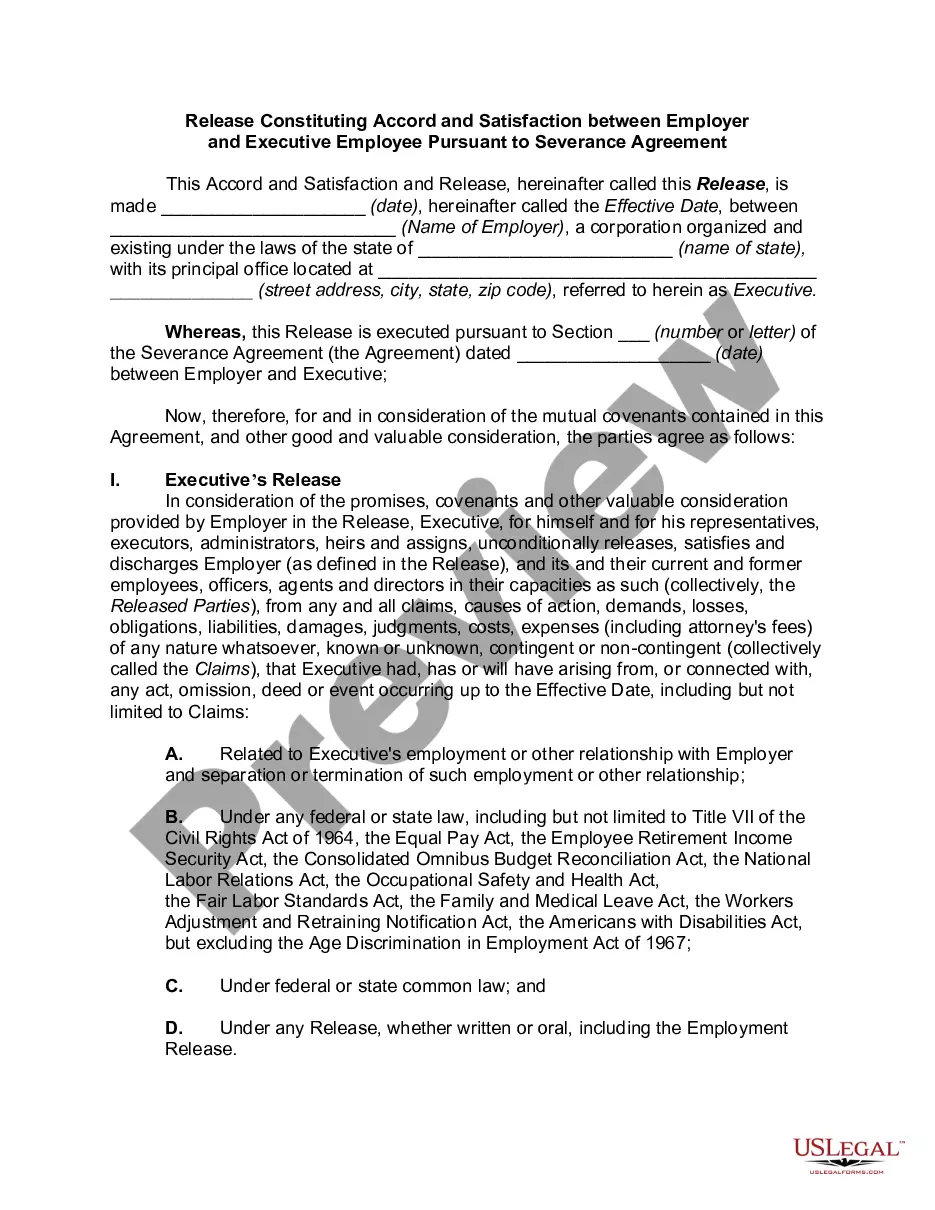
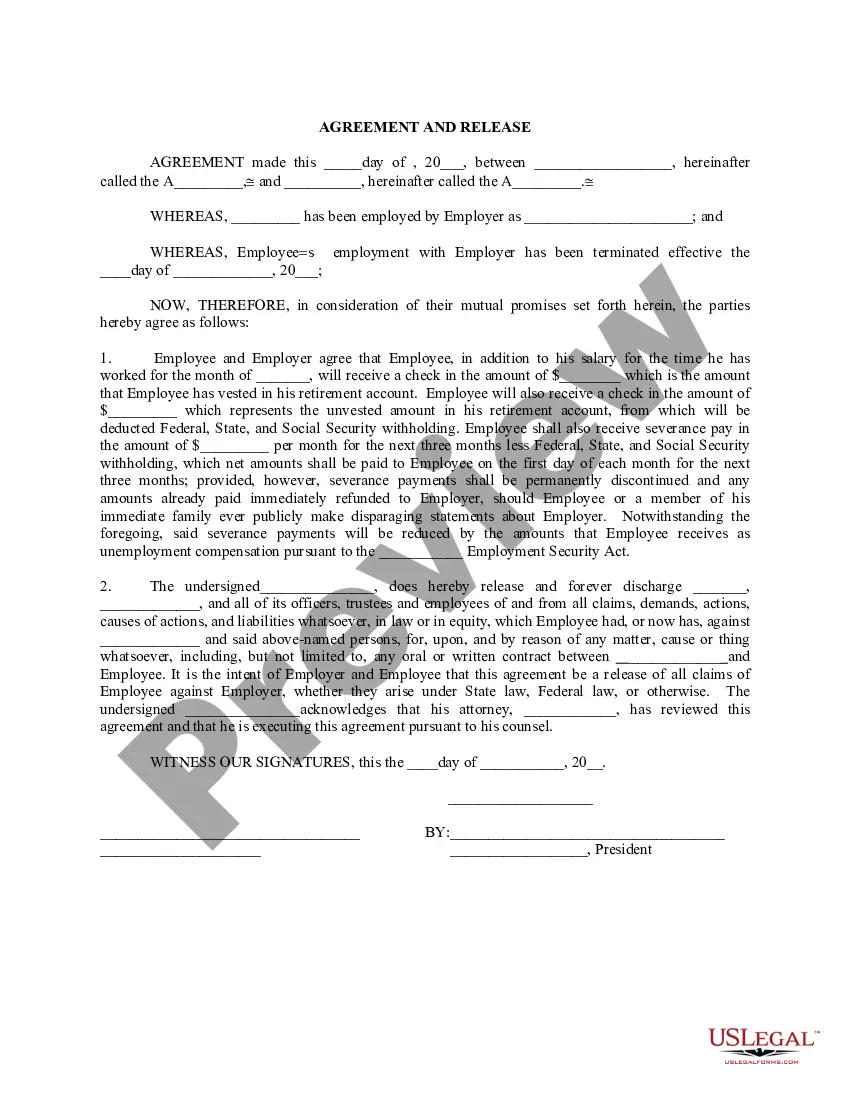
Get your form ready online
Our built-in tools help you complete, sign, share, and store your documents in one place.
Make edits, fill in missing information, and update formatting in US Legal Forms—just like you would in MS Word.
Download a copy, print it, send it by email, or mail it via USPS—whatever works best for your next step.
Sign and collect signatures with our SignNow integration. Send to multiple recipients, set reminders, and more. Go Premium to unlock E-Sign.
If this form requires notarization, complete it online through a secure video call—no need to meet a notary in person or wait for an appointment.
We protect your documents and personal data by following strict security and privacy standards.

Make edits, fill in missing information, and update formatting in US Legal Forms—just like you would in MS Word.

Download a copy, print it, send it by email, or mail it via USPS—whatever works best for your next step.

Sign and collect signatures with our SignNow integration. Send to multiple recipients, set reminders, and more. Go Premium to unlock E-Sign.

If this form requires notarization, complete it online through a secure video call—no need to meet a notary in person or wait for an appointment.

We protect your documents and personal data by following strict security and privacy standards.
Looking for another form?










Form popularity
FAQ
disparagement clause generally prevents employees from disclosing certain confidential business information or saying anything negative about their former employer. Confidentiality clauses generally prohibit employees from sharing details of the severance agreement.
Lack of Voluntary Consent: Under California law, a severance agreement can be considered valid and enforceable only if the parties entered into it voluntarily. If your consent was obtained through coercion, duress, or fraud, the agreement will be deemed invalid.
Present the employee with the severance agreement, worked on by your HR manager, and walk through each section. Leave time for the employee to ask questions and make clear the time frame during which the employee has time to meet with their lawyer, as well as their last day.
For instance, in some states there are only two things that can get an agreement overturned by the court. The first is if a spouse signed under duress. This means that if the spouse was forced to sign through the threat of violence. The second is that the agreement is deemed unconscionable.
Severance packages are typically offered to executives and employees who are laid off due to downsizing or restructuring. They are not usually offered to people who resign or who are fired for poor performance or other causes.
While no mandate requires employers to provide severance under California law, SB 331, signed into law in October 2021, introduced important provisions: Time to Review: You have a minimum of five days to review the severance agreement.
Severance is never a requirement of any employer unless you have a signed employment agreement stating otherwise, or, it is a written policy of the company.
On February 21, 2023, the NLRB issued a decision stating that the language of typical Confidentiality Clauses and Non-disparagement Clauses are illegal because they infringe on an employee's right to organize (form a union) or help other employees organize.