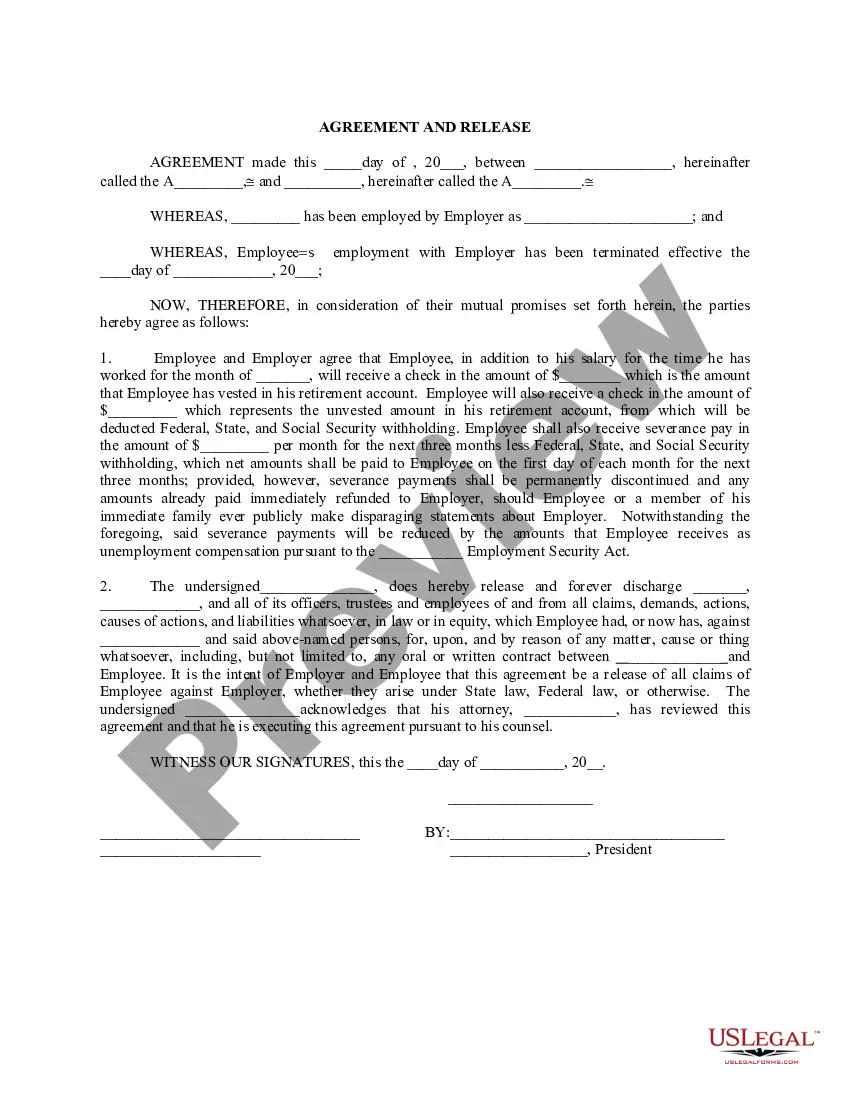
Severance Agreement Form Without An Agreement In Phoenix
Description




Form popularity
FAQ
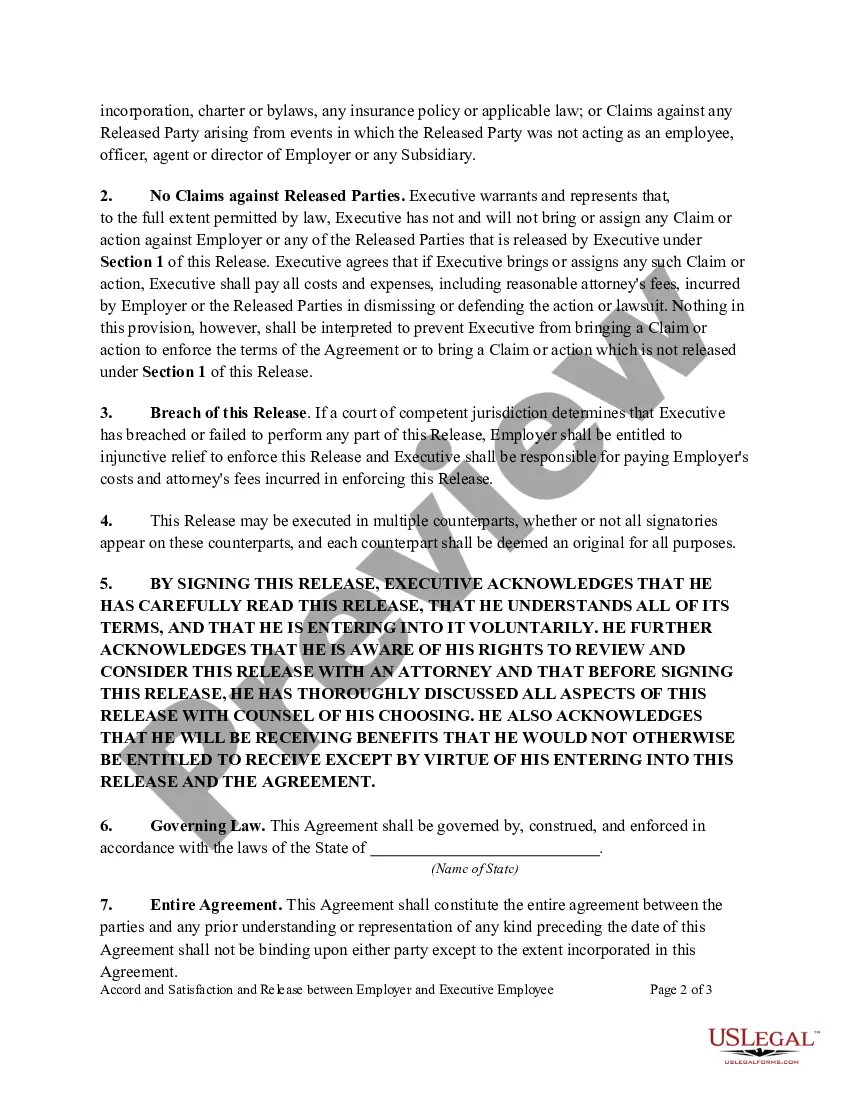
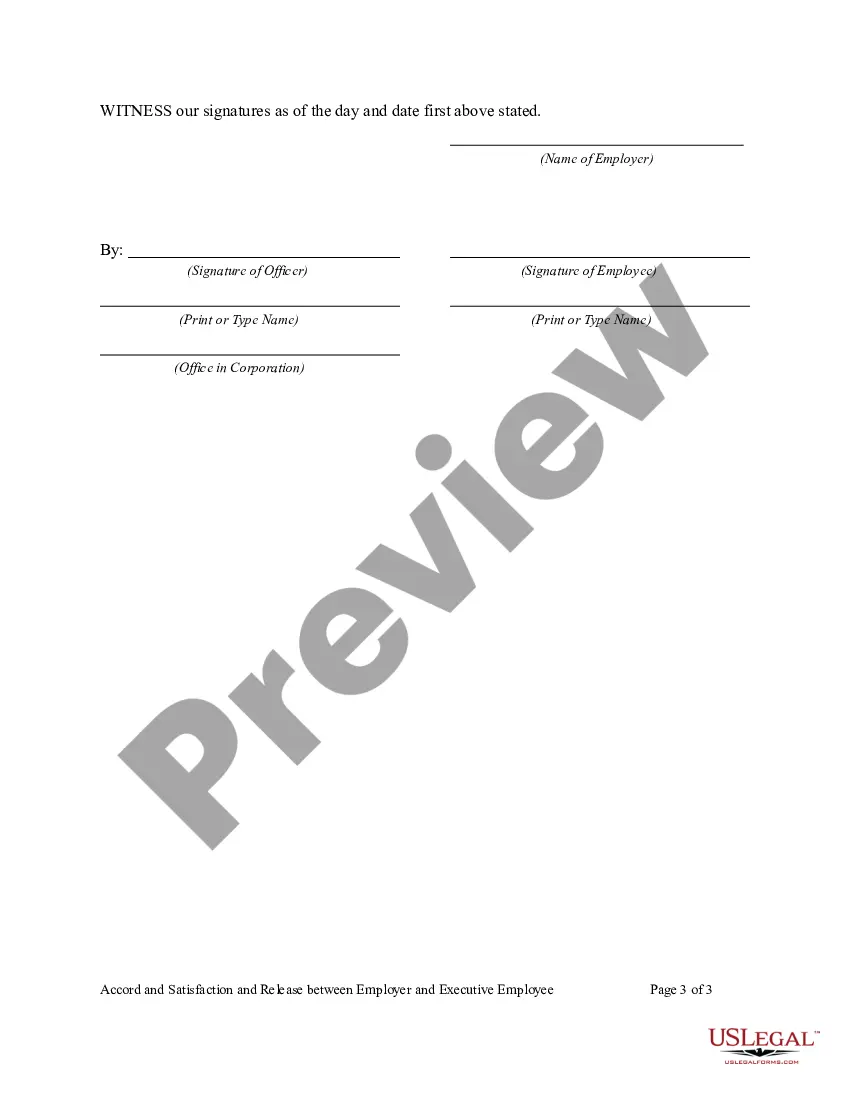
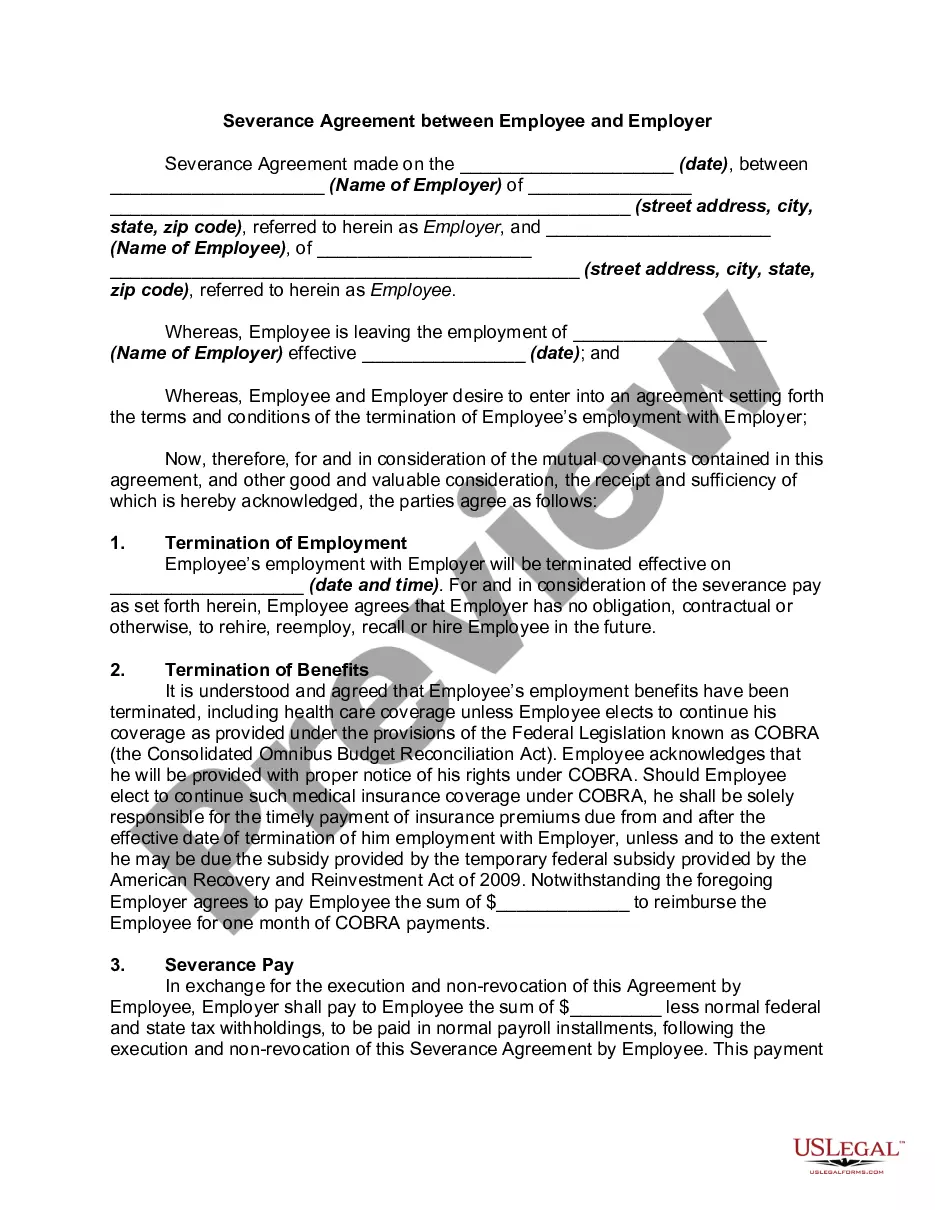
You and your employer must follow certain legal formalities for a severance agreement to be enforceable. You must ensure that the agreement is in writing and that your employer has signed it. Sometimes, you might also need a witness or have it notarized. Failing to adhere to these formalities can void the agreement.
There is no requirement to provide severance in the US and if you were terminated for cause a company generally would not provide it. In general severance is only provided when a company does something like lay you off because of financial conditions or restructuring (if even then).
These include financial drawbacks such as loss of steady income and potential loss of benefits, as well as the uncertainty of future job prospects and impact on retirement savings and benefits.
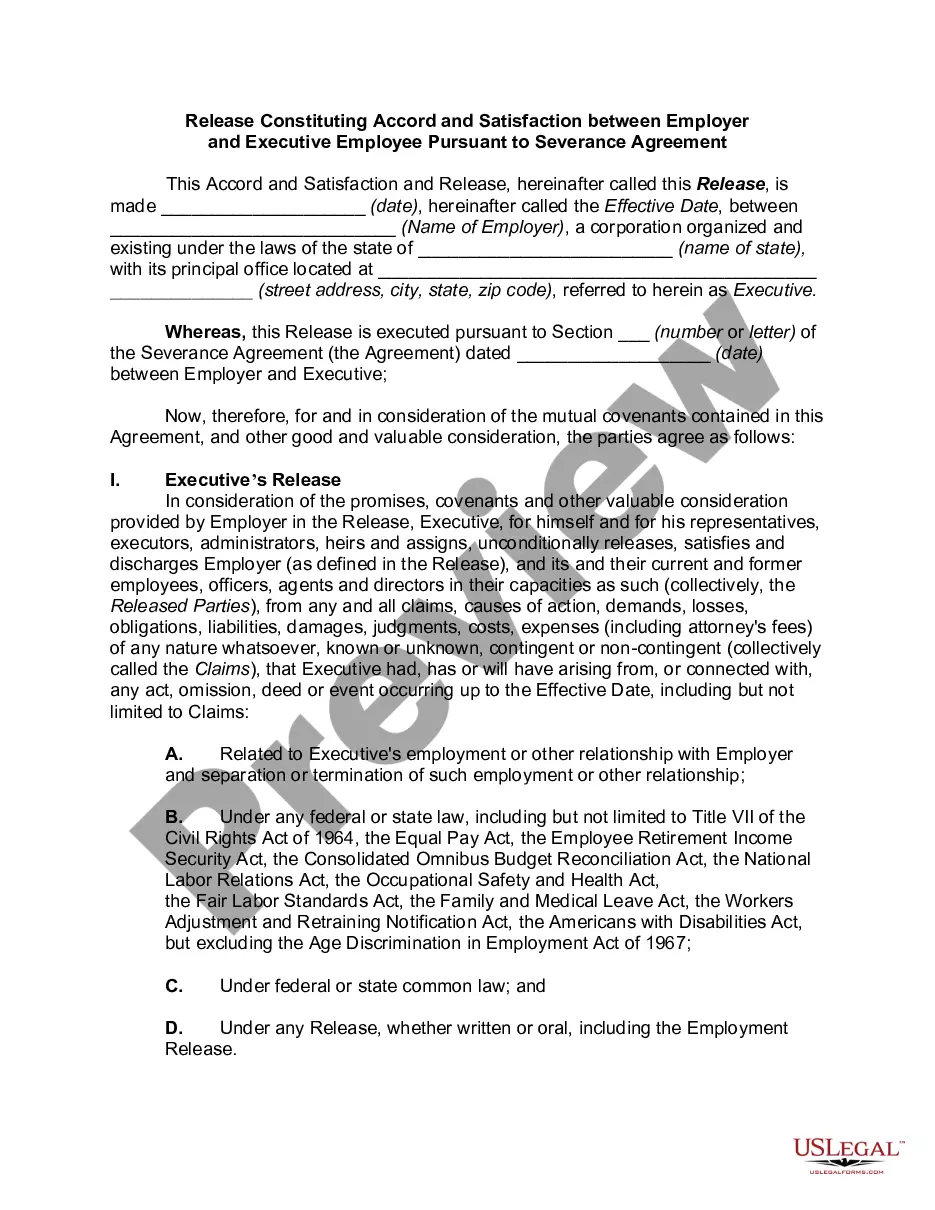
Severance packages are intended to help ease the transition out of your terminated position. But while a severance package offer can be a great benefit, it can be important to give any offer careful consideration before accepting it because it is a contract between you and the company.
What is the downside to severance? The downside to severance includes financial drawbacks such as loss of steady income, potential loss of benefits, and uncertainty about future job prospects, as well as the impact on retirement savings and benefits.
Adam Neumann, the main founder of WeWork, negotiated a ~$1.7 billion severance package from SoftBank, operator of the Vision Fund, the largest venture capital fund in the world.
How to Structure a Severance Agreement Determine Eligibility: Decide which employees will be offered a severance agreement based on company policy or specific circumstances. Consult Legal Counsel: Work with an attorney to draft the agreement to ensure compliance with federal and state laws.
Keep it professional. Use business reasons, such as your performance record or time with the company, when negotiating the terms of your severance package rather than personal details, such as having a baby or buying a house. Be wary of non-compete clauses.
“If any term of this Agreement is to any extent invalid, illegal, or incapable of being enforced, such term shall be excluded to the extent of such invalidity, illegality, or unenforceability; all other terms hereof shall remain in full force and effect.”