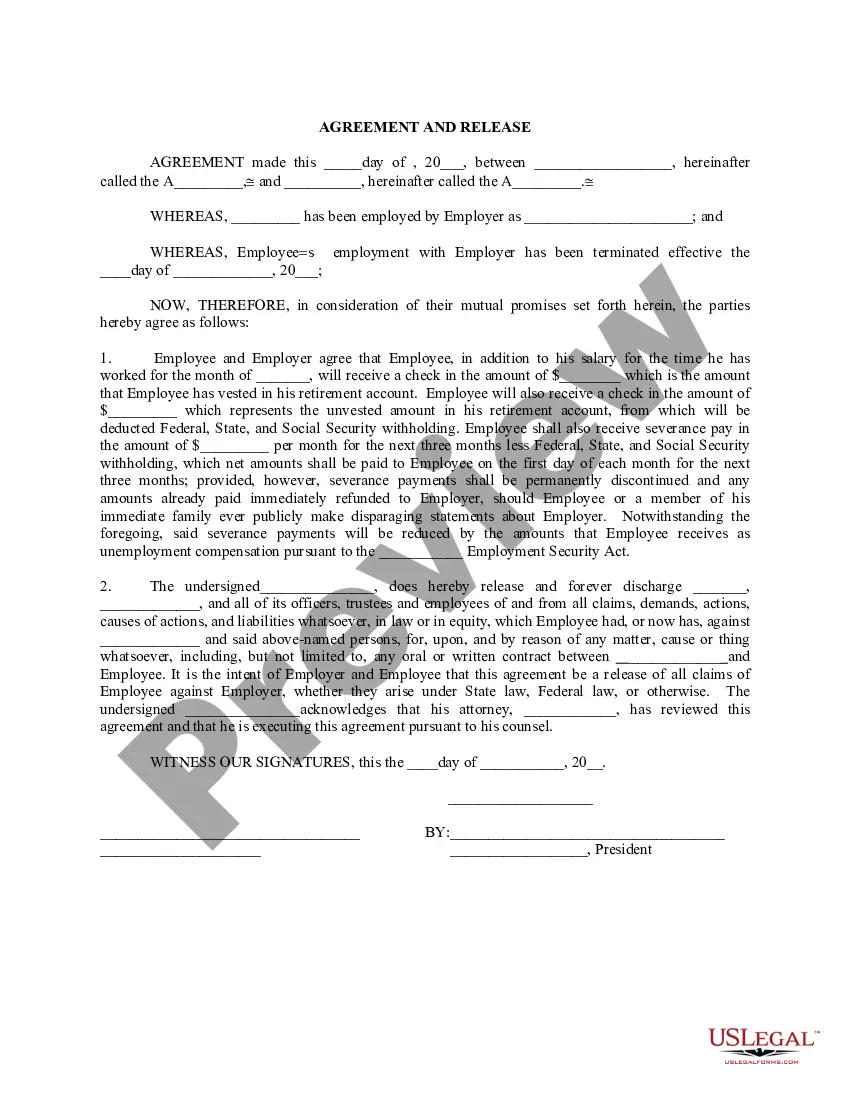
Severance Agreement Form With Non Compete In Phoenix
Description

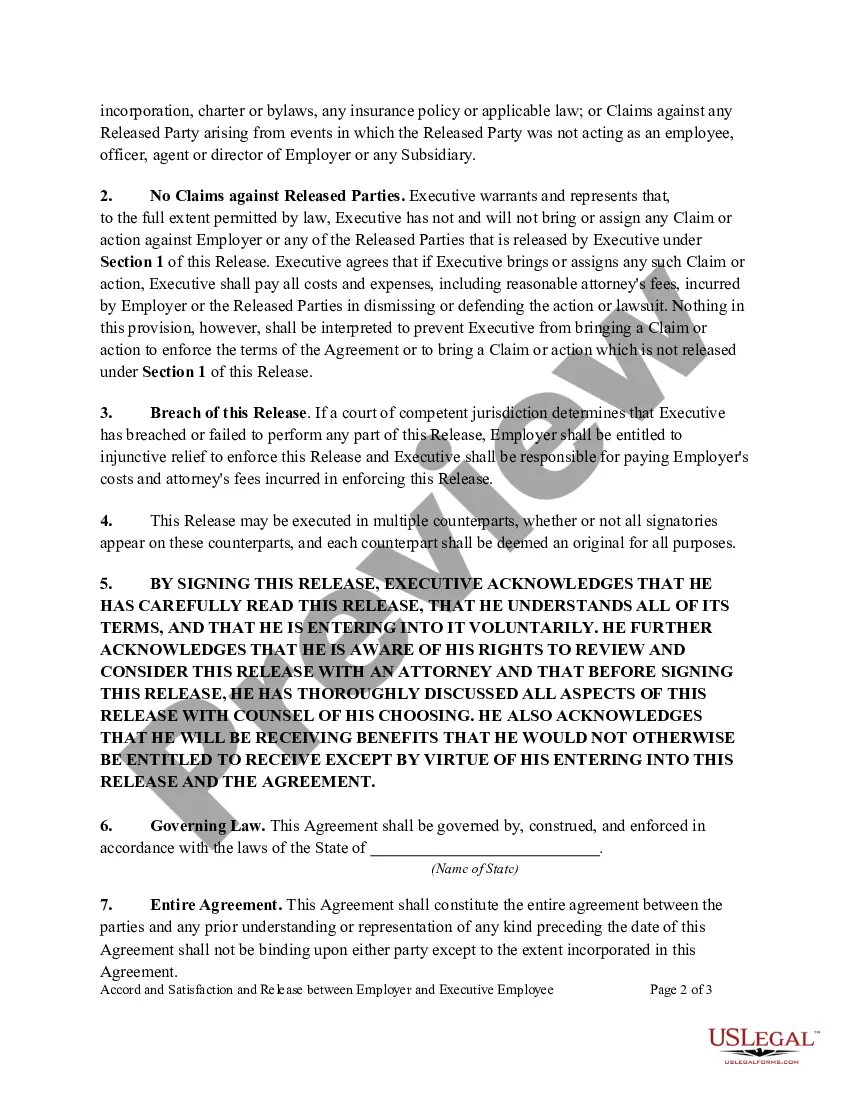
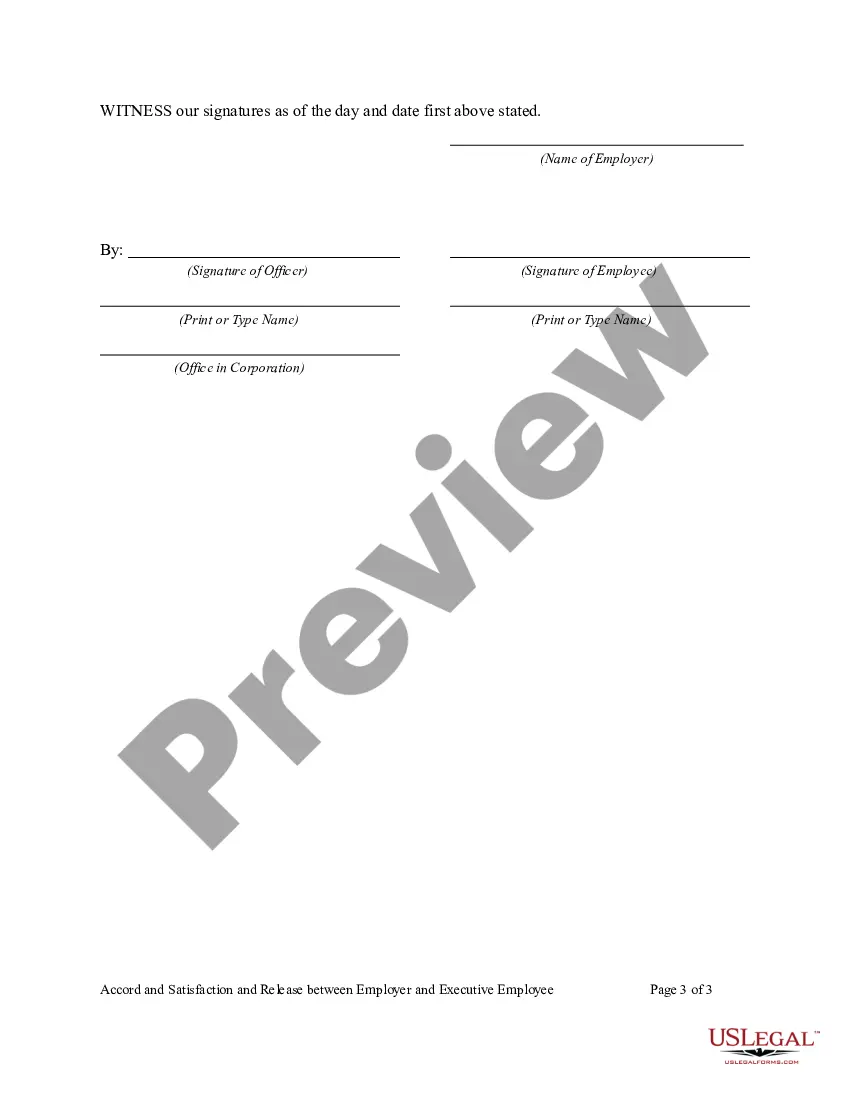
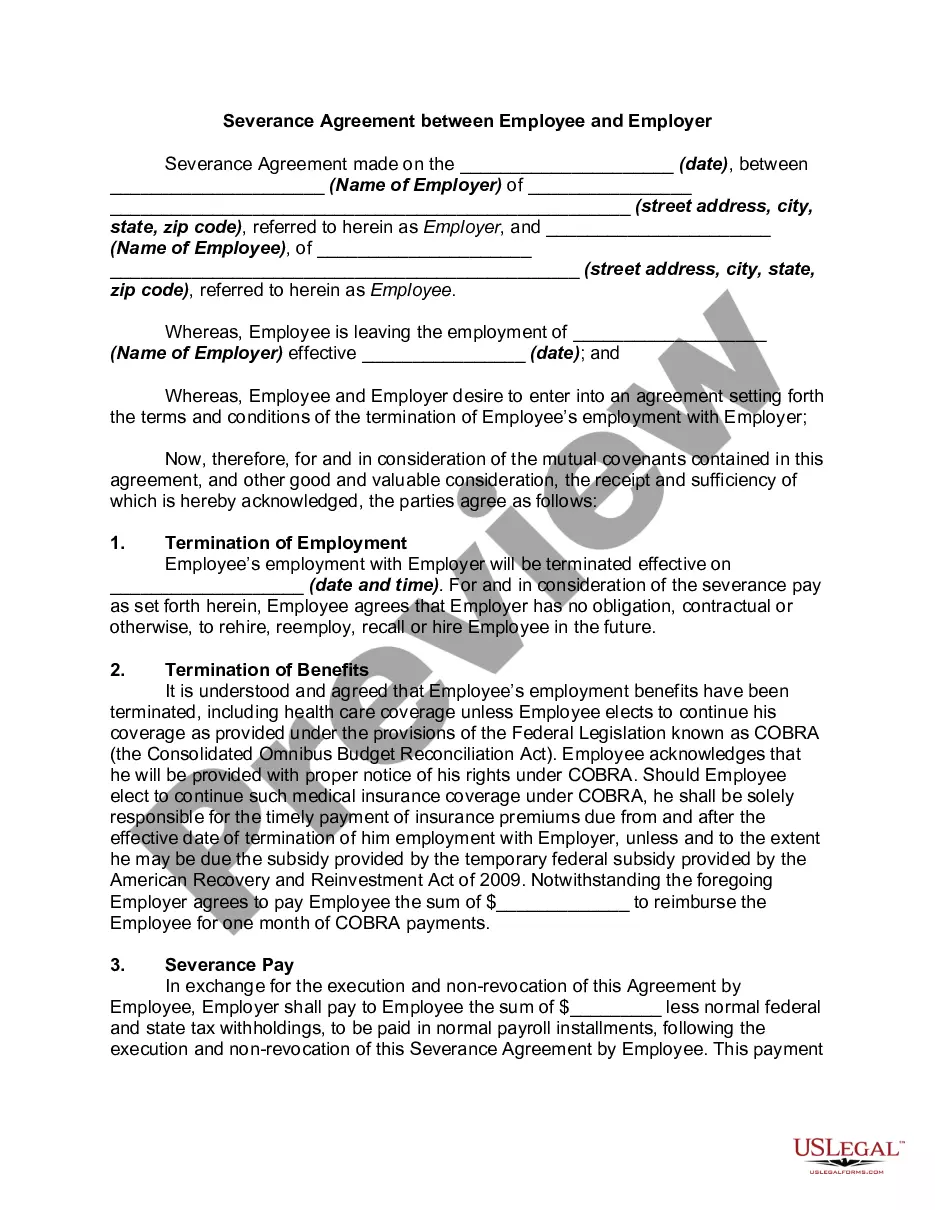
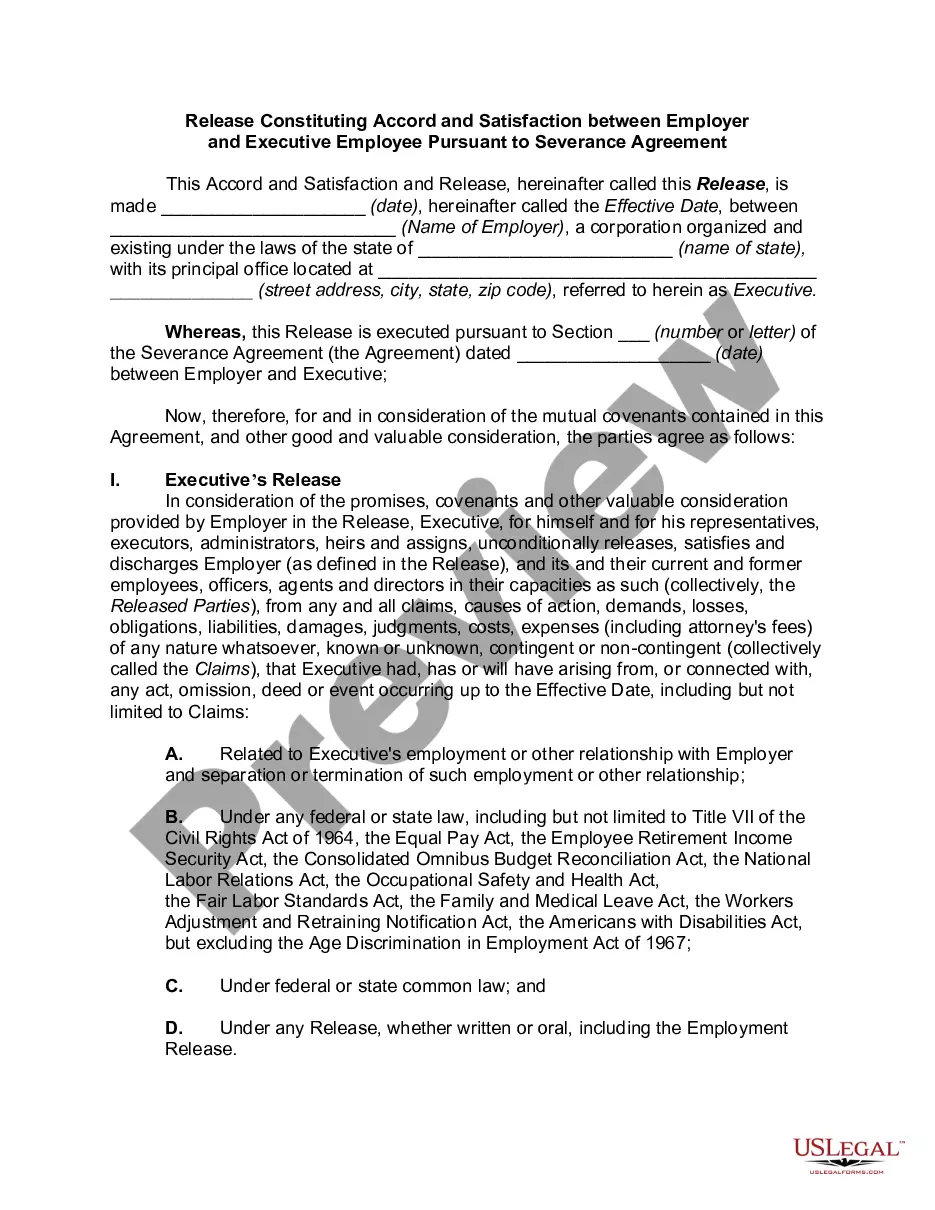
Get your form ready online
Our built-in tools help you complete, sign, share, and store your documents in one place.
Make edits, fill in missing information, and update formatting in US Legal Forms—just like you would in MS Word.
Download a copy, print it, send it by email, or mail it via USPS—whatever works best for your next step.
Sign and collect signatures with our SignNow integration. Send to multiple recipients, set reminders, and more. Go Premium to unlock E-Sign.
If this form requires notarization, complete it online through a secure video call—no need to meet a notary in person or wait for an appointment.
We protect your documents and personal data by following strict security and privacy standards.

Make edits, fill in missing information, and update formatting in US Legal Forms—just like you would in MS Word.

Download a copy, print it, send it by email, or mail it via USPS—whatever works best for your next step.

Sign and collect signatures with our SignNow integration. Send to multiple recipients, set reminders, and more. Go Premium to unlock E-Sign.

If this form requires notarization, complete it online through a secure video call—no need to meet a notary in person or wait for an appointment.

We protect your documents and personal data by following strict security and privacy standards.
Looking for another form?





Form popularity
FAQ
Yes, a non-compete agreement stands even if the company lays you off. Under the Florida Statute, these agreements are enforceable if they protect legitimate business interests.
If an employee was terminated for reasons that violate California public policy—such as whistleblowing, reporting illegal activity, or refusing to engage in unlawful conduct—a wrongful termination claim may still be valid, regardless of the release agreement.
The following are the most common ways to get out of a non-compete agreement: Determine that the terms of the contract do not in fact prevent you from a desired course of action. Recognize when a non-compete contradicts the law. Negotiate a release agreement with the involved parties. Ignore the agreement.
Severance agreements can be challenged on grounds of unconscionability or duress. Unconscionability refers to terms that are so one-sided or oppressive that they shock the conscience.
It is generally unlawful in California for an employer's severance agreement to state that you may not compete against the employer in a future job.
It is generally unlawful in California for an employer's severance agreement to state that you may not compete against the employer in a future job.
Federal Ruling Overview As a result, the rule, which was set to take effect on September 4, 2024, is void, and existing non-compete agreements remain enforceable under federal law.
Negotiating with your new employer If your old employer won't compromise, you could also ask your new employer if they can give you a different job until the restriction you agreed to runs out. This could be either a different kind of job or a different location - that way you won't be breaking the restriction.
Noncompete agreements in Arizona are perfectly legal and will be enforced when they meet certain conditions. Arizona courts will uphold reasonable noncompete agreements that don't restrict employees for too long or from too far away.