Severance Agreement Form With Cobra In Orange
Description

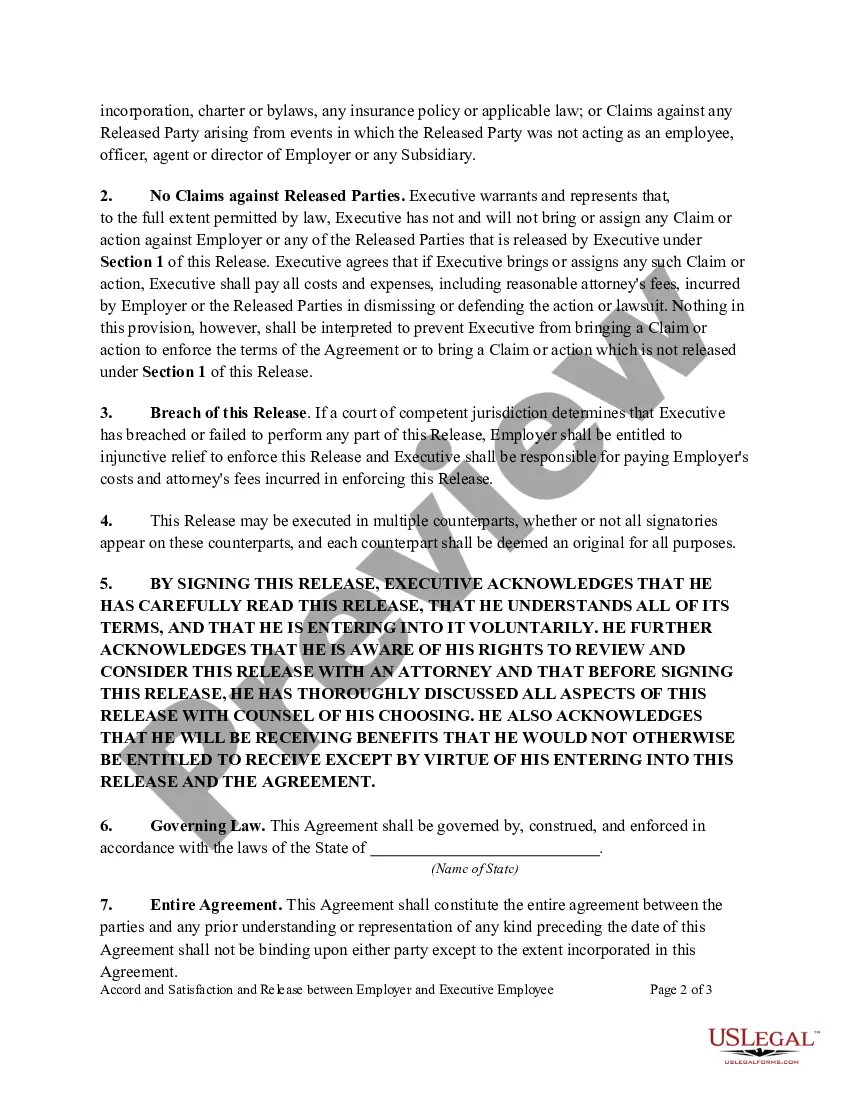
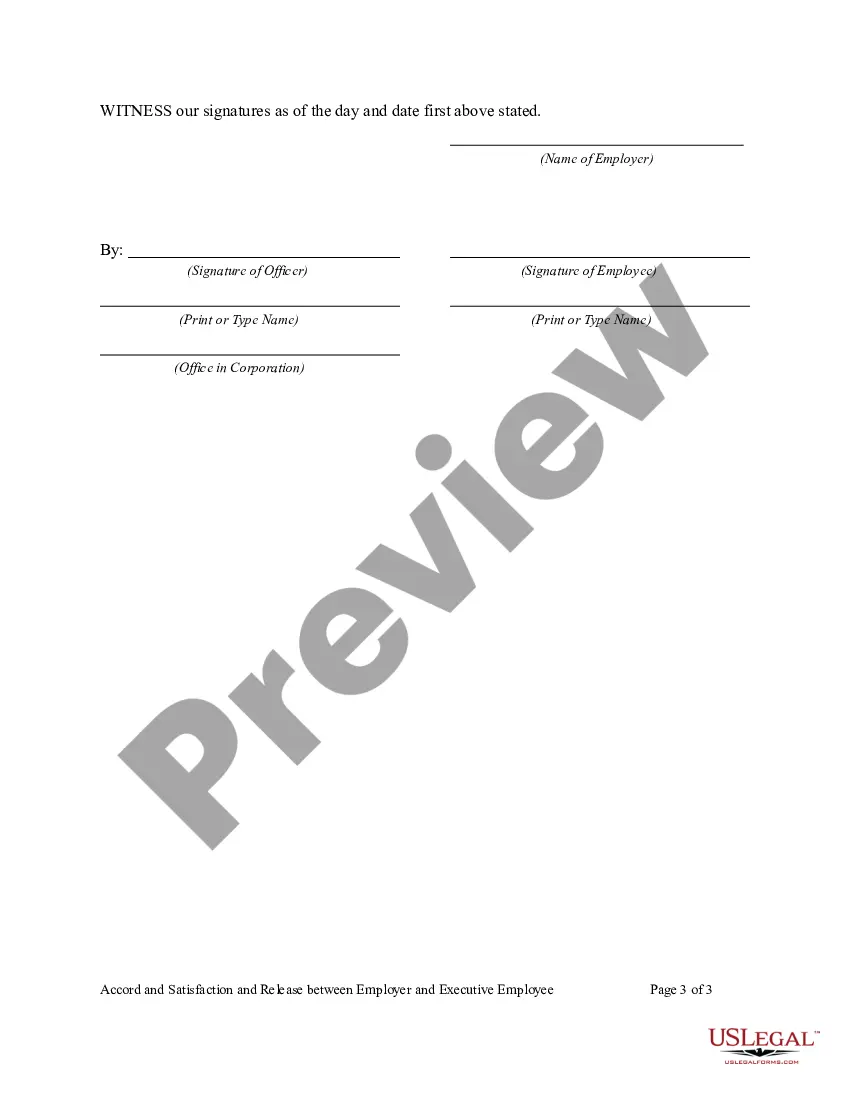
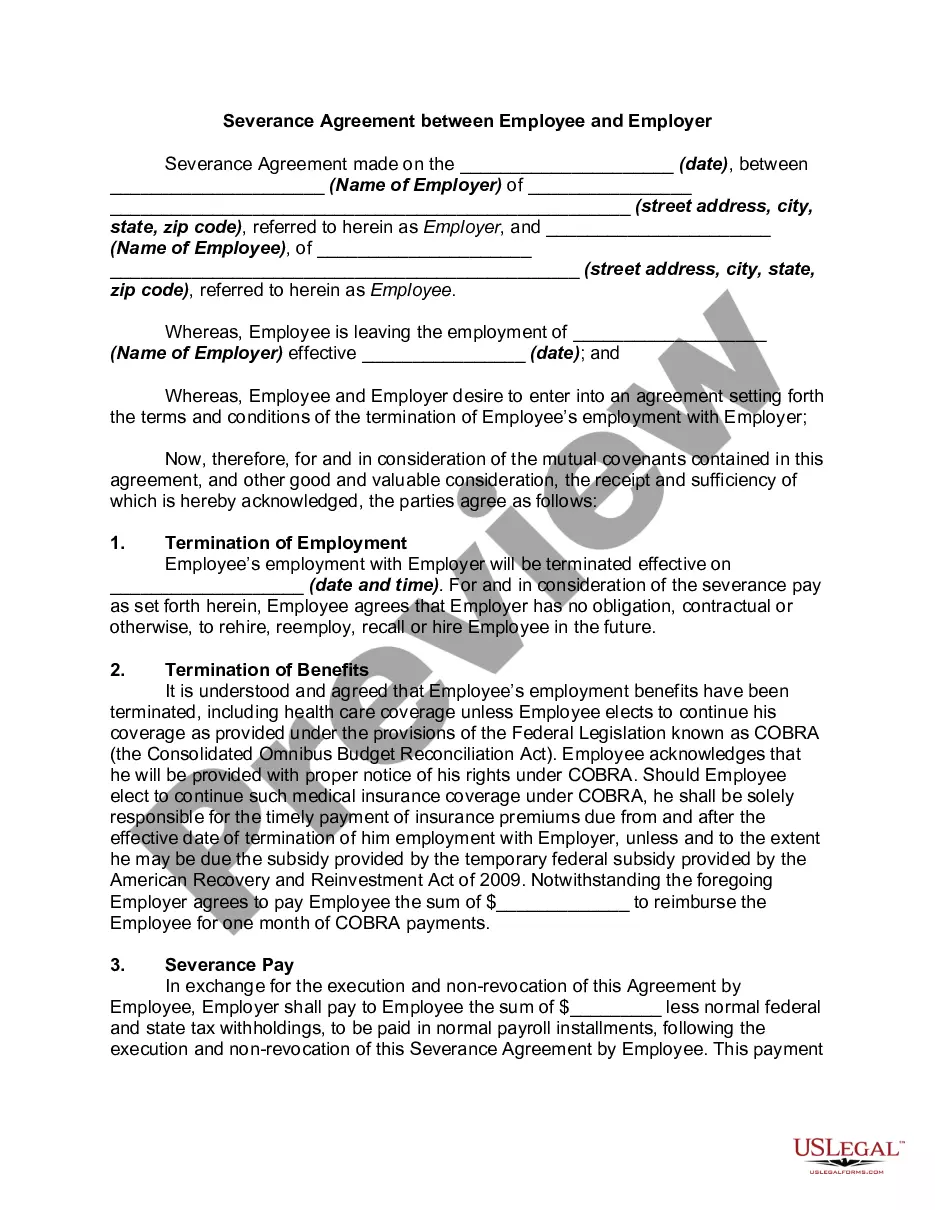
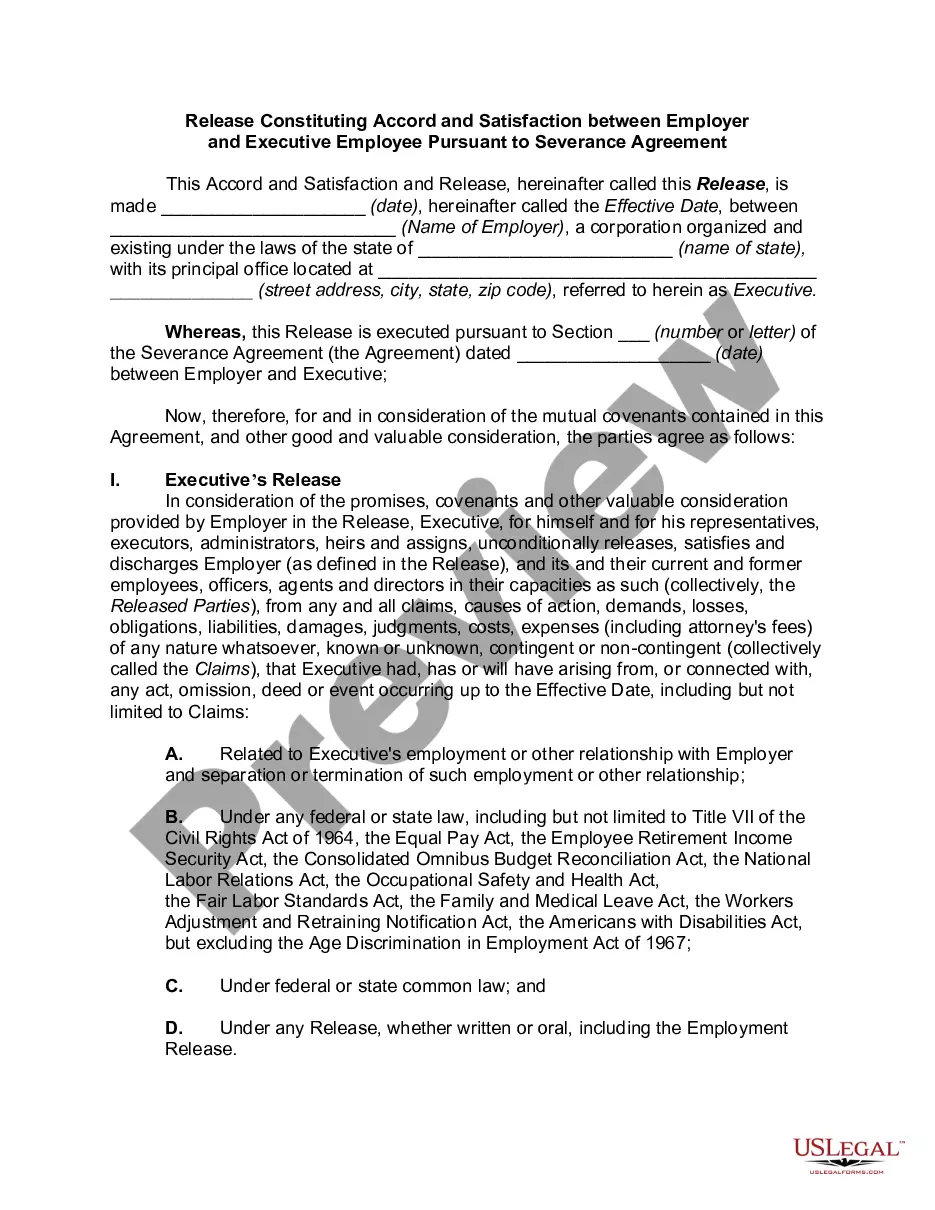
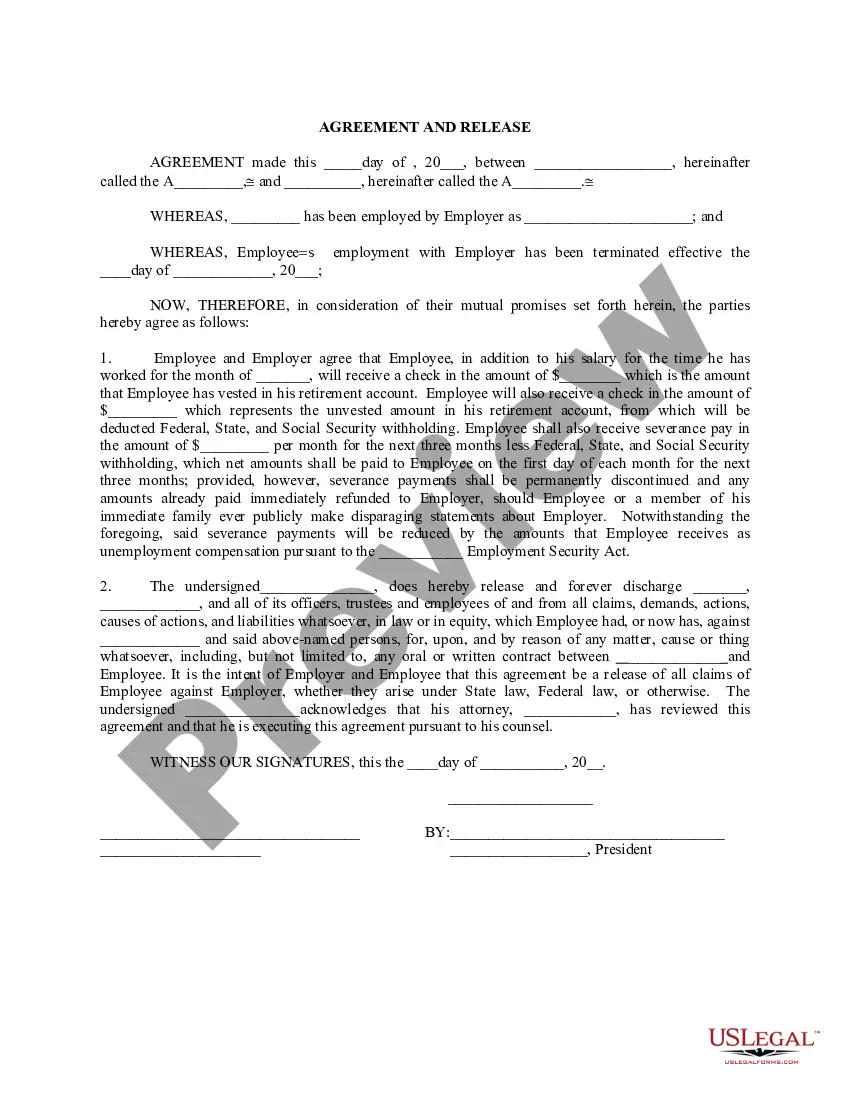
Get your form ready online
Our built-in tools help you complete, sign, share, and store your documents in one place.
Make edits, fill in missing information, and update formatting in US Legal Forms—just like you would in MS Word.
Download a copy, print it, send it by email, or mail it via USPS—whatever works best for your next step.
Sign and collect signatures with our SignNow integration. Send to multiple recipients, set reminders, and more. Go Premium to unlock E-Sign.
If this form requires notarization, complete it online through a secure video call—no need to meet a notary in person or wait for an appointment.
We protect your documents and personal data by following strict security and privacy standards.

Make edits, fill in missing information, and update formatting in US Legal Forms—just like you would in MS Word.

Download a copy, print it, send it by email, or mail it via USPS—whatever works best for your next step.

Sign and collect signatures with our SignNow integration. Send to multiple recipients, set reminders, and more. Go Premium to unlock E-Sign.

If this form requires notarization, complete it online through a secure video call—no need to meet a notary in person or wait for an appointment.

We protect your documents and personal data by following strict security and privacy standards.
Looking for another form?









Form popularity
FAQ
While no mandate requires employers to provide severance under California law, SB 331, signed into law in October 2021, introduced important provisions: Time to Review: You have a minimum of five days to review the severance agreement.
On February 21, 2023, the NLRB issued a decision stating that the language of typical Confidentiality Clauses and Non-disparagement Clauses are illegal because they infringe on an employee's right to organize (form a union) or help other employees organize.
Non-waivable claims: Certain claims, such as workers' compensation and unemployment insurance claims, cannot be waived by the employee. No prevailing party and attorney's fees: Ensure that the agreement does not include provisions that would allow either party to claim attorney's fees if legal disputes arise.
As an HR team, you should notify the employee of a time to meet face-to-face. During the meeting, you should clearly outline the reason for termination and get right to the point. Present the employee with the severance agreement, worked on by your HR manager, and walk through each section.
All you can do is ask. They'll probably say no but you're bound by the companies severance policy/program but legally it's not a required benefit. BUT keep in mind the company wants you to sign that agreement at the end of the day so you could get more. You could try and use trigger words during your conversation.
You do not get severance if you quit. Nobody is automatically entitled to any severance legally, ever, unless you were hired under a contract such as a 1099 employee and you have severance written into your agreement. Standard W-2 employees usually do not get severance.
COBRA (Consolidated Omnibus Budget Reconciliation Act) If you are laid off, your employer benefits like health insurance are also terminated. However, a federal program known as COBRA (Consolidated Omnibus Budget Reconciliation Act) allows you to keep your group plan for up to 3 years after your employment ends.