Severance Termination For Cause In North Carolina
Description

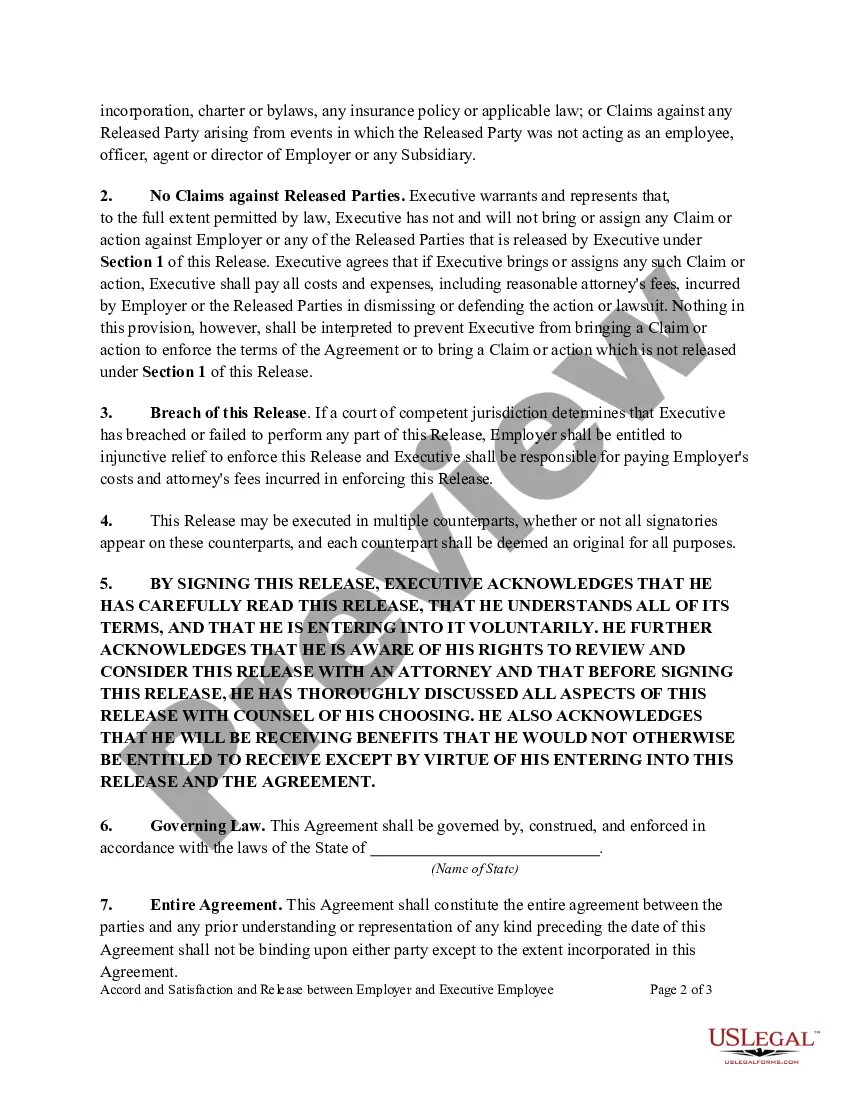
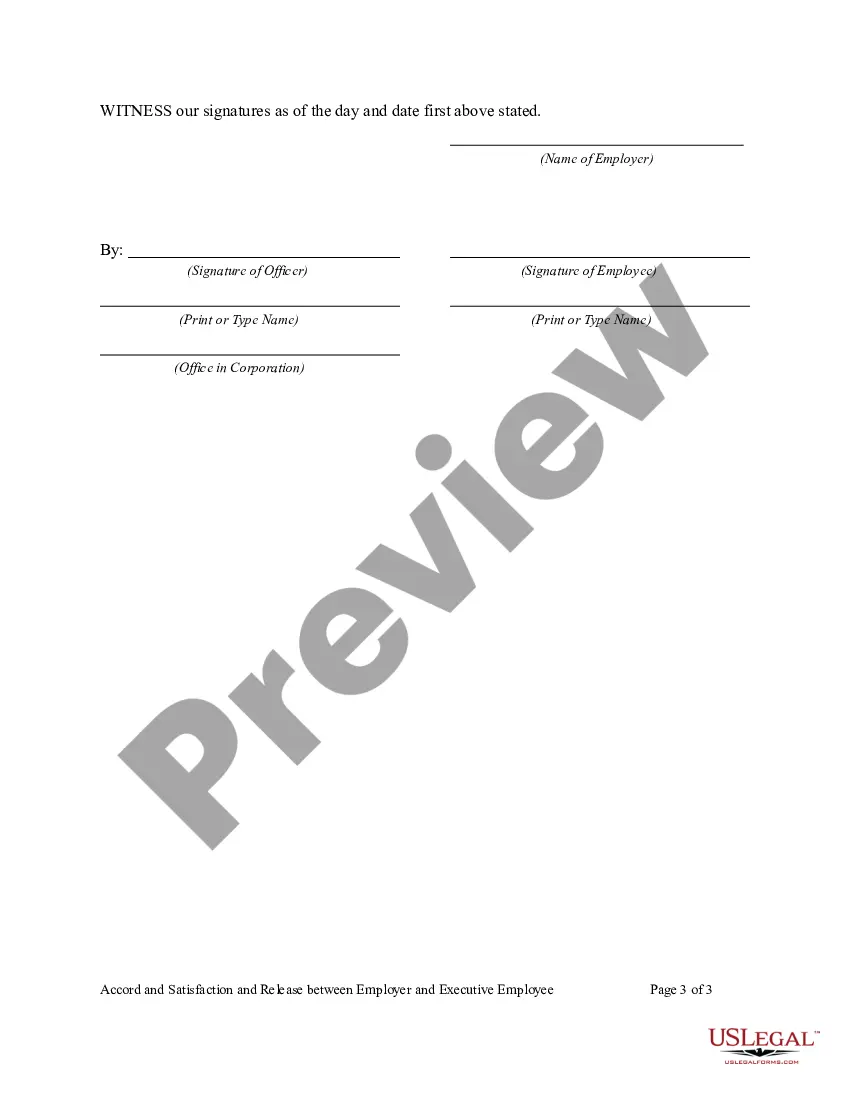
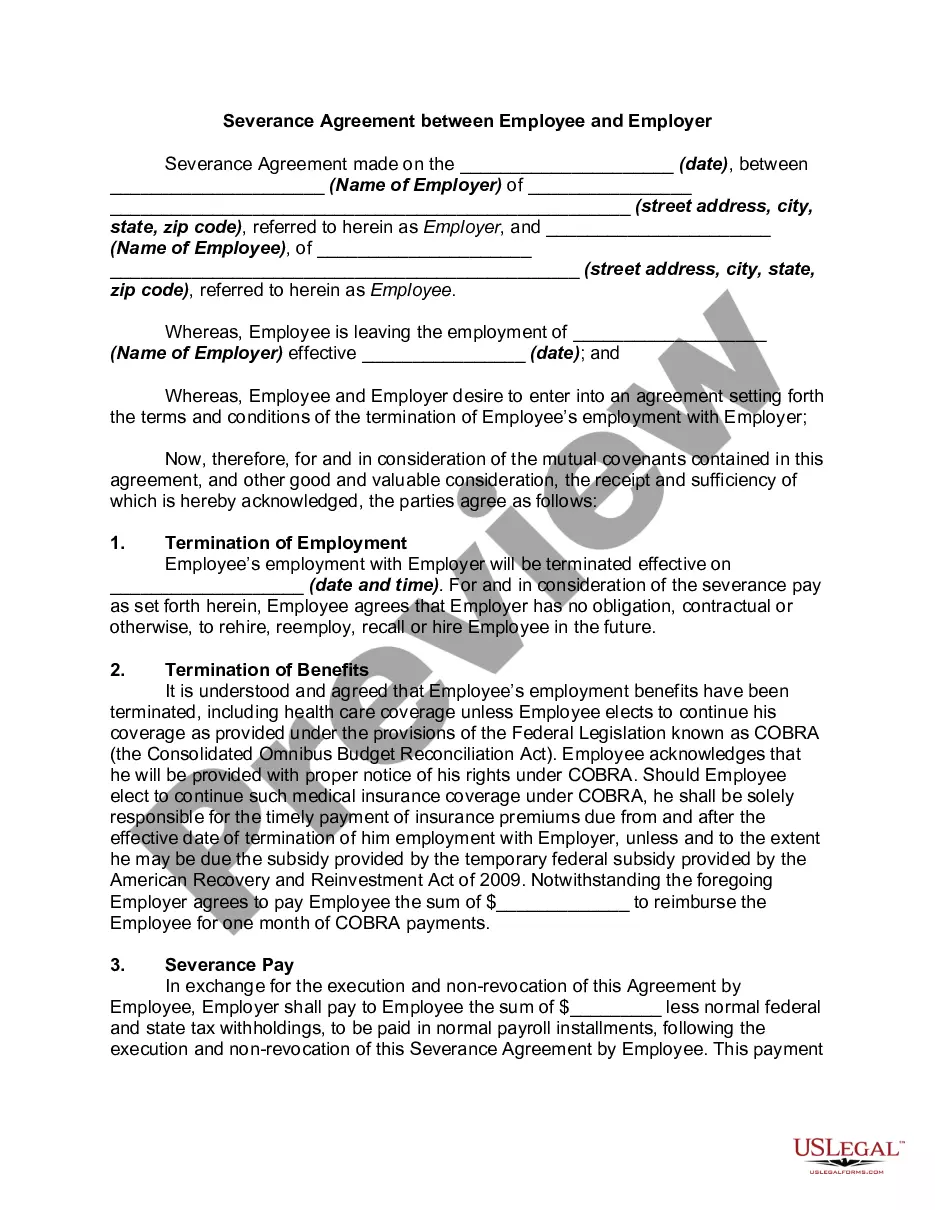
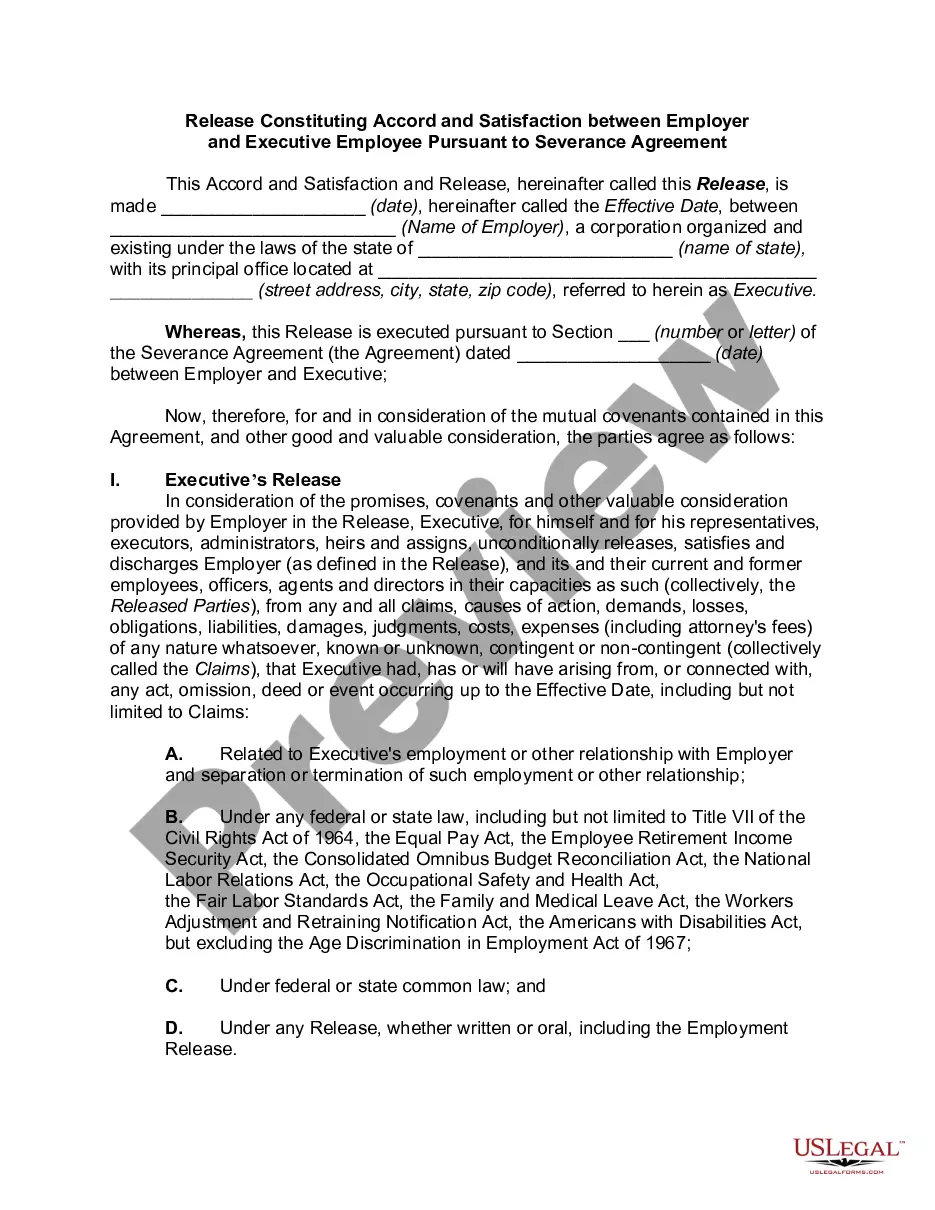
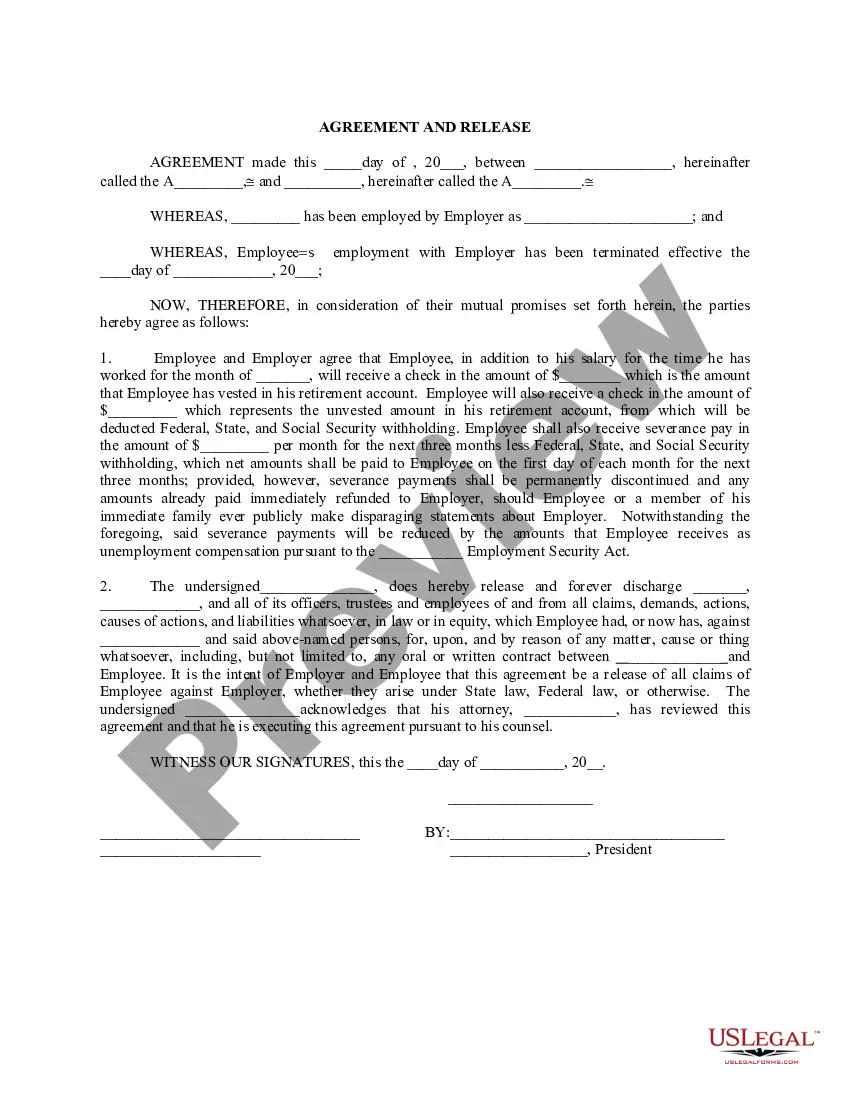
Get your form ready online
Our built-in tools help you complete, sign, share, and store your documents in one place.
Make edits, fill in missing information, and update formatting in US Legal Forms—just like you would in MS Word.
Download a copy, print it, send it by email, or mail it via USPS—whatever works best for your next step.
Sign and collect signatures with our SignNow integration. Send to multiple recipients, set reminders, and more. Go Premium to unlock E-Sign.
If this form requires notarization, complete it online through a secure video call—no need to meet a notary in person or wait for an appointment.
We protect your documents and personal data by following strict security and privacy standards.

Make edits, fill in missing information, and update formatting in US Legal Forms—just like you would in MS Word.

Download a copy, print it, send it by email, or mail it via USPS—whatever works best for your next step.

Sign and collect signatures with our SignNow integration. Send to multiple recipients, set reminders, and more. Go Premium to unlock E-Sign.

If this form requires notarization, complete it online through a secure video call—no need to meet a notary in person or wait for an appointment.

We protect your documents and personal data by following strict security and privacy standards.
Looking for another form?






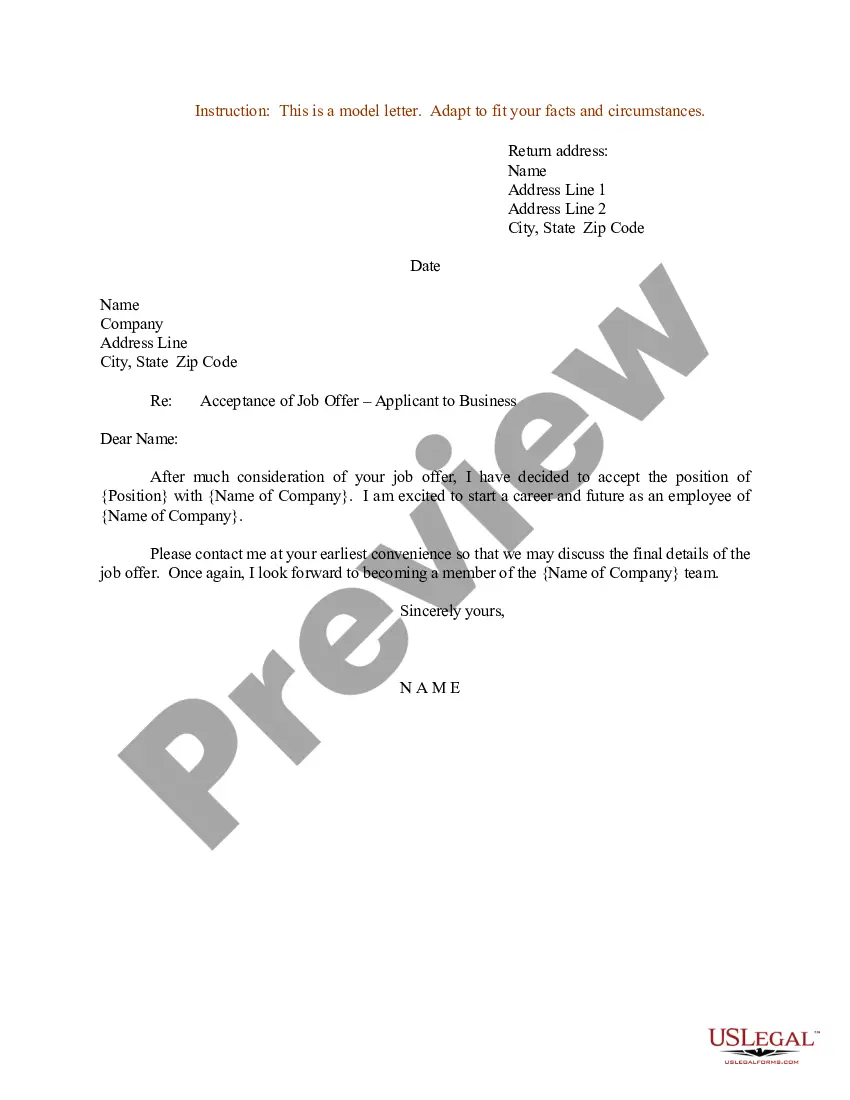


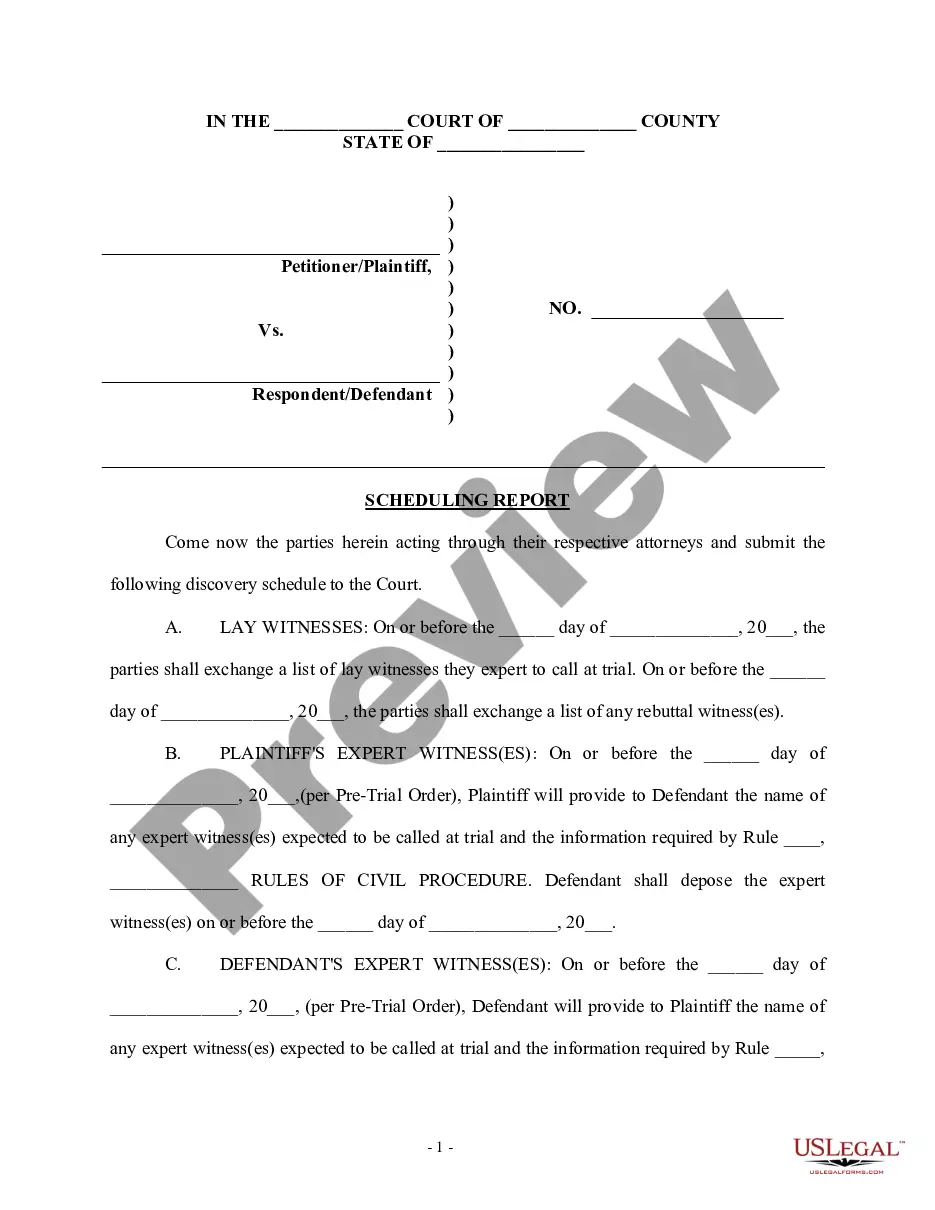
Form popularity
FAQ
Despite this, many employers in North Carolina offer severance packages to departing employees. While there are no laws requiring them to do so, providing a severance package can be beneficial for employers.
At-Will Employment North Carolina is an at-will-employment state, which means that an employer may end the employment relationship at any time and for any reason as long as it is not an otherwise unlawful reason.
Just cause usually refers to a violation of a company policy or rule. In some cases, an employee may commit an act that is not specifically addressed within the employers' policies but one of which the employer believes warrants discipline or discharge.
Just causes for termination serious misconduct or wilful disobedience; gross and habitual neglect of duty; fraud or wilful breach of trust; commission of a crime against the employer or their representatives; or. other causes analogous to the above.
Just causes refer to situations where the employee has committed acts that warrant termination due to misconduct or failure to meet obligations. These causes are well-delineated under Article 297 of the Labor Code.
Despite this, many employers in North Carolina offer severance packages to departing employees. While there are no laws requiring them to do so, providing a severance package can be beneficial for employers.
Meaning of just cause in English a morally good reason for taking a particular action: No citizen should be detained or imprisoned without just cause.
Most termination clauses are an agreement between the employer and the employee that in the event the employer elects to dismiss the employee without cause, the employee will only receive what they are entitled to under the Employment Standards Code.
When terminating an employee, you can prove termination for cause in most states under circumstances including: Drugs and Alcohol. An issue of considerable concern in the employment context is the misuse of drugs and alcohol. Criminal Behavior. Theft. Safety Violations. Excessive Absences. Policy Violations.
If you were fired because of a protected characteristic or you were fired for not responding to harassment or requiring reasonable accommodations for a disability, these are illegal and can be the basis for a wrongful termination suit.