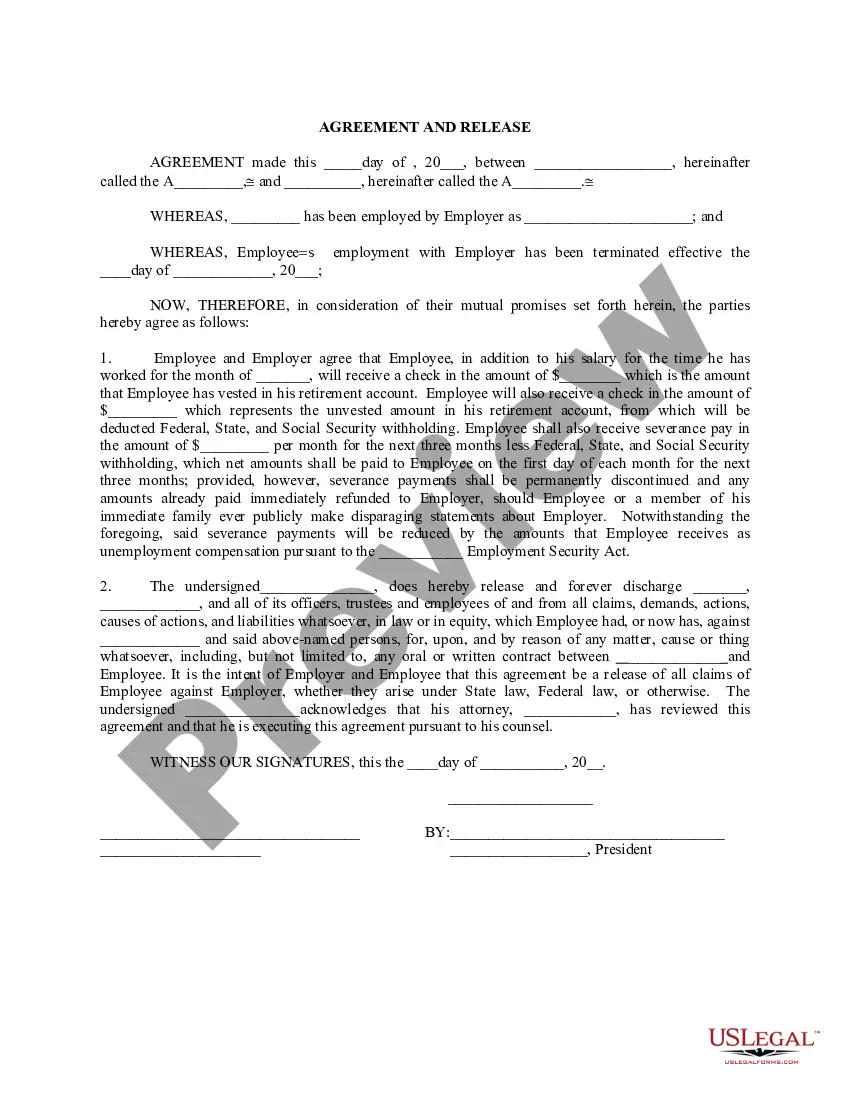
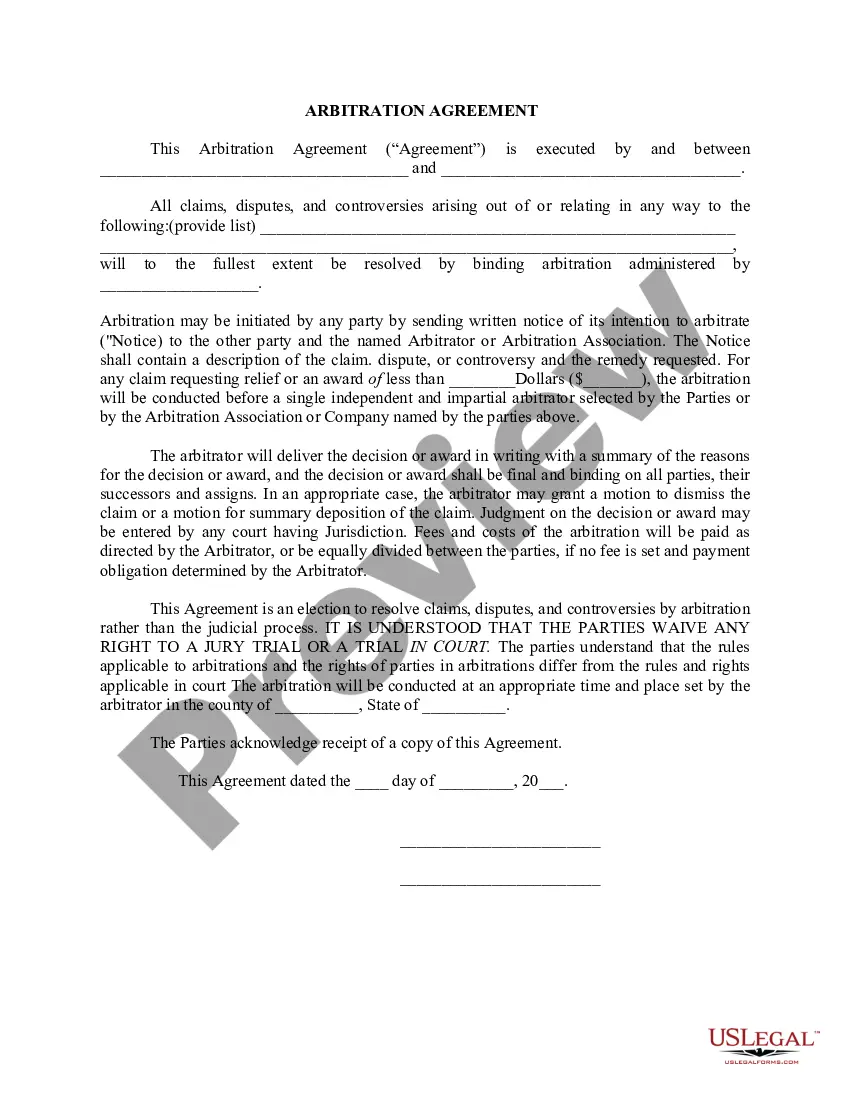
Termination Without Severance Pay In Mecklenburg
Description

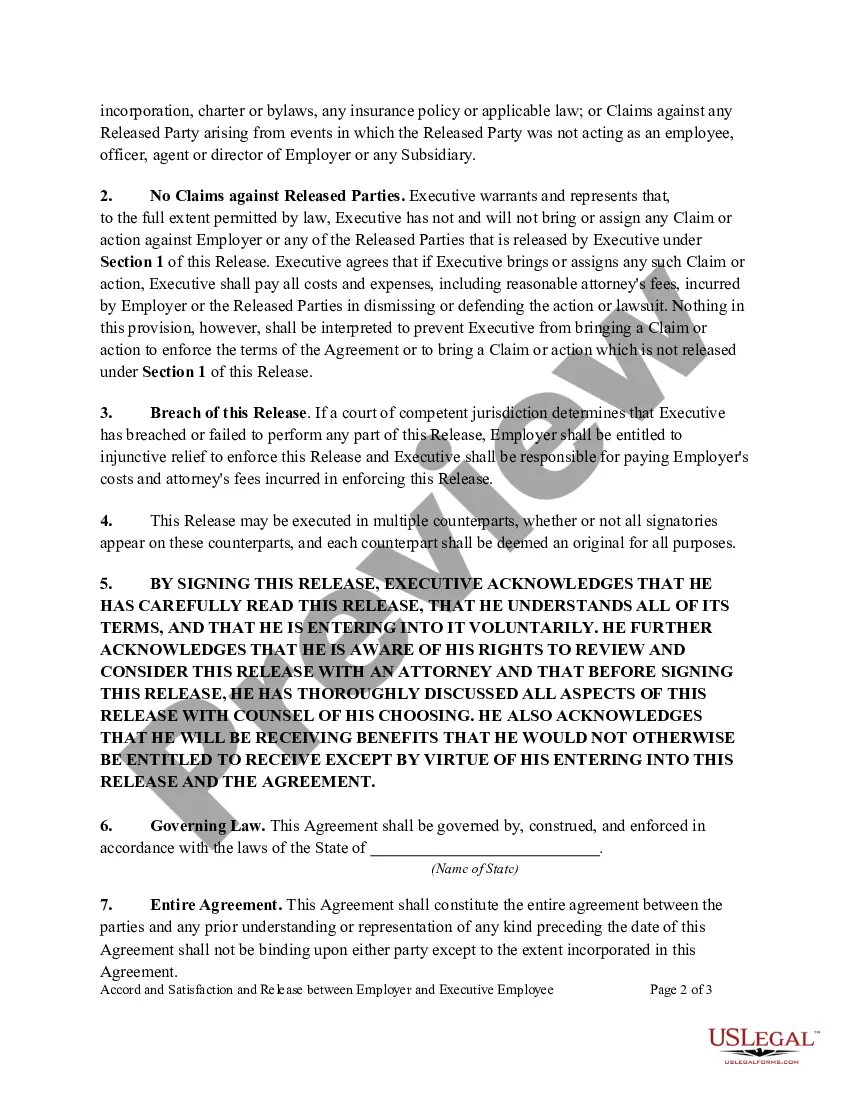
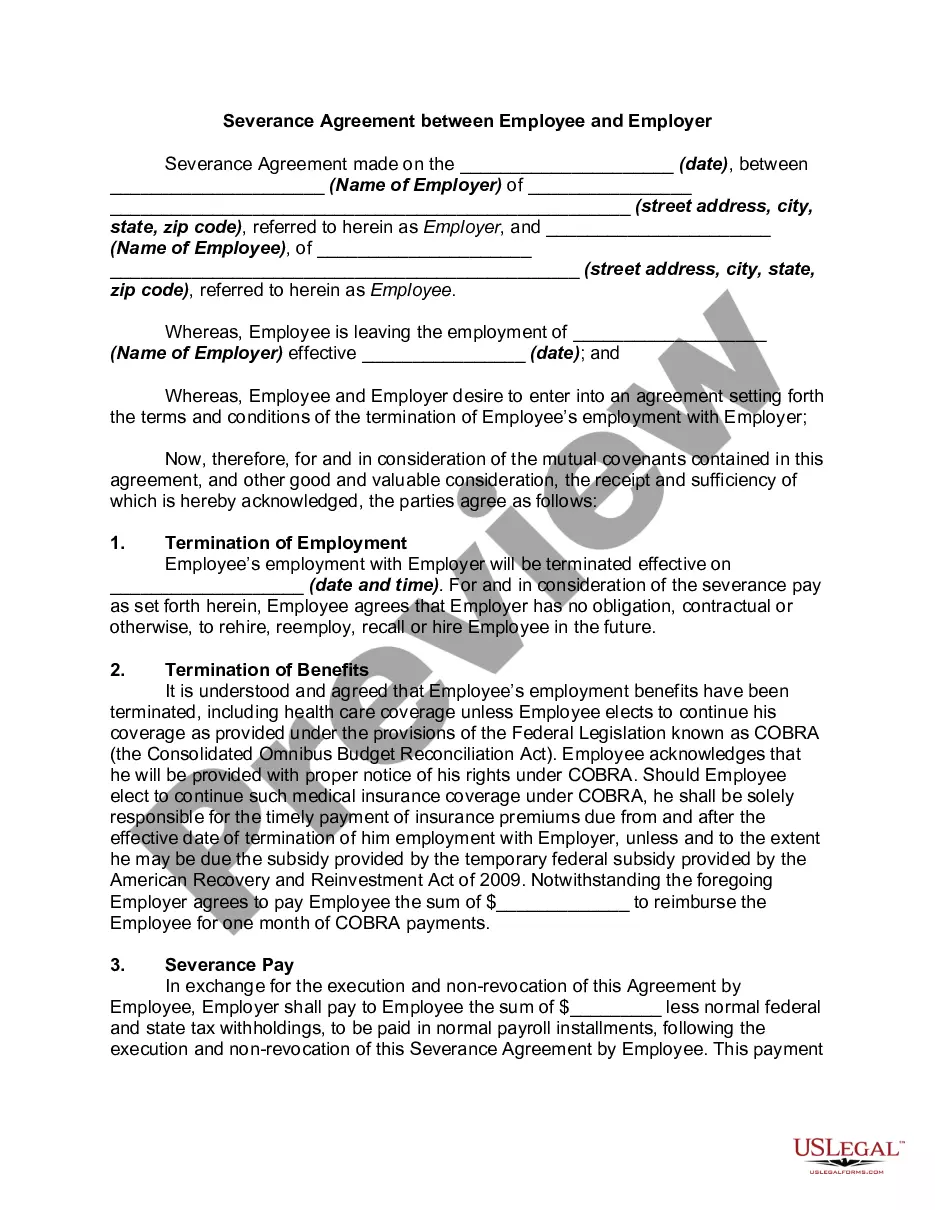
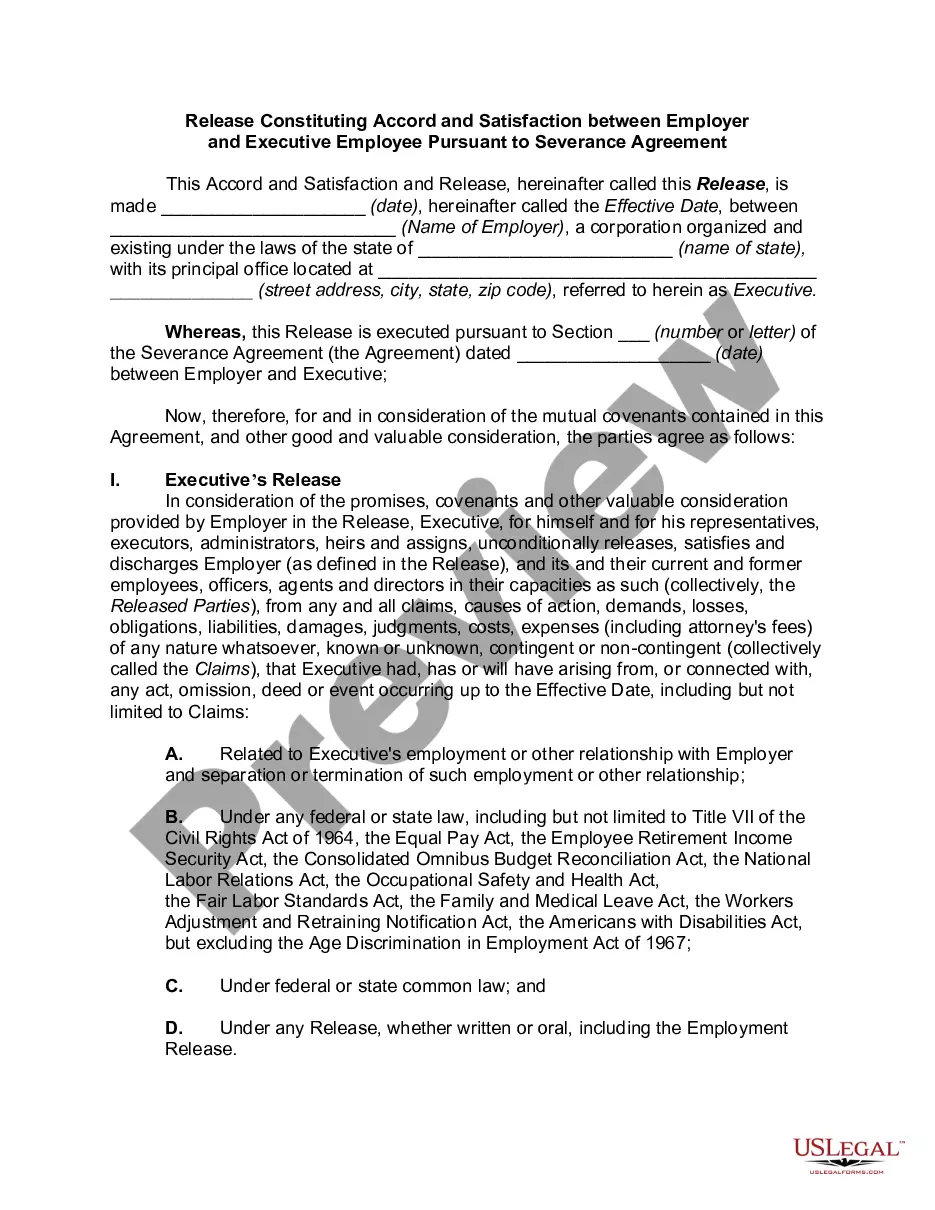
Get your form ready online
Our built-in tools help you complete, sign, share, and store your documents in one place.
Make edits, fill in missing information, and update formatting in US Legal Forms—just like you would in MS Word.
Download a copy, print it, send it by email, or mail it via USPS—whatever works best for your next step.
Sign and collect signatures with our SignNow integration. Send to multiple recipients, set reminders, and more. Go Premium to unlock E-Sign.
If this form requires notarization, complete it online through a secure video call—no need to meet a notary in person or wait for an appointment.
We protect your documents and personal data by following strict security and privacy standards.

Make edits, fill in missing information, and update formatting in US Legal Forms—just like you would in MS Word.

Download a copy, print it, send it by email, or mail it via USPS—whatever works best for your next step.

Sign and collect signatures with our SignNow integration. Send to multiple recipients, set reminders, and more. Go Premium to unlock E-Sign.

If this form requires notarization, complete it online through a secure video call—no need to meet a notary in person or wait for an appointment.

We protect your documents and personal data by following strict security and privacy standards.
Looking for another form?









Form popularity
FAQ
Dismissal due to misconduct – this is the most common form of dismissal. In this instance, the employee has done something wrong. Dismissal due to incapacity – this dismissal can take 2 forms – poor work performance or ill health. Dismissal for operational requirements – retrenchments.
Your termination could be wrongful if your employer fired you: Due to discrimination. In violation of a federal or state labor law. Because you reported and refused to participate in harassment.
It can happen for various reasons and in different forms. Voluntary termination: Voluntary termination is when an employee decides to leave the job on their own. This includes resignations and retirements. Involuntary termination: Involuntary termination happens when the employer ends the employment relationship.
In Alberta, termination “without cause” generally refers to situations where an employee is let go due to reasons unrelated to misconduct, such as business restructuring or downsizing. On the other hand, termination “for cause” occurs when an employee is dismissed due to serious misconduct such as theft or harassment.
Let's break it down with some definitions, as they pertain to U.S. employers: At-Will Employment. Voluntary Terminations. Mutual Termination of Employment. Involuntary Termination.
The two types of termination of employment are involuntary and voluntary termination. The main difference between voluntary vs. involuntary termination is that voluntary termination occurs when the employee decides to leave the workforce. In involuntary termination, the decision is made by the employer.
In Brazil, employments are at will, meaning that any party may terminate the employment agreement without cause upon the mandatory prior notice and payment of the severance. It is not necessary to mention any reason for termination, except if it is a termination with cause.