Severance Agreement Form Without Severance In Maricopa
Description

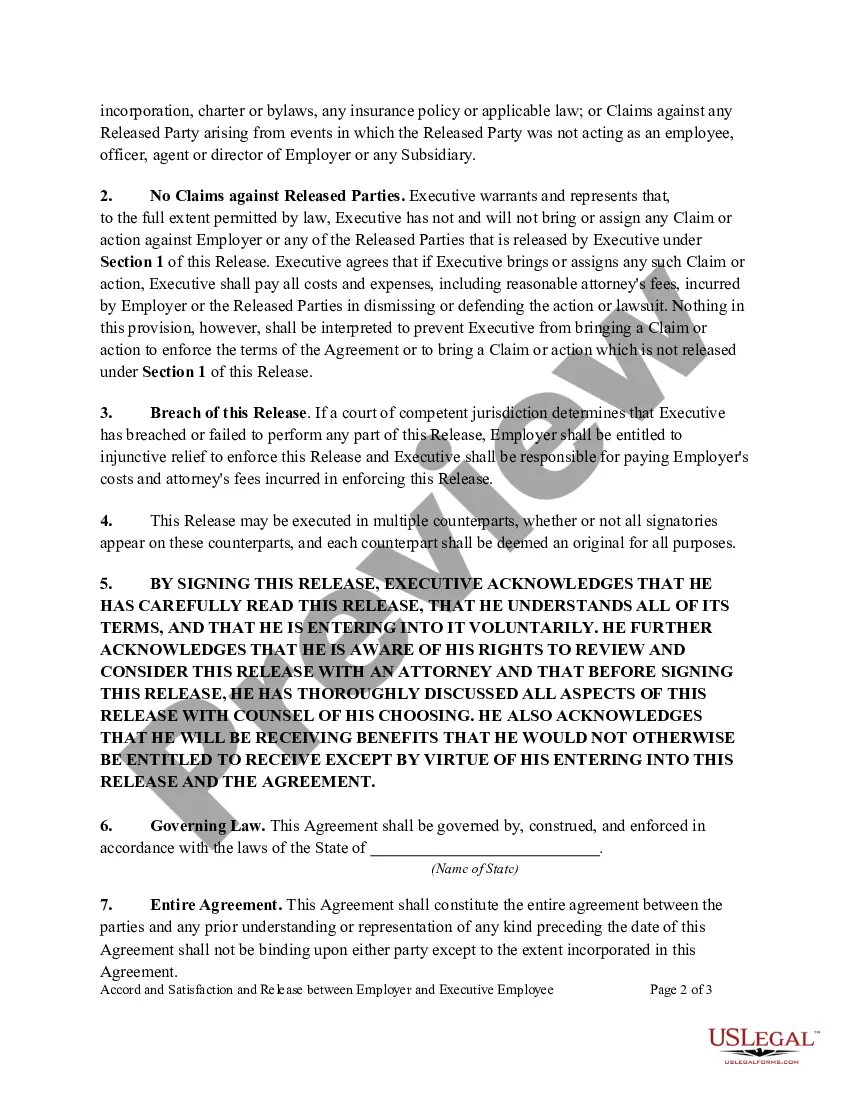
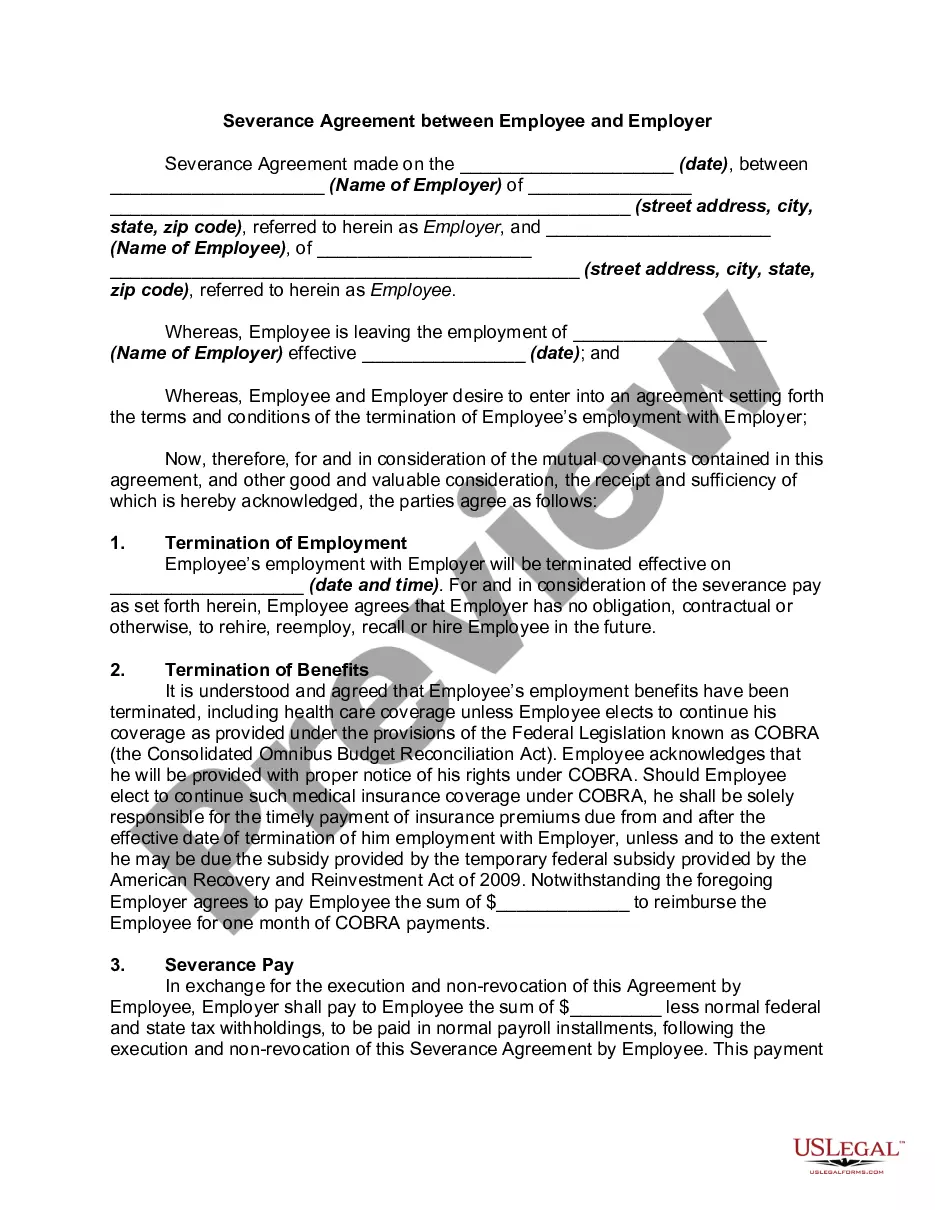
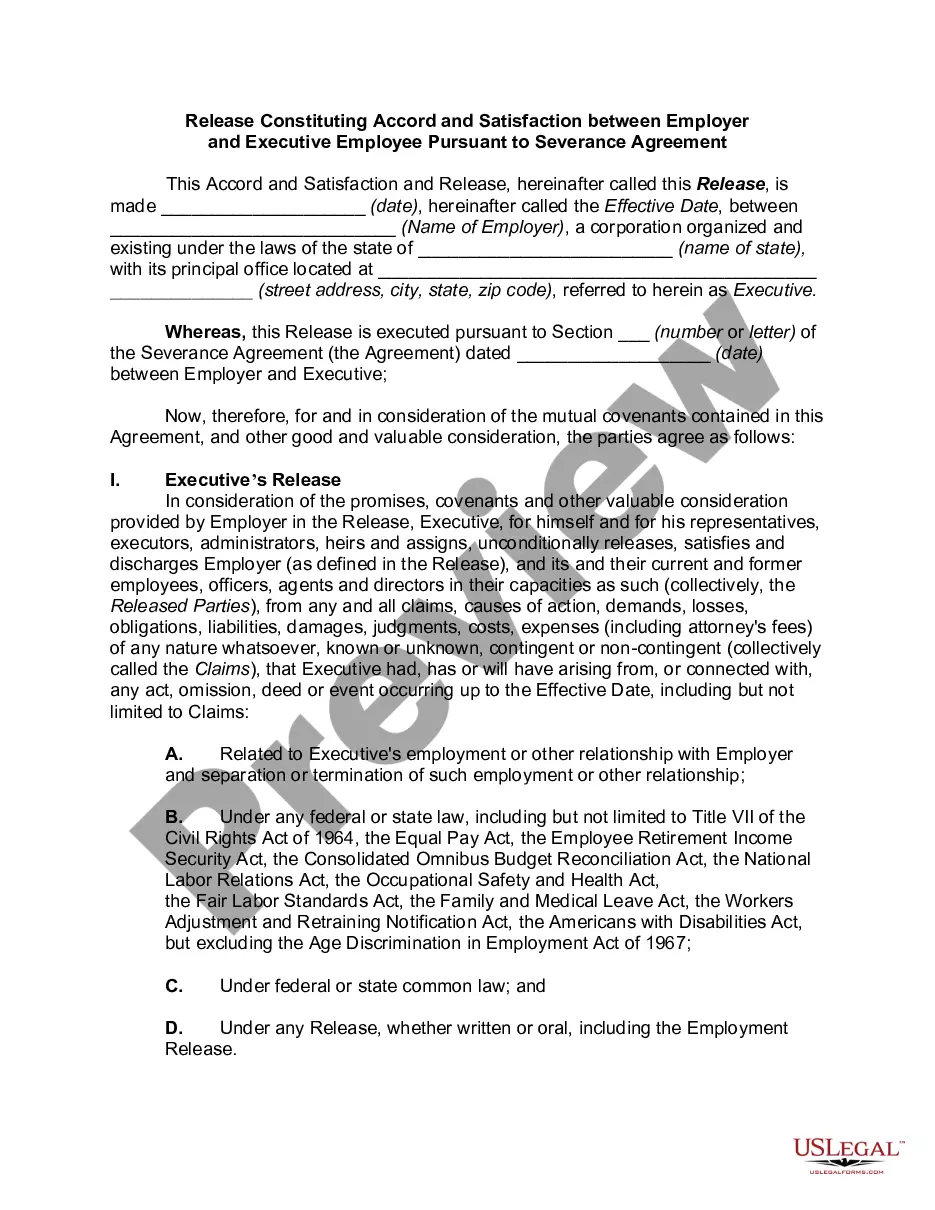
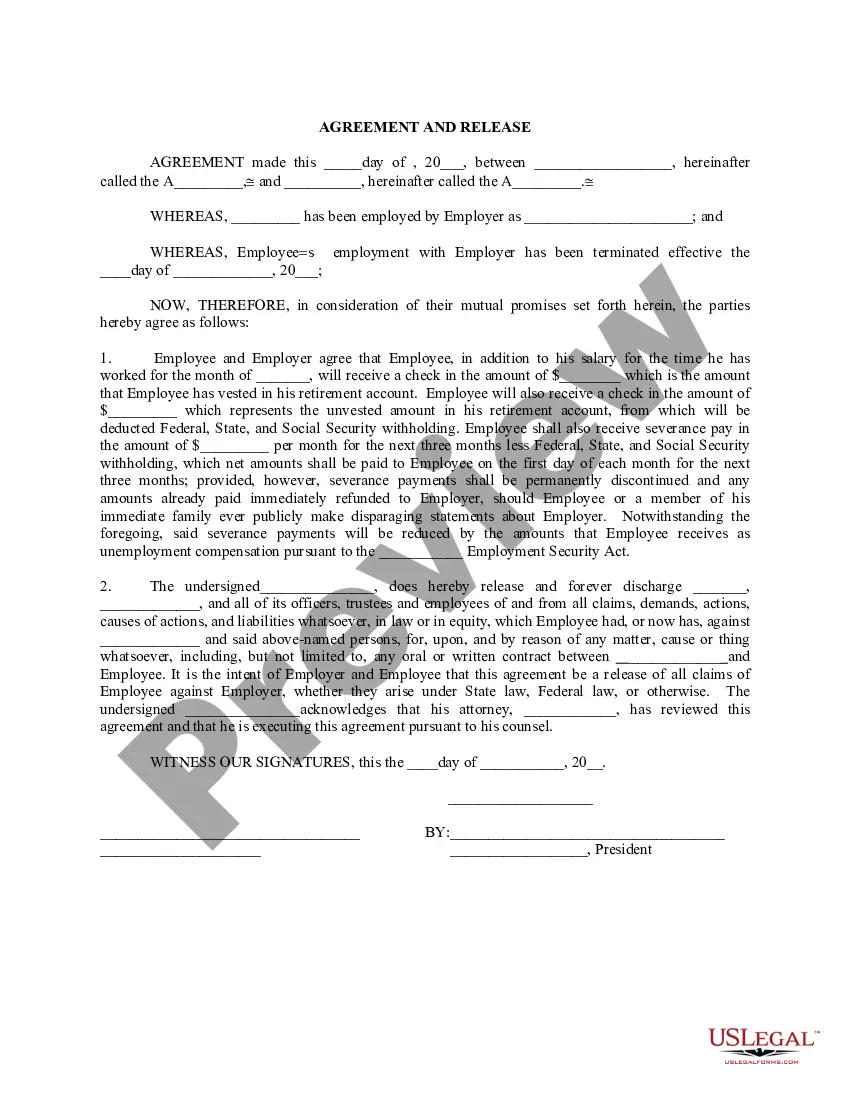
Get your form ready online
Our built-in tools help you complete, sign, share, and store your documents in one place.
Make edits, fill in missing information, and update formatting in US Legal Forms—just like you would in MS Word.
Download a copy, print it, send it by email, or mail it via USPS—whatever works best for your next step.
Sign and collect signatures with our SignNow integration. Send to multiple recipients, set reminders, and more. Go Premium to unlock E-Sign.
If this form requires notarization, complete it online through a secure video call—no need to meet a notary in person or wait for an appointment.
We protect your documents and personal data by following strict security and privacy standards.

Make edits, fill in missing information, and update formatting in US Legal Forms—just like you would in MS Word.

Download a copy, print it, send it by email, or mail it via USPS—whatever works best for your next step.

Sign and collect signatures with our SignNow integration. Send to multiple recipients, set reminders, and more. Go Premium to unlock E-Sign.

If this form requires notarization, complete it online through a secure video call—no need to meet a notary in person or wait for an appointment.

We protect your documents and personal data by following strict security and privacy standards.
Looking for another form?










Form popularity
FAQ
Severance is never a requirement of any employer unless you have a signed employment agreement stating otherwise, or, it is a written policy of the company.
Firing in Arizona Firing can occur due to poor performance, misconduct, or a violation of company policies. Arizona follows the “at-will” employment doctrine, allowing employers to terminate employees without cause as long as the termination is not discriminatory or retaliatory.
Short Answer: “Signing rights over” means relinquishing parental rights. In this blog, we're here to break down the legal process and the role of attorneys. We'll also discuss timeframes, costs, types of adoption, rights of biological parents, and so much more.
The voluntary relinquishment of parental rights must be granted in a court order. It may but does not always absolve a parent from paying child support. Parents may voluntarily relinquish parental rights in California.
The 5 Most Common Ways to Lose Custody of a Child in Arizona Physical Abuse. In the state of Arizona, it is permissible to use force with children “to the extent reasonably necessary and appropriate to maintain discipline” as stated in ARS 13-403. Neglect. Sexual Abuse. Emotional Abuse. Child Abduction.
Abandonment includes a judicial finding that a parent has made only minimal efforts to support and communicate with the child. Failure to maintain a normal parental relationship with the child without just cause for a period of six months constitutes prima facie evidence of abandonment.
FAQs About Child Abandonment in Arizona A mother or father has to be absent at least 6 months to lose their parental rights in Arizona.
What Are the Grounds for Termination of Parental Rights in Arizona? Abandonment. Neglect. Abuse. Felony Conviction of a Parent. Lack of Verifiable Paternity. Any Unknown Parent Identity. Parents Are Otherwise Deemed Unfit to Raise Their Child. Frequent Rehousing of the Child.
Parental rights cannot be terminated by a private person. This can only happen by order of court upon a petition from DCFS or the State's Attorney's office. The only exception is by consent or finding of abuse in the course of an adoption procedure.