Termination Without Severance In Fulton
Description

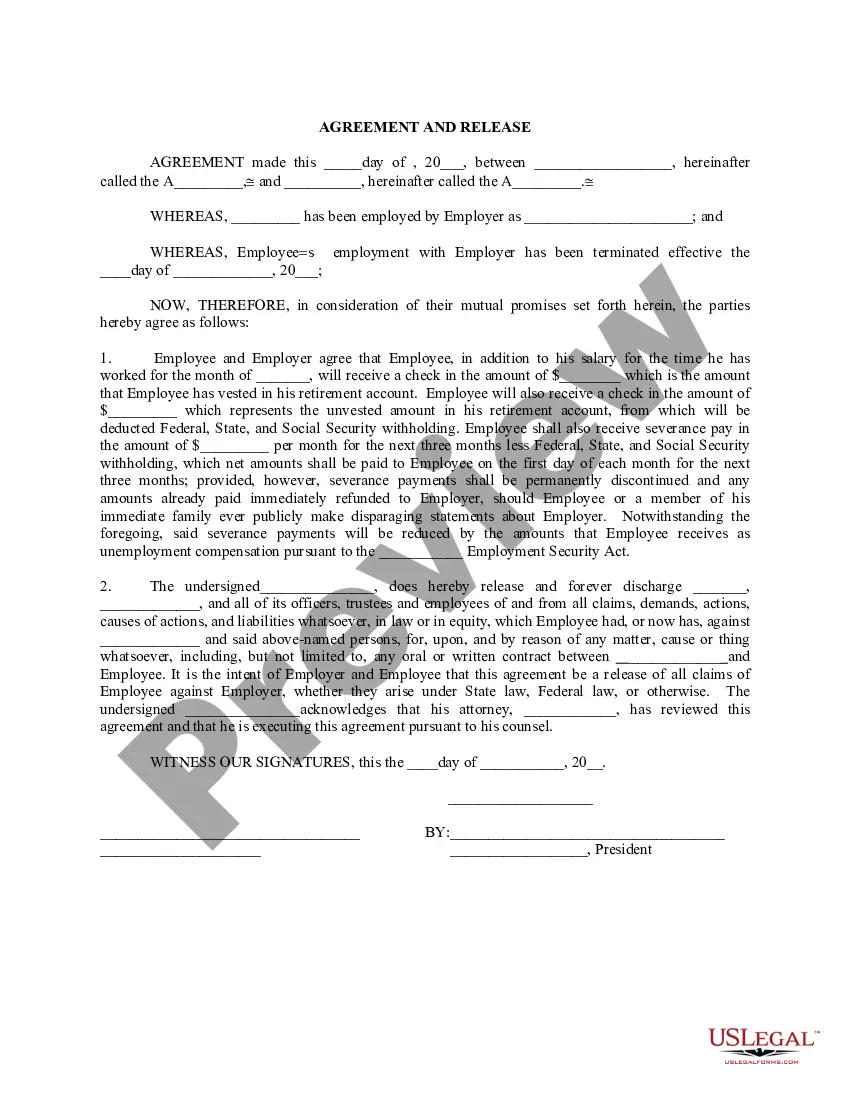
Get your form ready online
Our built-in tools help you complete, sign, share, and store your documents in one place.
Make edits, fill in missing information, and update formatting in US Legal Forms—just like you would in MS Word.
Download a copy, print it, send it by email, or mail it via USPS—whatever works best for your next step.
Sign and collect signatures with our SignNow integration. Send to multiple recipients, set reminders, and more. Go Premium to unlock E-Sign.
If this form requires notarization, complete it online through a secure video call—no need to meet a notary in person or wait for an appointment.
We protect your documents and personal data by following strict security and privacy standards.

Make edits, fill in missing information, and update formatting in US Legal Forms—just like you would in MS Word.

Download a copy, print it, send it by email, or mail it via USPS—whatever works best for your next step.

Sign and collect signatures with our SignNow integration. Send to multiple recipients, set reminders, and more. Go Premium to unlock E-Sign.

If this form requires notarization, complete it online through a secure video call—no need to meet a notary in person or wait for an appointment.

We protect your documents and personal data by following strict security and privacy standards.
Looking for another form?
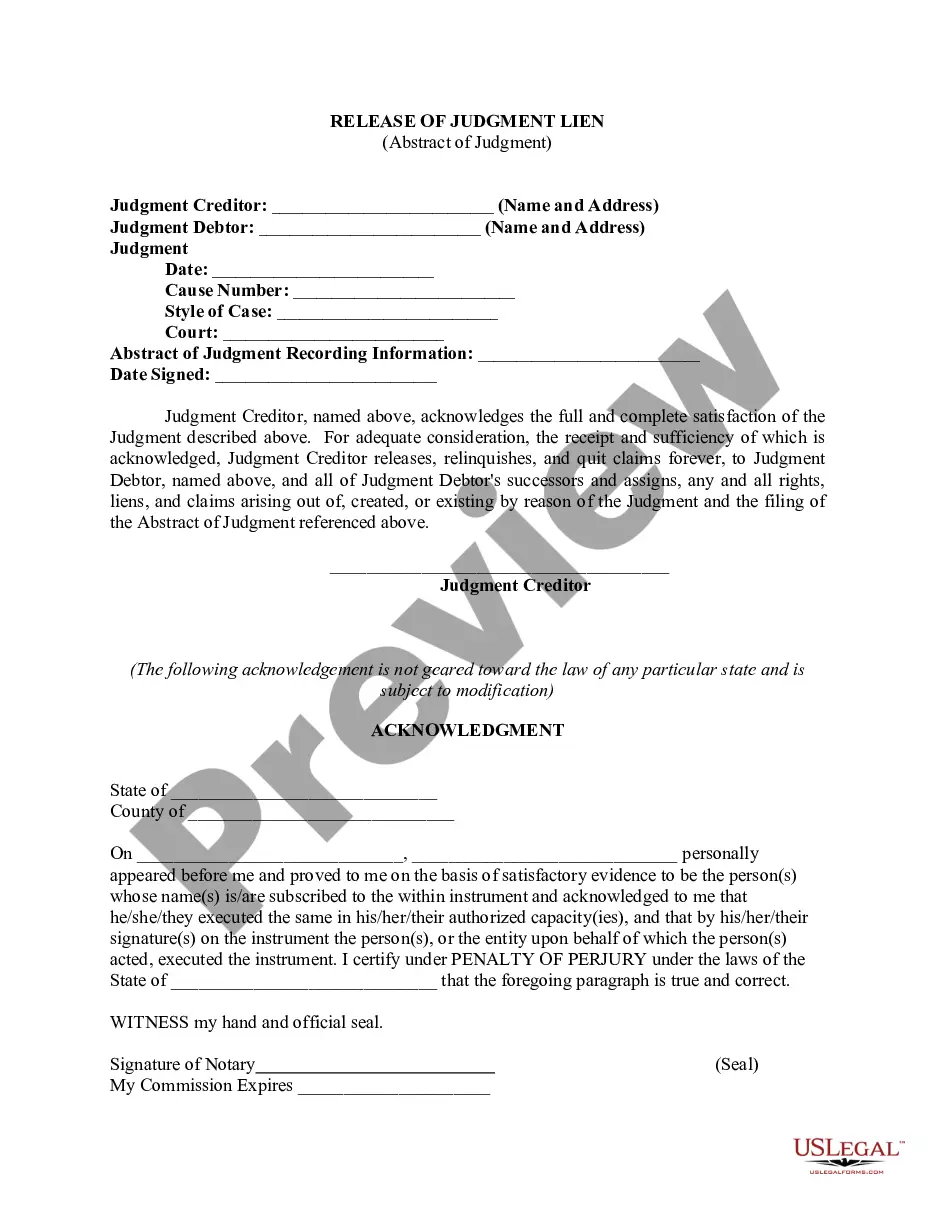
Form popularity
FAQ
In the US, companies are not required to give severance packages when doing layoffs. Check your local states' labor laws, as it may differ, but most states simply follow Federal Guidelines and there isn't a Federal requirement.
The federal Worker Adjustment and Retraining Notification Act (WARN Act) requires employers to provide 60 days' notice, during which all wages and benefits will continue to flow as usual, giving those who were laid off at least a little time to brace for unemployment, or get busy finding that new (better — knock wood) ...
Following are the essential steps involved in writing a proper termination letter: Start with the date. Address the employee. Make a formal statement of termination. Specify the date of termination. Include the reasons for termination. Explain the settlement details. Request them to return the company property.
Precise statistics showing the win rates on wrongful termination cases each year compared to the overall number of wrongful termination lawsuits are hard to come by. Nevertheless, estimates range from as low as 30% of wrongful termination cases being successful to as high as 90% of cases succeeding.
It makes no difference how long you've been with a company so yes, it's legal to lay off any and everyone without severance. The exceptions: a union agreement requiring severance, a personal contract calling for a severance. This is usually only for executives and ``key'' people.
Just cause termination refers to an employer's right to terminate an employee for a valid reason, such as serious misconduct or repeated violations of company policies, without providing severance or other compensation.
What is termination of employment? Voluntary termination. Involuntary termination. Mutual agreement.