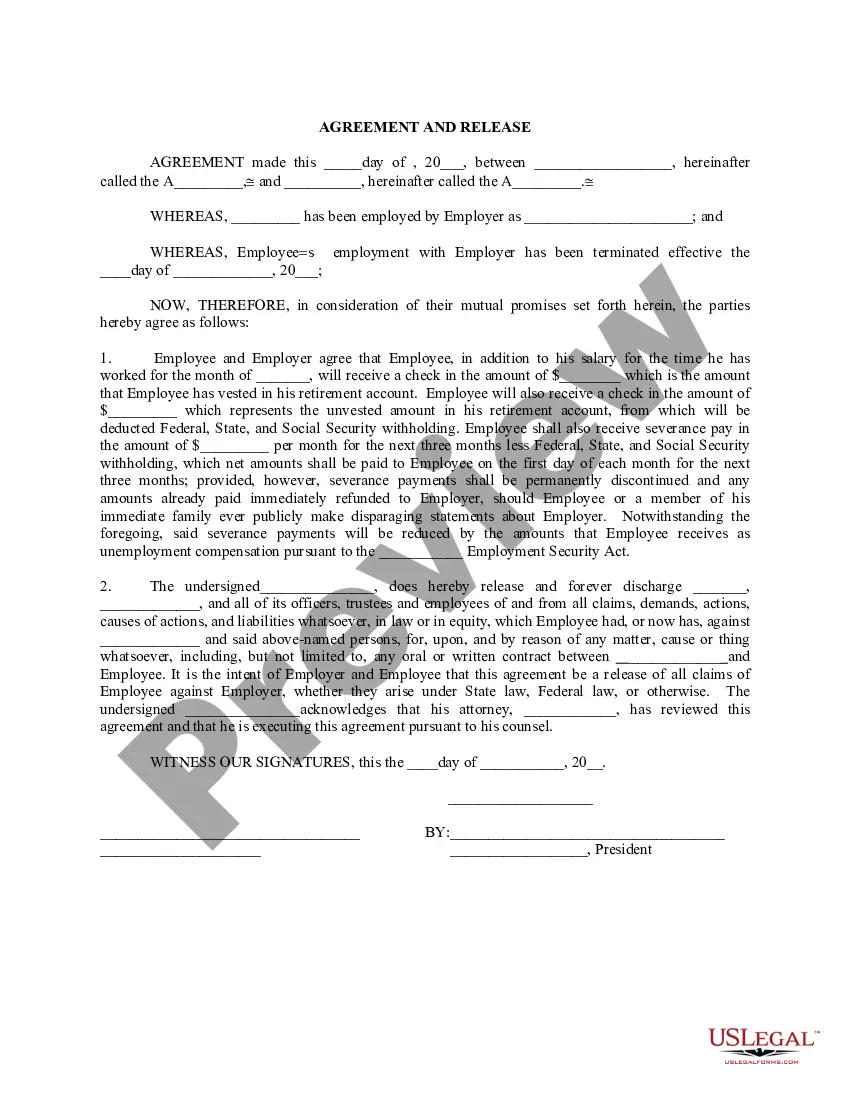
Severance Agreement Form With Non Compete In Franklin
Description

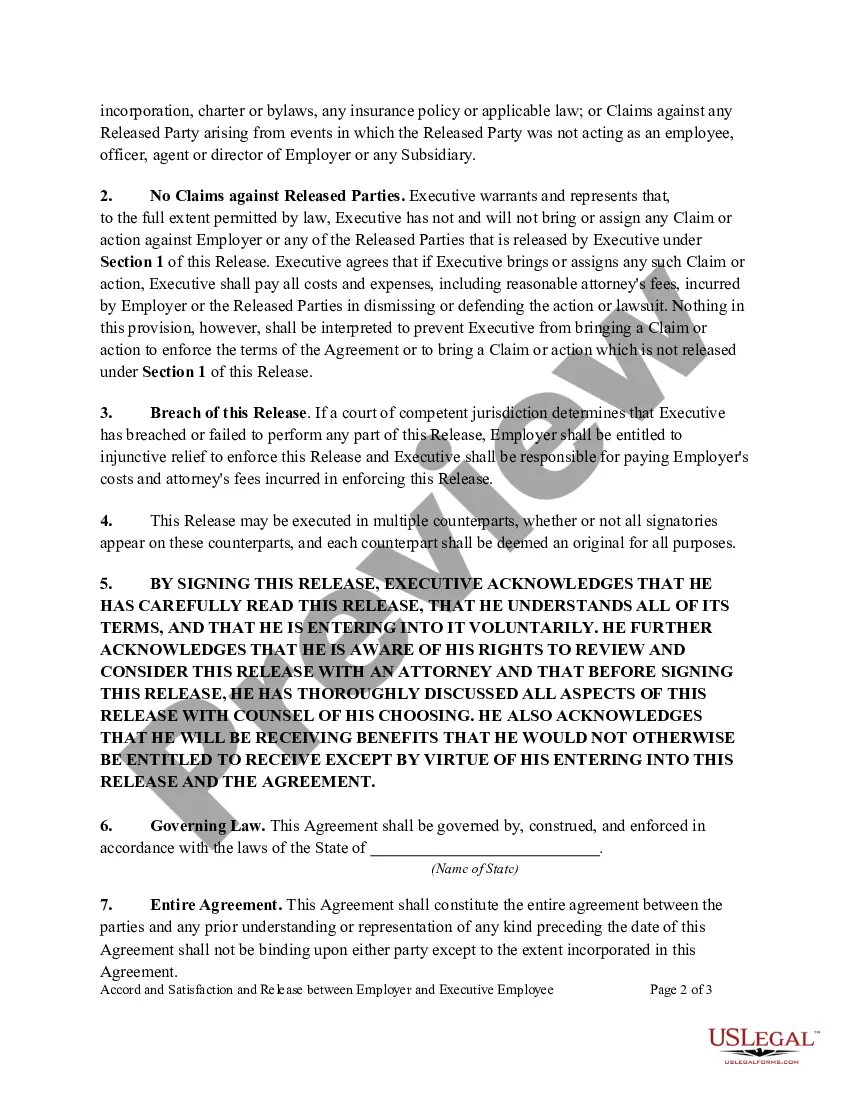
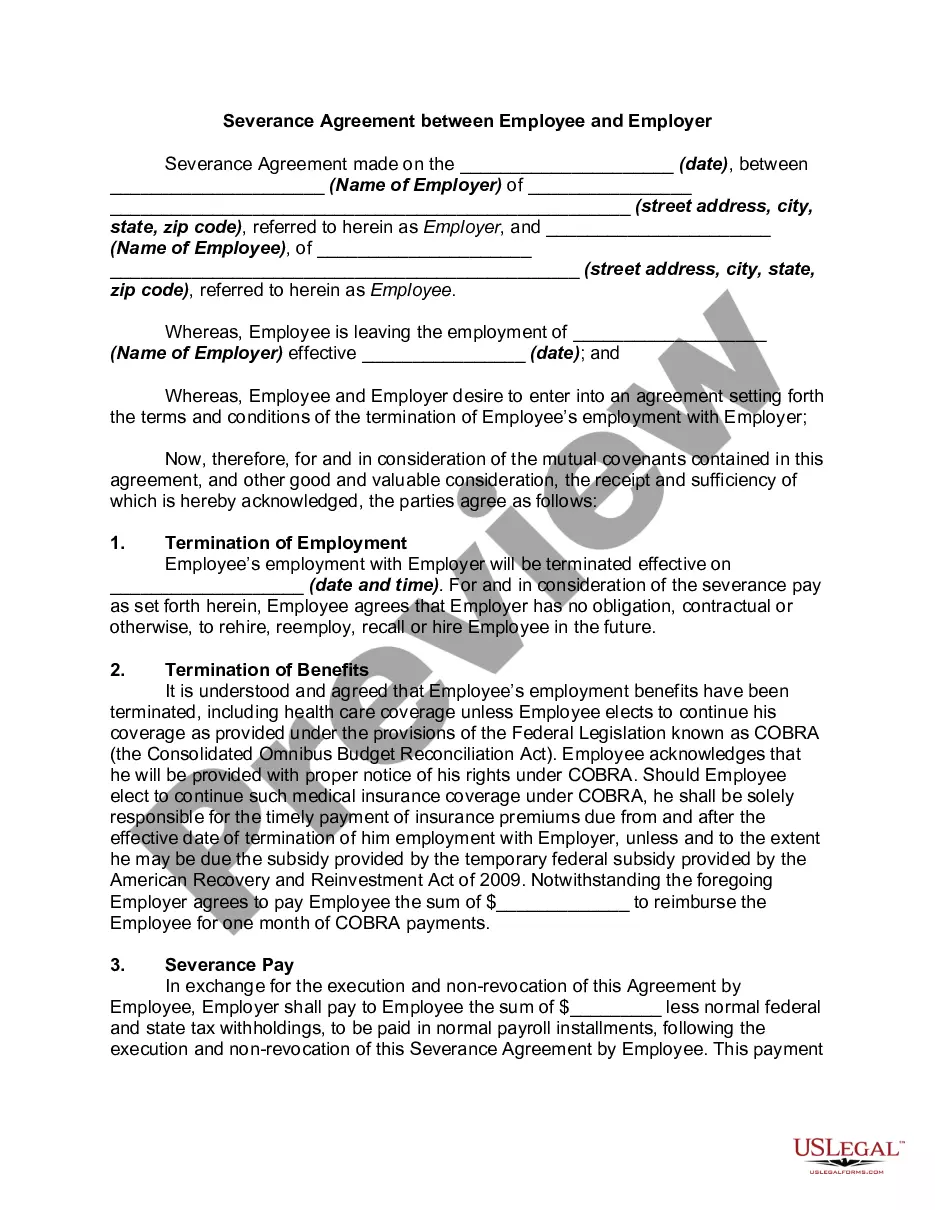
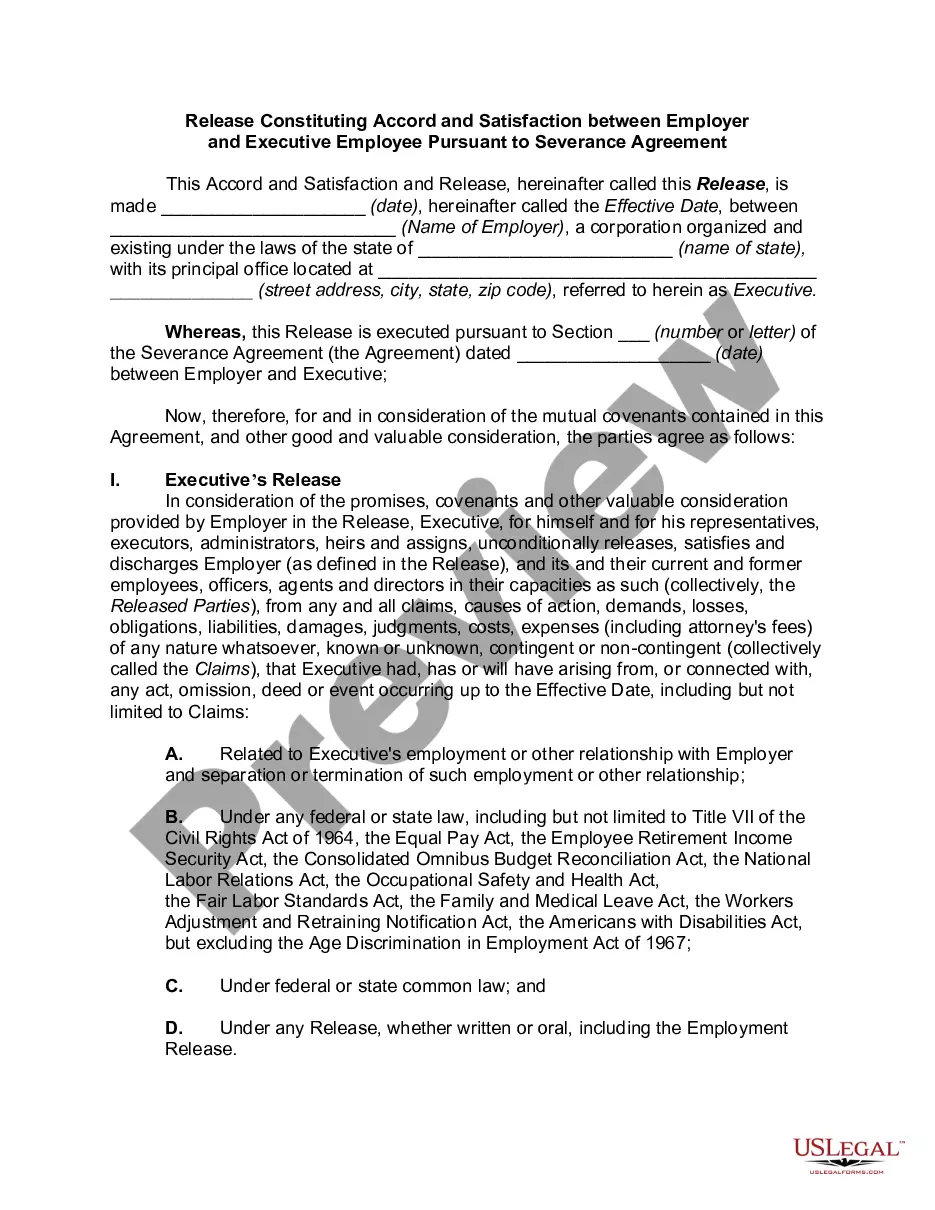
Get your form ready online
Our built-in tools help you complete, sign, share, and store your documents in one place.
Make edits, fill in missing information, and update formatting in US Legal Forms—just like you would in MS Word.
Download a copy, print it, send it by email, or mail it via USPS—whatever works best for your next step.
Sign and collect signatures with our SignNow integration. Send to multiple recipients, set reminders, and more. Go Premium to unlock E-Sign.
If this form requires notarization, complete it online through a secure video call—no need to meet a notary in person or wait for an appointment.
We protect your documents and personal data by following strict security and privacy standards.

Make edits, fill in missing information, and update formatting in US Legal Forms—just like you would in MS Word.

Download a copy, print it, send it by email, or mail it via USPS—whatever works best for your next step.

Sign and collect signatures with our SignNow integration. Send to multiple recipients, set reminders, and more. Go Premium to unlock E-Sign.

If this form requires notarization, complete it online through a secure video call—no need to meet a notary in person or wait for an appointment.

We protect your documents and personal data by following strict security and privacy standards.
Looking for another form?



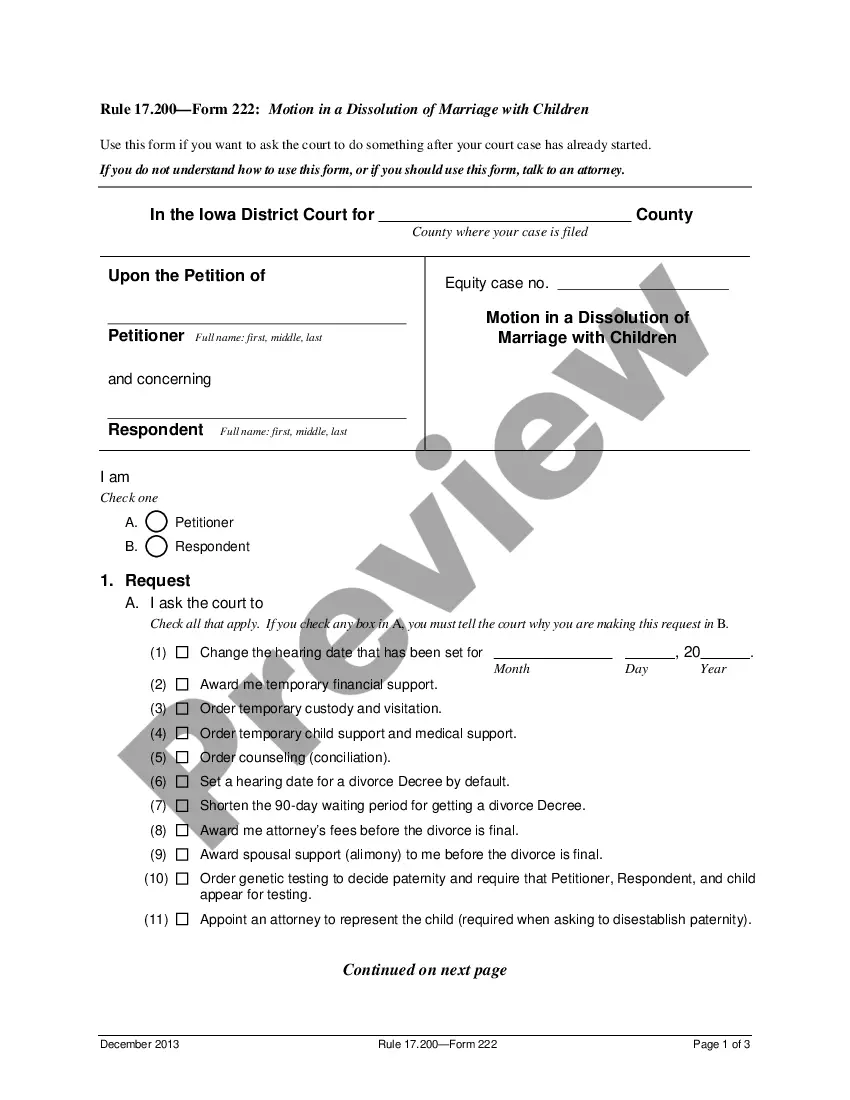

Form popularity
FAQ
It is generally unlawful in California for an employer's severance agreement to state that you may not compete against the employer in a future job.
Extension of Benefits Under Rule of 70 To be eligible to retire, you must be at least age 55 with 10 years of service or age 65. Years of service for the “Rule of 70” eligibility purposes, means total years of employment from date of hire to date of termination.
Non-competes are generally binding. So they are enforceable when an employee leaves the company. It doesn't matter if you're fired or resign. Valid agreements must be reasonable in scope.
The following are the most common ways to get out of a non-compete agreement: Determine that the terms of the contract do not in fact prevent you from a desired course of action. Recognize when a non-compete contradicts the law. Negotiate a release agreement with the involved parties. Ignore the agreement.
Eligibility for Retiree Health and Life Insurance Benefits Rule of 70: the employee's age plus years of continuous, full-time service equal 70 or more, and the employee is at least age 55, with at least ten years of continuous, full-time service.
Non-competes are generally binding. So they are enforceable when an employee leaves the company. It doesn't matter if you're fired or resign. Valid agreements must be reasonable in scope.
In Colorado Non-Compete Agreements are presumptively void and are valid only if the non-compete agreement falls within one of the statutory exceptions, and the restrictions on competition are reasonable under the circumstances.
This new law is expected to go into effect August 7, 2024. This amendment is following the trend of state crackdowns on the use of post-employment restrictions with employees, and more recently, a rule adopted by the FTC which bans the use of non-competes nationwide with limited exceptions.
For attempting to enforce, enter into, present non-compete agreements to employees or prospective employees, when not allowed, employers may be liable for actual damages and a penalty of $5,000 per worker harmed.