Severance Agreement Form With Non Compete In Cook
Description

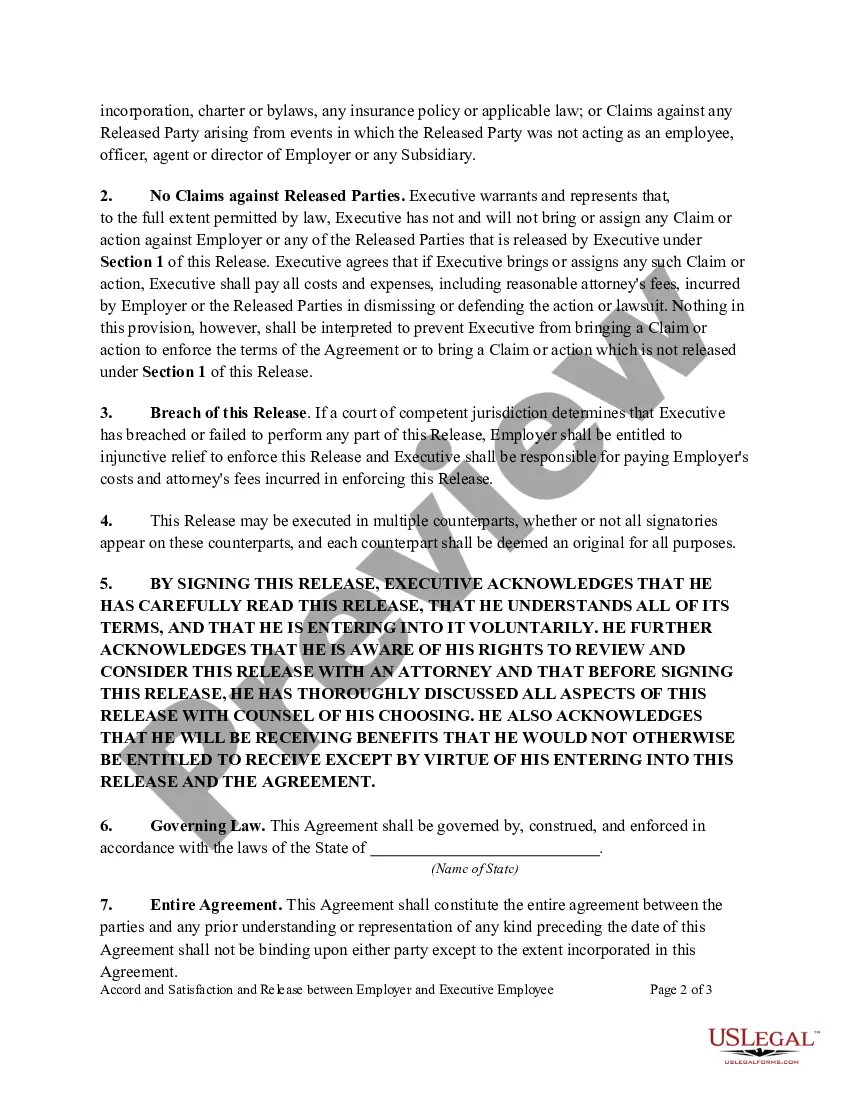
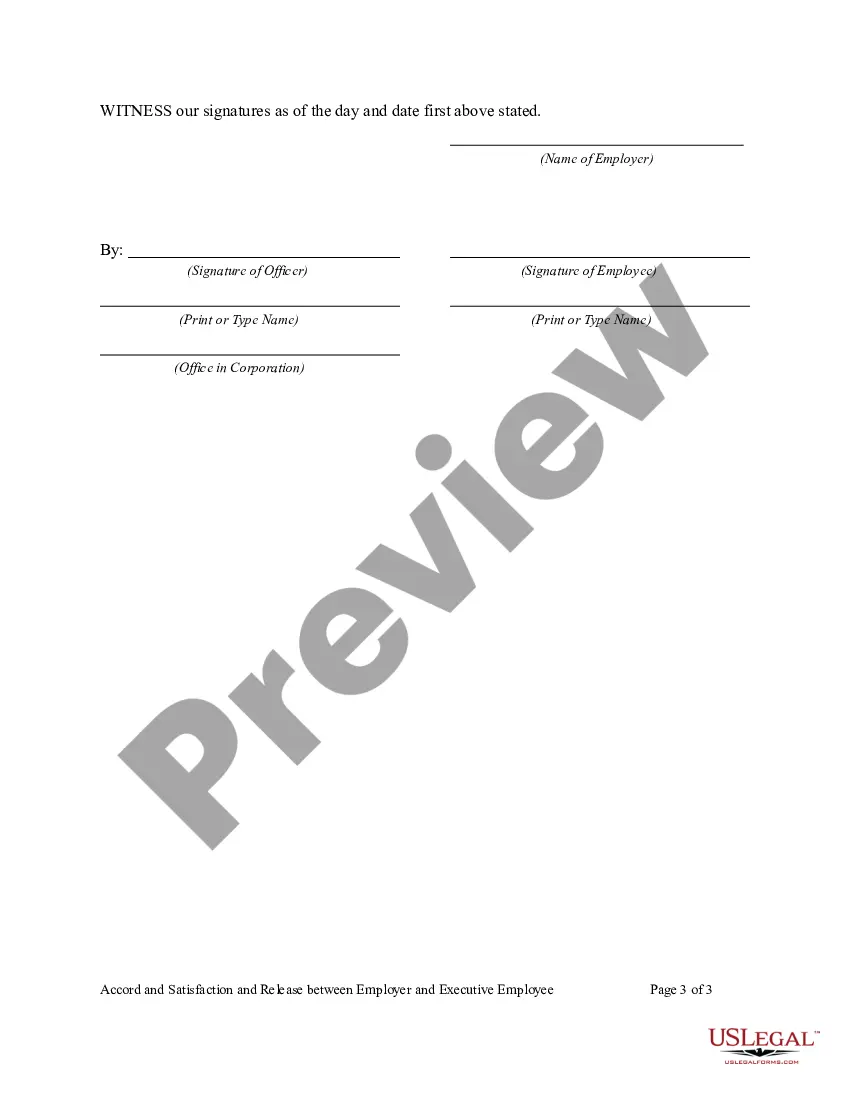
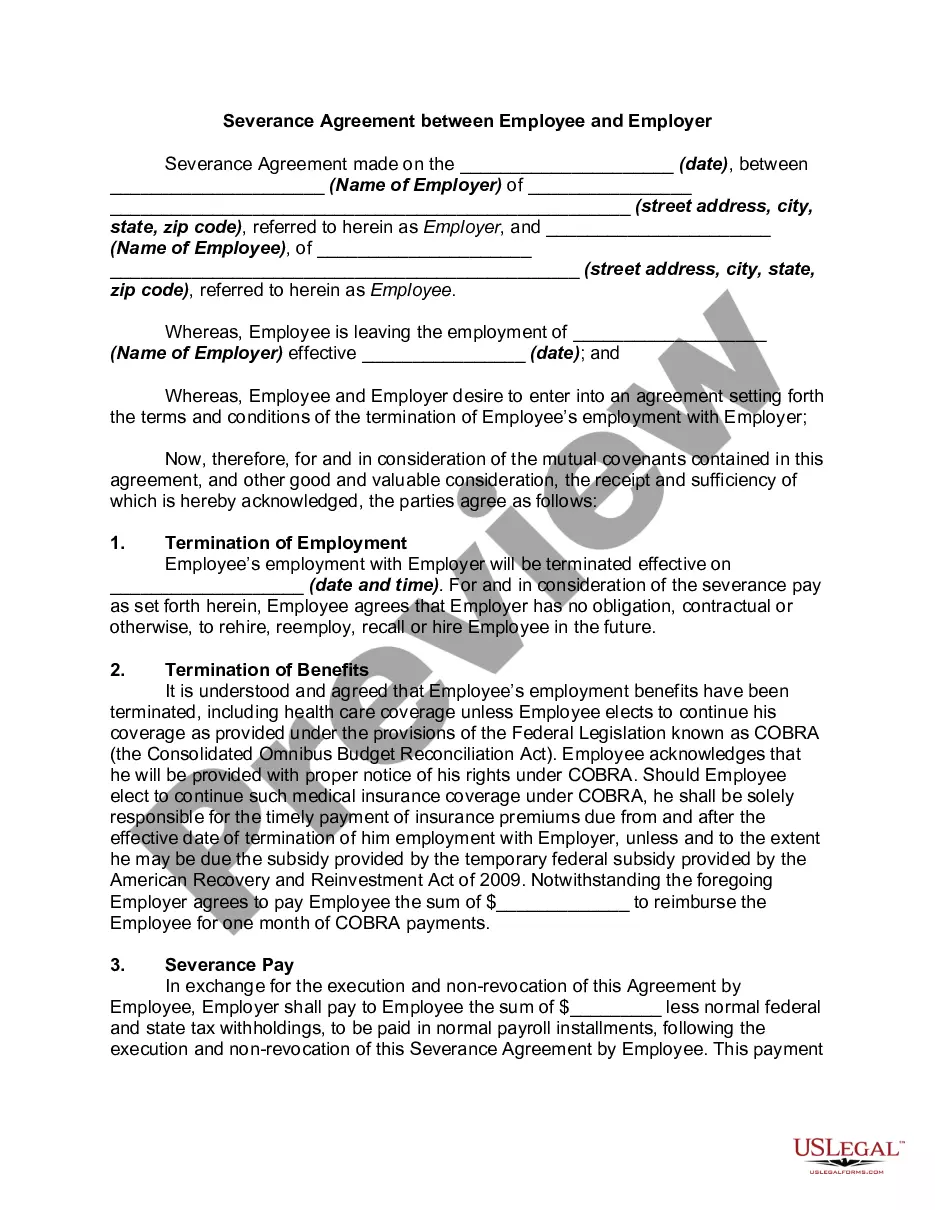
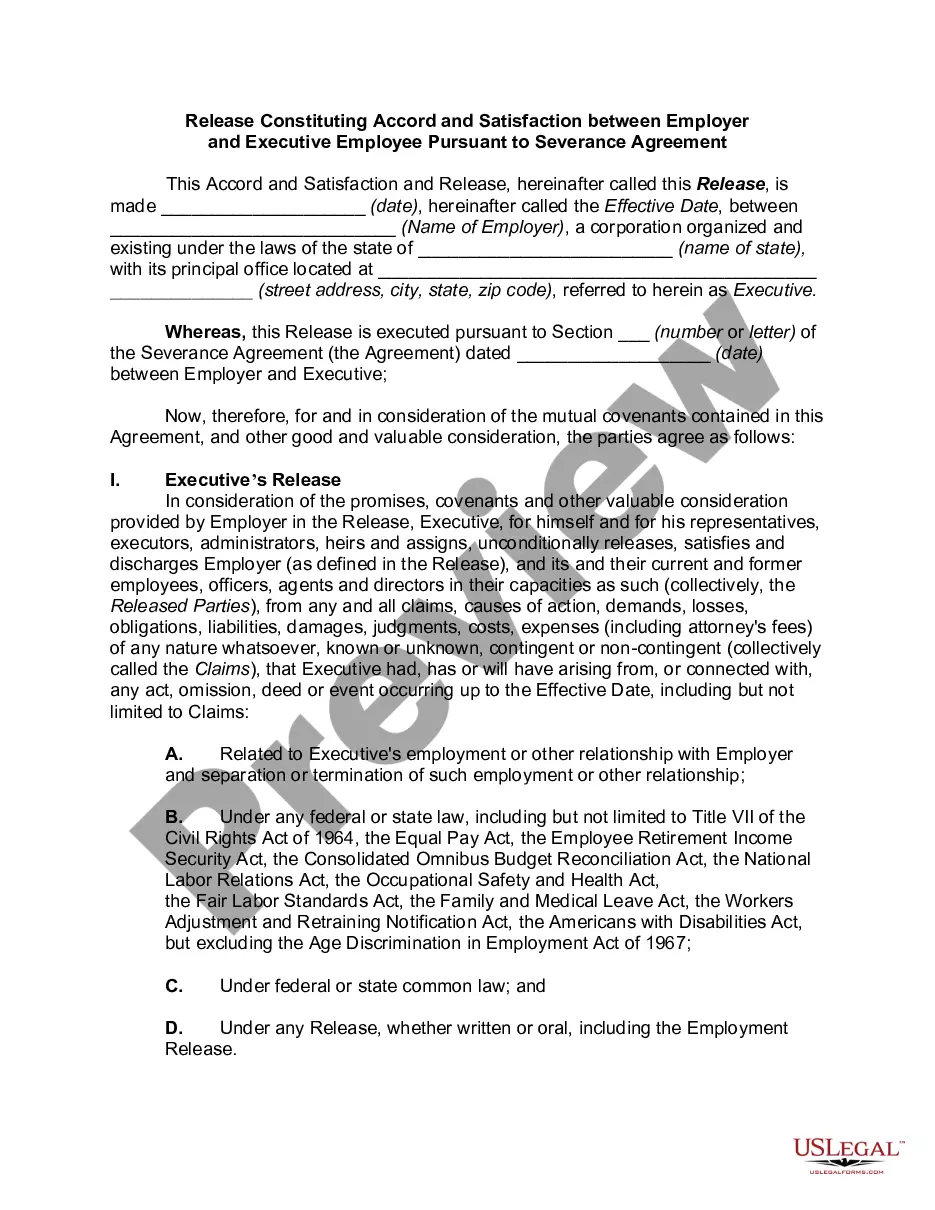
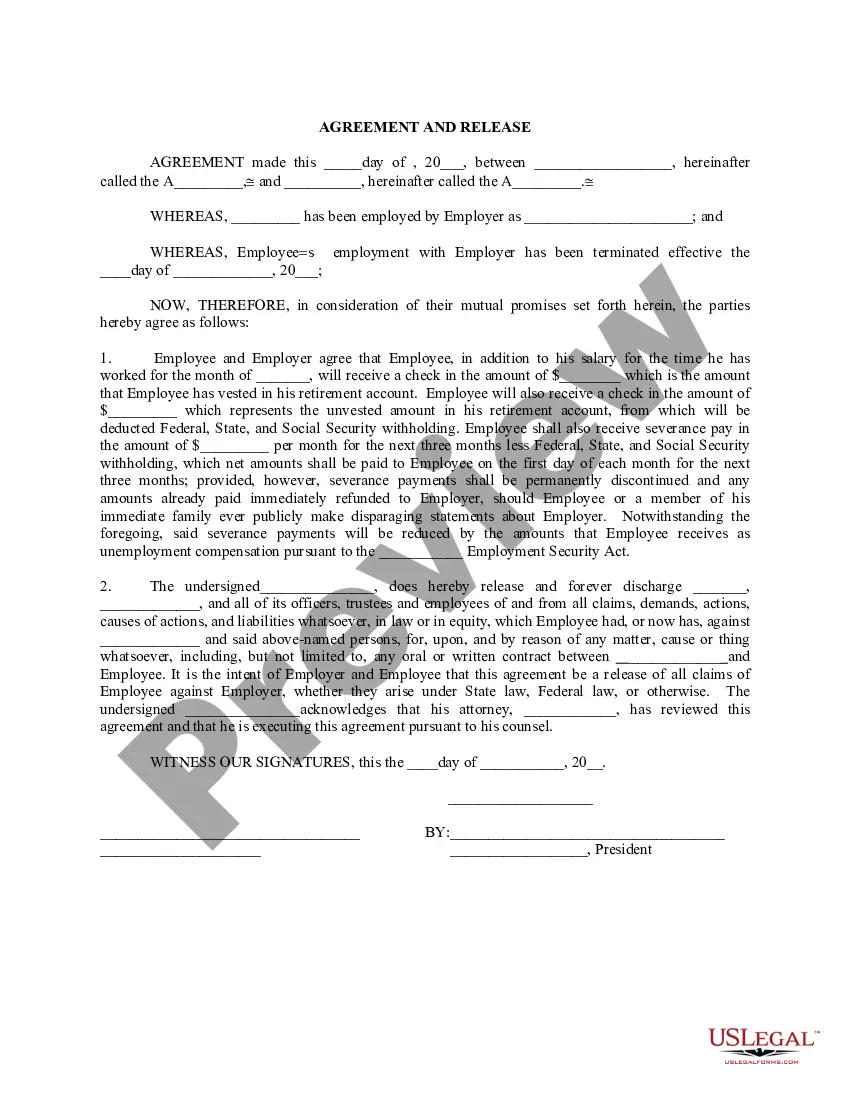
Get your form ready online
Our built-in tools help you complete, sign, share, and store your documents in one place.
Make edits, fill in missing information, and update formatting in US Legal Forms—just like you would in MS Word.
Download a copy, print it, send it by email, or mail it via USPS—whatever works best for your next step.
Sign and collect signatures with our SignNow integration. Send to multiple recipients, set reminders, and more. Go Premium to unlock E-Sign.
If this form requires notarization, complete it online through a secure video call—no need to meet a notary in person or wait for an appointment.
We protect your documents and personal data by following strict security and privacy standards.

Make edits, fill in missing information, and update formatting in US Legal Forms—just like you would in MS Word.

Download a copy, print it, send it by email, or mail it via USPS—whatever works best for your next step.

Sign and collect signatures with our SignNow integration. Send to multiple recipients, set reminders, and more. Go Premium to unlock E-Sign.

If this form requires notarization, complete it online through a secure video call—no need to meet a notary in person or wait for an appointment.

We protect your documents and personal data by following strict security and privacy standards.
Looking for another form?
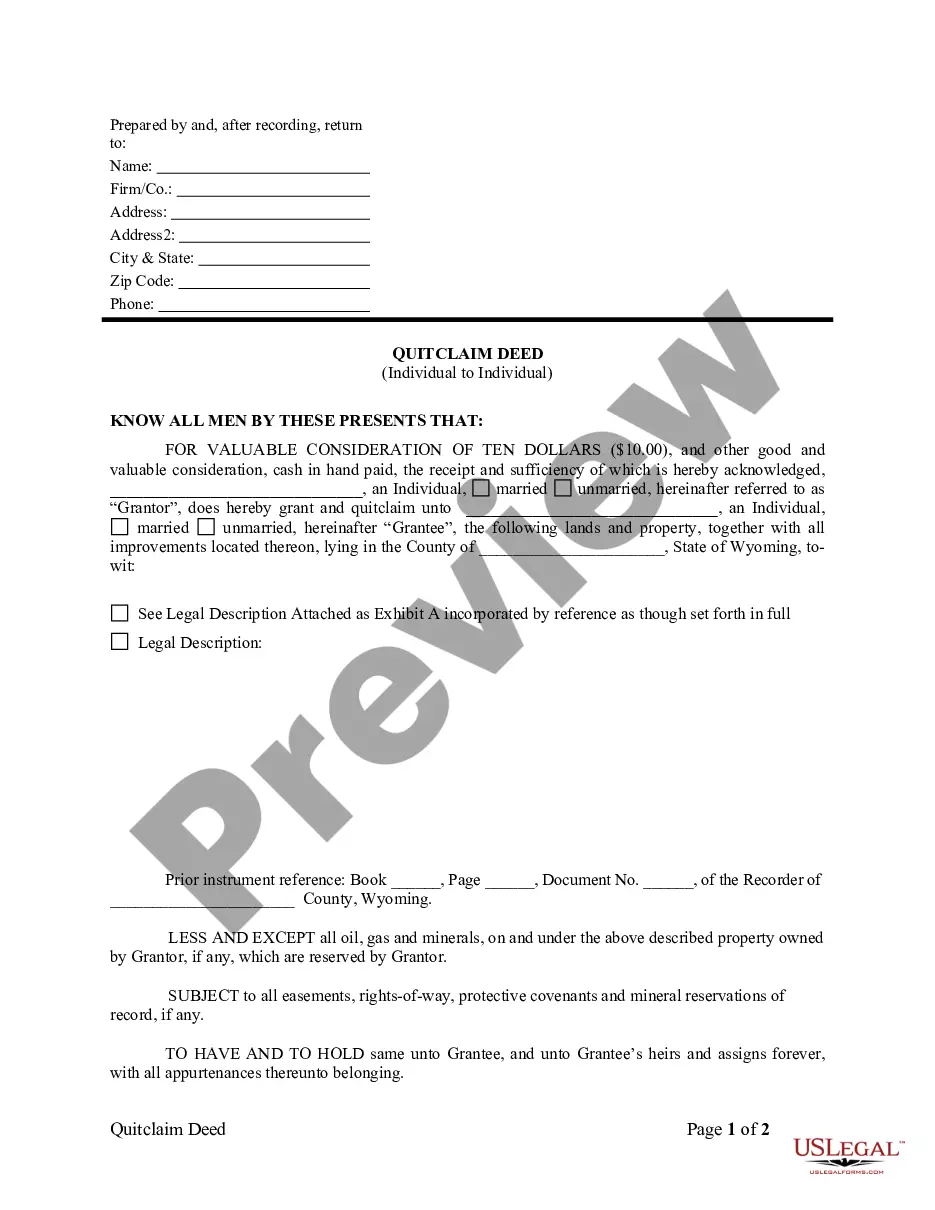





Form popularity
FAQ
Clauses that preclude a former employee from working for any other employer in a specific industry are invalidated, as are more narrowly-tailored clauses that preclude a former employee from working for a direct competitor during a discrete, limited time period subsequent to the termination of the individual's ...
Non-competes are generally binding. So they are enforceable when an employee leaves the company. It doesn't matter if you're fired or resign. Valid agreements must be reasonable in scope.
It is generally unlawful in California for an employer's severance agreement to state that you may not compete against the employer in a future job.
It is generally unlawful in California for an employer's severance agreement to state that you may not compete against the employer in a future job.
The following are the most common ways to get out of a non-compete agreement: Determine that the terms of the contract do not in fact prevent you from a desired course of action. Recognize when a non-compete contradicts the law. Negotiate a release agreement with the involved parties. Ignore the agreement.
Under case law, non-competes will only be enforceable if they are no wider than reasonably necessary to protect a legitimate interest (e.g. protection of confidential information or customer contacts) and are not contrary to the public interest.
Non-competes are generally binding. So they are enforceable when an employee leaves the company. It doesn't matter if you're fired or resign. Valid agreements must be reasonable in scope.
Add information about the parties involved. Describe the terms of the Non-Compete Agreement, such as the length and area of the restriction. If necessary, you can include a non-solicitation clause. Add a confidentiality clause.