Employer Pay Severance In Cook
Description

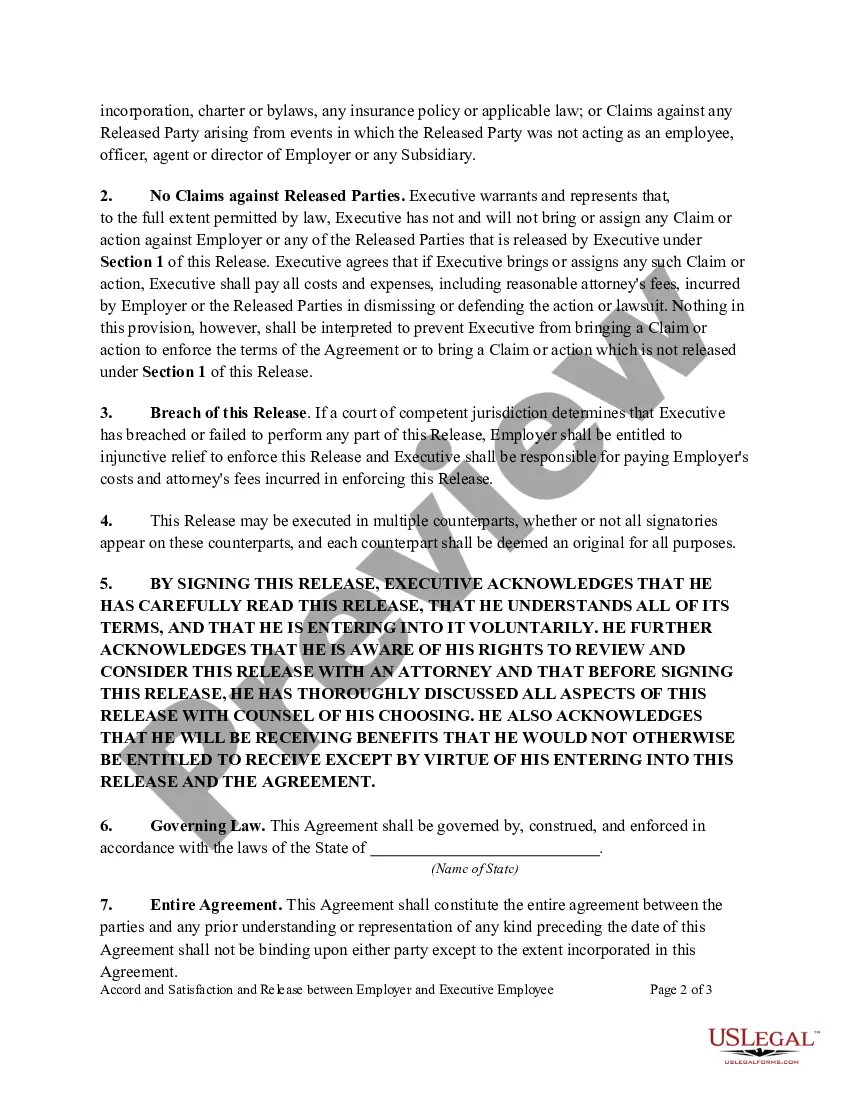
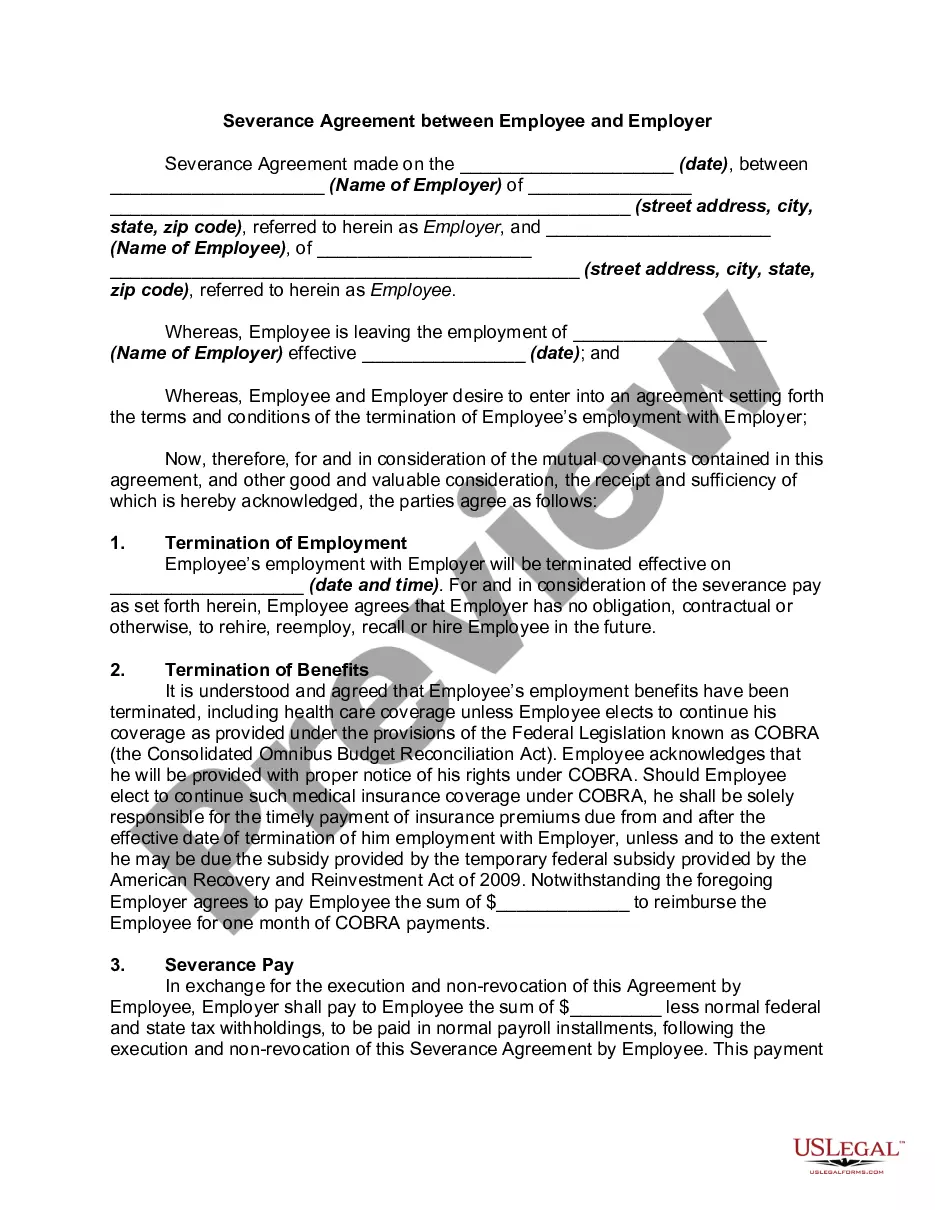
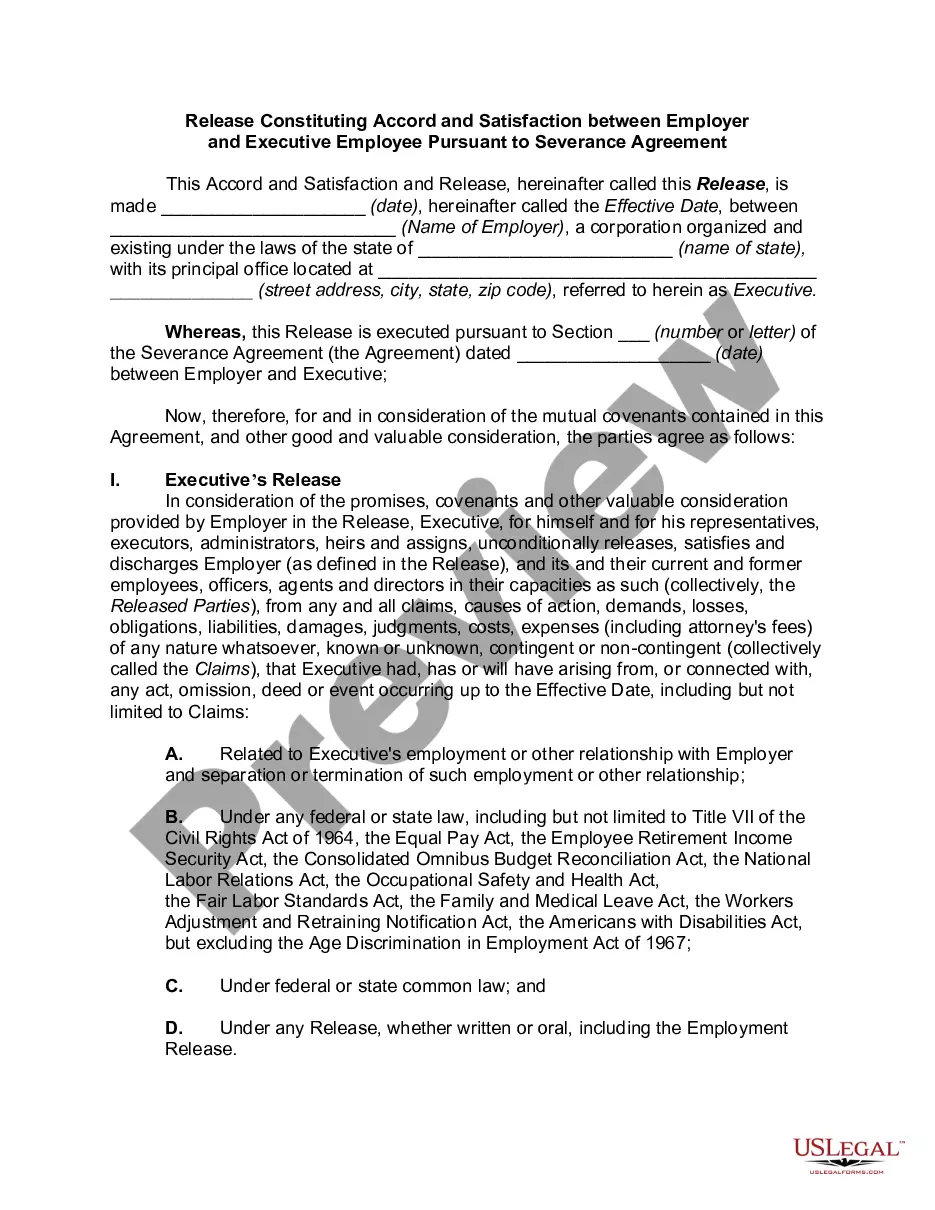
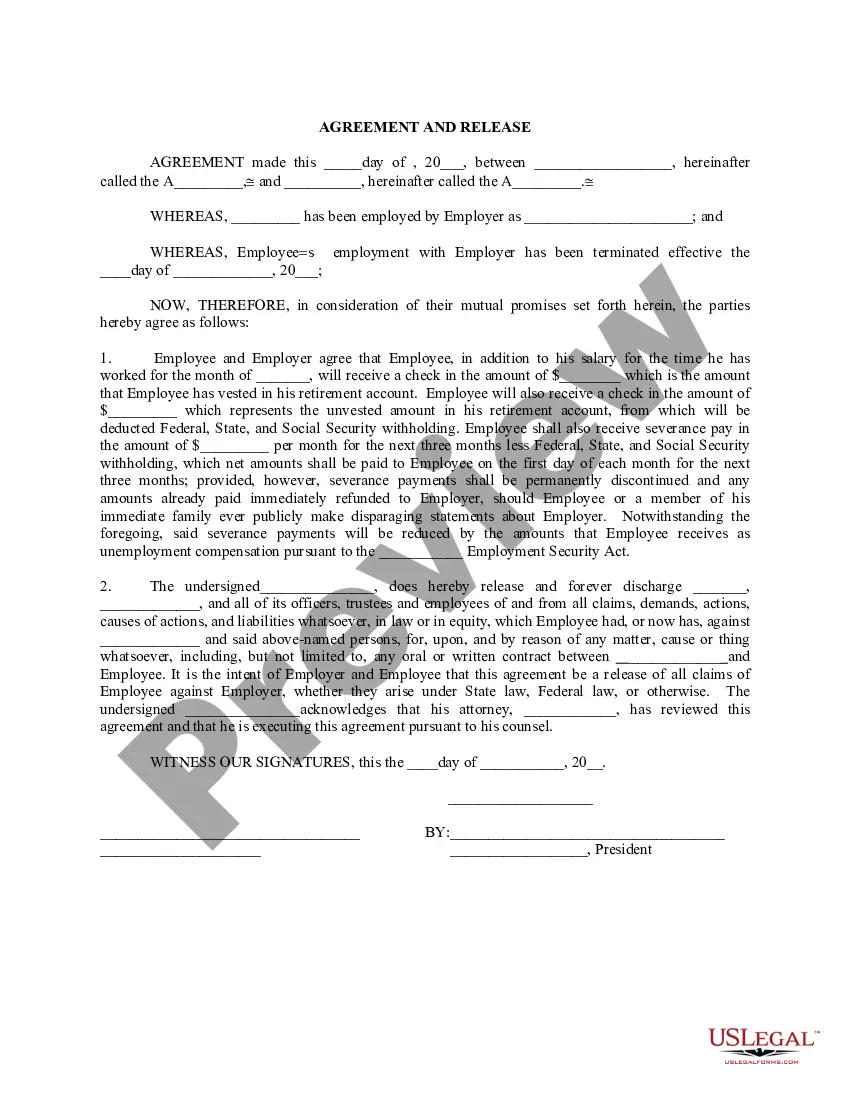
Get your form ready online
Our built-in tools help you complete, sign, share, and store your documents in one place.
Make edits, fill in missing information, and update formatting in US Legal Forms—just like you would in MS Word.
Download a copy, print it, send it by email, or mail it via USPS—whatever works best for your next step.
Sign and collect signatures with our SignNow integration. Send to multiple recipients, set reminders, and more. Go Premium to unlock E-Sign.
If this form requires notarization, complete it online through a secure video call—no need to meet a notary in person or wait for an appointment.
We protect your documents and personal data by following strict security and privacy standards.

Make edits, fill in missing information, and update formatting in US Legal Forms—just like you would in MS Word.

Download a copy, print it, send it by email, or mail it via USPS—whatever works best for your next step.

Sign and collect signatures with our SignNow integration. Send to multiple recipients, set reminders, and more. Go Premium to unlock E-Sign.

If this form requires notarization, complete it online through a secure video call—no need to meet a notary in person or wait for an appointment.

We protect your documents and personal data by following strict security and privacy standards.
Looking for another form?
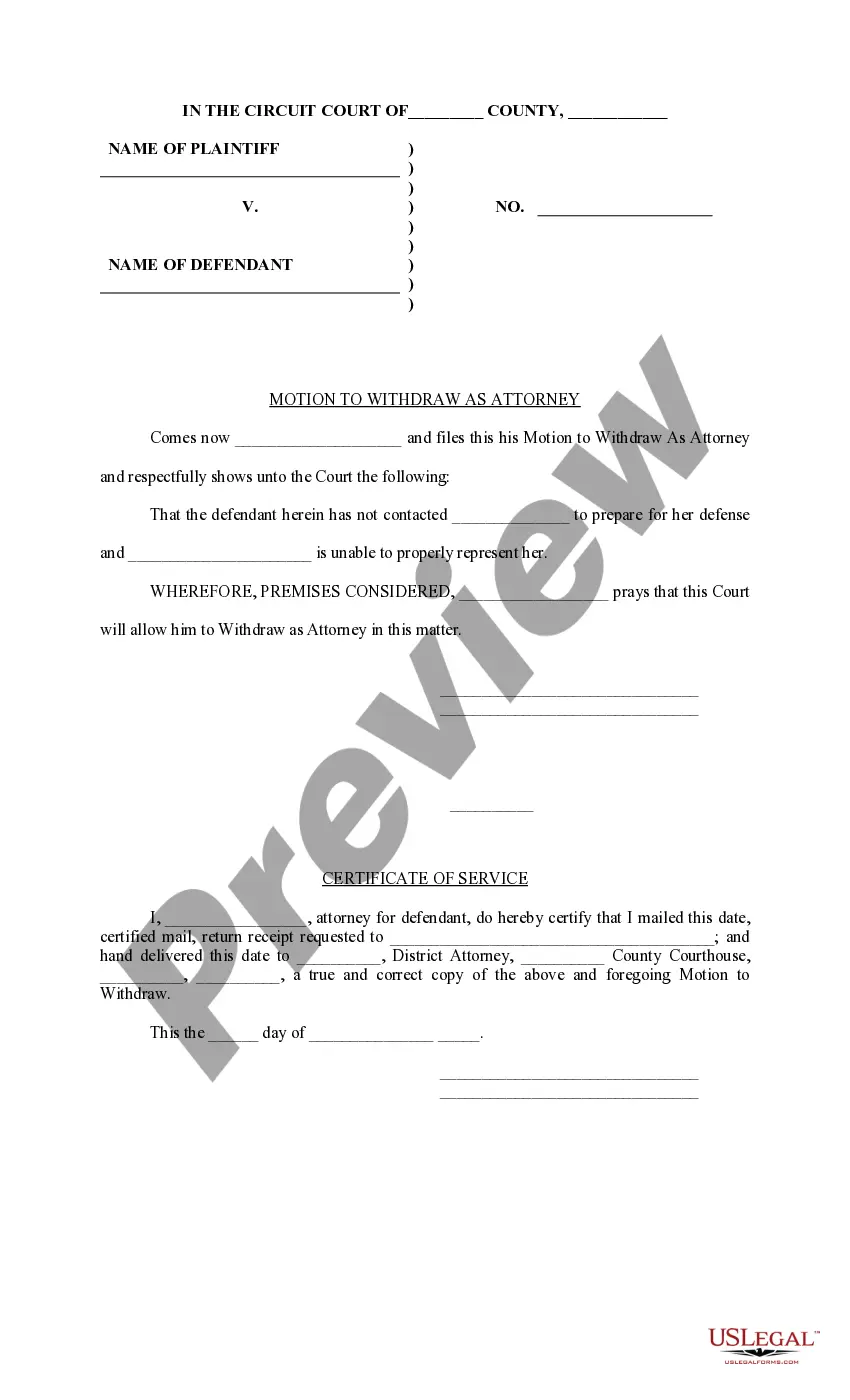







Form popularity
FAQ
A severance process is a series of events (e.g., letters, To Do entries, field activities) that lead to the severance of a service agreement. A separate severance process is required for each service agreement to be severed.
Most termination clauses are an agreement between the employer and the employee that in the event the employer elects to dismiss the employee without cause, the employee will only receive what they are entitled to under the Employment Standards Code.
How to Structure a Severance Agreement Determine Eligibility: Decide which employees will be offered a severance agreement based on company policy or specific circumstances. Consult Legal Counsel: Work with an attorney to draft the agreement to ensure compliance with federal and state laws.
Articulate Your Contributions. During negotiations, emphasize your contributions to the company. Highlight your achievements, skills, and the value you brought to your role.
You just want to move on. Understand your employer's priorities. Identify a compelling reason to negotiate your severance agreement. Making the request. Beware of the risks of negotiating your own severance agreement.
How to ask for a severance package Review your company's documents. You can typically find details of the company's policy regarding severance packages in a couple of places. Make note of your accomplishments. Stay professional. Negotiate severance during your job offer. Agree to an exit interview.
Negotiate a higher redundancy payout – 10 top tips Set out your objectives. Check your contract of employment. Check your employer's redundancy policies. Decide your negotiating strategy. (Almost) always seek to negotiate the financial values. Be clear and polite when negotiating. Take good notes of meetings. Do your research.
The Bottom Line. A severance package offers compensation and other benefits to employees who are laid off. Where the potential for being laid off is concerned, it can be smart to consider and negotiate a severance package before you take a job as well as after you lose it.
Some factors that are often considered include length of employment at the company, your position or rank within the organization, salary, and individual circumstances relating to termination. Some employers adhere to a written contract or employment agreement or policy that was outlined previously.
Extension of Benefits Under Rule of 70 To be eligible to retire, you must be at least age 55 with 10 years of service or age 65. Years of service for the “Rule of 70” eligibility purposes, means total years of employment from date of hire to date of termination.