Severance Termination For Cause In Contra Costa
Description

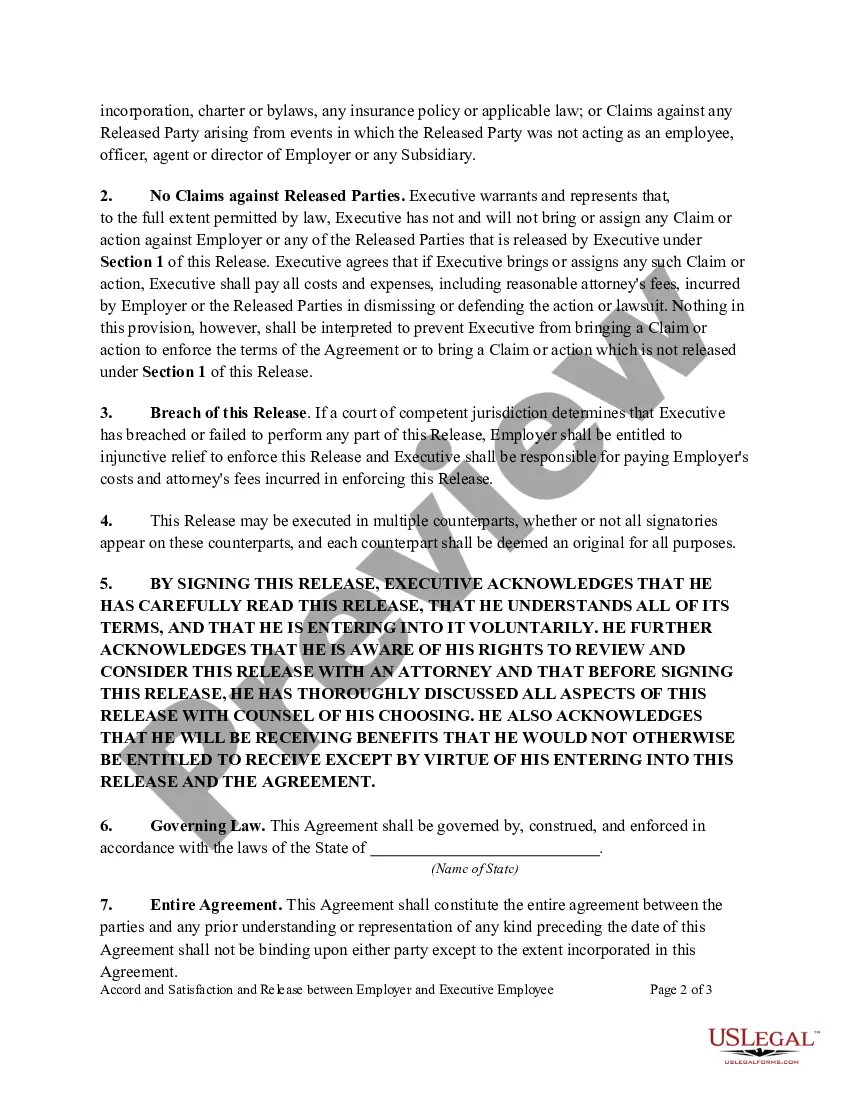
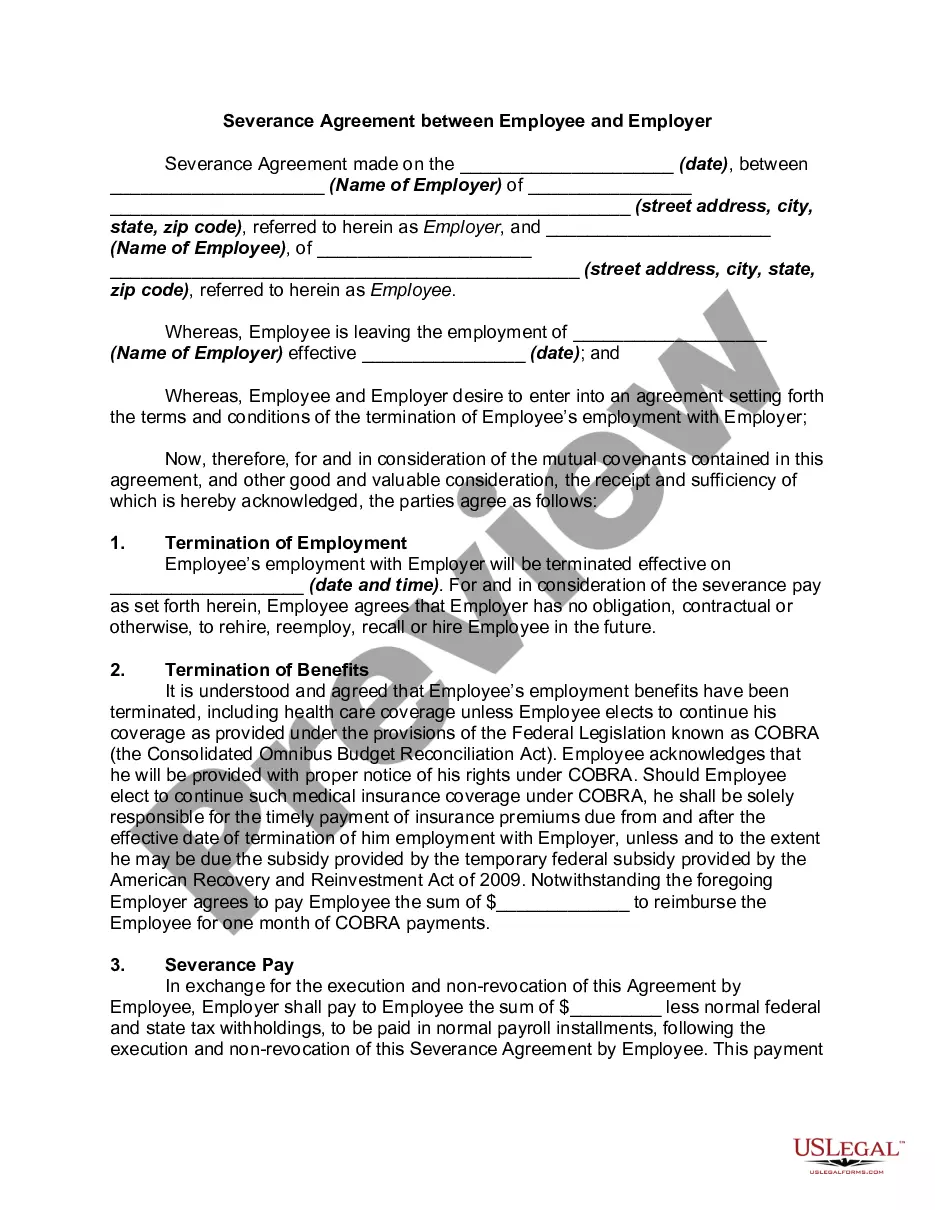
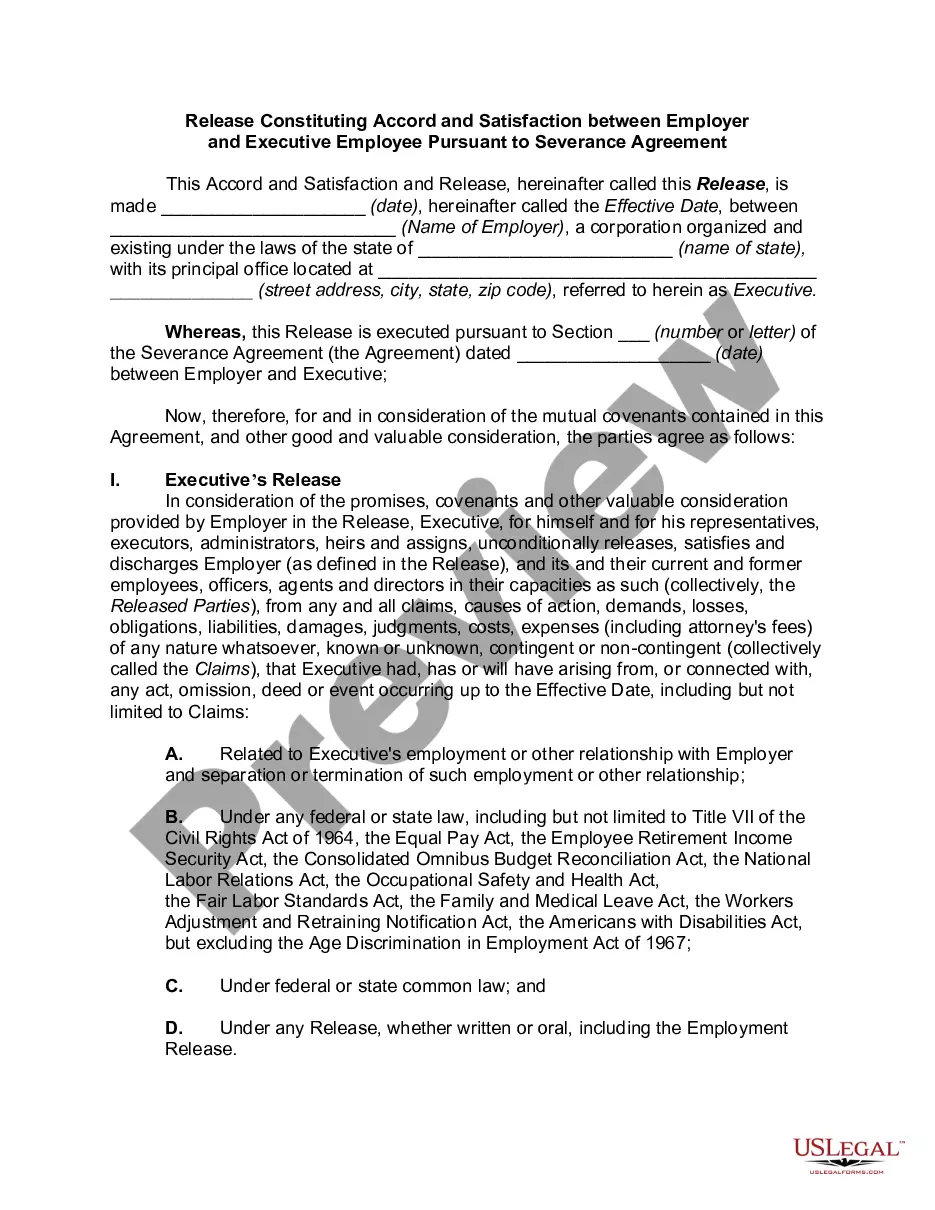
Get your form ready online
Our built-in tools help you complete, sign, share, and store your documents in one place.
Make edits, fill in missing information, and update formatting in US Legal Forms—just like you would in MS Word.
Download a copy, print it, send it by email, or mail it via USPS—whatever works best for your next step.
Sign and collect signatures with our SignNow integration. Send to multiple recipients, set reminders, and more. Go Premium to unlock E-Sign.
If this form requires notarization, complete it online through a secure video call—no need to meet a notary in person or wait for an appointment.
We protect your documents and personal data by following strict security and privacy standards.

Make edits, fill in missing information, and update formatting in US Legal Forms—just like you would in MS Word.

Download a copy, print it, send it by email, or mail it via USPS—whatever works best for your next step.

Sign and collect signatures with our SignNow integration. Send to multiple recipients, set reminders, and more. Go Premium to unlock E-Sign.

If this form requires notarization, complete it online through a secure video call—no need to meet a notary in person or wait for an appointment.

We protect your documents and personal data by following strict security and privacy standards.
Looking for another form?


Form popularity
FAQ
What Is the New Law for Severance Agreements in California? California's “Silenced No More Act” began in January 2022 and impacted severance agreements by prohibiting employers from including non-disclosure and non-disparagement clauses where it relates to harassment, discrimination, and retaliation.
Generally, you do not get a severance package if you are fired ``for cause'' (from drug use, workplace violence, sexual harassment on one end to chronic tardiness or talking on the phone on the other).
Updated March 3, 2025. Termination for cause is the dismissal of an employee for a satisfactory reason. An employee may be fired for various reasons that may include misconduct, fraud and disclosure of confidential information.
If your employer presents you with a severance agreement at this time, thank them and let them know you plan to review the document carefully before signing. In most cases, employees have 21 days to determine whether they accept the terms of the agreement.
Specifically, California Gov Code 12964.5(b)(4) sets a mandatory waiting period of at least five business days. This period allows employees the necessary time to review the severance agreement thoroughly and consult with legal counsel to ensure the terms are fair and in their best interest.
Yes, you can get rehired after being terminated. It does happen. Normally, employers are reluctant to rehire employees they've fired. This is especially true if the firing was recent. But there are some instances in which an employer may be willing to rehire an employee.
A Termination With Cause clause is a contractual provision that allows one or both parties to terminate the agreement due to the occurrence of specific circumstances or events that constitute a material breach or default by the other party.
Termination with cause happens when an employer dismisses an employee due to specific actions that violate company policy or their employment contract. For a termination to qualify as “with cause,” the employer provides valid reasons that are typically considered serious infractions.