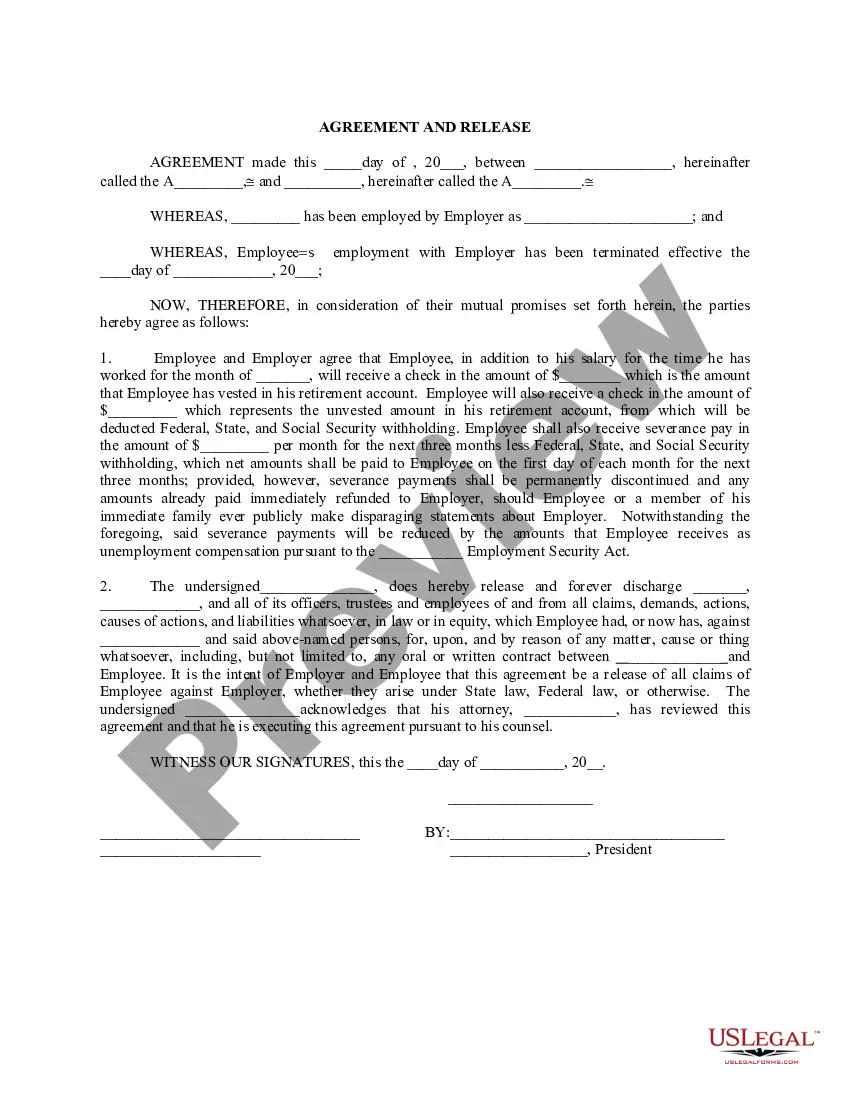
Termination With Severance In Broward
Description

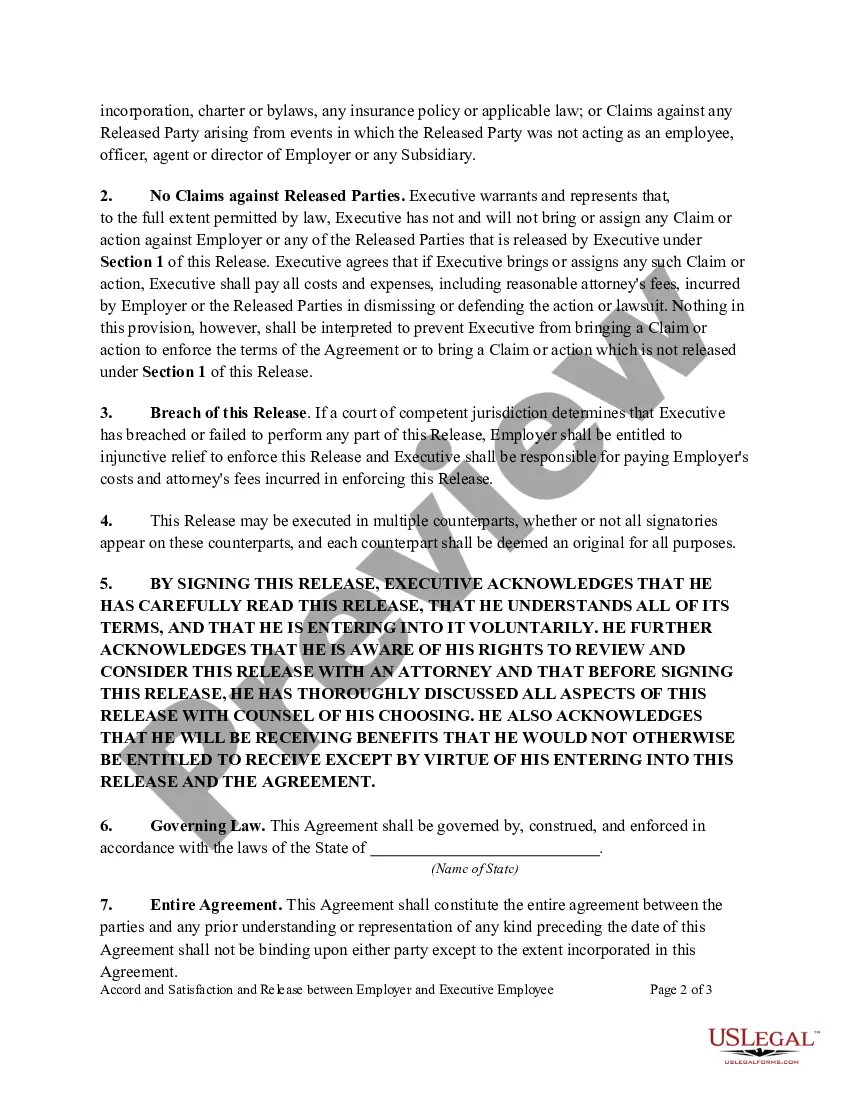
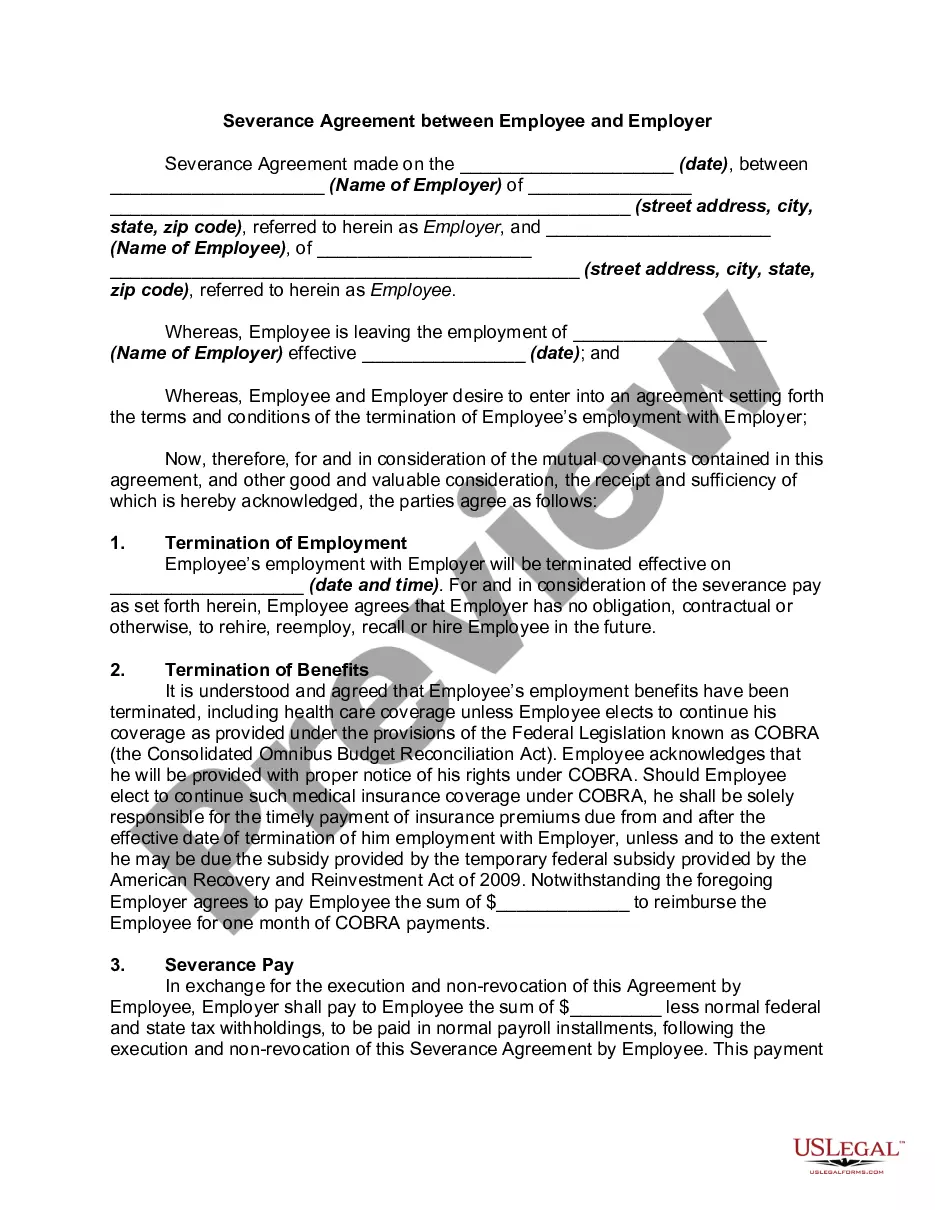
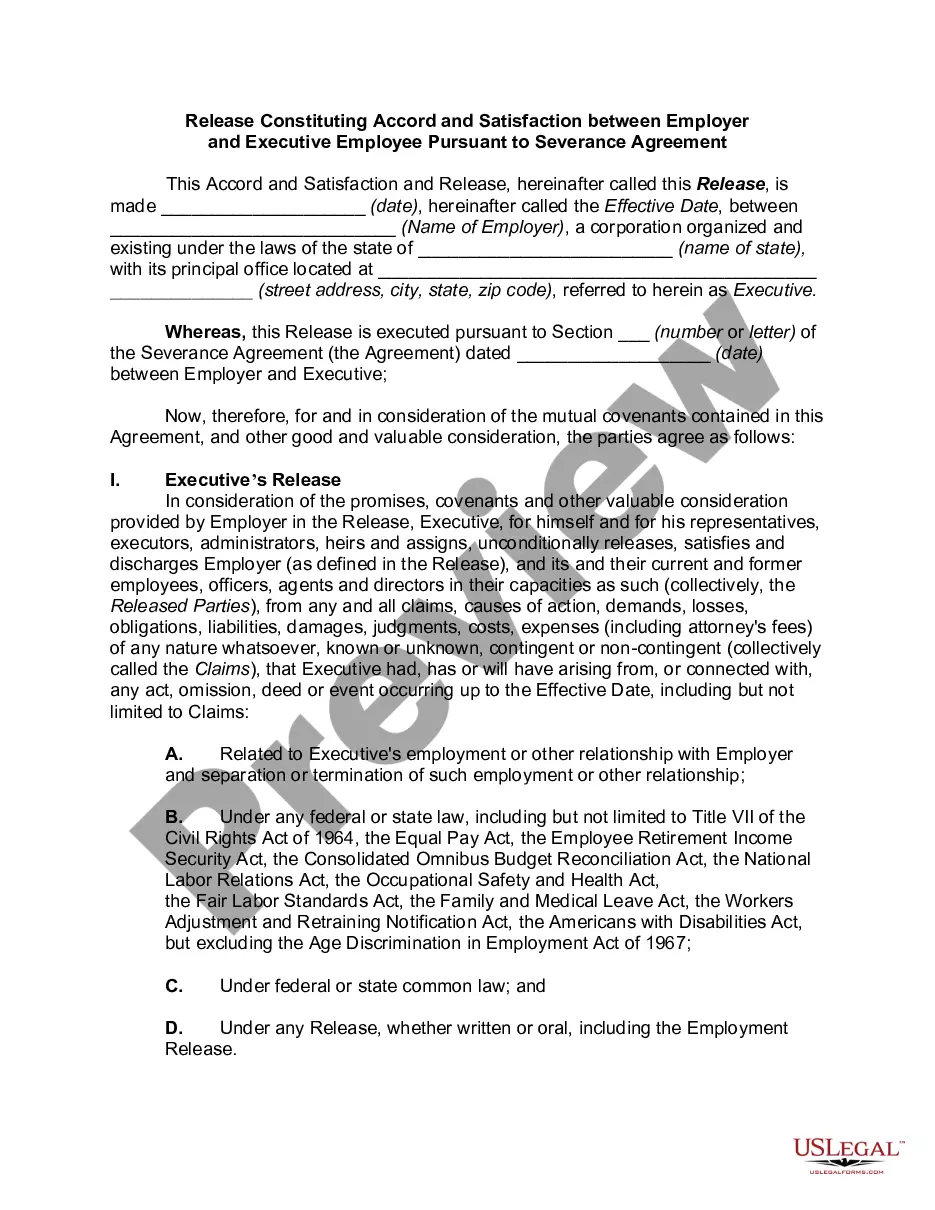
Get your form ready online
Our built-in tools help you complete, sign, share, and store your documents in one place.
Make edits, fill in missing information, and update formatting in US Legal Forms—just like you would in MS Word.
Download a copy, print it, send it by email, or mail it via USPS—whatever works best for your next step.
Sign and collect signatures with our SignNow integration. Send to multiple recipients, set reminders, and more. Go Premium to unlock E-Sign.
If this form requires notarization, complete it online through a secure video call—no need to meet a notary in person or wait for an appointment.
We protect your documents and personal data by following strict security and privacy standards.

Make edits, fill in missing information, and update formatting in US Legal Forms—just like you would in MS Word.

Download a copy, print it, send it by email, or mail it via USPS—whatever works best for your next step.

Sign and collect signatures with our SignNow integration. Send to multiple recipients, set reminders, and more. Go Premium to unlock E-Sign.

If this form requires notarization, complete it online through a secure video call—no need to meet a notary in person or wait for an appointment.

We protect your documents and personal data by following strict security and privacy standards.
Looking for another form?









Form popularity
FAQ
A termination clause is a provision in the employment contract that defines the rights of the employee at the termination of the employment relationship. It typically determines how much notice period and severance an employee is entitled to when the termination is on a without-cause basis.
In Florida, which is an at-will employment state, an employer can fire you for any reason or no reason at all, as long as it's not illegal (e.g., discrimination). Florida law does not require employers to provide a reason for termination.
Present the employee with the severance agreement, worked on by your HR manager, and walk through each section. Leave time for the employee to ask questions and make clear the time frame during which the employee has time to meet with their lawyer, as well as their last day.
Neither the California Labor Code nor the federal Fair Labor Standards Act require employers to offer severance agreements to departing employees. Instead, severance agreements are provided by employers to accomplish a specific goal.
Present the employee with the severance agreement, worked on by your HR manager, and walk through each section. Leave time for the employee to ask questions and make clear the time frame during which the employee has time to meet with their lawyer, as well as their last day.
Do You Get Severance If You Get Fired? There are no legal requirements or federal law for employers to offer a dismissal or redundancy package at the time of termination of employment. The Fair Labor Standards Act (FLSA) does not have any such provisions either.
Do You Get Severance If You Get Fired? There are no legal requirements or federal law for employers to offer a dismissal or redundancy package at the time of termination of employment. The Fair Labor Standards Act (FLSA) does not have any such provisions either.