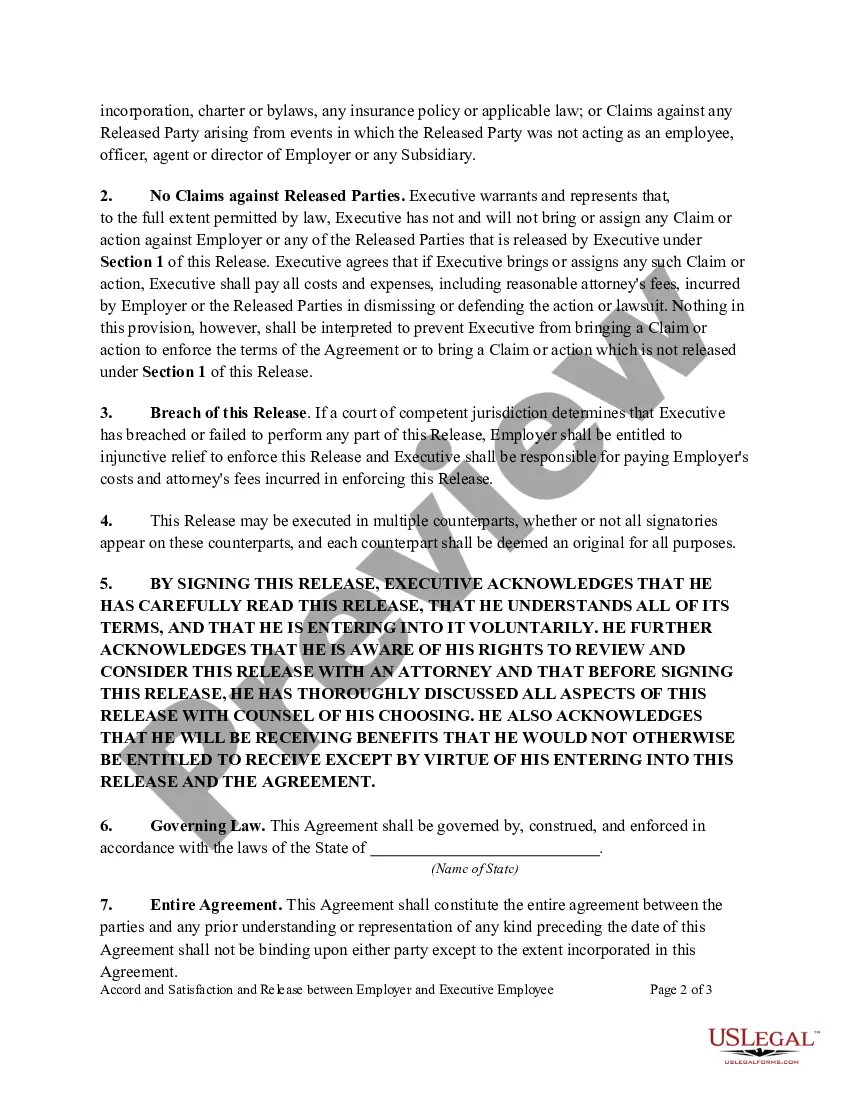
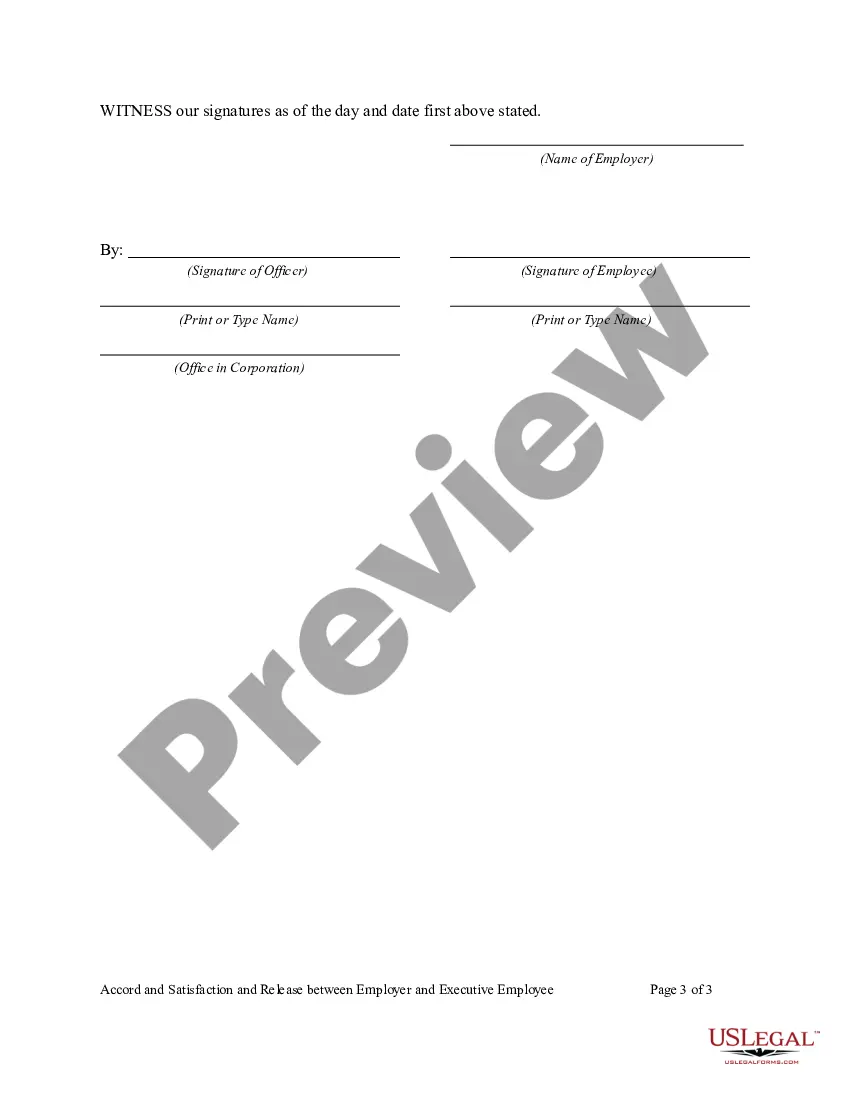
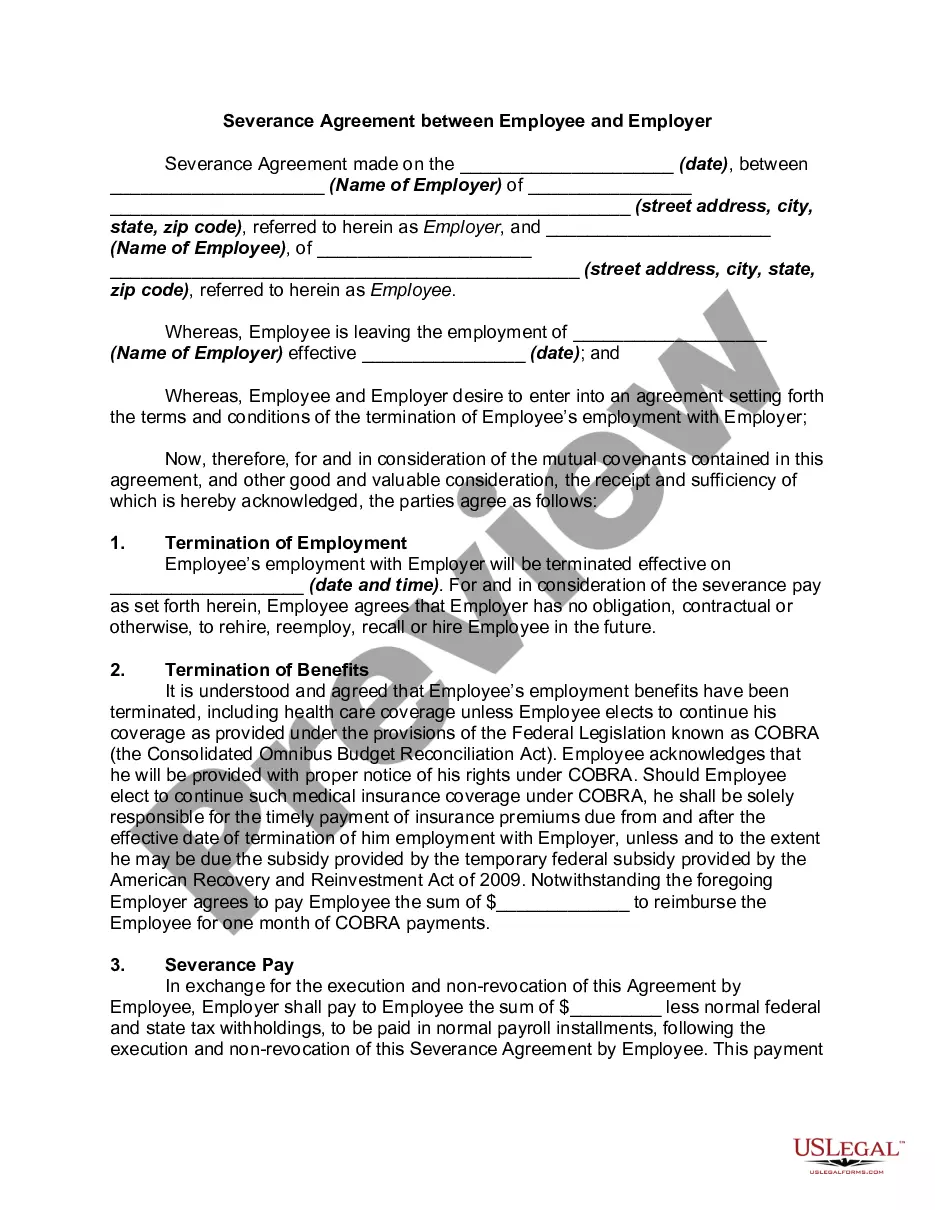
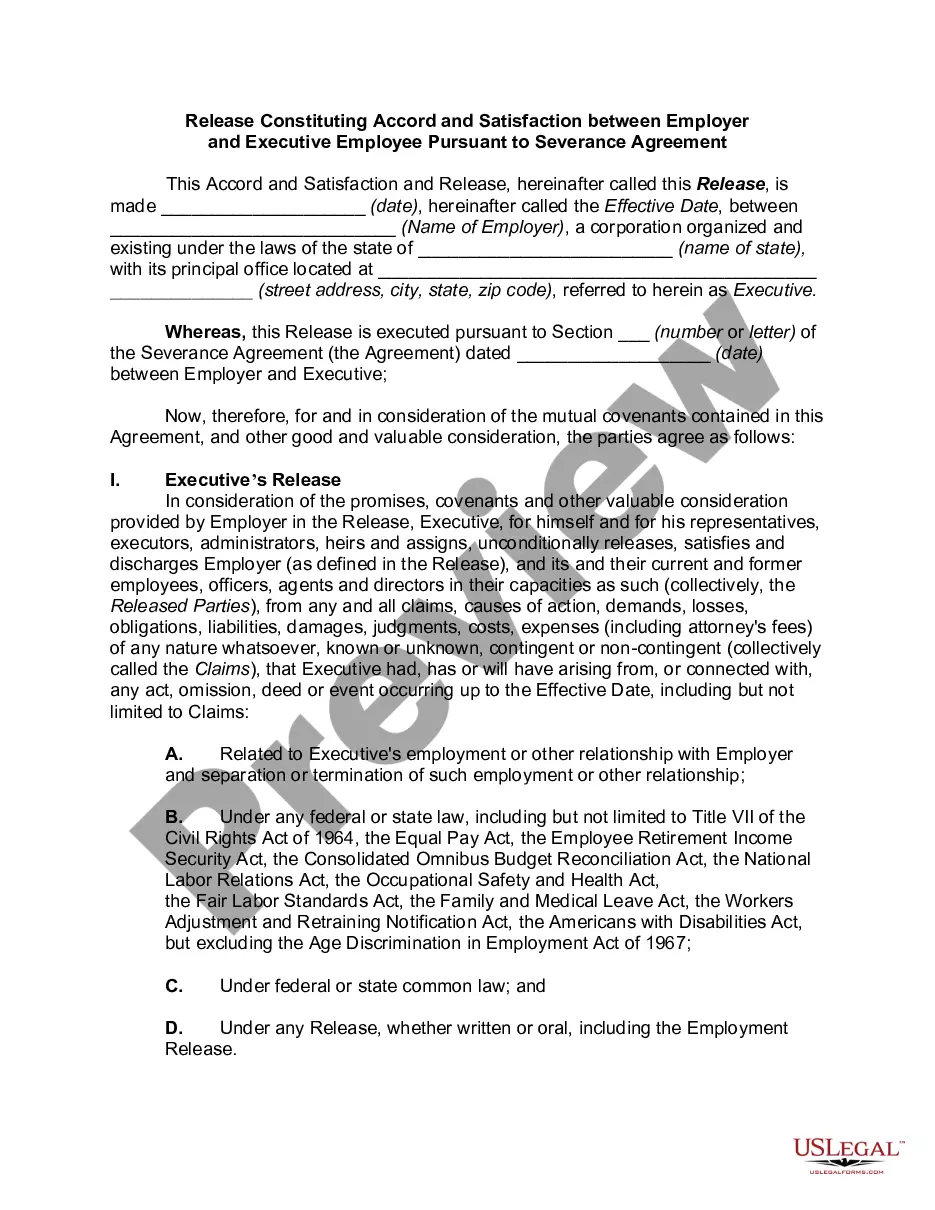
Severance Termination Without Cause In Alameda
Description

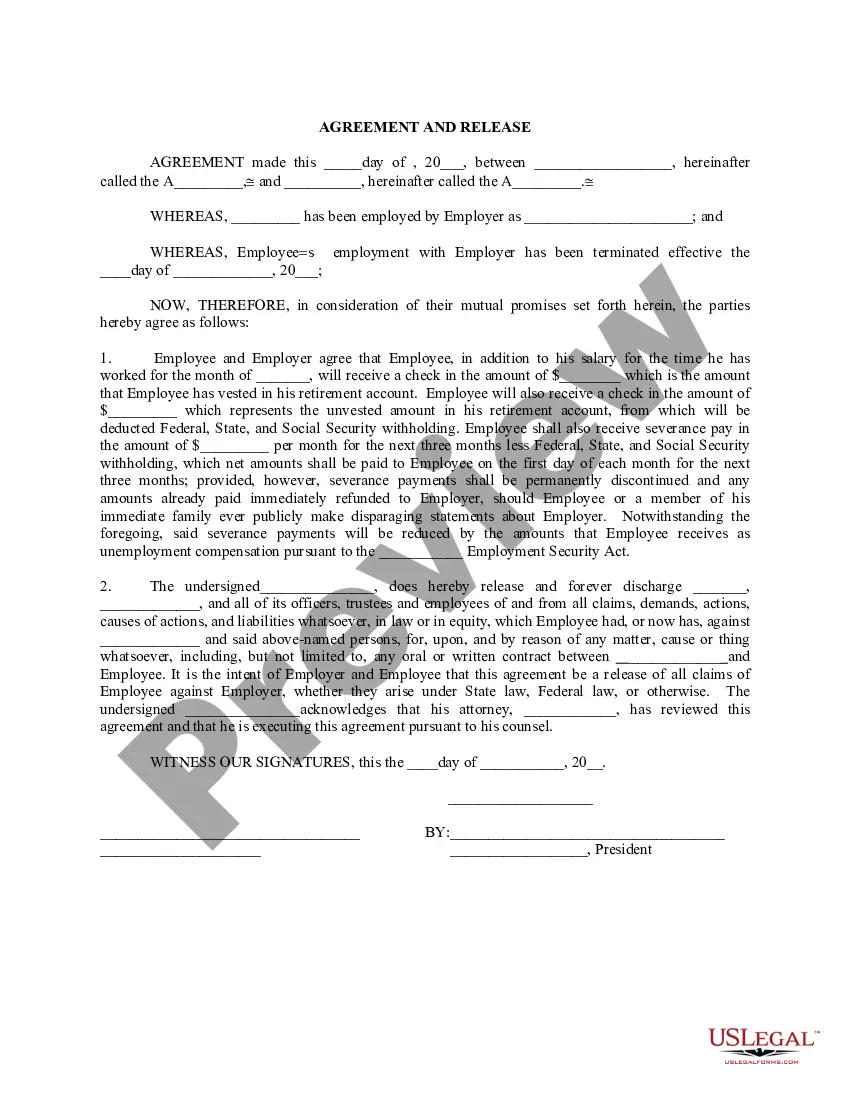
Get your form ready online
Our built-in tools help you complete, sign, share, and store your documents in one place.
Make edits, fill in missing information, and update formatting in US Legal Forms—just like you would in MS Word.
Download a copy, print it, send it by email, or mail it via USPS—whatever works best for your next step.
Sign and collect signatures with our SignNow integration. Send to multiple recipients, set reminders, and more. Go Premium to unlock E-Sign.
If this form requires notarization, complete it online through a secure video call—no need to meet a notary in person or wait for an appointment.
We protect your documents and personal data by following strict security and privacy standards.

Make edits, fill in missing information, and update formatting in US Legal Forms—just like you would in MS Word.

Download a copy, print it, send it by email, or mail it via USPS—whatever works best for your next step.

Sign and collect signatures with our SignNow integration. Send to multiple recipients, set reminders, and more. Go Premium to unlock E-Sign.

If this form requires notarization, complete it online through a secure video call—no need to meet a notary in person or wait for an appointment.

We protect your documents and personal data by following strict security and privacy standards.
Looking for another form?


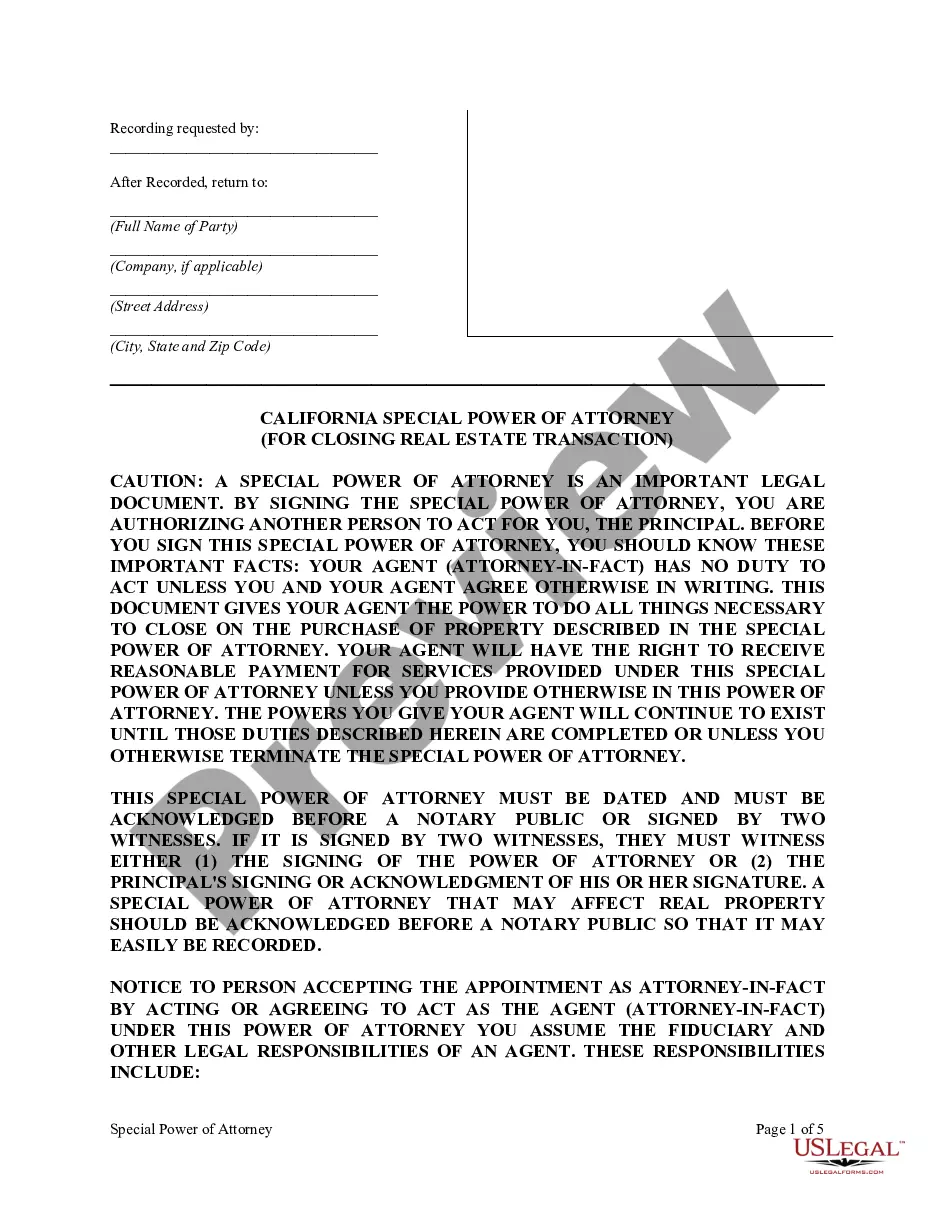

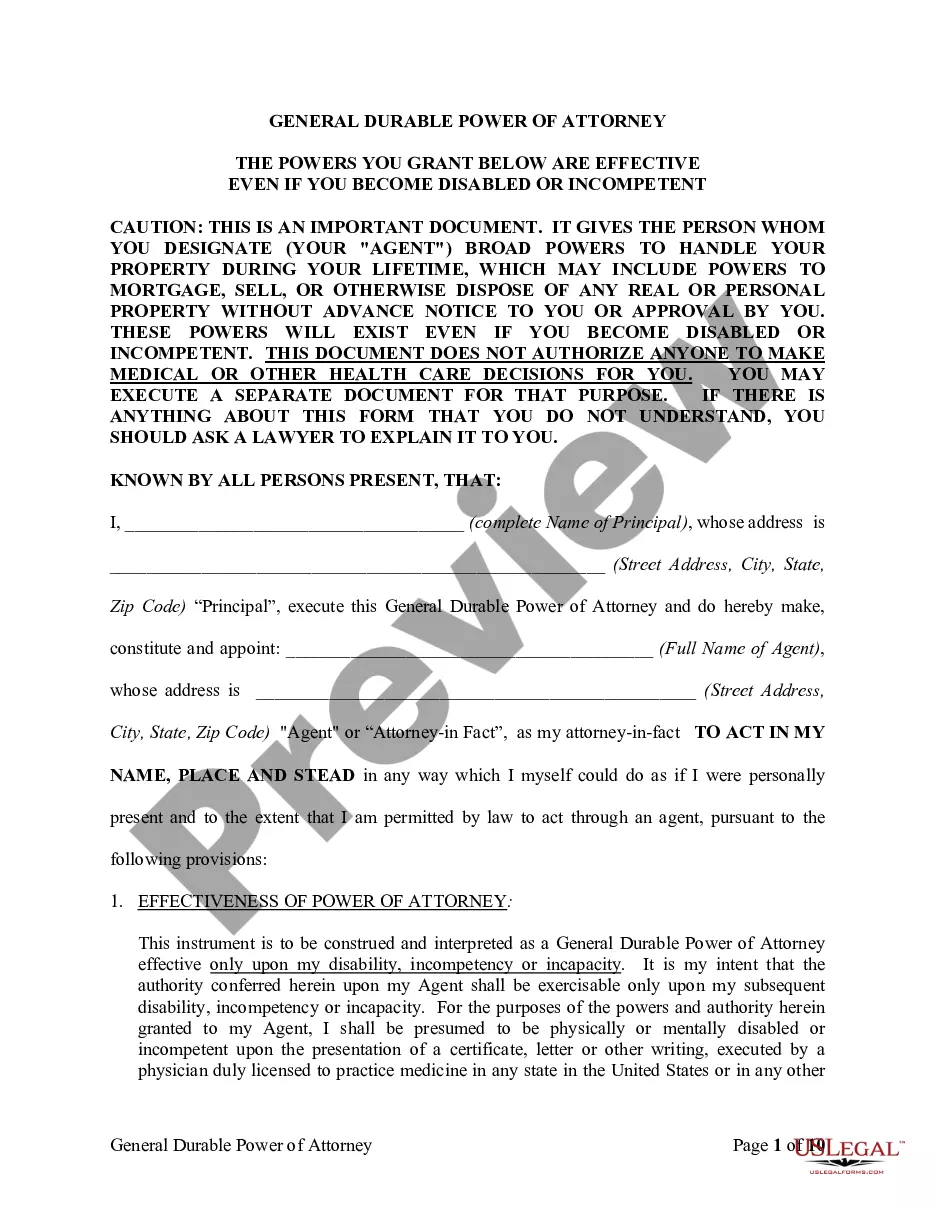


Form popularity
FAQ
Is California an At-Will State and What Does that Mean? Yes, California is an at-will state. Legally, that means an employer can terminate an employee for any reason and without warning. The opposite is true as well.
The type of evidence you will need depends on the type of wrongful termination case you have. Evidence can be in the form of your testimony, witness statements, “me too” victims, documents, communications, and recordings. Evidence of a particular pattern, practice, and policy may also be relevant.
What Is the New Law for Severance Agreements in California? California's “Silenced No More Act” began in January 2022 and impacted severance agreements by prohibiting employers from including non-disclosure and non-disparagement clauses where it relates to harassment, discrimination, and retaliation.
If you were truly fired for no reason, and you are not covered by a union contract or employee handbook, there is likely nothing you can do. If you were fired for a bad reason, you could appeal to your HR or contact your local office of the Equal Employment Opportunity Commission (EEOC).
California Is an “At-Will” State California obeys “at-will” employment laws. This means that all employers have the right to terminate employees at will, for almost any reason, or for no reason at all. This does not, however, mean that an employer can fire someone out of discrimination, harassment, or retaliation.
California is one of the few states in the U.S. that operates under an at-will employment framework, allowing employers to terminate employees without providing a specific reason. This is commonly referred to as no-cause termination.
California Is an “At-Will” State California obeys “at-will” employment laws. This means that all employers have the right to terminate employees at will, for almost any reason, or for no reason at all. This does not, however, mean that an employer can fire someone out of discrimination, harassment, or retaliation.
California Is an “At-Will” State This means that all employers have the right to terminate employees at will, for almost any reason, or for no reason at all. This does not, however, mean that an employer can fire someone out of discrimination, harassment, or retaliation.