Installment Loan Contract For Credit Building In Wake
Description

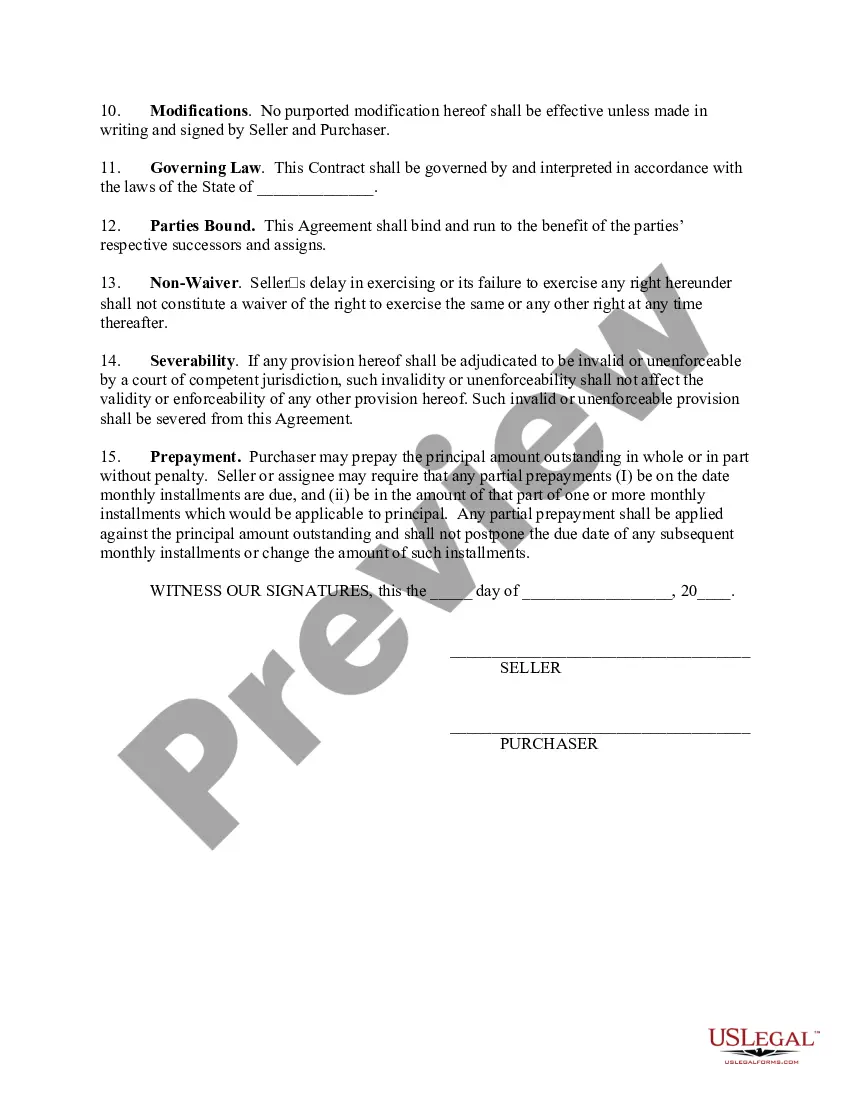
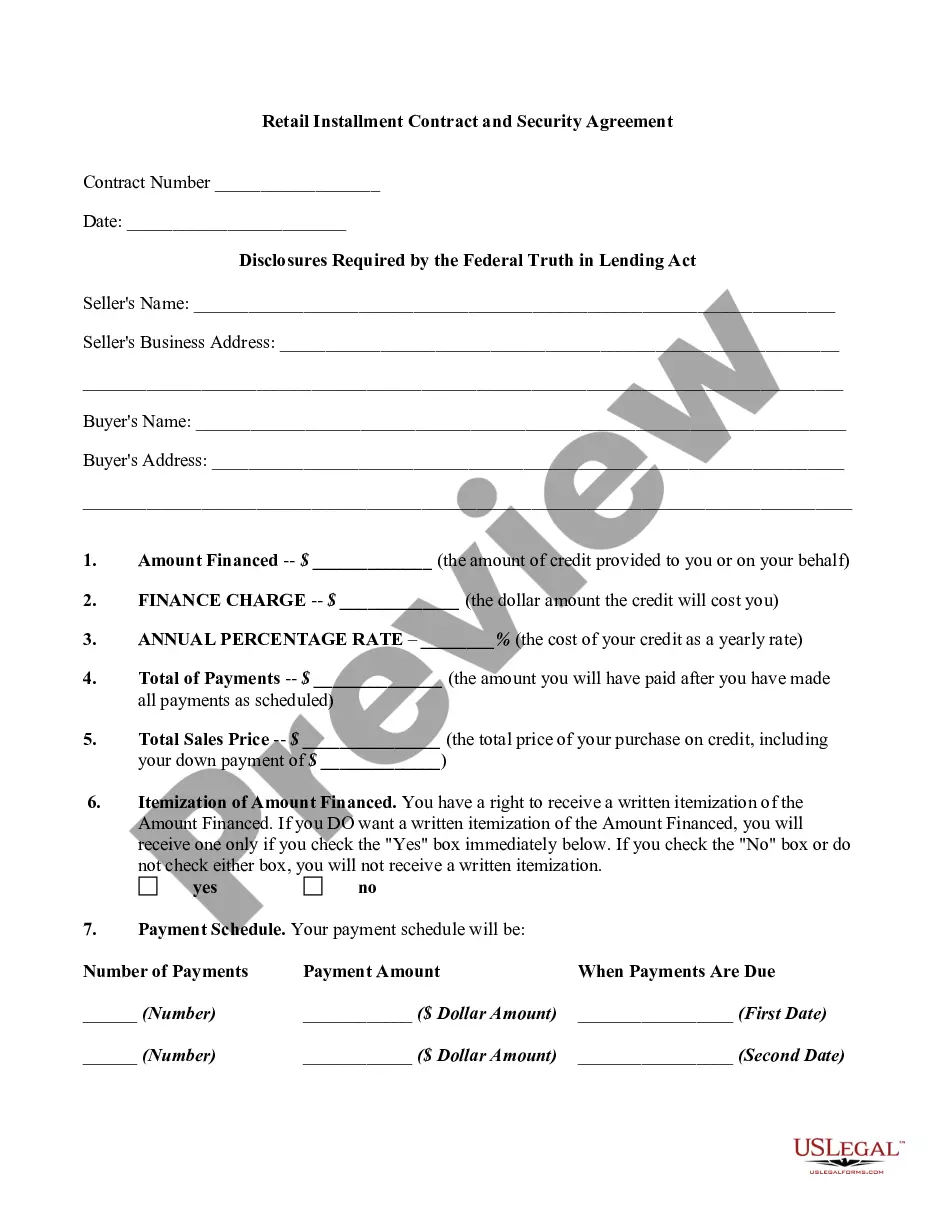
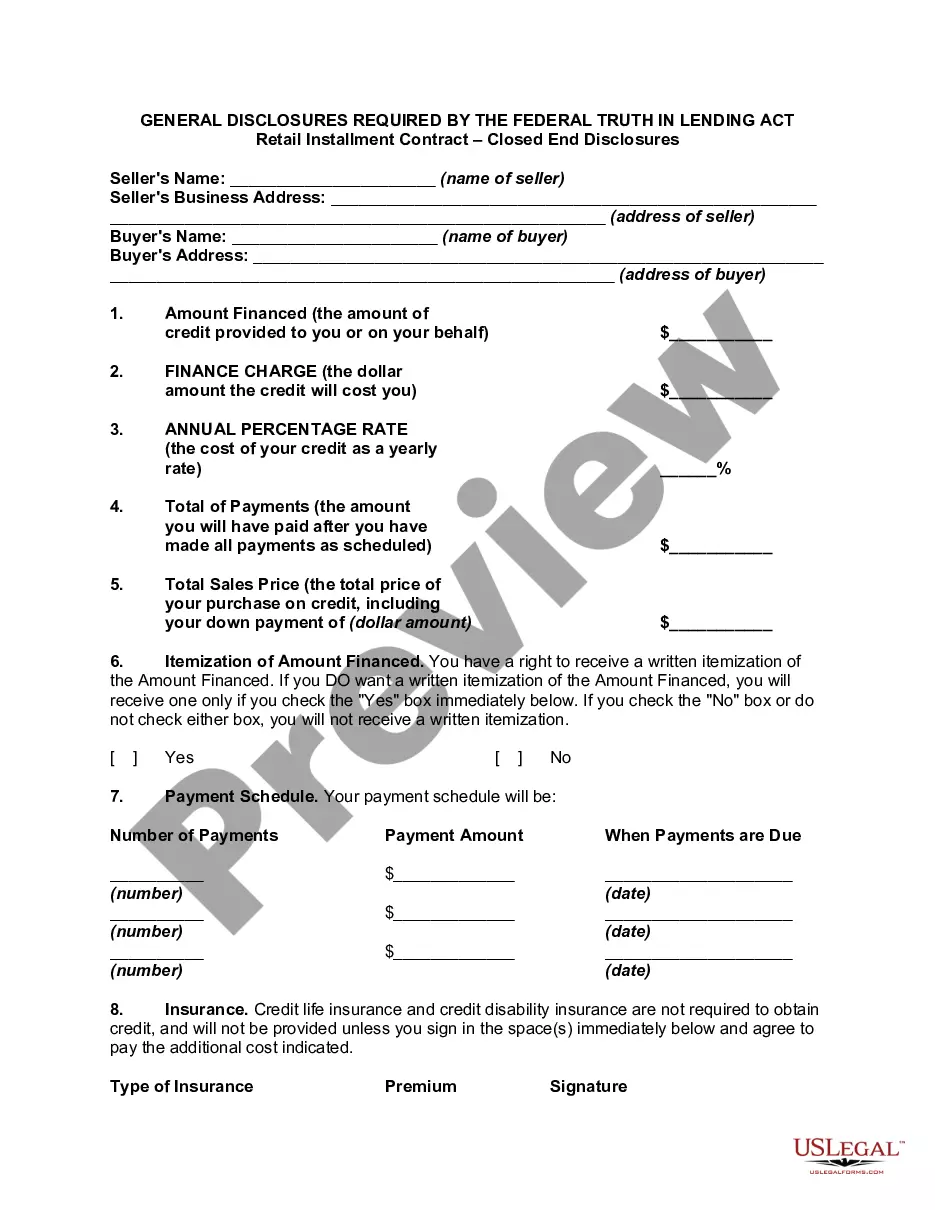
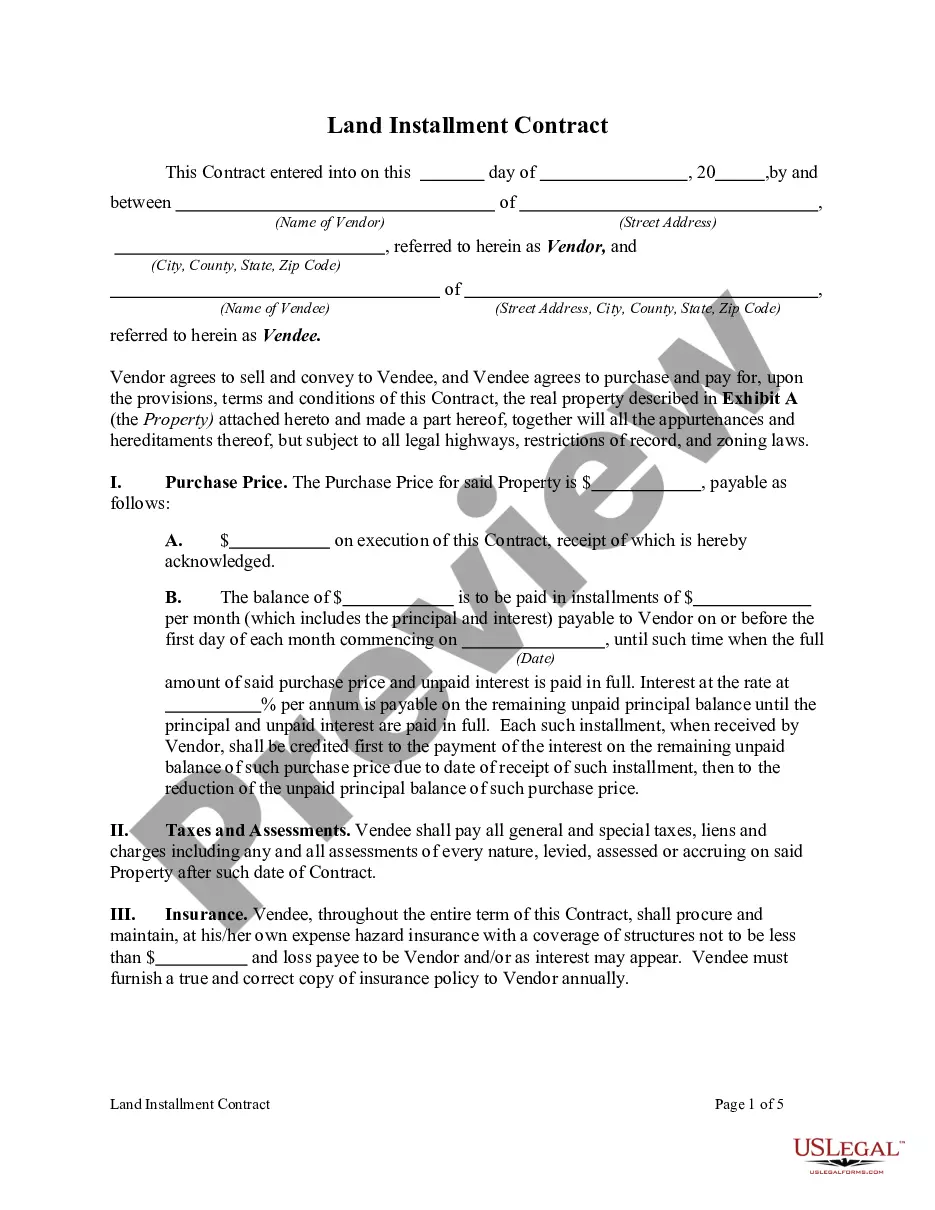
Get your form ready online
Our built-in tools help you complete, sign, share, and store your documents in one place.
Make edits, fill in missing information, and update formatting in US Legal Forms—just like you would in MS Word.
Download a copy, print it, send it by email, or mail it via USPS—whatever works best for your next step.
Sign and collect signatures with our SignNow integration. Send to multiple recipients, set reminders, and more. Go Premium to unlock E-Sign.
If this form requires notarization, complete it online through a secure video call—no need to meet a notary in person or wait for an appointment.
We protect your documents and personal data by following strict security and privacy standards.

Make edits, fill in missing information, and update formatting in US Legal Forms—just like you would in MS Word.

Download a copy, print it, send it by email, or mail it via USPS—whatever works best for your next step.

Sign and collect signatures with our SignNow integration. Send to multiple recipients, set reminders, and more. Go Premium to unlock E-Sign.

If this form requires notarization, complete it online through a secure video call—no need to meet a notary in person or wait for an appointment.

We protect your documents and personal data by following strict security and privacy standards.
Looking for another form?









Form popularity
FAQ
An installment plan won't impact your credit score.
Many installment loans, such as mortgages, have years-long repayment periods, making them a great option for establishing credit long-term. However, your payment history is usually even more important than the age of your account. Payment history is often considered to be the largest contributor to your credit scores.
Paying on time every month, keeping your credit utilization low and having a mix of different credit can help build your scores over time. If you have little or no credit history, it may take three to six months of credit activity to get your first credit scores.
If you're new to credit, it may take six months to a year to reach a solid score of around 700 using FICO® or VantageScore® models. Hitting an exceptional score of 800 or higher often takes years of careful and responsible credit management.
There's no single starting credit score for people who are just beginning their credit journey. However, early scores tend to be in the good (670-739) or fair (580-669) range. The average credit score for 18-year-olds — 681 — falls well within the good range.
How to Build Your Credit History Open Your First Credit Account. Keep Your Accounts Active. Don't Close Old Credit Accounts. Make Payments On Time. Use Credit Sparingly. Diversify Your Credit Accounts. Monitor Your Credit Activity Regularly.
To write a simple contract, title it clearly, identify all parties and specify terms (services or payments). Include an offer, acceptance, consideration, and intent. Add a signature and date for enforceability. Written contracts reduce disputes and offer better legal security than verbal ones.
Installment loans can help build credit if you are consistently paying on time and the lender reports your activity to one or more credit bureaus. The biggest influence on credit score is your payment history, so a record of on-time payments will help your credit.
