Retail Agreement Format In Virginia
Description

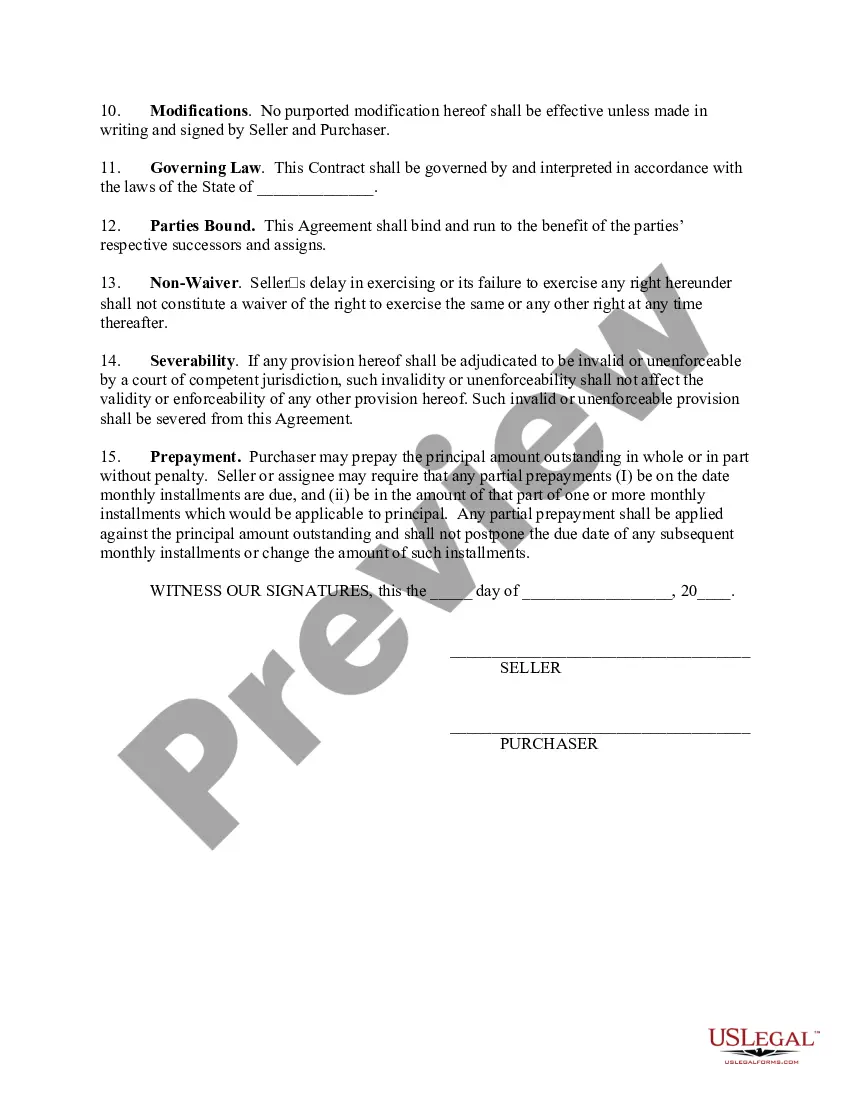
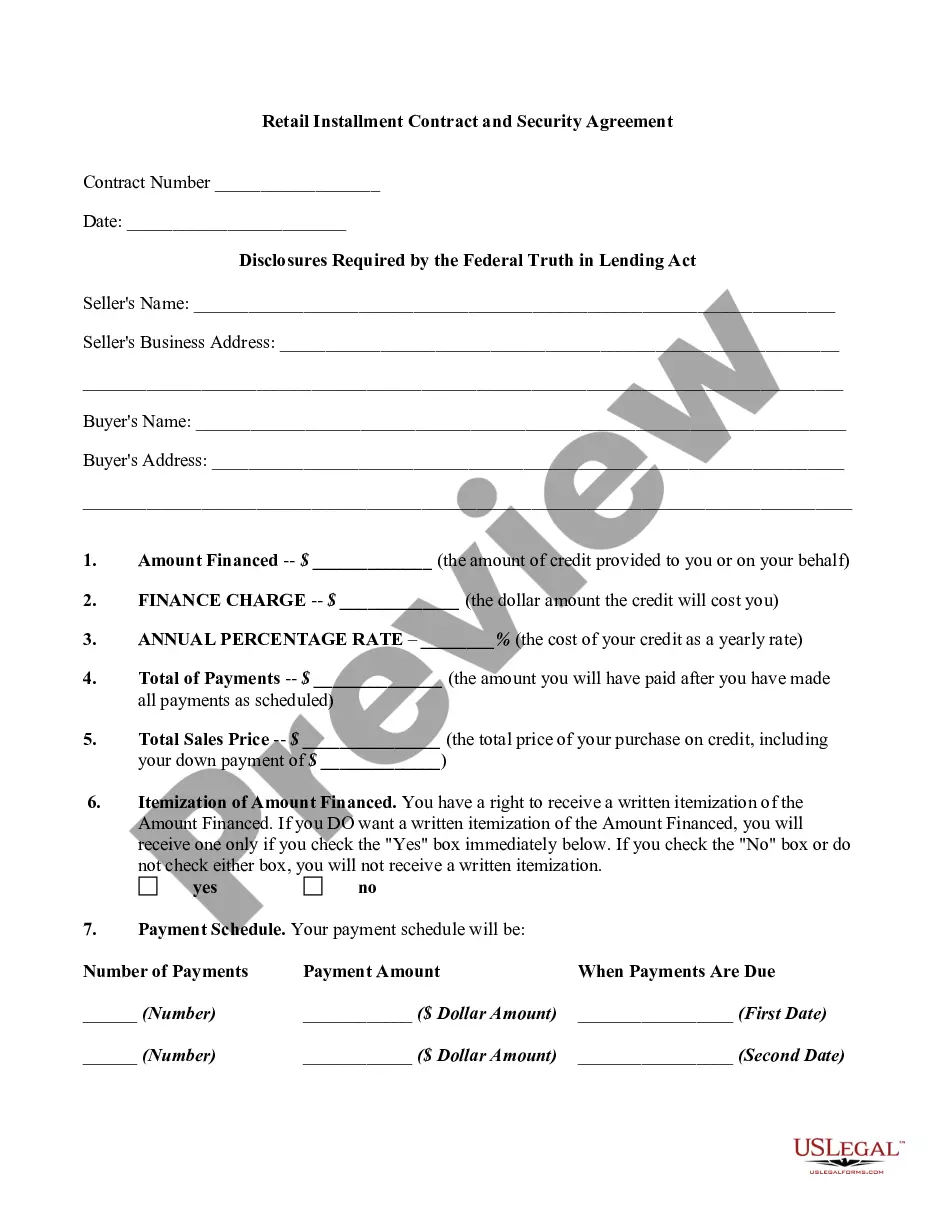
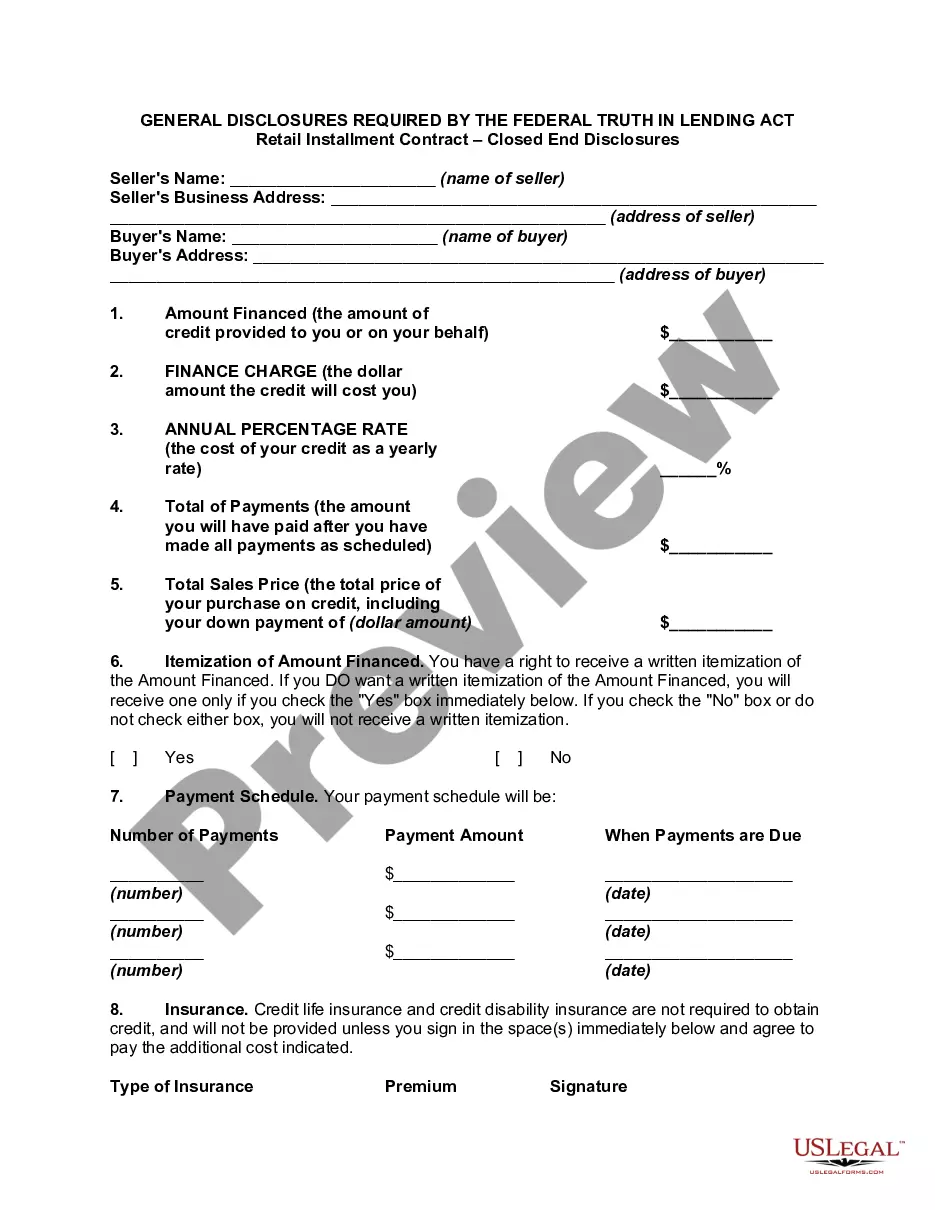
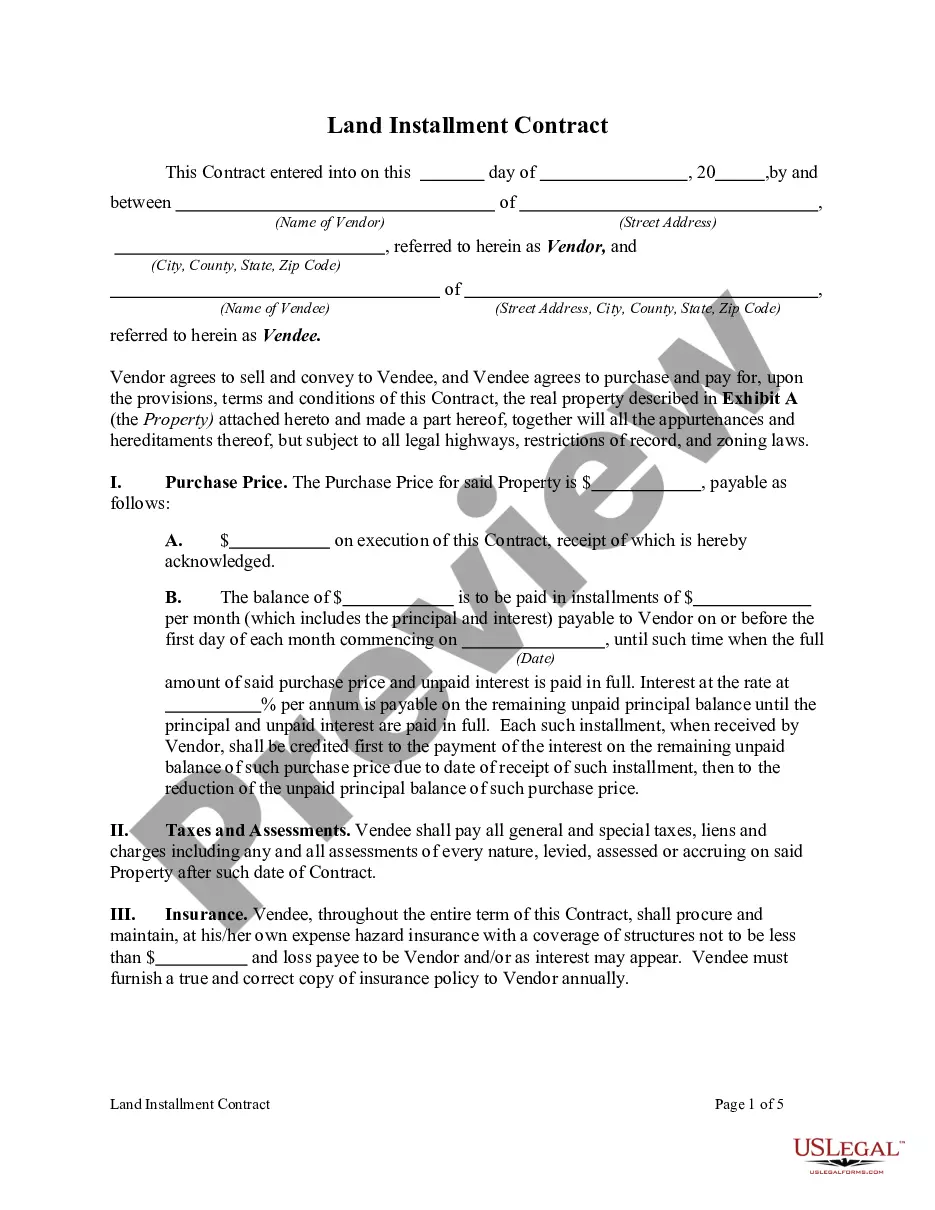
Get your form ready online
Our built-in tools help you complete, sign, share, and store your documents in one place.
Make edits, fill in missing information, and update formatting in US Legal Forms—just like you would in MS Word.
Download a copy, print it, send it by email, or mail it via USPS—whatever works best for your next step.
Sign and collect signatures with our SignNow integration. Send to multiple recipients, set reminders, and more. Go Premium to unlock E-Sign.
If this form requires notarization, complete it online through a secure video call—no need to meet a notary in person or wait for an appointment.
We protect your documents and personal data by following strict security and privacy standards.

Make edits, fill in missing information, and update formatting in US Legal Forms—just like you would in MS Word.

Download a copy, print it, send it by email, or mail it via USPS—whatever works best for your next step.

Sign and collect signatures with our SignNow integration. Send to multiple recipients, set reminders, and more. Go Premium to unlock E-Sign.

If this form requires notarization, complete it online through a secure video call—no need to meet a notary in person or wait for an appointment.

We protect your documents and personal data by following strict security and privacy standards.
Looking for another form?








Form popularity
FAQ
How to write a business contract Determine why you need a contract. Define all applicable parties. Include all essential elements of a contract. Select the appropriate governing law and jurisdiction. Write everything in plain language. Use repeatable language and formats when possible. Use tables, lists, and other tools.
Typically, a sales contract offers more details about the terms of the transaction than a bill of sale. It includes things like warranty information and delivery arrangements, and is drafted before any goods are exchanged.
Write the contract in six steps Start with a contract template. Open with the basic information. Describe in detail what you have agreed to. Include a description of how the contract will be ended. Write into the contract which laws apply and how disputes will be resolved. Include space for signatures.
Does a Lease in Virginia need to be notarized? No. The Lease simply needs to be signed by both parties to be legally binding and enforceable.
Effective January 1, 2025, the Virginia SCC Clerk's Office will only accept Uniform Commercial Code (UCC) documents submitted online. Paper submissions will be returned unprocessed. All UCC filings must be made through the Clerk's Information System (CIS).
Effective January 1, 2025, the Virginia SCC Clerk's Office will only accept Uniform Commercial Code (UCC) documents submitted online. Paper submissions will be returned unprocessed. All UCC filings must be made through the Clerk's Information System (CIS).
In all cases, you should file a UCC-1 with the secretary of state's office in the state where the debtor is incorporated or organized (if a business), or lives (if an individual).
Correct filing location: File the fixture filing in the real property records of the county where the real estate is located and, if the collateral includes both personal property and fixtures, also in the central UCC filing office where the debtor is “located” (as per UCC Article 9's definition of debtor location).