Retail Installment Contract Vs Bill Of Sale For Vehicle In Suffolk
Description



Form popularity
FAQ
A bill of sale is more akin to a receipt rather than a contract. Since it is such a simple document, there is no way to truly enforce it. If the bill of sale is the only document you use in a transaction, it is best to ensure there is enough detail on it to make the transaction enforceable.
A bill of sale isn't the same as a sales contract. A sales contract is drawn up and signed before a transaction. It lays out the terms of the transaction before buyer and seller come to a final agreement.
Yes, a bill of sale is generally considered legally binding whether it's notarized or not. While notarization adds authenticity and may be required in some jurisdictions, its absence does not invalidate the bill of sale's validity.
Whereas a sales contract is used prior to the exchange of goods, a bill of sale is used during or after the exchange of goods to transfer ownership of the goods from the seller to the buyer.
Can a seller back out of a bill of sale? It is legally binding if both parties have signed an “as-is” bill of sale. The same document protecting sellers from flaky buyers and other liabilities protects buyers from sellers who might change their minds. Once you've signed the bill of sale, you can't take the car back.
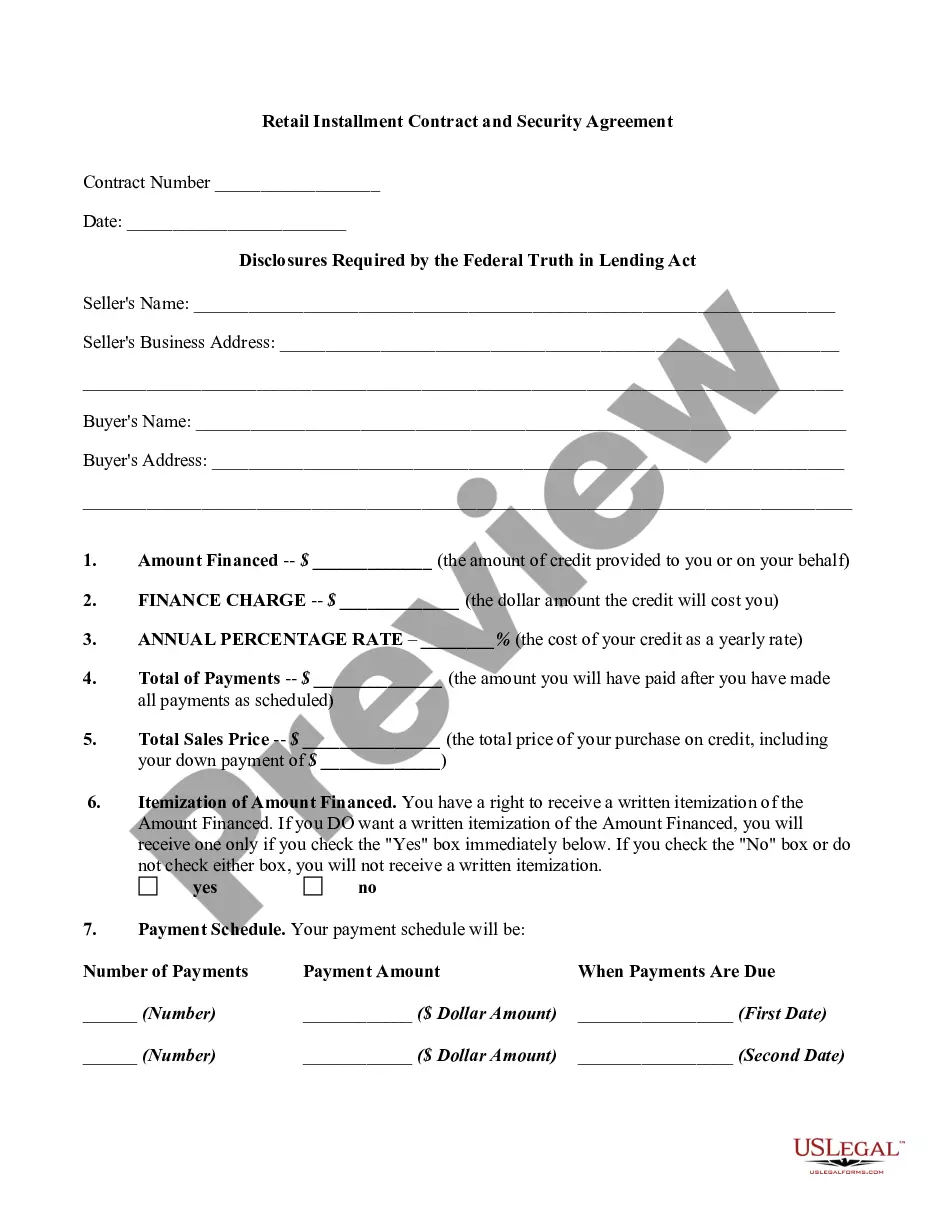
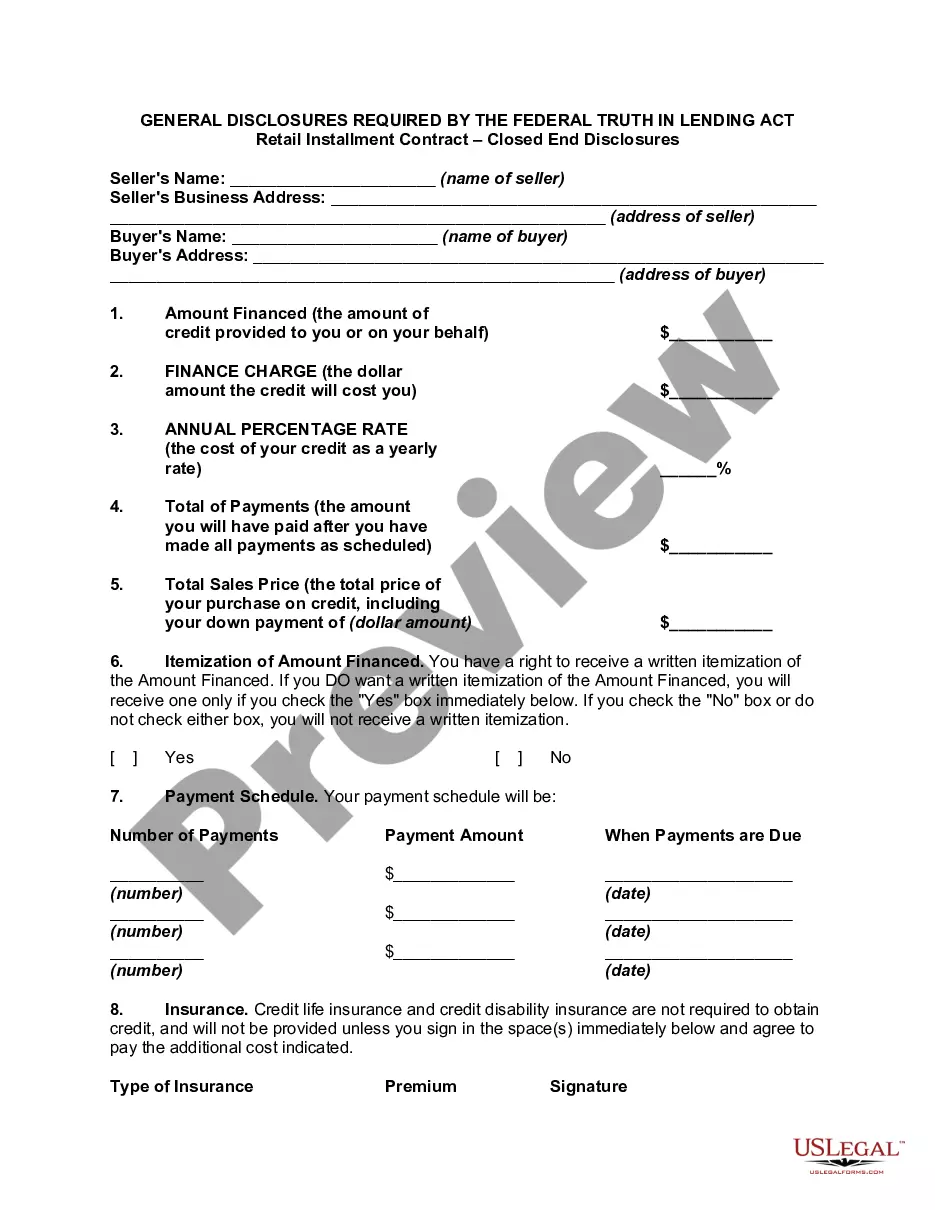
Getting a Copy of the Contract Under TILA, the dealer is required to give the customer a copy of the contract to keep at the time the customer signs the retail installment sale contract whether you want to incur the debt on these terms.
The new owner must give the original bill of sale to the DMV along with the other required proofs of ownership when they title and register the vehicle.
A bill of sale is more akin to a receipt rather than a contract. Since it is such a simple document, there is no way to truly enforce it. If the bill of sale is the only document you use in a transaction, it is best to ensure there is enough detail on it to make the transaction enforceable.
