Installment Contract Receivable Formula In San Bernardino
Description

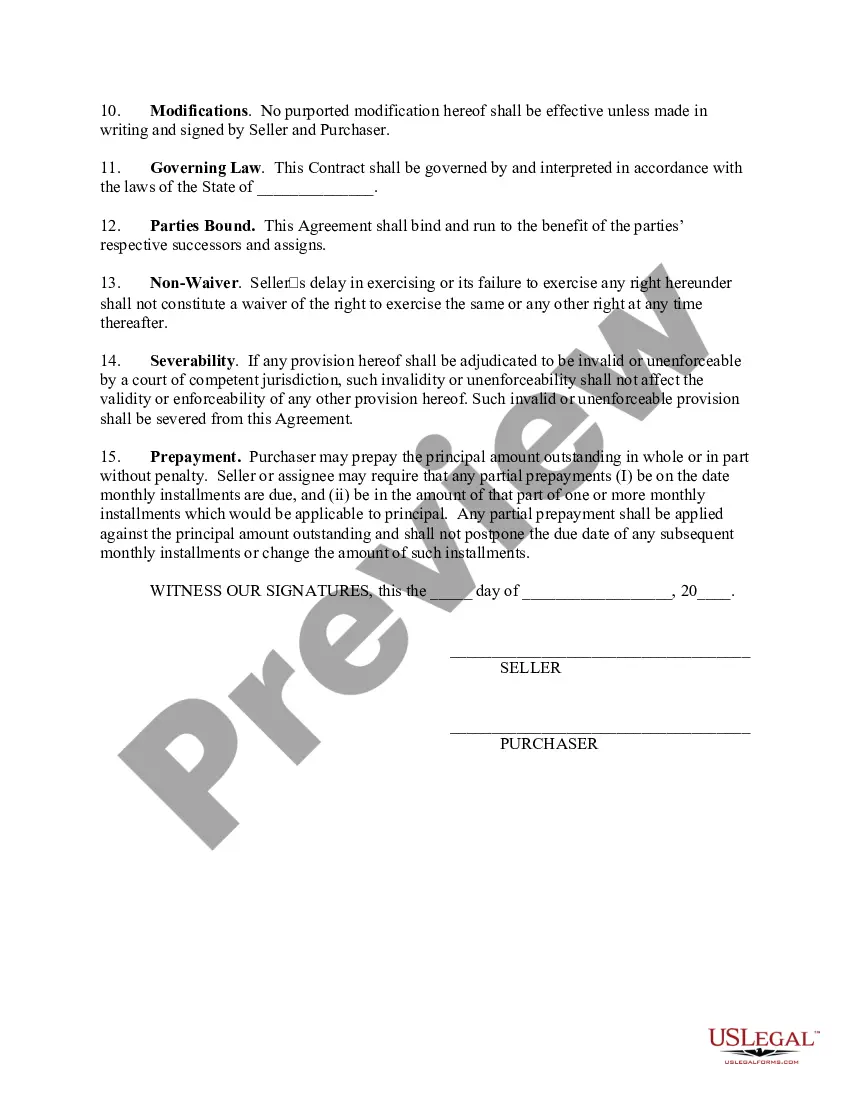
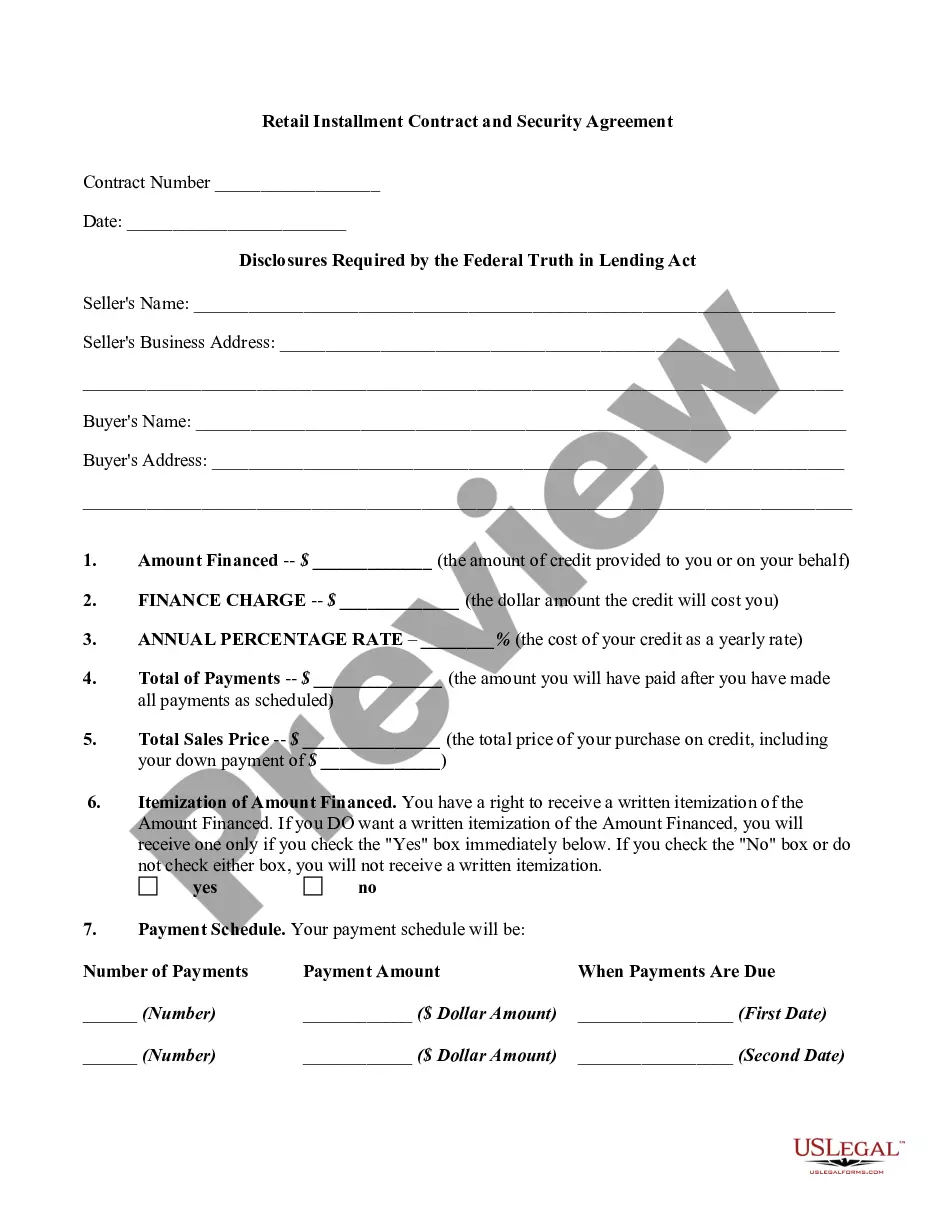
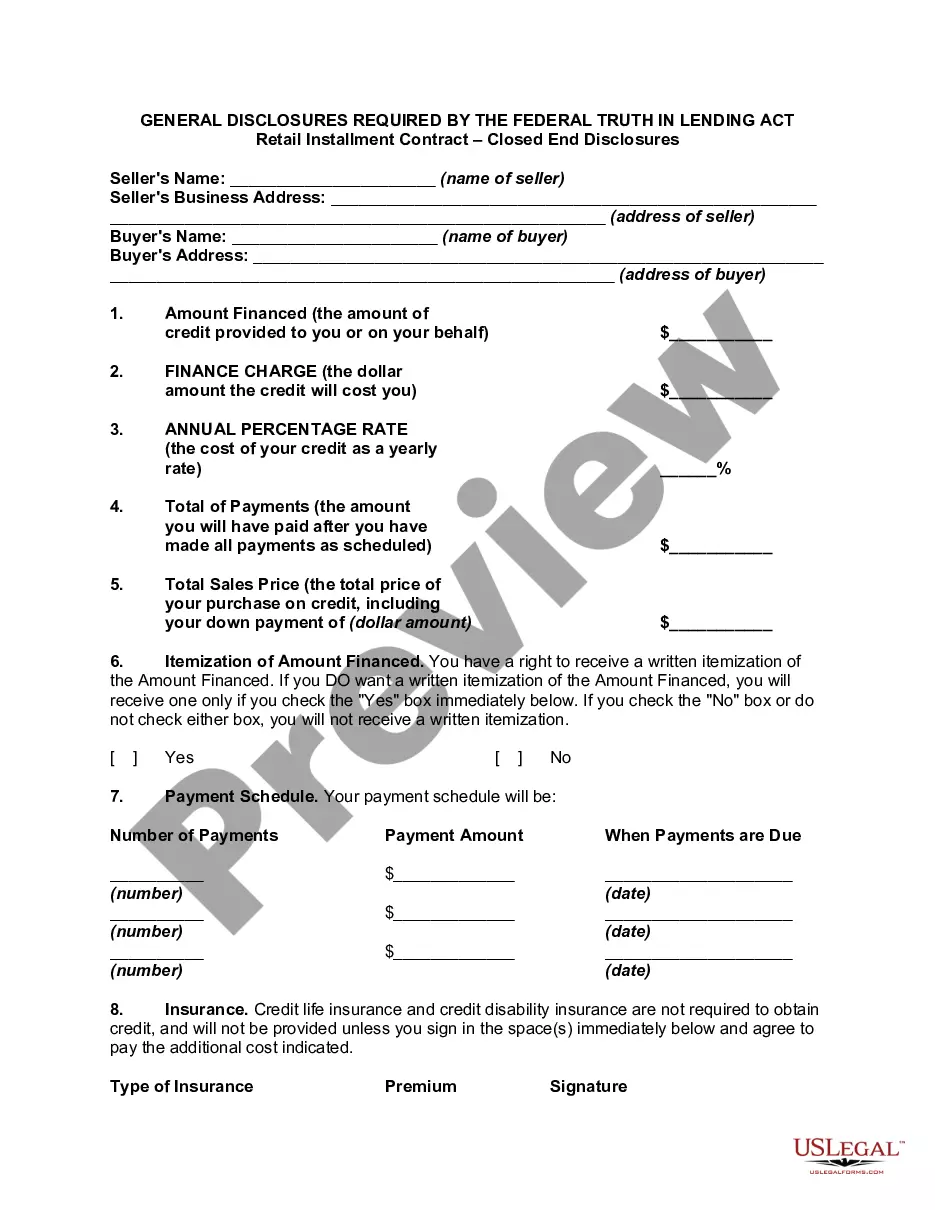
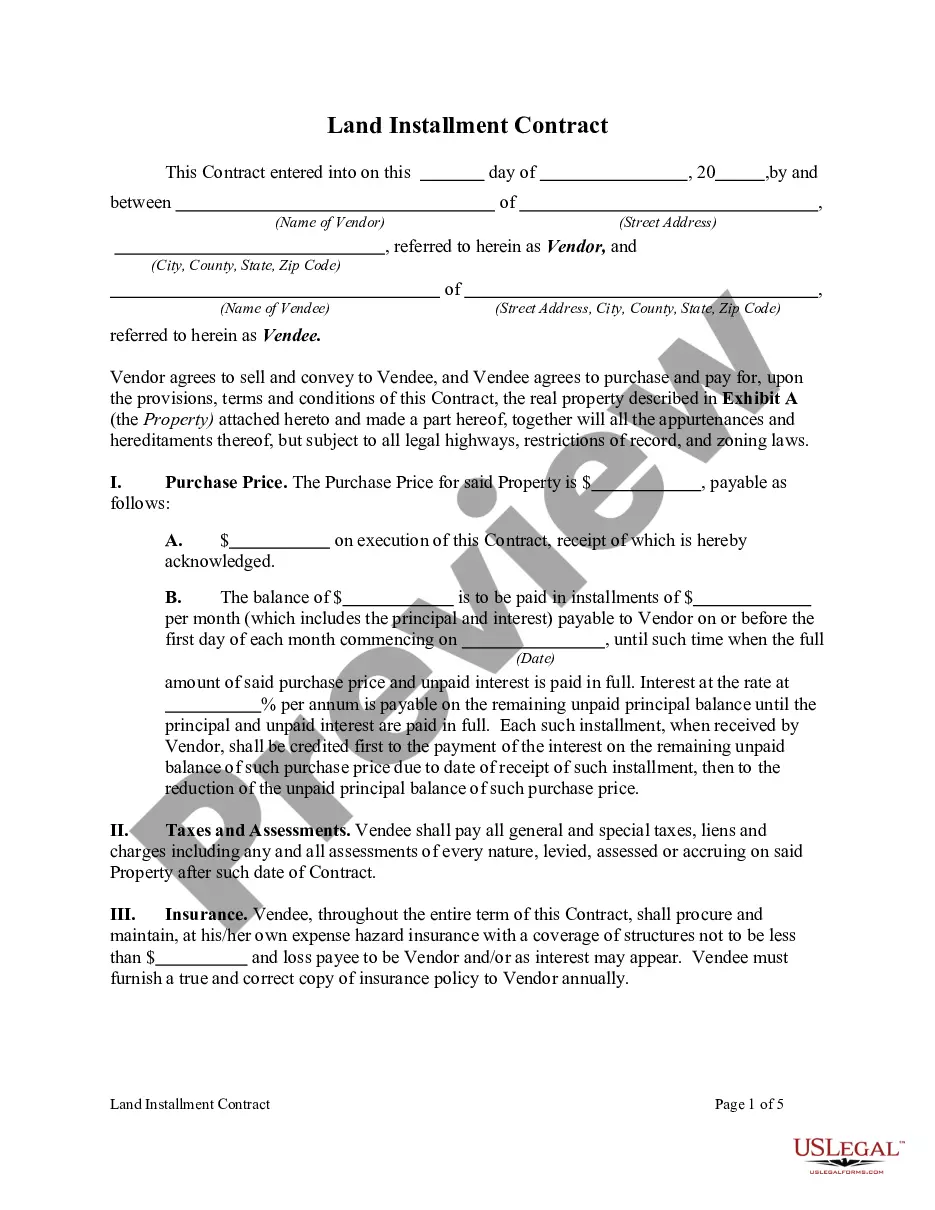
Get your form ready online
Our built-in tools help you complete, sign, share, and store your documents in one place.
Make edits, fill in missing information, and update formatting in US Legal Forms—just like you would in MS Word.
Download a copy, print it, send it by email, or mail it via USPS—whatever works best for your next step.
Sign and collect signatures with our SignNow integration. Send to multiple recipients, set reminders, and more. Go Premium to unlock E-Sign.
If this form requires notarization, complete it online through a secure video call—no need to meet a notary in person or wait for an appointment.
We protect your documents and personal data by following strict security and privacy standards.

Make edits, fill in missing information, and update formatting in US Legal Forms—just like you would in MS Word.

Download a copy, print it, send it by email, or mail it via USPS—whatever works best for your next step.

Sign and collect signatures with our SignNow integration. Send to multiple recipients, set reminders, and more. Go Premium to unlock E-Sign.

If this form requires notarization, complete it online through a secure video call—no need to meet a notary in person or wait for an appointment.

We protect your documents and personal data by following strict security and privacy standards.
Looking for another form?





Form popularity
FAQ
Multiply the payments you receive each year (less interest) by the gross profit percentage. The result is your installment sale income for the tax year.
Personal loans, auto loans, mortgages and student loans are all examples of installment loans.
3 Example of the installment method To recognize the revenue and COGS through the installment method, you would record a journal entry at the time of sale with debit installment receivables for $10,000 and credit deferred gross profit for $4,000 and credit COGS for $6,000.
In an installment sale, the seller takes a note receivable for deferred payments from the buyer. The seller then recognizes taxable gain as installment payments of note receivable principal amounts are received, in proportion to the principal payments.
Accounts receivable are informal, short-term and non-interest-bearing amounts owed by a customer. Notes receivable have the backing of a promissory note, bear interest and have longer terms, sometimes exceeding a full business cycle.
An installment contract is a single contract that is completed by a series of performances –such as payments, performances of a service, or delivery of goods–rather than being performed all at one time.
Requirements for an Installments Sale The first is that if an asset is sold and payments will be made over time that at least one payment be received a year after the tax year of the sale. The second is that the installment sale is recorded on Form 6252.
Answer: Apportioning trades or businesses (including pass-through entities) that use a special formula under CCR sections 25137-1 to -14 must use the single-sales factor to apportion its business income to California except for those that derive more than 50% of their gross business receipts from QBAs.
