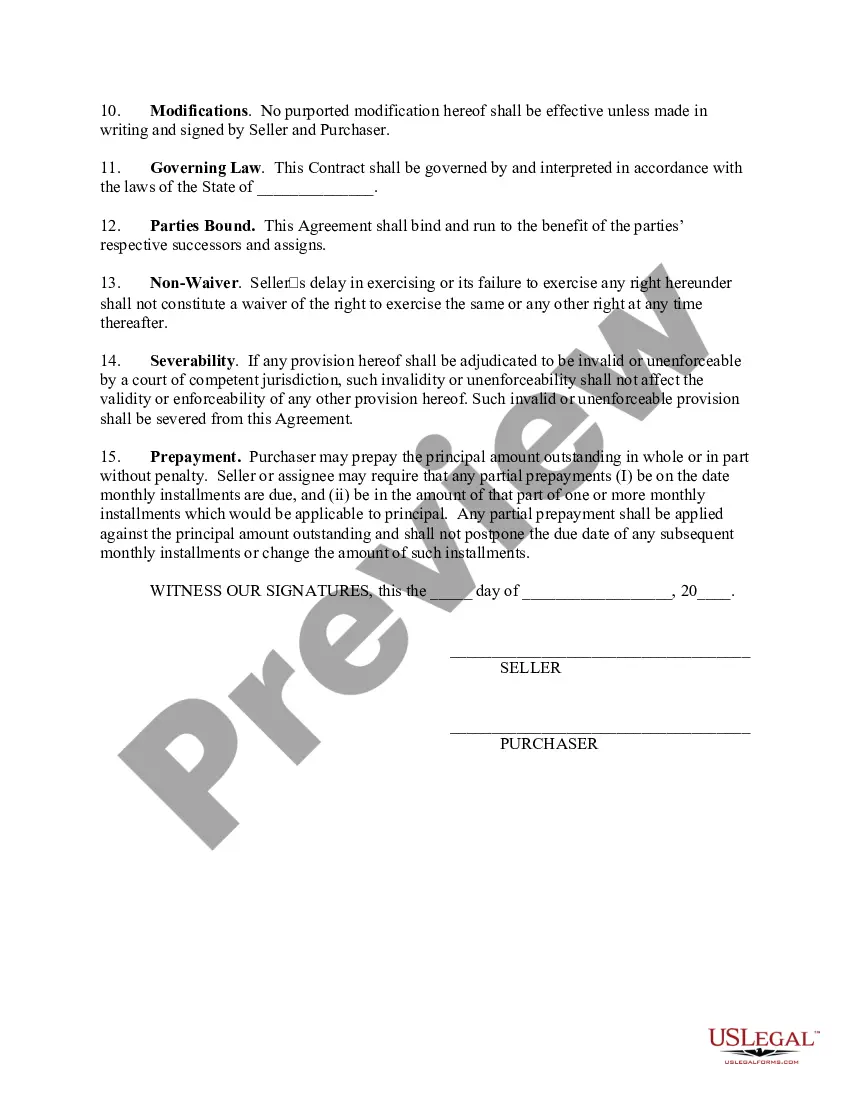
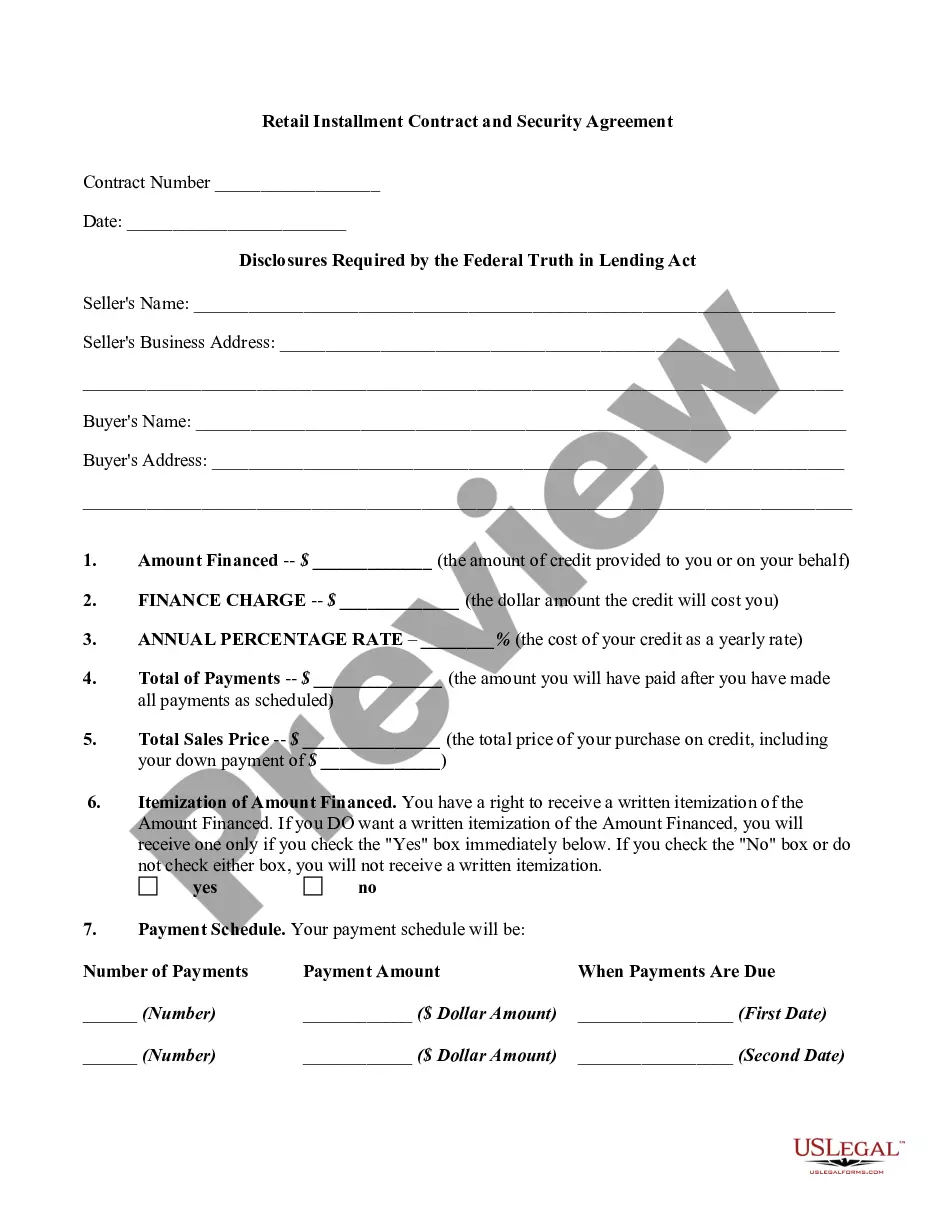
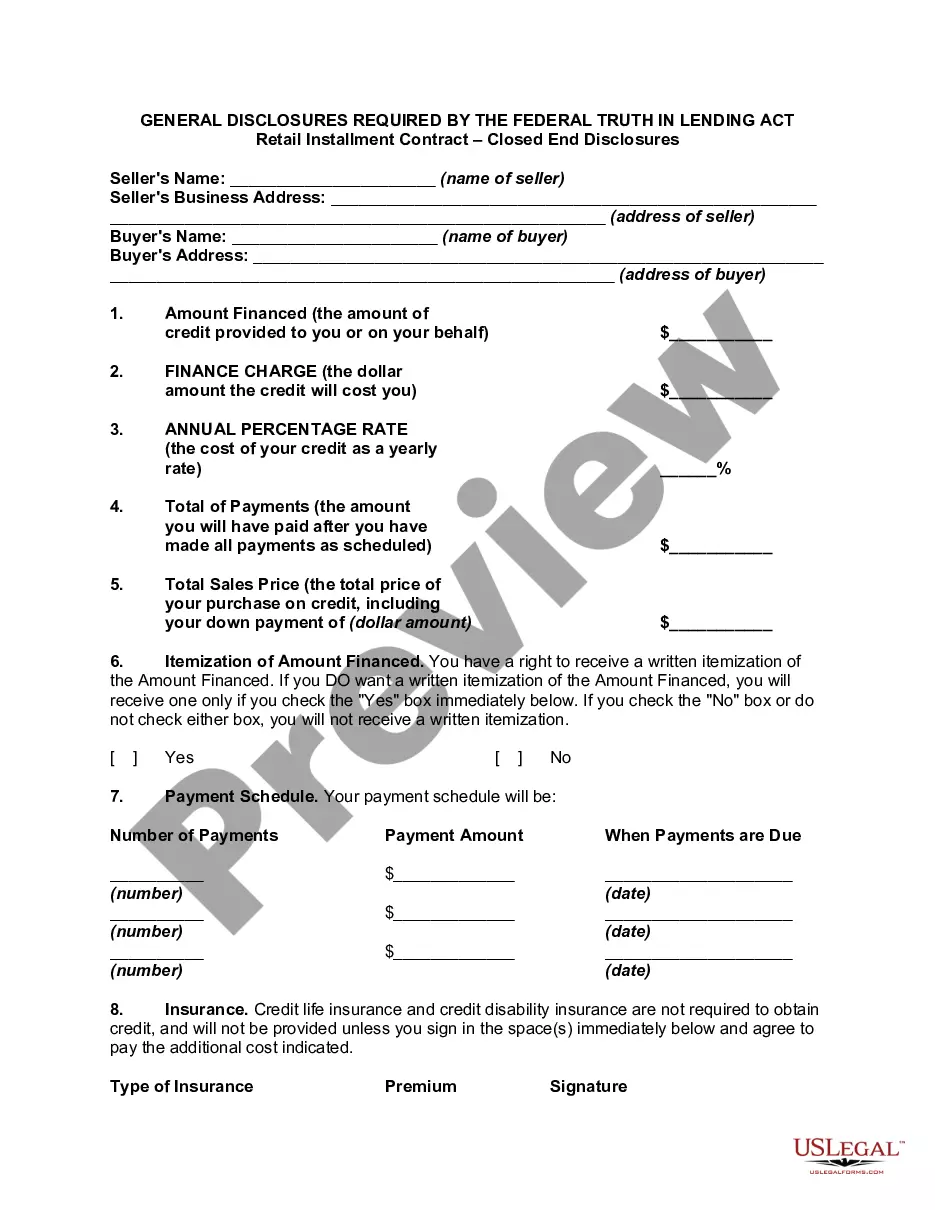
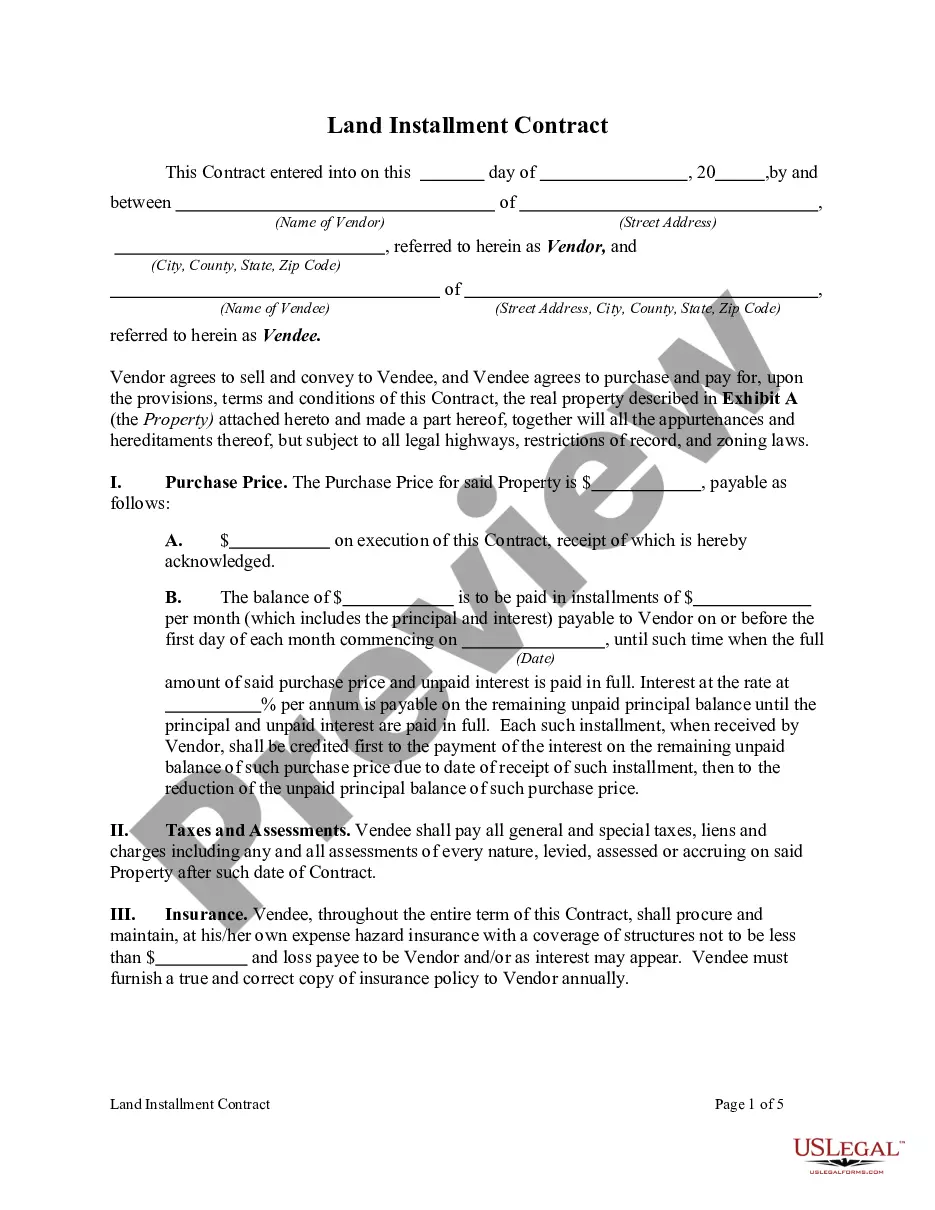
Installment Loan Contract With Consumer Proposal In Ohio
Description

Get your form ready online
Our built-in tools help you complete, sign, share, and store your documents in one place.
Make edits, fill in missing information, and update formatting in US Legal Forms—just like you would in MS Word.
Download a copy, print it, send it by email, or mail it via USPS—whatever works best for your next step.
Sign and collect signatures with our SignNow integration. Send to multiple recipients, set reminders, and more. Go Premium to unlock E-Sign.
If this form requires notarization, complete it online through a secure video call—no need to meet a notary in person or wait for an appointment.
We protect your documents and personal data by following strict security and privacy standards.

Make edits, fill in missing information, and update formatting in US Legal Forms—just like you would in MS Word.

Download a copy, print it, send it by email, or mail it via USPS—whatever works best for your next step.

Sign and collect signatures with our SignNow integration. Send to multiple recipients, set reminders, and more. Go Premium to unlock E-Sign.

If this form requires notarization, complete it online through a secure video call—no need to meet a notary in person or wait for an appointment.

We protect your documents and personal data by following strict security and privacy standards.
Looking for another form?








Form popularity
FAQ
An installment contract is a single contract that is completed by a series of performances –such as payments, performances of a service, or delivery of goods–rather than being performed all at one time. Installment contracts can provide that installments are to be performed by either one or both parties .
An installment contract offers a buyer less protection than a traditional mortgage. This is true mainly because of forfeiture provisions, which give the buyer no right of redemption and allow a buyer to lose all interest in the property for even the slightest breach.
You can keep credit cards when you file a CP so long as you have no balance on them on the date your CP is filed.
The total amount of debt owing, excluding the mortgage on your principal residence, must be less than $250,000 in order to qualify for a consumer proposal.
Secured Debts: Secured debts are backed by collateral, such as a home or car. Examples include mortgages and car loans. These debts typically are not included in a Consumer Proposal, which means you can keep the collateral asset as long as you continue to make the payments.
The purpose of a consumer proposal is to allow you to negotiate a revised payment plan with your creditors. By forgiving a significant chunk of your debt (in some cases, up to 80%), your payments shrink considerably, giving your budget some much-needed breathing room.
There are a small number of debts that cannot be wiped out (or reduced) by filing a Consumer Proposal, and these include: court awards for damages connected with bodily harm or sexual assault, child or spousal support arrears, court fines, debt incurred through fraud or misrepresentation, and government student loans ...
Reports including personal knowledge or firsthand interaction, reports made among persons under common control, and reports other than credit (including skip tracing, law enforcement, dating, and laboratory reports) are not consumer reports.
Most rejections occur because the proposal terms don't align with creditor expectations. Here are the main reasons creditors may reject a consumer proposal: Payment offer is too low relative to bankruptcy – Creditors expect to receive more than they would if you were to file bankruptcy.
