Installment Contract Agreement With Credit Card In Nevada
Description

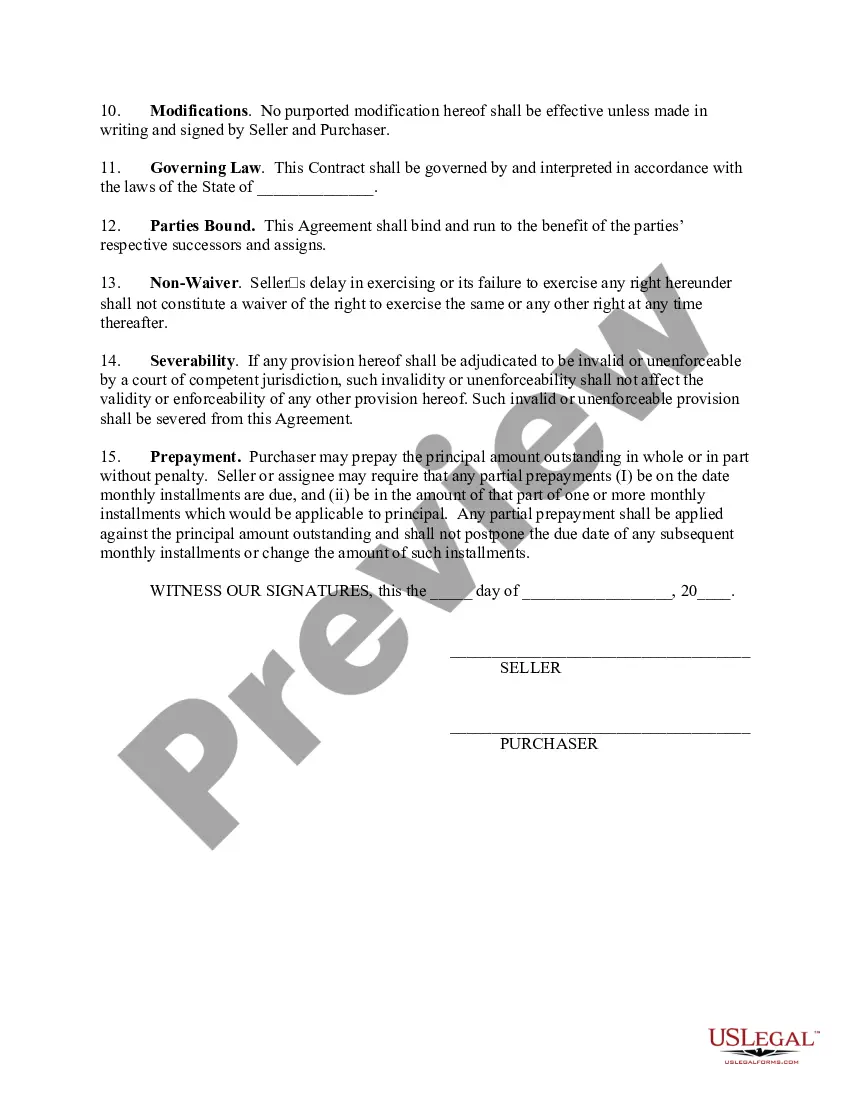
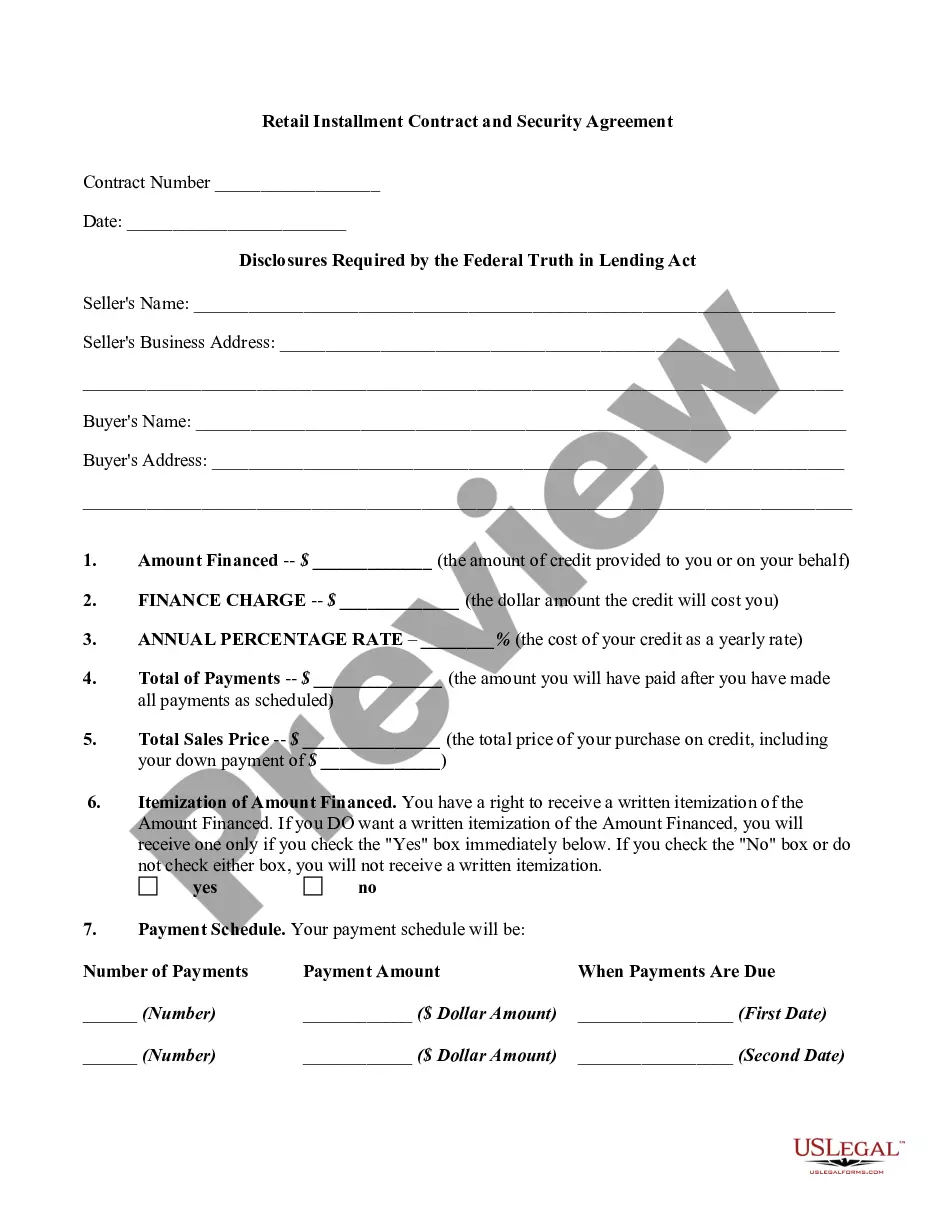
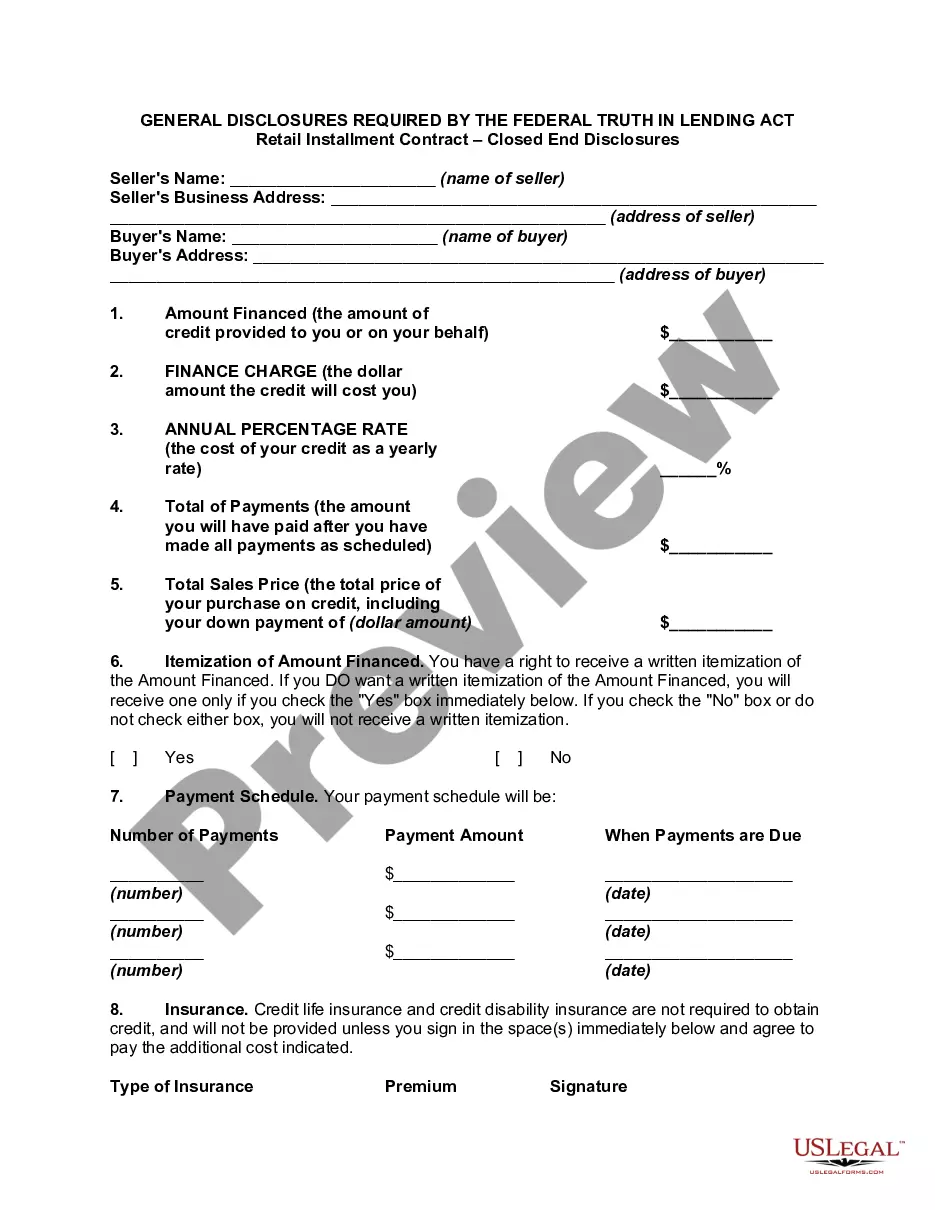
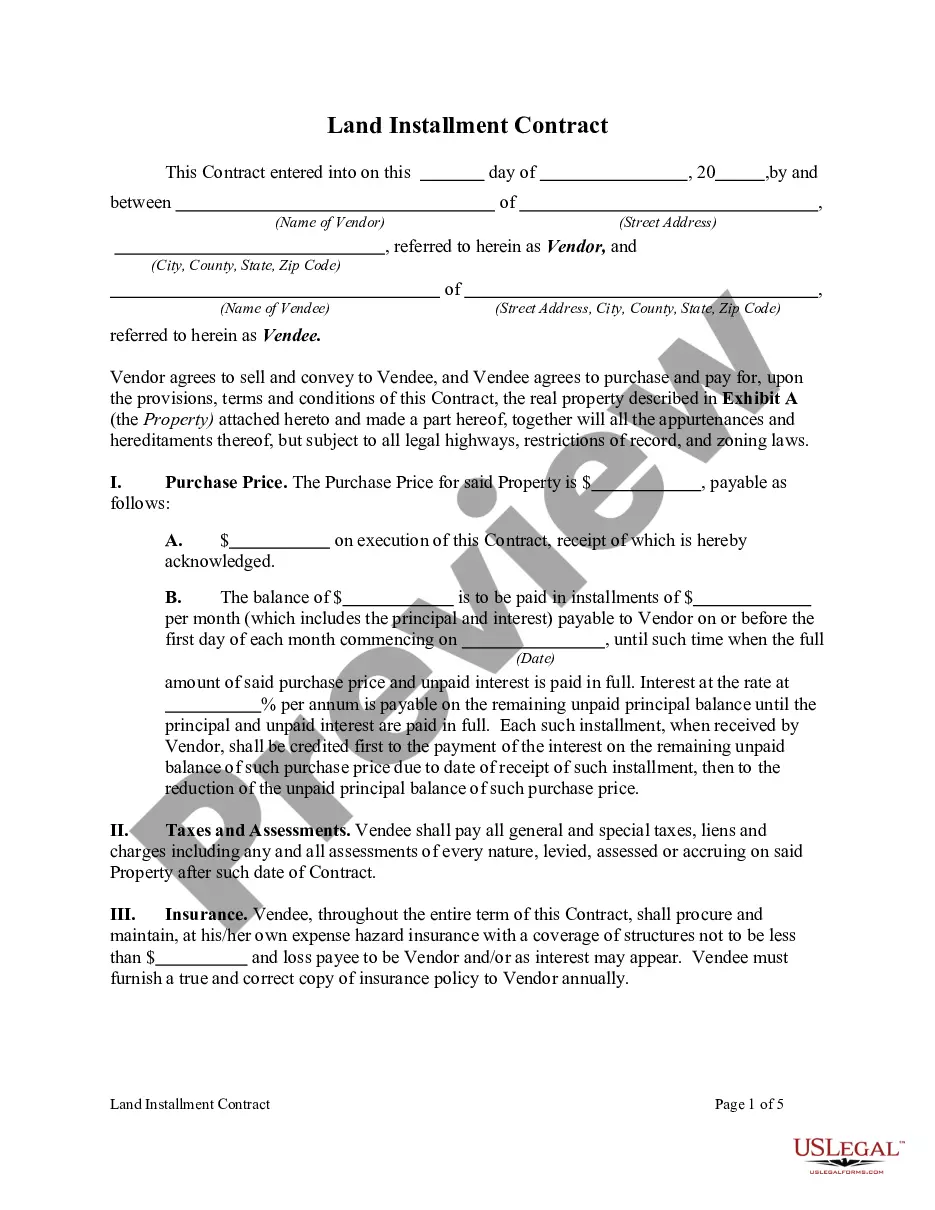
Get your form ready online
Our built-in tools help you complete, sign, share, and store your documents in one place.
Make edits, fill in missing information, and update formatting in US Legal Forms—just like you would in MS Word.
Download a copy, print it, send it by email, or mail it via USPS—whatever works best for your next step.
Sign and collect signatures with our SignNow integration. Send to multiple recipients, set reminders, and more. Go Premium to unlock E-Sign.
If this form requires notarization, complete it online through a secure video call—no need to meet a notary in person or wait for an appointment.
We protect your documents and personal data by following strict security and privacy standards.

Make edits, fill in missing information, and update formatting in US Legal Forms—just like you would in MS Word.

Download a copy, print it, send it by email, or mail it via USPS—whatever works best for your next step.

Sign and collect signatures with our SignNow integration. Send to multiple recipients, set reminders, and more. Go Premium to unlock E-Sign.

If this form requires notarization, complete it online through a secure video call—no need to meet a notary in person or wait for an appointment.

We protect your documents and personal data by following strict security and privacy standards.
Looking for another form?





Form popularity
FAQ
You can send Form 9465 with the e-return, but the IRS must still approve the installment agreement form.
IRS Form 2159, Payroll Deduction Agreement, is a tax document to set up an installment agreement, a form of tax debt relief that allows taxpayers to make monthly payments on their federal tax debt by having funds withheld from their paychecks and sent directly to the IRS.
The IRS considers extravagant expenses as those that include charitable contributions, private school funding and hefty credit card payments. In addition, if you fail to provide accurate information on Form 433-A, Collection Information Statement, you can expect your agreement to be rejected.
About Form 9465, Installment Agreement Request. Internal Revenue Service.
Consumers should be aware that Nevada allows parties to contract for any interest rate, ands sets the default at the prime rate of the state's largest bank, plus 2%.
Even if your issuer uses the Consumer Financial Protection Bureau's definitions of credit card terms, you are not entering a contract with the CFPB. Your credit card contract is between you and your issuer.
To be enforceable, the contract must be entered into voluntarily, have clearly agreed upon terms and conditions and demonstrate the exchange of “consideration”. Clearly agreed upon terms refers to the idea that everyone understands the nature of the deal being made.
You defaulted on your installment agreement for one or more of these reasons: One or more payments were missed. You incurred a new unpaid balance. You didn't file a tax return by the due date.