Installment Contract Agreement For Vehicle In Montgomery
Description

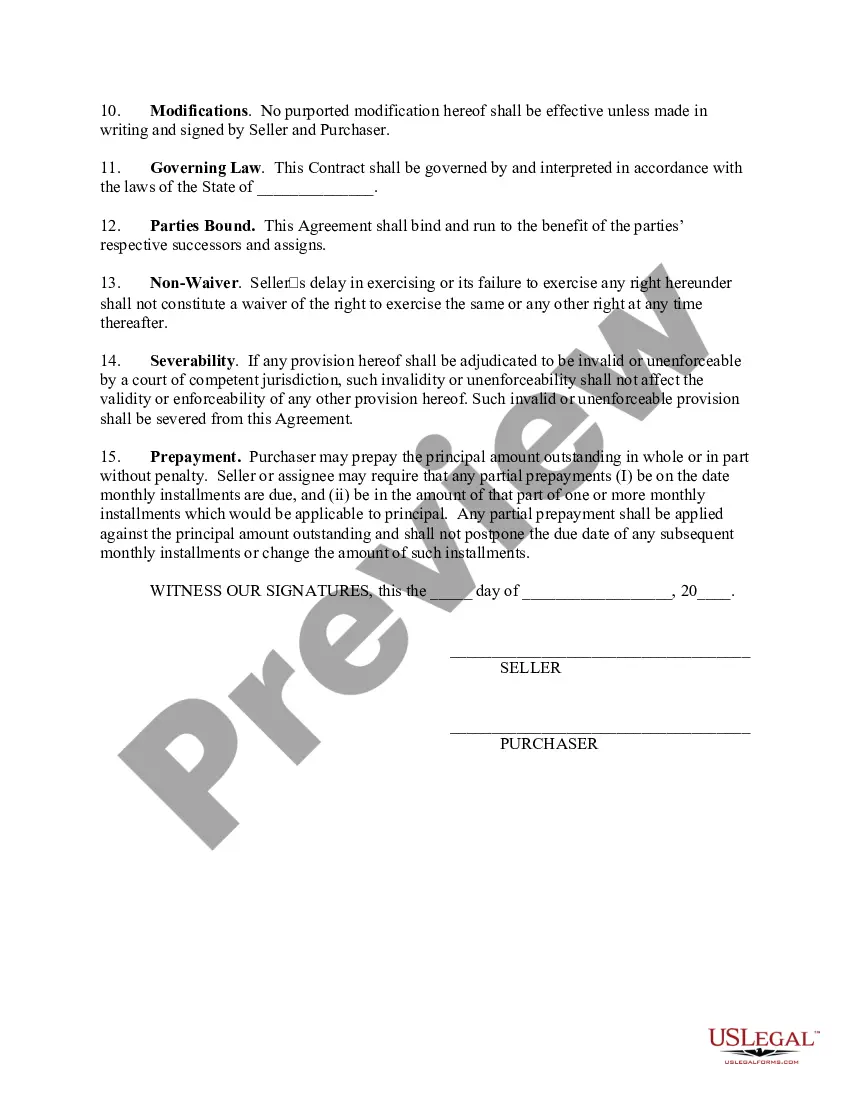
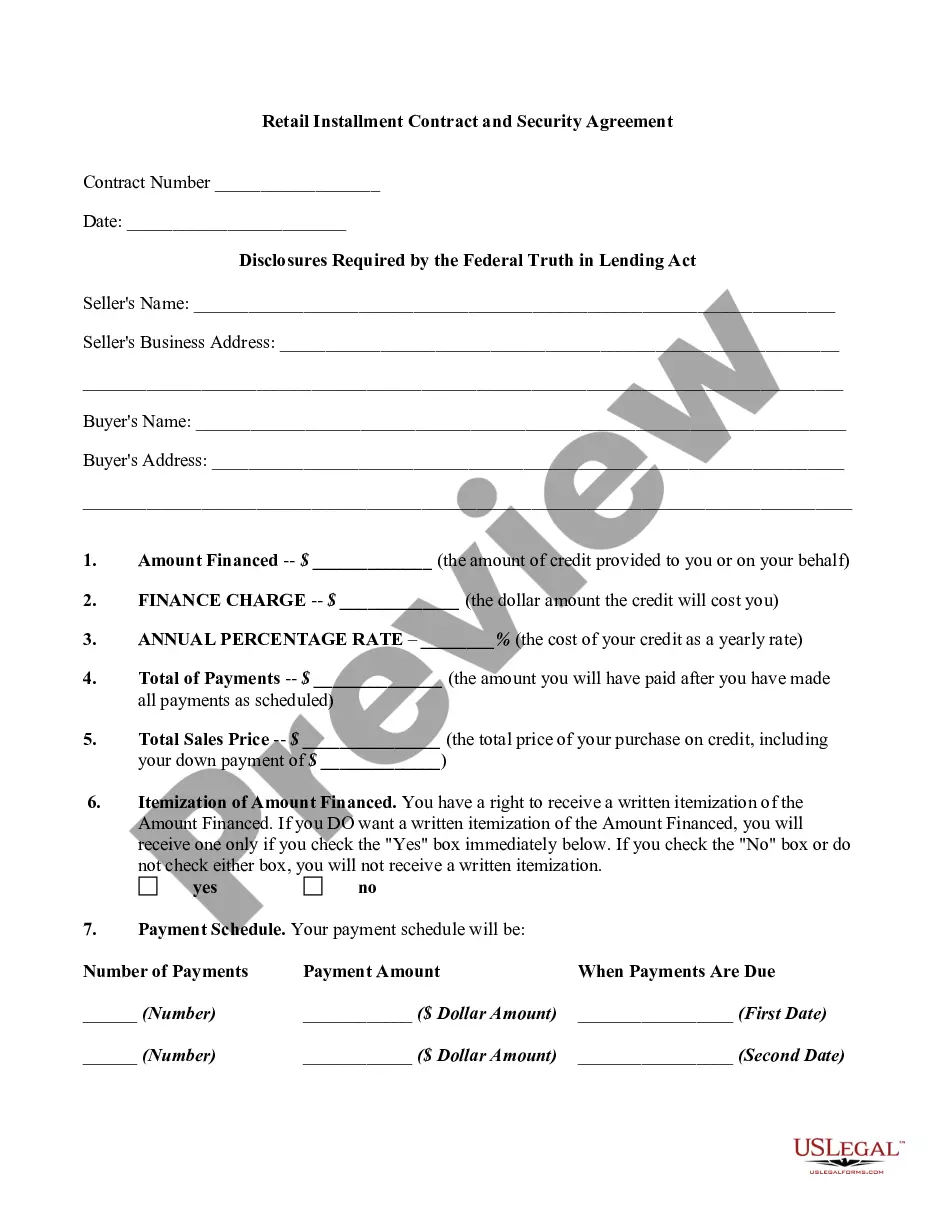
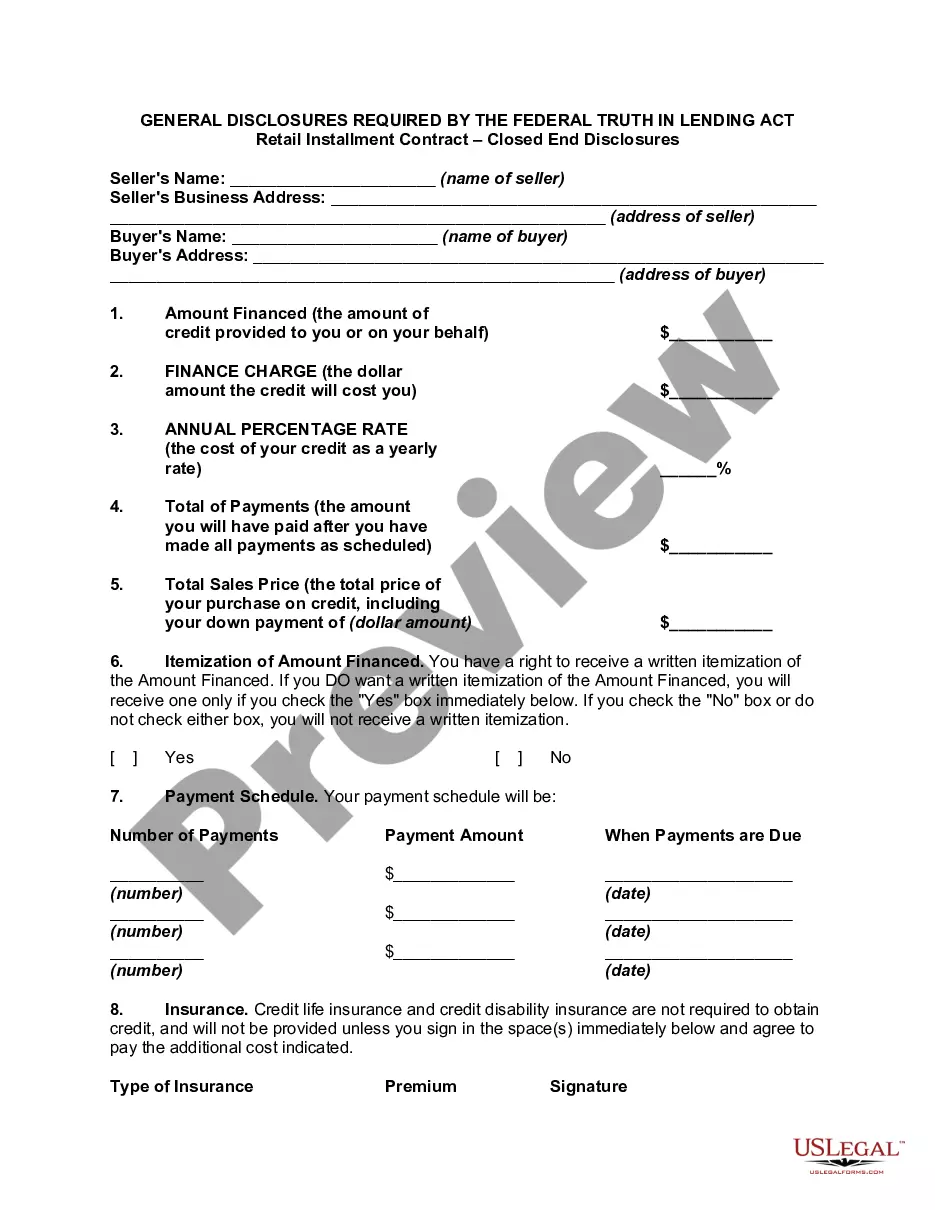
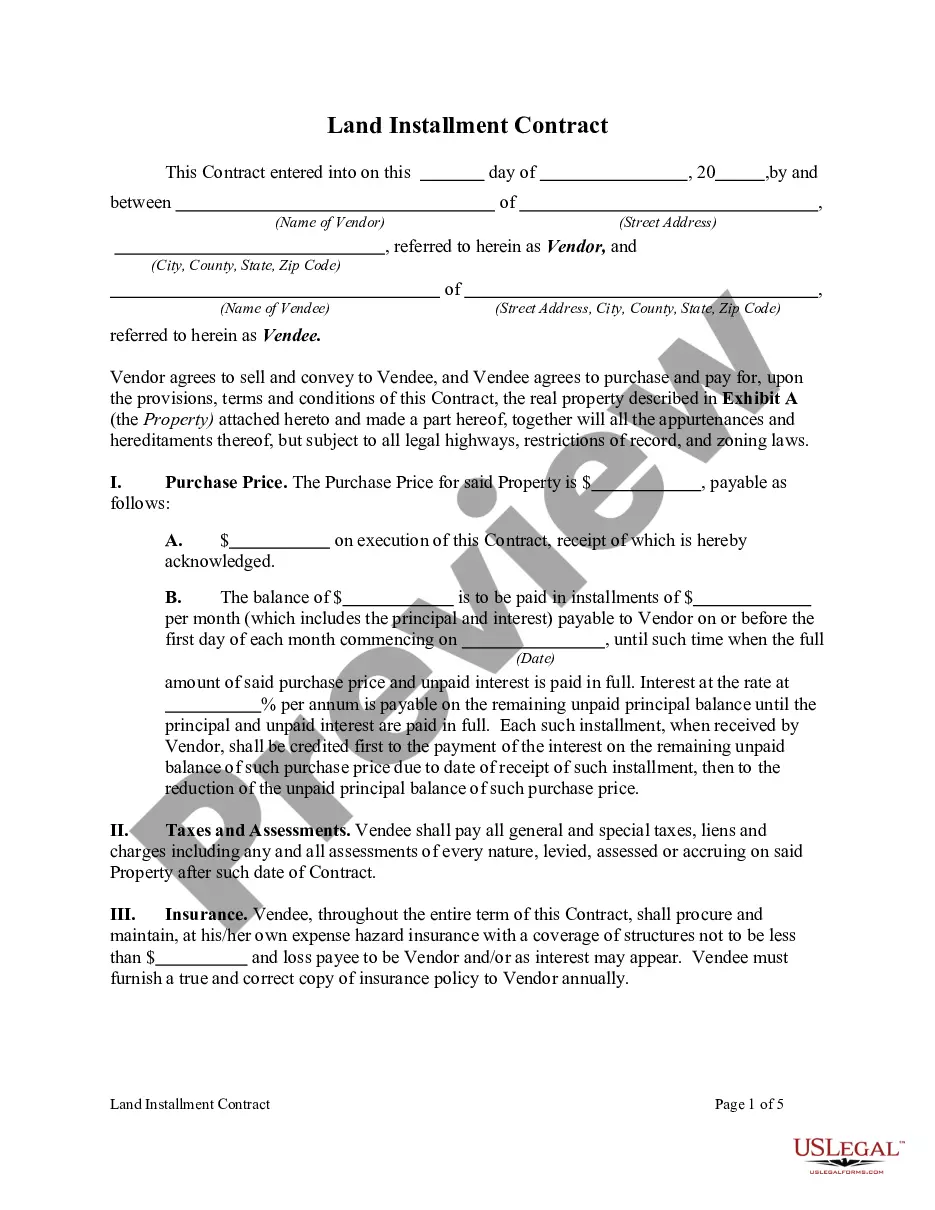
Get your form ready online
Our built-in tools help you complete, sign, share, and store your documents in one place.
Make edits, fill in missing information, and update formatting in US Legal Forms—just like you would in MS Word.
Download a copy, print it, send it by email, or mail it via USPS—whatever works best for your next step.
Sign and collect signatures with our SignNow integration. Send to multiple recipients, set reminders, and more. Go Premium to unlock E-Sign.
If this form requires notarization, complete it online through a secure video call—no need to meet a notary in person or wait for an appointment.
We protect your documents and personal data by following strict security and privacy standards.

Make edits, fill in missing information, and update formatting in US Legal Forms—just like you would in MS Word.

Download a copy, print it, send it by email, or mail it via USPS—whatever works best for your next step.

Sign and collect signatures with our SignNow integration. Send to multiple recipients, set reminders, and more. Go Premium to unlock E-Sign.

If this form requires notarization, complete it online through a secure video call—no need to meet a notary in person or wait for an appointment.

We protect your documents and personal data by following strict security and privacy standards.
Looking for another form?







Form popularity
FAQ
The creditor should sign the Letter in the space provided before sending it to the debtor. If the debtor agrees to the repayment plan set out in the Letter Accepting Payments in Instalments, they should countersign the Letter in the space provided. This makes the Letter a binding agreement between the parties.
In most cases, the contract is legally binding between buyer and seller as long as the bill of sale follows guidelines required in the state where the sale or transfer takes place.
To write a simple contract, title it clearly, identify all parties and specify terms (services or payments). Include an offer, acceptance, consideration, and intent. Add a signature and date for enforceability. Written contracts reduce disputes and offer better legal security than verbal ones.
Ing to Boundy (2012), typically, a written contract will include: Date of agreement. Names of parties to the agreement. Preliminary clauses. Defined terms. Main contract clauses. Schedules/appendices and signature provisions (para. 5).
An agreement is a promise or arrangement between two or more parties to do, or not do, something. It's usually informal and sometimes unwritten (but not always). Some examples of agreements include a letter of intent, or a confidentiality agreement that precedes a commercial discussion.
How to write an agreement letter Title your document. Provide your personal information and the date. Include the recipient's information. Address the recipient and write your introductory paragraph. Write a detailed body. Conclude your letter with a paragraph, closing remarks, and a signature. Sign your letter.
A contract is an agreement between parties , creating mutual obligations that are enforceable by law . The basic elements required for the agreement to be a legally enforceable contract are: mutual assent , expressed by a valid offer and acceptance ; adequate consideration ; capacity ; and legality .
Non-binding contracts are typically used when two parties want to put down preliminary discussions on paper to make sure they're on the same page, but don't want to explicitly agree to anything yet. A letter of intent is a good example of a non-binding contract.
You may be held liable for monetary damages if you breach a contract. There are three different types of monetary damages: expected damages, reliance damages, and restitution damages. Collectively these are known as “compensatory damages.”