Installment Contract For In Minnesota
Description

Get your form ready online
Our built-in tools help you complete, sign, share, and store your documents in one place.
Make edits, fill in missing information, and update formatting in US Legal Forms—just like you would in MS Word.
Download a copy, print it, send it by email, or mail it via USPS—whatever works best for your next step.
Sign and collect signatures with our SignNow integration. Send to multiple recipients, set reminders, and more. Go Premium to unlock E-Sign.
If this form requires notarization, complete it online through a secure video call—no need to meet a notary in person or wait for an appointment.
We protect your documents and personal data by following strict security and privacy standards.

Make edits, fill in missing information, and update formatting in US Legal Forms—just like you would in MS Word.

Download a copy, print it, send it by email, or mail it via USPS—whatever works best for your next step.

Sign and collect signatures with our SignNow integration. Send to multiple recipients, set reminders, and more. Go Premium to unlock E-Sign.

If this form requires notarization, complete it online through a secure video call—no need to meet a notary in person or wait for an appointment.

We protect your documents and personal data by following strict security and privacy standards.
Looking for another form?







Form popularity
FAQ
An installment contract offers a buyer less protection than a traditional mortgage. This is true mainly because of forfeiture provisions, which give the buyer no right of redemption and allow a buyer to lose all interest in the property for even the slightest breach.
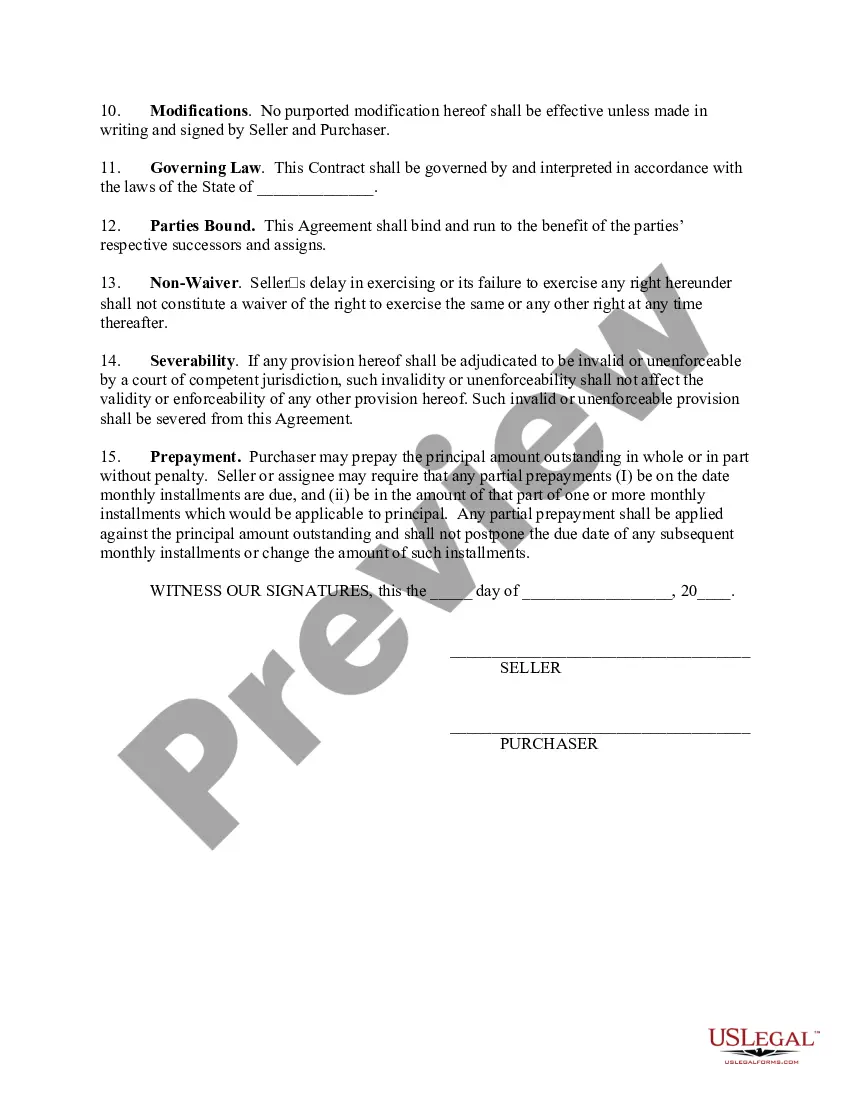
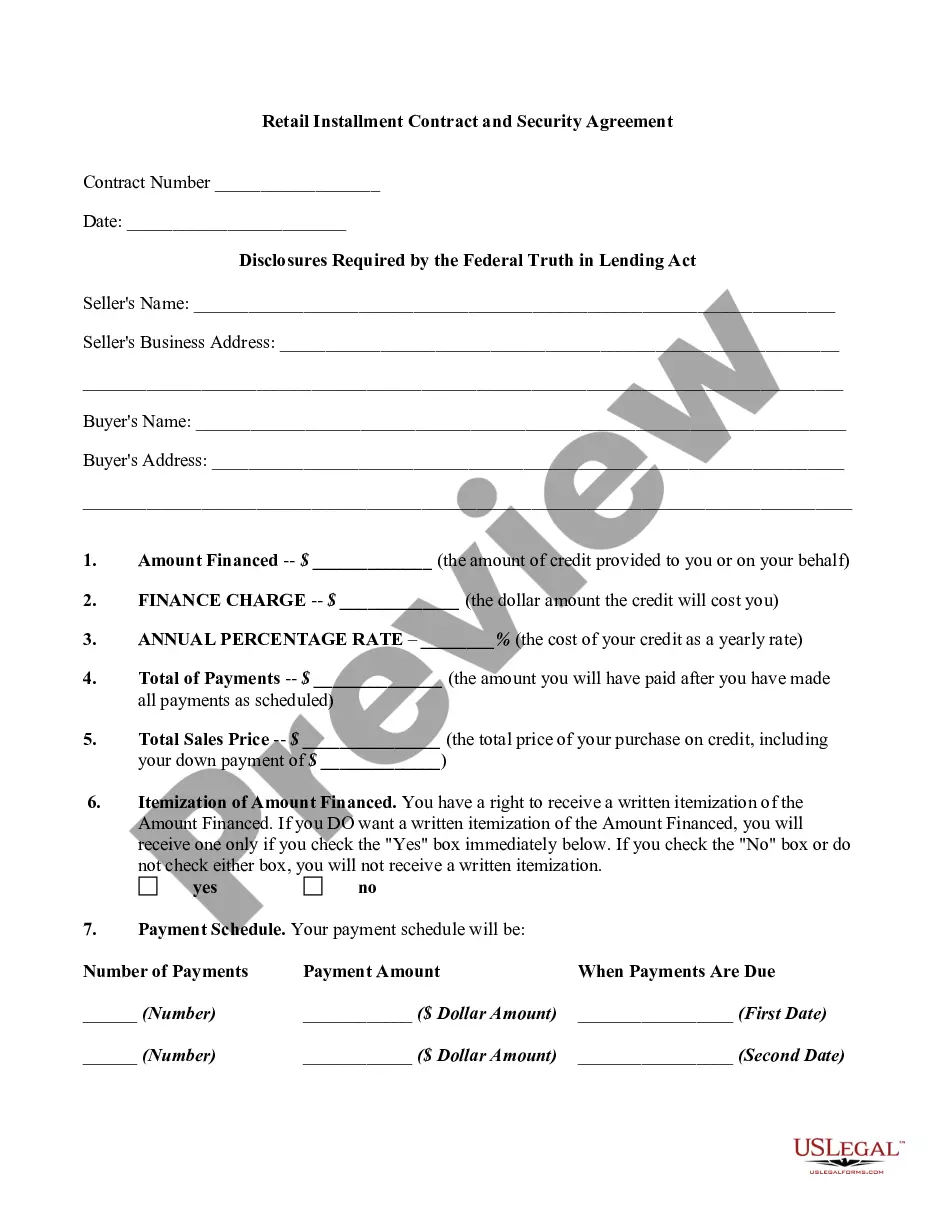
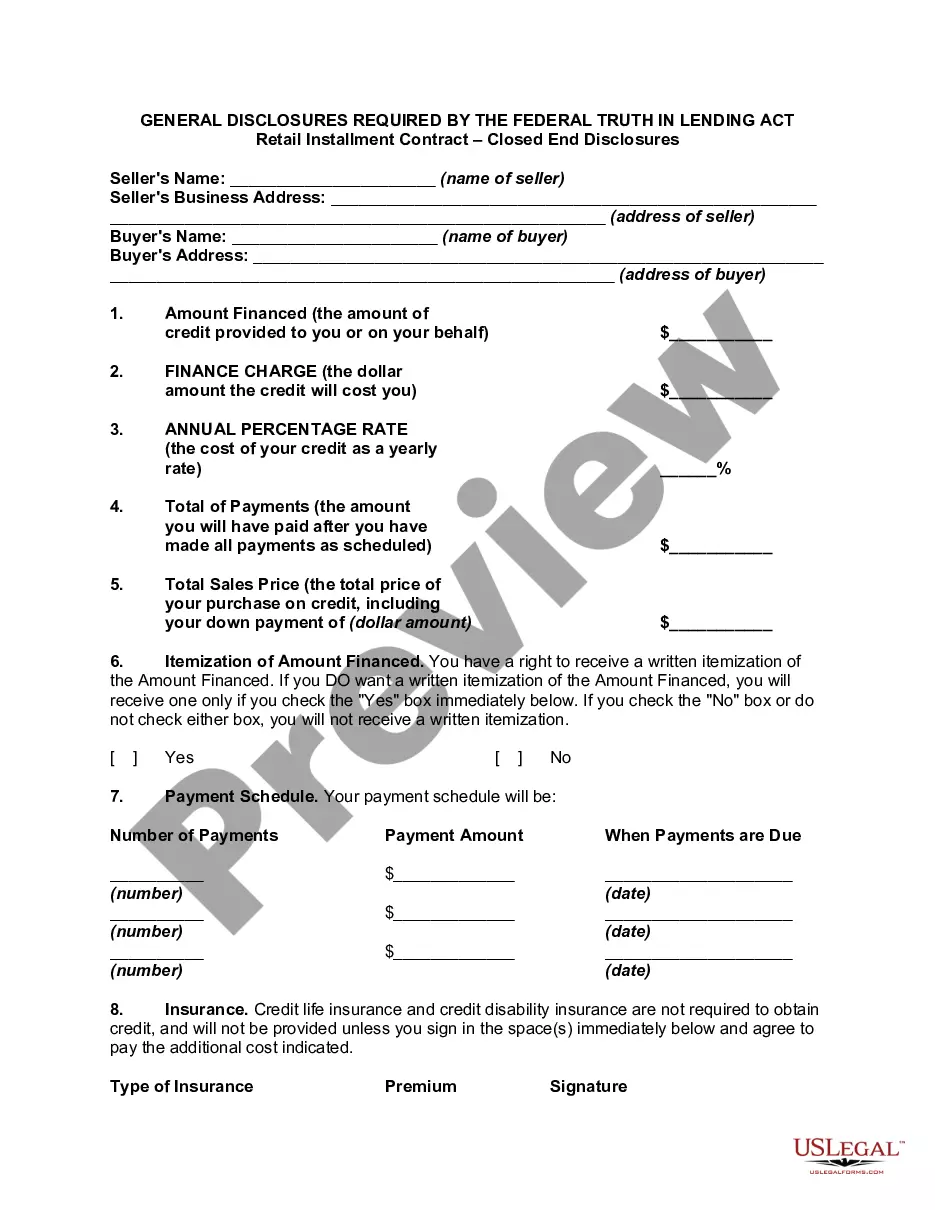
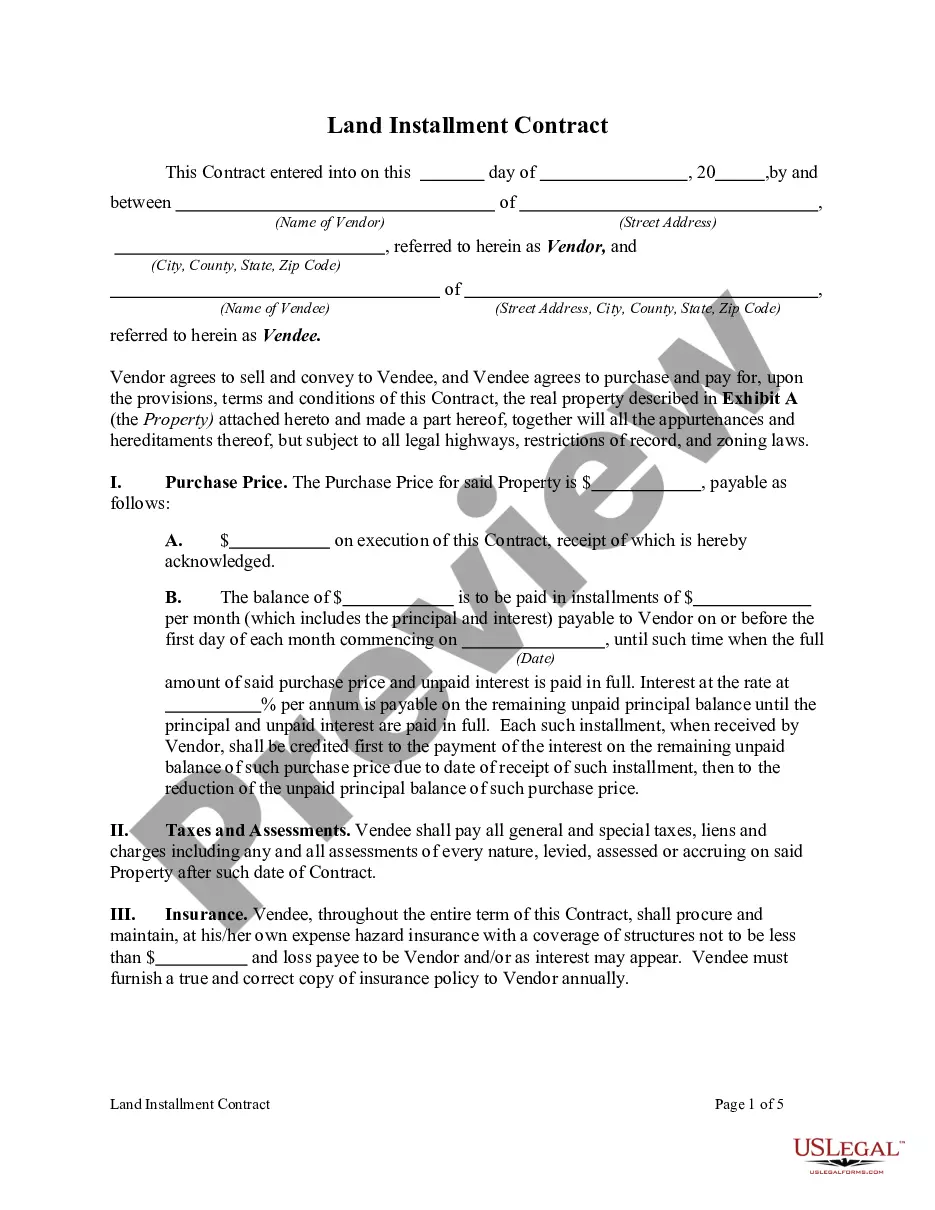
An installment contract is a single contract that is completed by a series of performances –such as payments, performances of a service, or delivery of goods–rather than being performed all at one time. Installment contracts can provide that installments are to be performed by either one or both parties .
There is new Minnesota contract for deed legislation passed in the last legislative session that went into effect August 1, 2024, impacting both buyers and sellers. A contract for deed is where a buyer purchases real estate by making payments to the seller over time, instead of paying the full amount upfront.
Buyers using a contract for deed will now have a longer cancellation period to make up unpaid monthly payments. If a buyer defaults, they have 90 days to catch up on their payments before eviction and the seller must give 30 days' notice before the new 90-day cancellation period commences.
A major drawback of a contract for deed for buyers is that the seller retains the legal title to the property until the payment plan is completed. On one hand, this means that they're responsible for things like property taxes. On the other hand, the buyer lacks security and rights to their home.
This is not uncommon in seller financing asking for additional principal payments, such as $10k, to be made to you in 6 month or 1 year increments. This reduces your overall exposure and gets you repaid more quickly. Under MN law, the legal maximum rate of interest on a written contract is 8%.
A Minnesota Contract for Deed is an Executory Contract. Buyer pays seller over a period of months or years. Buyer gets equitable title, including right of possession. Seller retains legal title.
A binding contract under Minnesota law necessitates mutual assent, consideration, and a lawful object. Mutual assent indicates a clear agreement on the terms by all parties. Consideration entails an exchange of something valuable, reinforcing the commitment. Additionally, the contract's purpose must be legal.
The creditor should sign the Letter in the space provided before sending it to the debtor. If the debtor agrees to the repayment plan set out in the Letter Accepting Payments in Instalments, they should countersign the Letter in the space provided. This makes the Letter a binding agreement between the parties.
