Installment Contract Agreement With Seller Template In Minnesota
Description

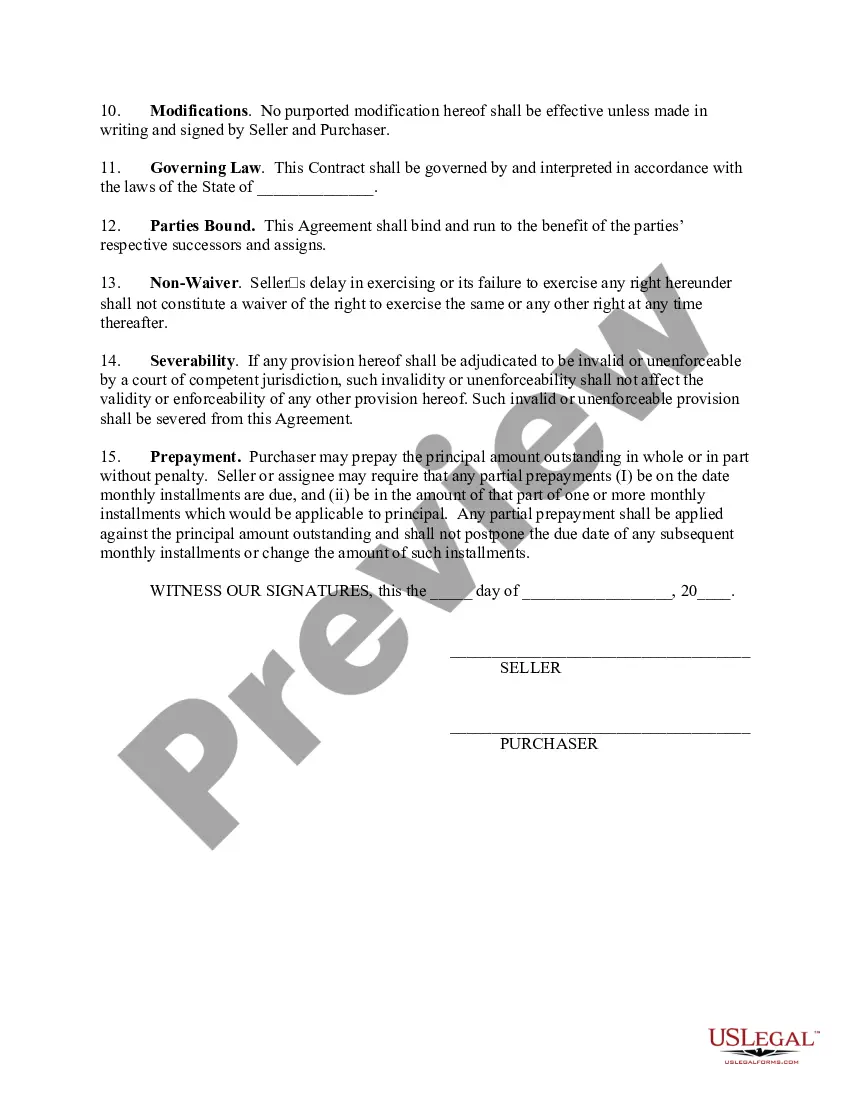
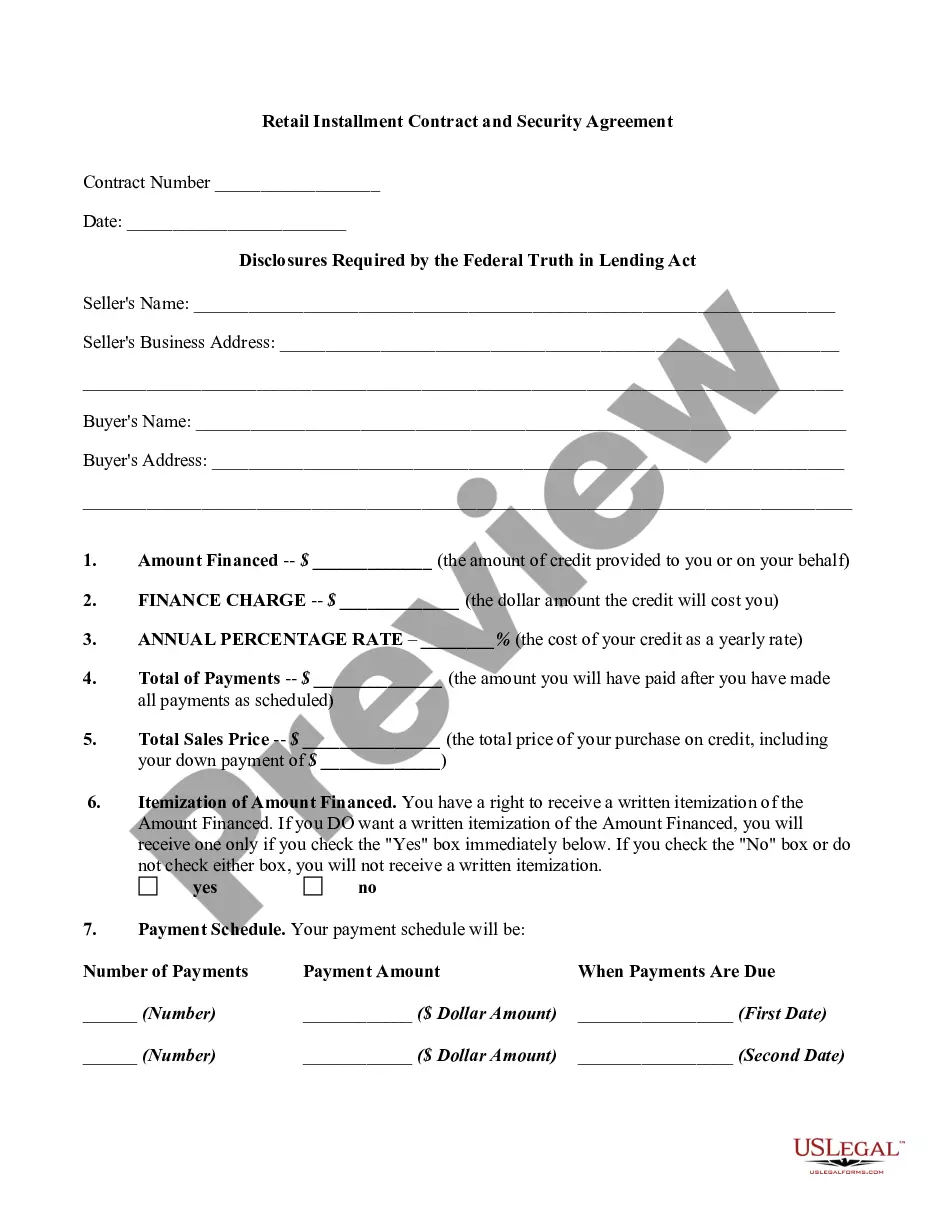
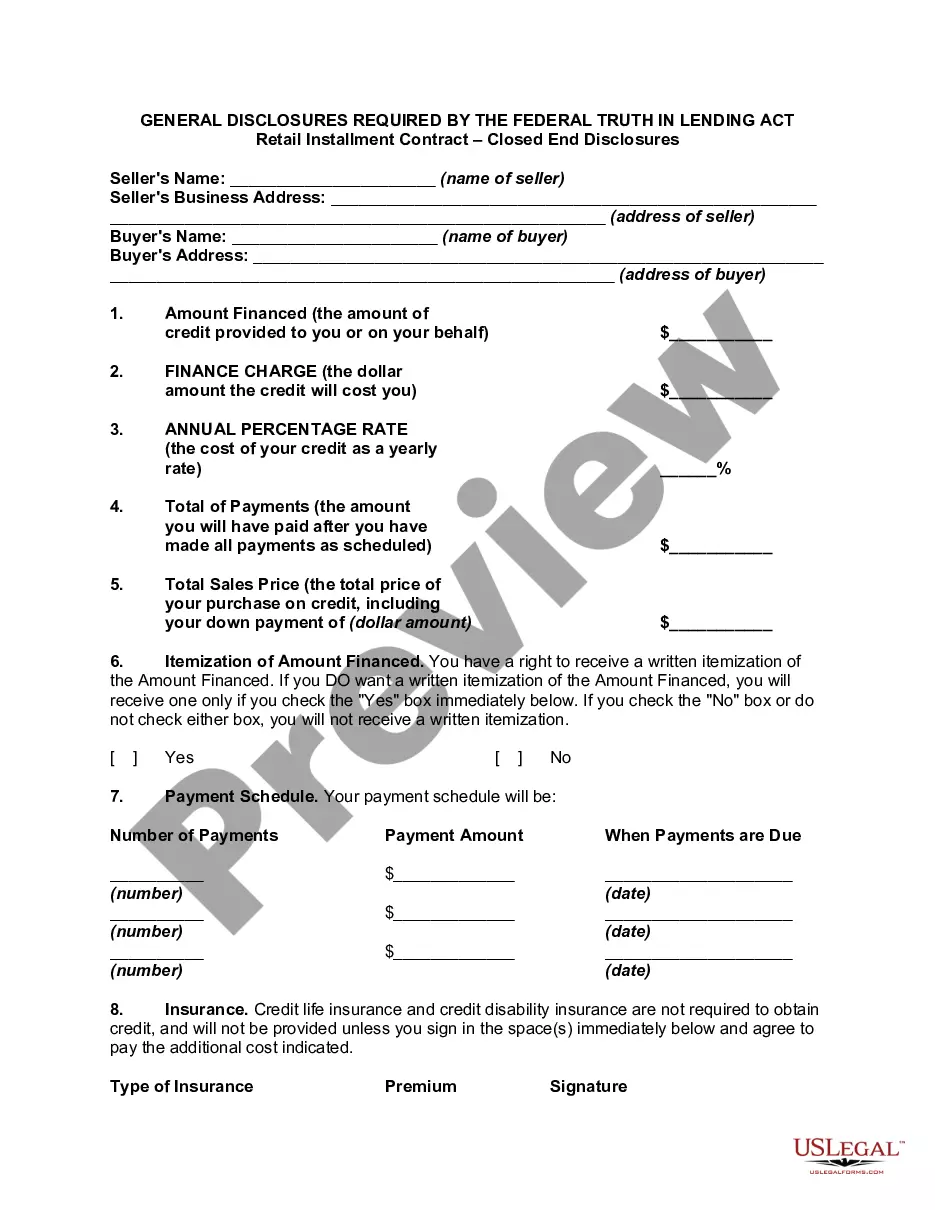
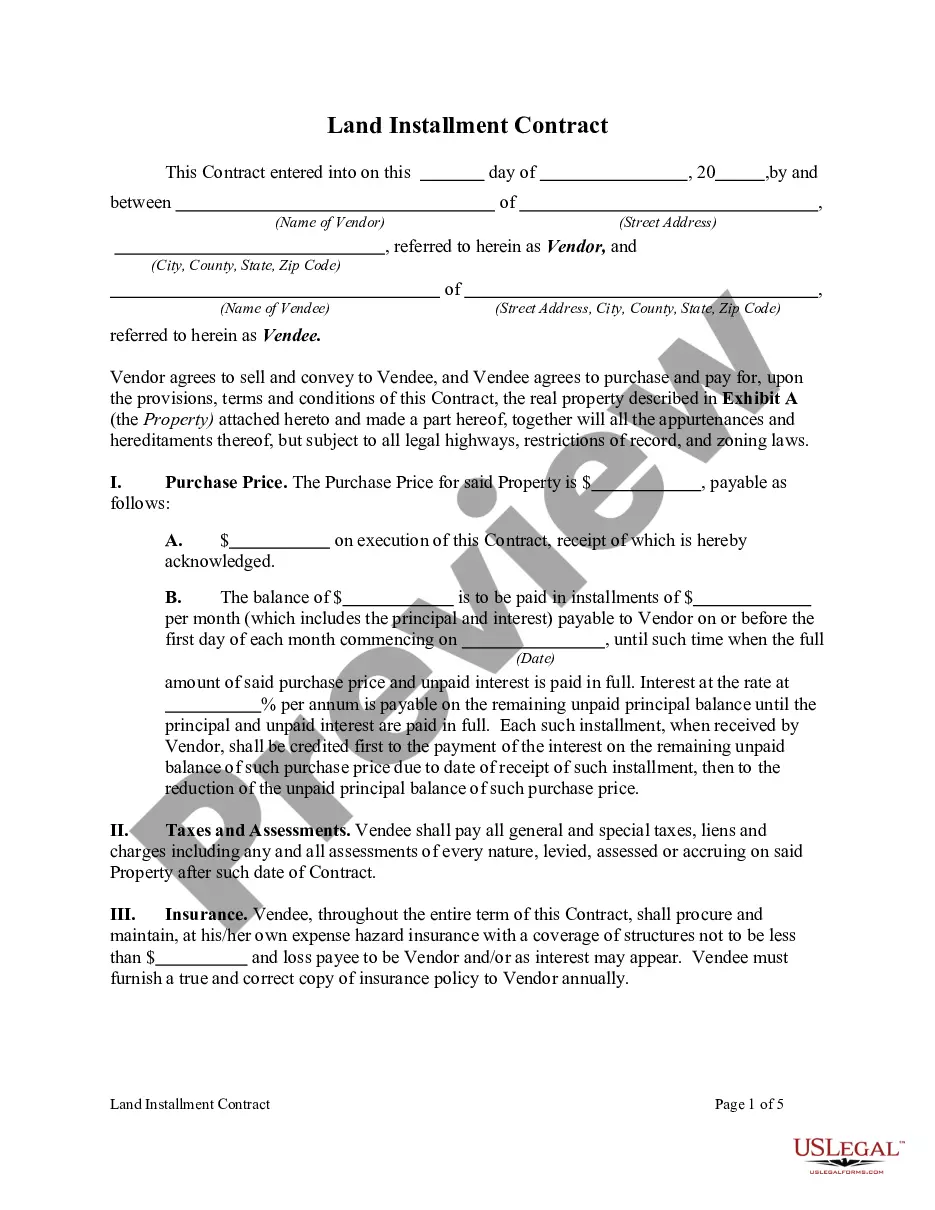
Get your form ready online
Our built-in tools help you complete, sign, share, and store your documents in one place.
Make edits, fill in missing information, and update formatting in US Legal Forms—just like you would in MS Word.
Download a copy, print it, send it by email, or mail it via USPS—whatever works best for your next step.
Sign and collect signatures with our SignNow integration. Send to multiple recipients, set reminders, and more. Go Premium to unlock E-Sign.
If this form requires notarization, complete it online through a secure video call—no need to meet a notary in person or wait for an appointment.
We protect your documents and personal data by following strict security and privacy standards.

Make edits, fill in missing information, and update formatting in US Legal Forms—just like you would in MS Word.

Download a copy, print it, send it by email, or mail it via USPS—whatever works best for your next step.

Sign and collect signatures with our SignNow integration. Send to multiple recipients, set reminders, and more. Go Premium to unlock E-Sign.

If this form requires notarization, complete it online through a secure video call—no need to meet a notary in person or wait for an appointment.

We protect your documents and personal data by following strict security and privacy standards.
Looking for another form?








Form popularity
FAQ
The creditor should sign the Letter in the space provided before sending it to the debtor. If the debtor agrees to the repayment plan set out in the Letter Accepting Payments in Instalments, they should countersign the Letter in the space provided. This makes the Letter a binding agreement between the parties.
Failure to do so means you'll risk a potential lawsuit with the other party. Ultimately, this means sellers cannot typically back out of a contract without a clear and justifiable reason. But it also means buyers can't back out without a justifiable reason, protecting your interest as a seller.
To draft a contract from scratch, start by identifying the parties involved and clearly outlining the agreement. Include consideration (what is exchanged), define the terms and conditions, ensure all parties are legally competent, and finalise it with signatures. These essential elements make the contract enforceable.
Include basic information, such as the date and names of the parties. Define the role of each party and refer to each by that role... Include information about the exchange of consideration, and write clearly as to which party delivers and what the other agrees in exchange.
To write a simple contract, title it clearly, identify all parties and specify terms (services or payments). Include an offer, acceptance, consideration, and intent. Add a signature and date for enforceability. Written contracts reduce disputes and offer better legal security than verbal ones.
How to write a contract agreement in 7 steps. Determine the type of contract required. Confirm the necessary parties. Choose someone to draft the contract. Write the contract with the proper formatting. Review the written contract with a lawyer. Send the contract agreement for review or revisions.
Write the contract in six steps Start with a contract template. Open with the basic information. Describe in detail what you have agreed to. Include a description of how the contract will be ended. Write into the contract which laws apply and how disputes will be resolved. Include space for signatures.
A simple contract requires an offer, acceptance, consideration, and intent to be legally bound to be enforceable. These elements of a contract ensure enforceability by showing clear agreement and exchange of value between the parties, often validated through words, actions, or written terms.