Illinois Installment Contract For Deed In Hillsborough
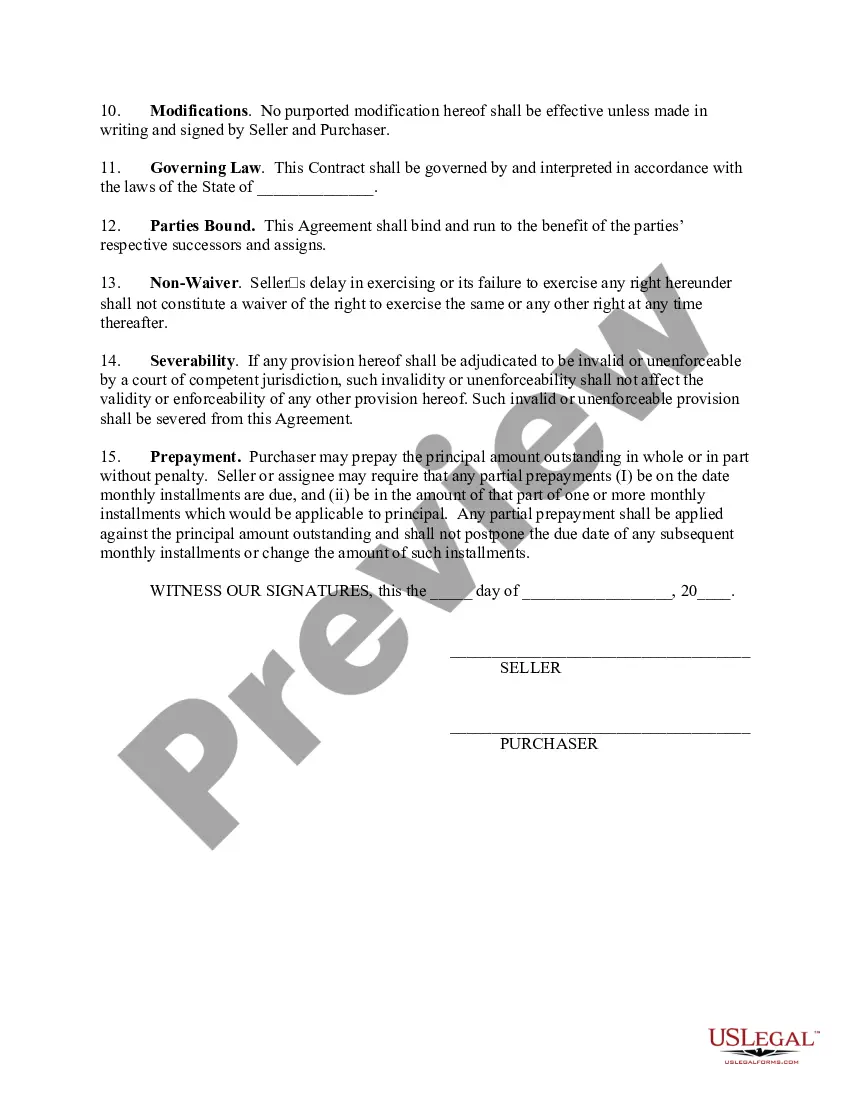
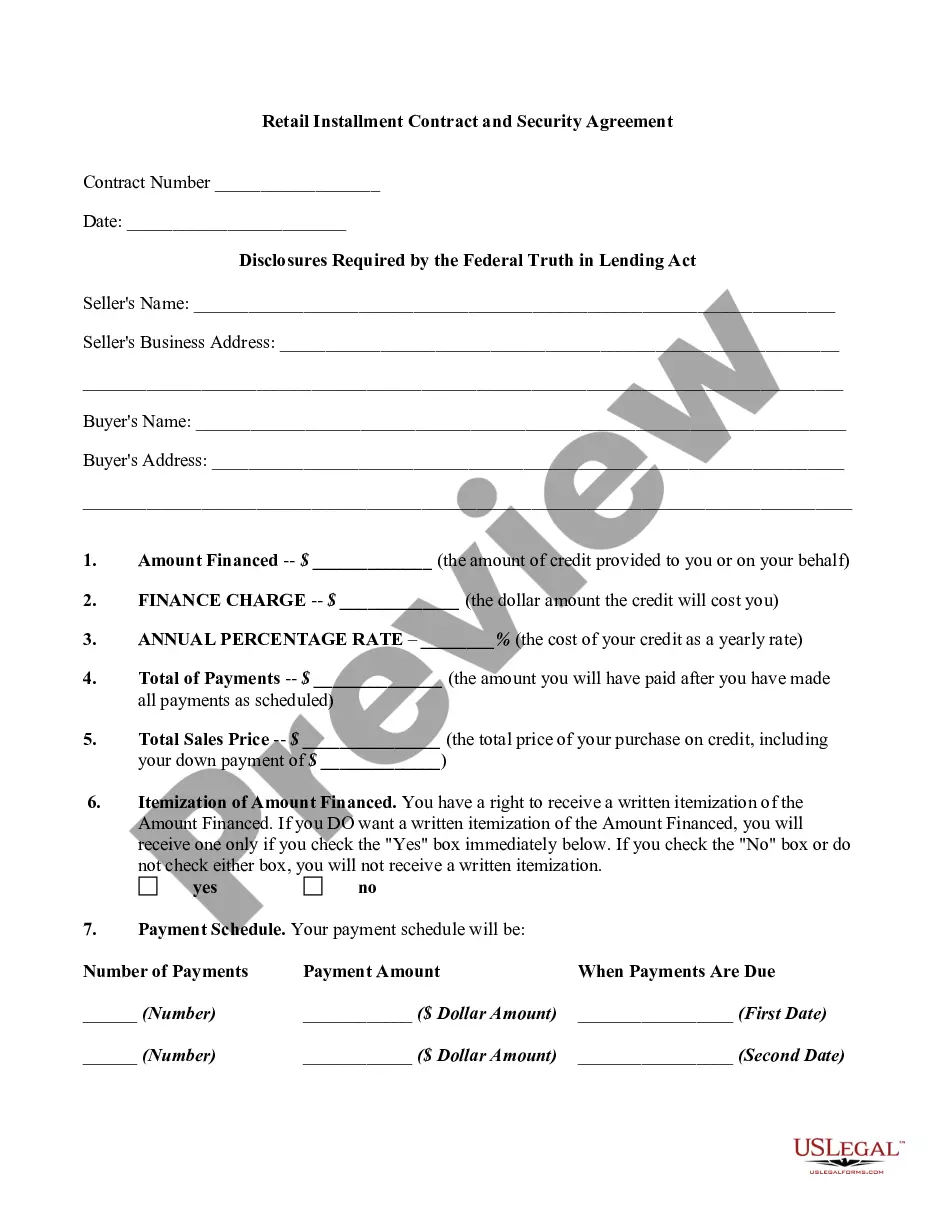
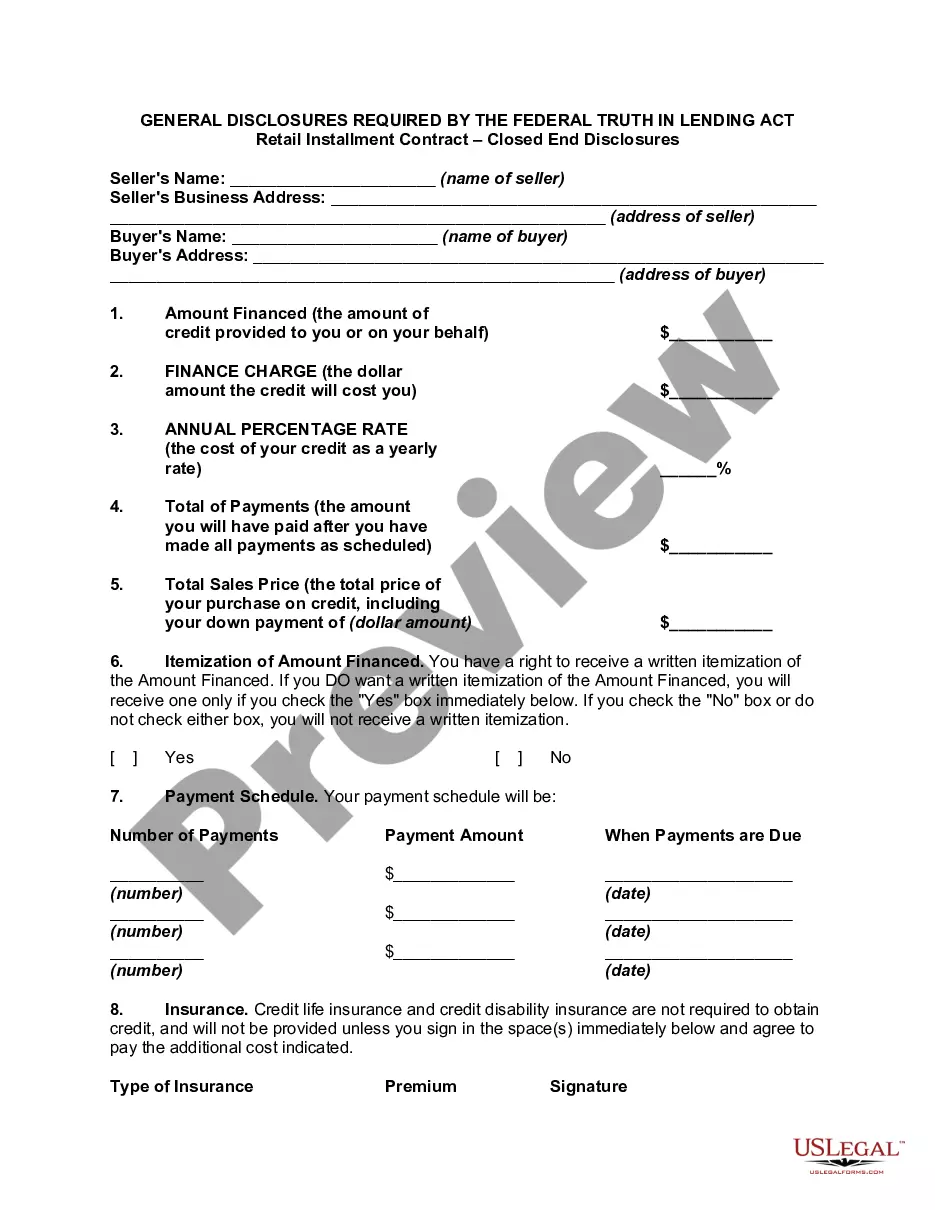
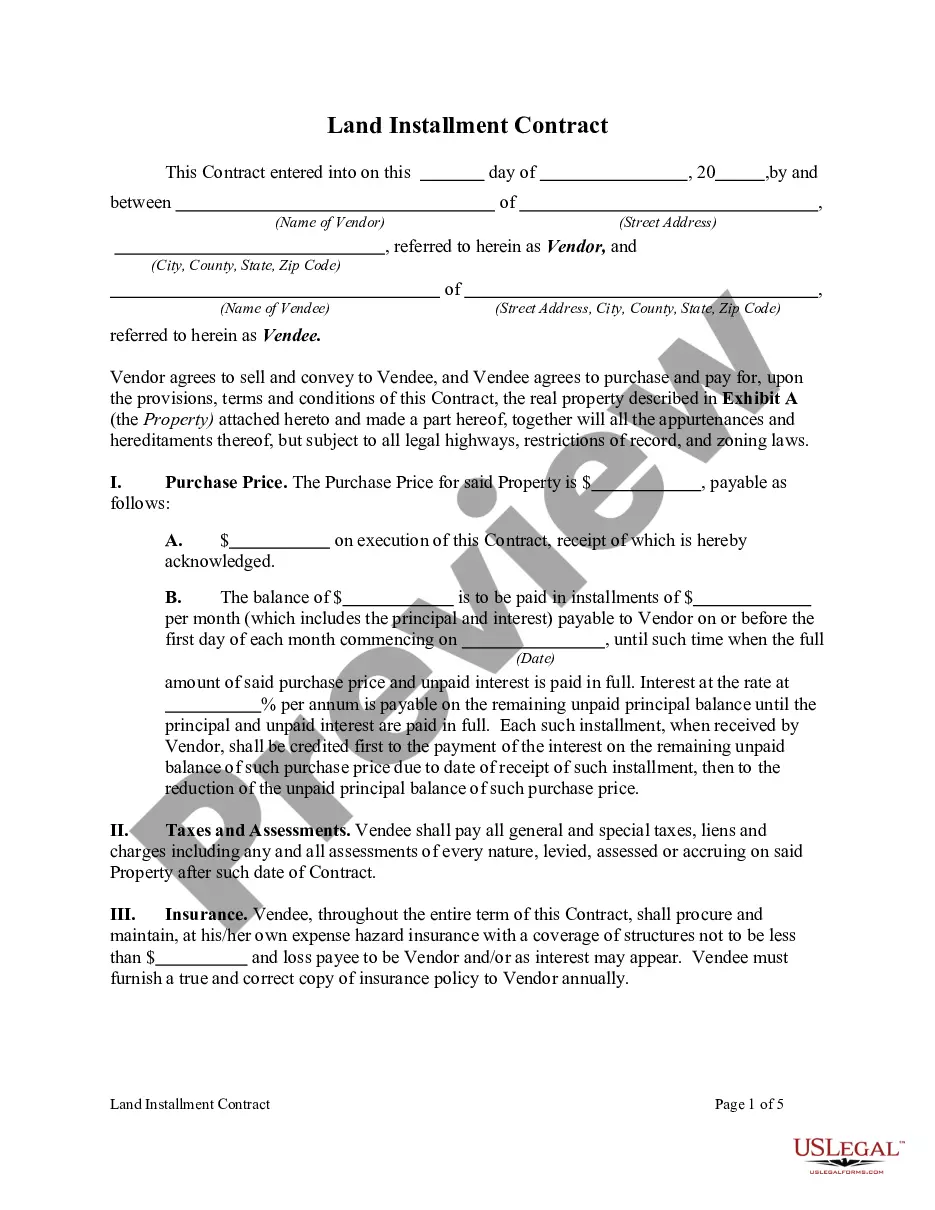
Description

Get your form ready online
Our built-in tools help you complete, sign, share, and store your documents in one place.
Make edits, fill in missing information, and update formatting in US Legal Forms—just like you would in MS Word.
Download a copy, print it, send it by email, or mail it via USPS—whatever works best for your next step.
Sign and collect signatures with our SignNow integration. Send to multiple recipients, set reminders, and more. Go Premium to unlock E-Sign.
If this form requires notarization, complete it online through a secure video call—no need to meet a notary in person or wait for an appointment.
We protect your documents and personal data by following strict security and privacy standards.

Make edits, fill in missing information, and update formatting in US Legal Forms—just like you would in MS Word.

Download a copy, print it, send it by email, or mail it via USPS—whatever works best for your next step.

Sign and collect signatures with our SignNow integration. Send to multiple recipients, set reminders, and more. Go Premium to unlock E-Sign.

If this form requires notarization, complete it online through a secure video call—no need to meet a notary in person or wait for an appointment.

We protect your documents and personal data by following strict security and privacy standards.
Looking for another form?









Form popularity
FAQ
The document must be notarized any time a deed is required as part of a real estate transaction. This is the case for all deeds, regardless of the situation.
Is a contract for deed a good idea? The seller retains the title. This can extend through the completion of your payment plan, which can complicate things like ownership and taxes, as well as personal security and rights. Maintenance gets confusing. There's little regulation. Sellers don't have it easy.
An installment contract offers a buyer less protection than a traditional mortgage. This is true mainly because of forfeiture provisions, which give the buyer no right of redemption and allow a buyer to lose all interest in the property for even the slightest breach.
You should still record the contract even if it states it "cannot" be recorded. Any provision in the contract that "forbids" you to record the contract is void. The Contract for Deed cannot prohibit you from recording it.
The bottom line is that lawyers can help draft contract for deed language that protects both parties in case a buyer can no longer make payments.
On occasion sellers have a change of heart and seek to cancel a real estate sales contract. Generally, backing out of a contract is only legal if the buyer has not fulfilled the terms of the agreement, fails to provide the required funds, or requests provisions not included in the contract.
It`s important to note that in Illinois, a contract for deed must be recorded with the county recorder`s office within 10 days of execution. This protects both the buyer and seller, ensuring that the contract is legally binding and enforceable.
How to fill out a contract for deed in Illinois: Start by obtaining a blank contract for deed form, which can be found online or obtained from a real estate attorney or title company. Fill in the names of the parties involved, including the buyer (also known as the vendee) and the seller (also known as the vendor).
notice recording statute provides that an unrecorded conveyance is invalid against a subsequent purchaser for value who first records without knowledge of any prior unrecorded instruments.
You must file either (1) Form PTAX-203 and any required documents with the deed or trust document or (2) an exemption notation on the original deed or trust document at the County Recorder's office within the county where the property is located.
