Retail Deal With In Georgia
Description

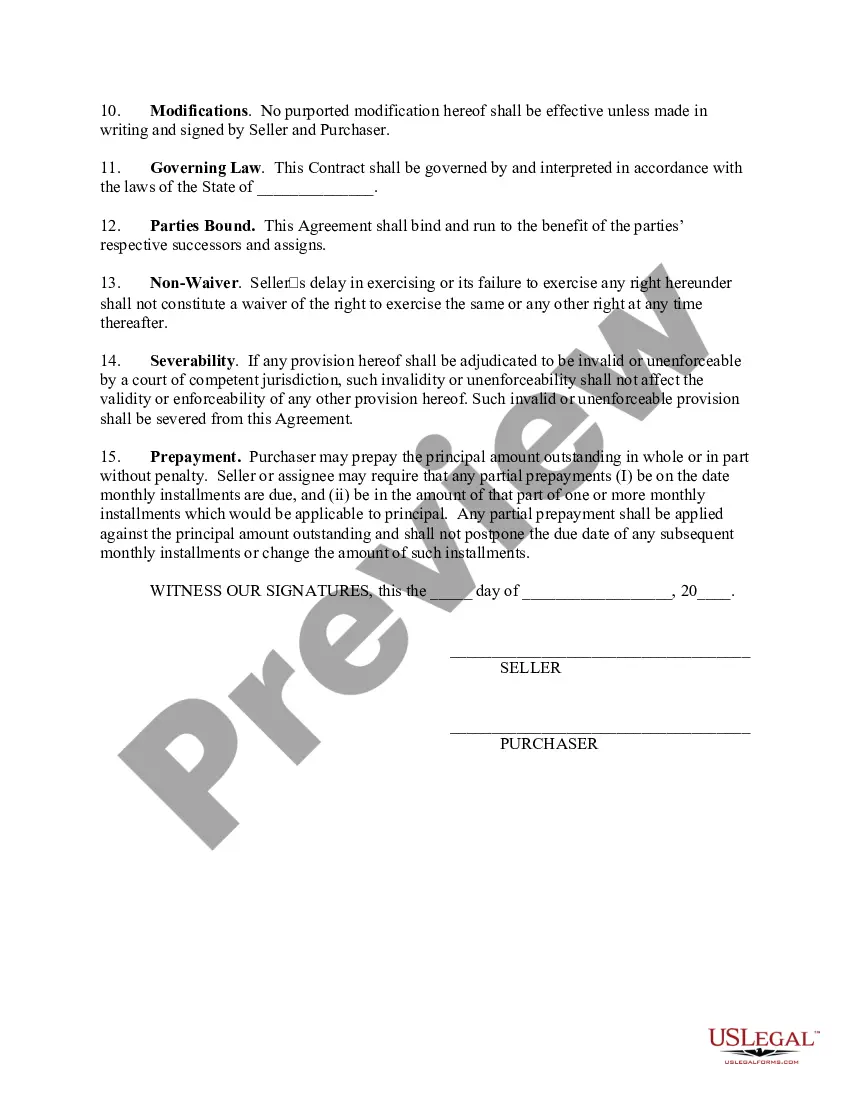
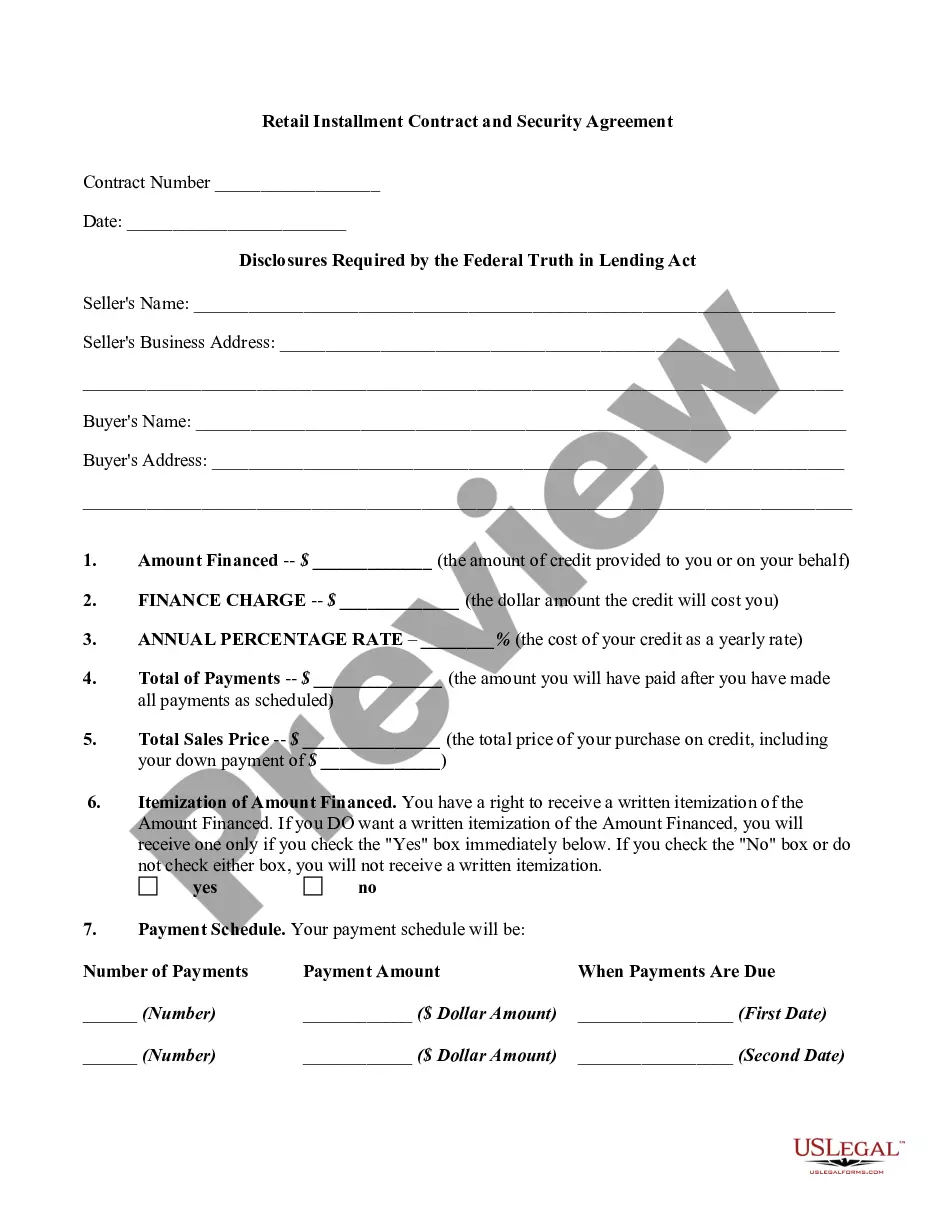
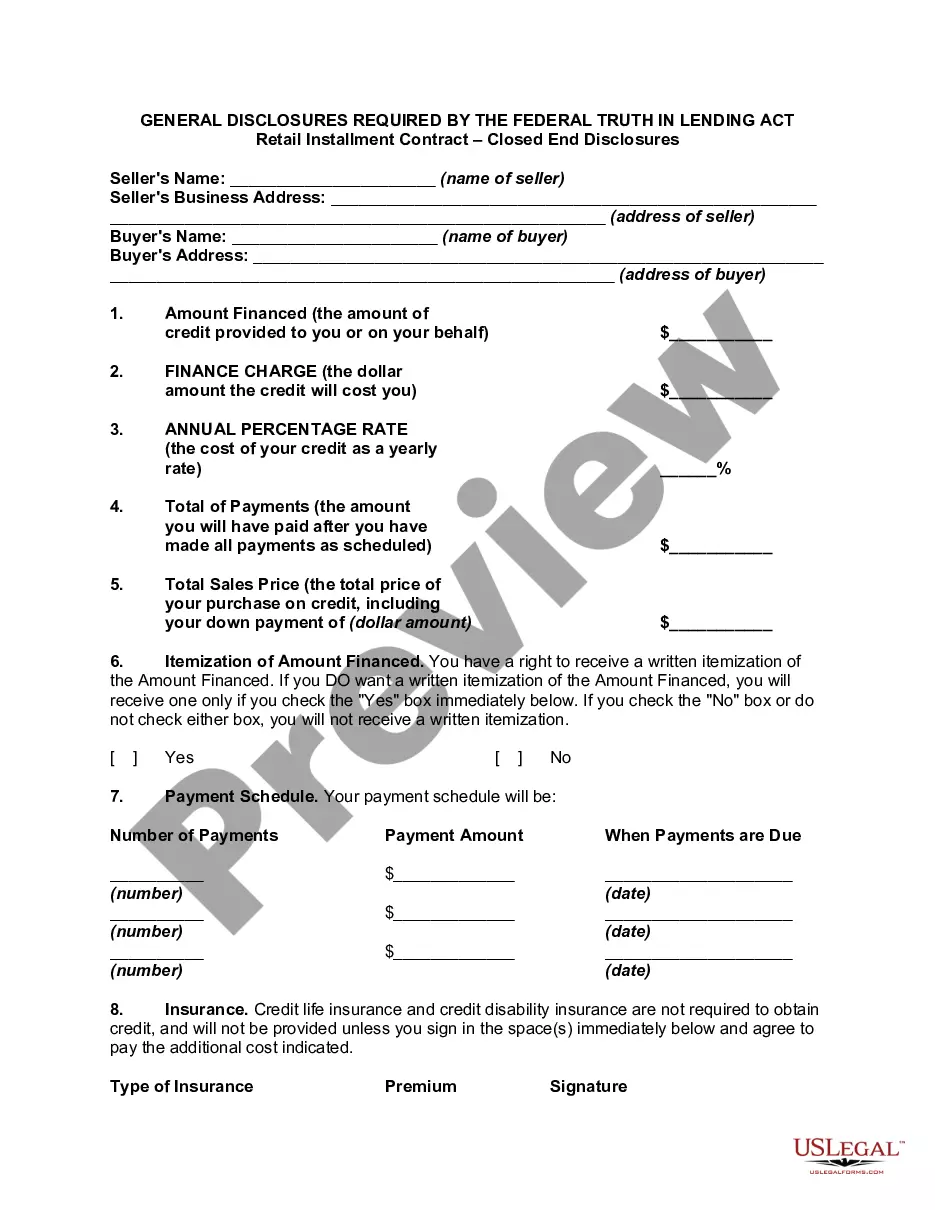
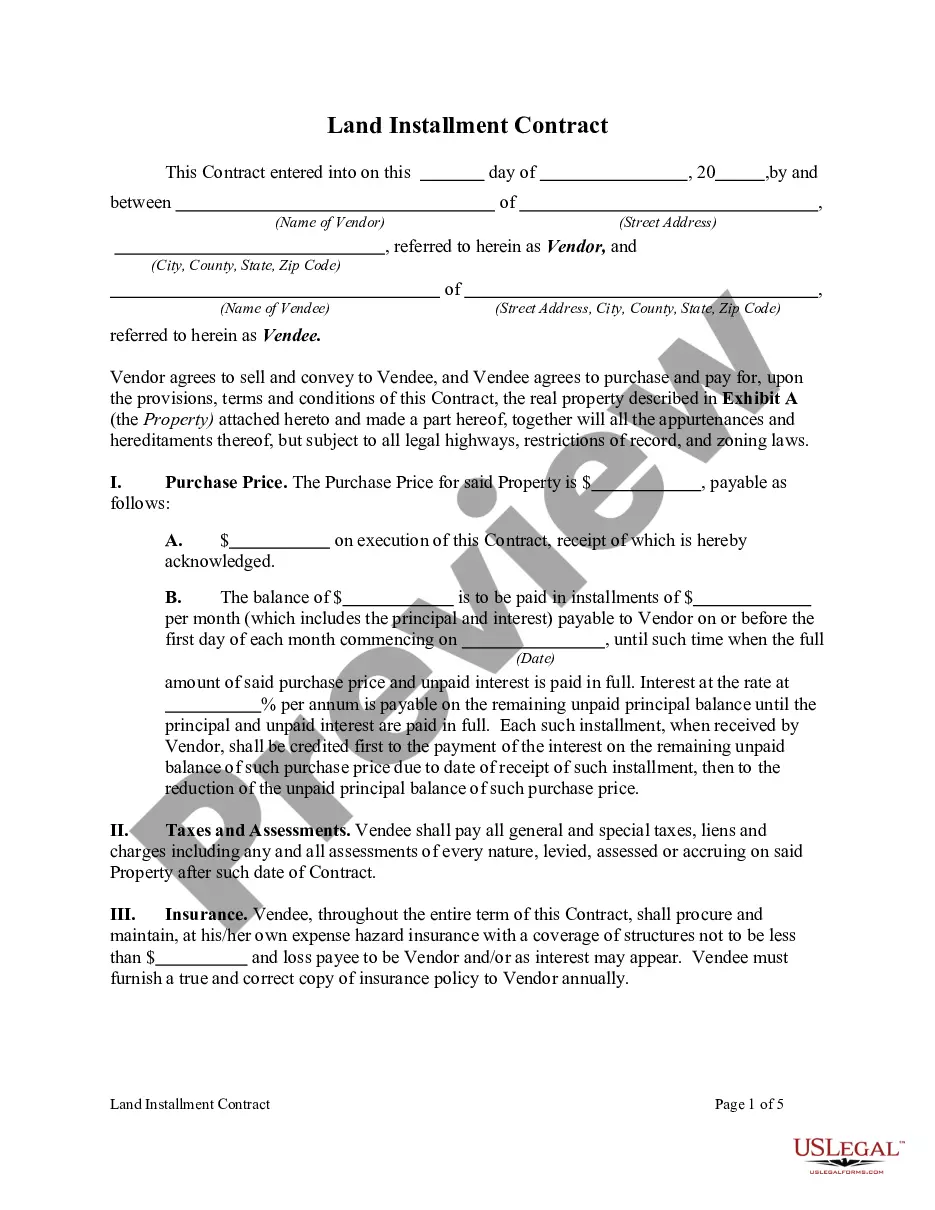
Get your form ready online
Our built-in tools help you complete, sign, share, and store your documents in one place.
Make edits, fill in missing information, and update formatting in US Legal Forms—just like you would in MS Word.
Download a copy, print it, send it by email, or mail it via USPS—whatever works best for your next step.
Sign and collect signatures with our SignNow integration. Send to multiple recipients, set reminders, and more. Go Premium to unlock E-Sign.
If this form requires notarization, complete it online through a secure video call—no need to meet a notary in person or wait for an appointment.
We protect your documents and personal data by following strict security and privacy standards.

Make edits, fill in missing information, and update formatting in US Legal Forms—just like you would in MS Word.

Download a copy, print it, send it by email, or mail it via USPS—whatever works best for your next step.

Sign and collect signatures with our SignNow integration. Send to multiple recipients, set reminders, and more. Go Premium to unlock E-Sign.

If this form requires notarization, complete it online through a secure video call—no need to meet a notary in person or wait for an appointment.

We protect your documents and personal data by following strict security and privacy standards.
Looking for another form?

Form popularity
FAQ
A Georgia seller's permit is required by the state for any type of business that is selling goods or services in the state. The permit is unique to each business and contains specific details like a tax identification number.
For most taxpayers, sales tax returns are due every month; however, taxpayers may submit a written request to change their filing frequency.
Some goods are exempt from sales tax under Georgia law. Examples include some prescription drugs, medical supplies, and manufacturing equipment. Non-prepared food items are exempt from state sales tax, but are subject to local sales taxes.
Vendors are allowed to keep a percentage of the tax collected, known as the Vendor's Compensation. The deduction consists of 3% of the first $3000 collected, and 0.5% of any amount collected over $3000. For example, if you collected $5000 in taxes, your deduction would be $100.
The Georgia (GA) state sales tax rate is currently 4%. Depending on local municipalities, the total tax rate can be as high as 9%.
2023 Georgia income tax rates and brackets Tax rateTaxable income bracketTax owed 3% $3,001 to $5,000. $50 plus 3% of the amount over $3,000. 4% $5,001 to $7,000. $110 plus 4% of the amount over $5,000. 5% $7,001 to $10,000. $190 plus 5% of the amount over $7,000. 5.75% $10,001 or more. $340 plus 5.75% of the amount over $10,000.2 more rows •
Georgia Tax Rates, Collections, and Burdens Georgia also has a 4.00 percent state sales tax rate and an average combined state and local sales tax rate of 7.38 percent. Georgia has a 0.72 percent effective property tax rate on owner-occupied housing value. Georgia does not have an estate tax or inheritance tax.
Yes, Georgia requires ecommerce business owners and remote sellers to collect sales tax on delivery, transportation, shipping, and handling charges related to the sale of tangible personal property, regardless of whether these charges are separately stated or optional.
How does Georgia define a small business? Effective July 1, 2021, Georgia law defines a small business as a business that is independently owned and operated with up to and including 300 employees or up to and including $30 million in gross receipts per year.
Any entity that conducts business in Georgia may be required to register with the Georgia Department of Revenue. Many factors determine whether you must register. These include — but are not limited to — businesses that employee workers, sell goods, or sell specific products such as alcohol or tobacco.