Installment Loan Contract With Cosigner In Georgia
Description

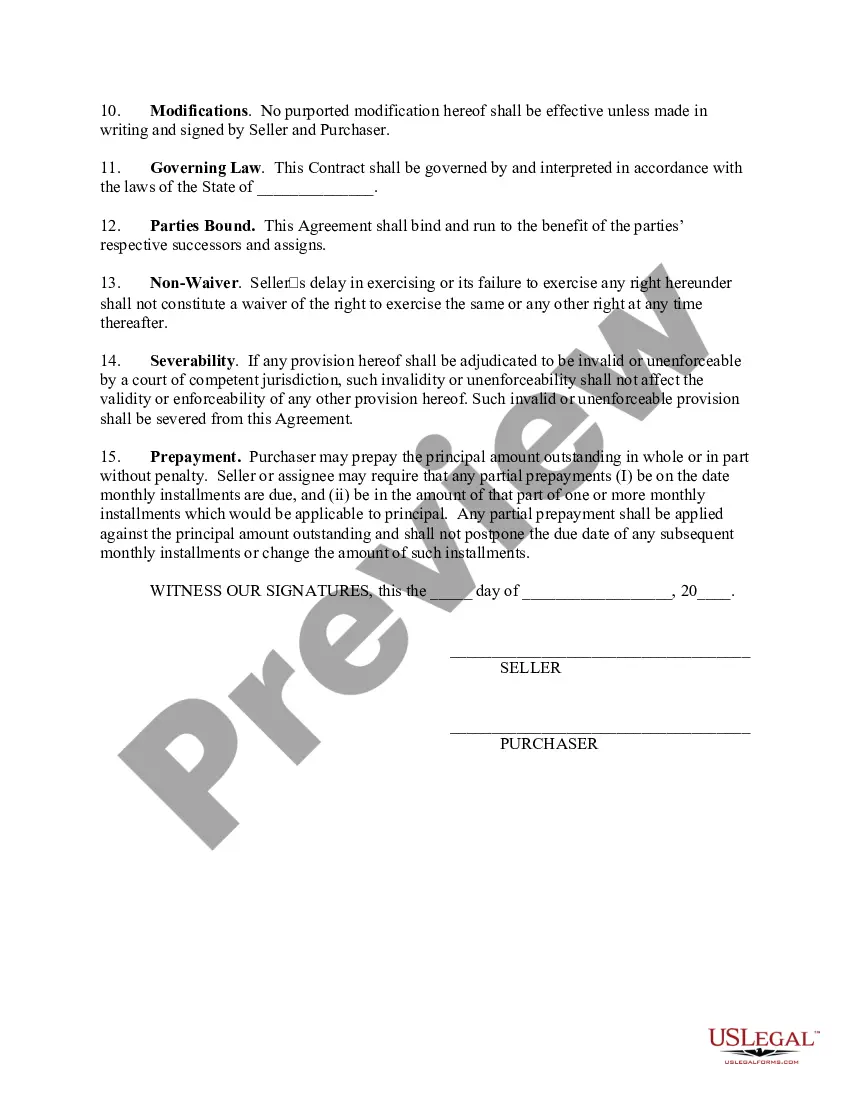
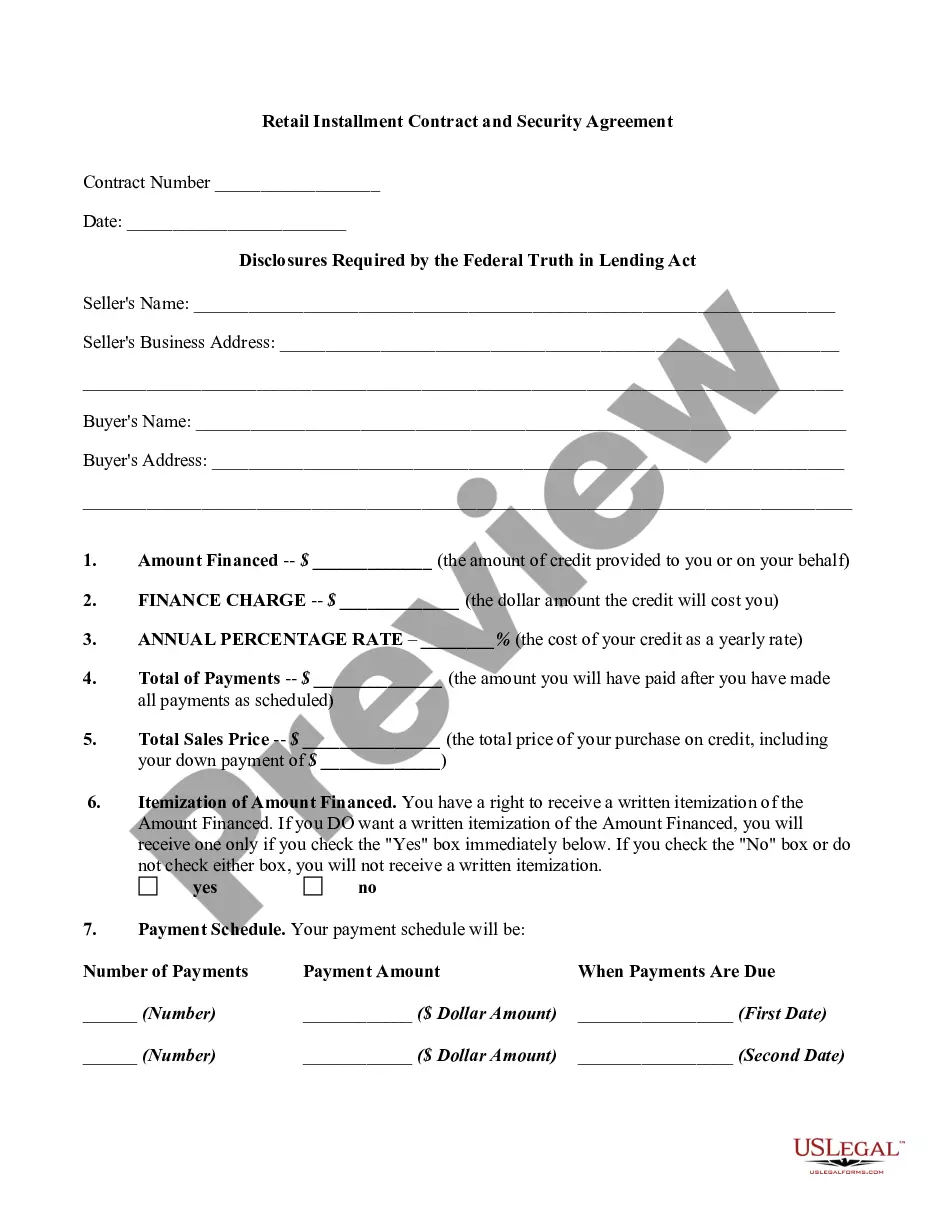
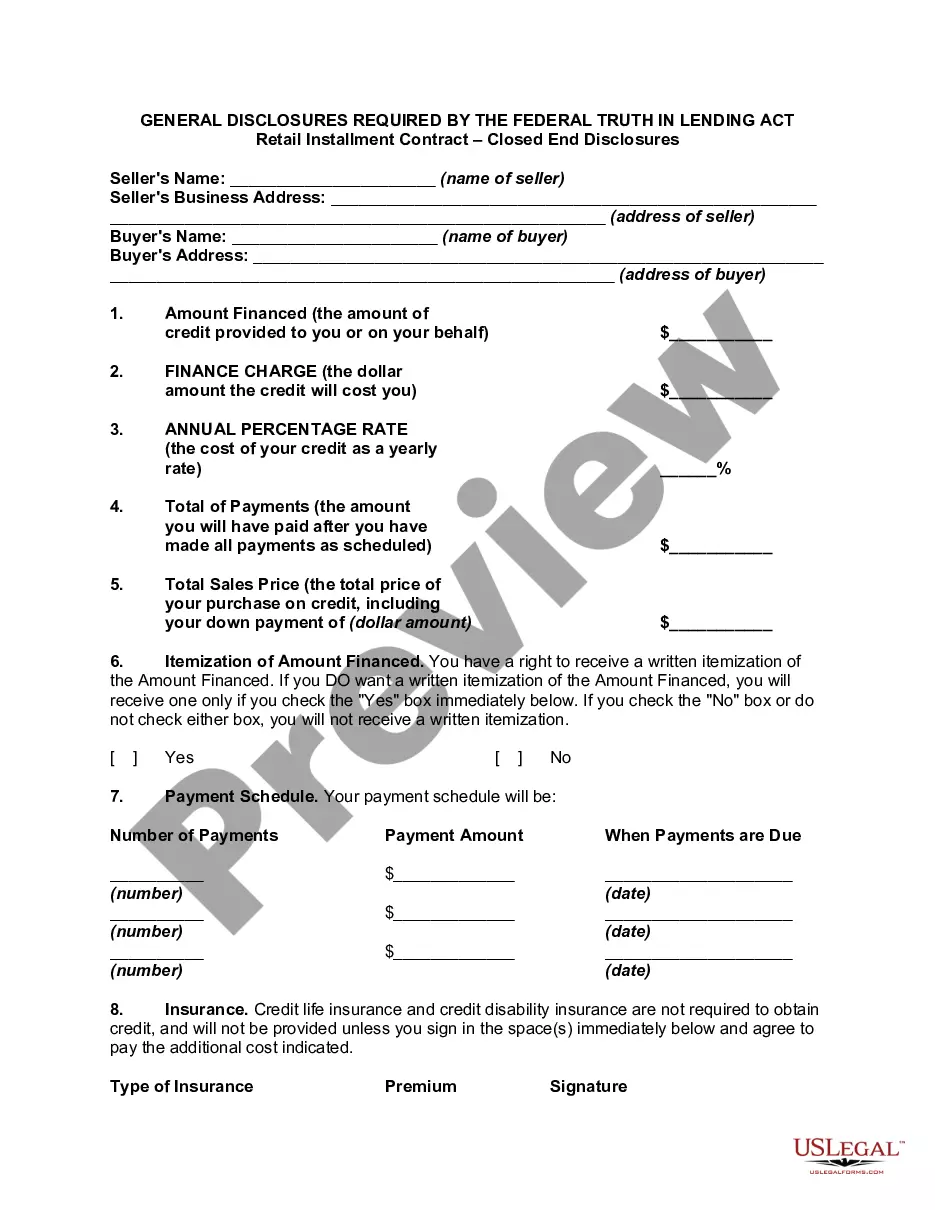
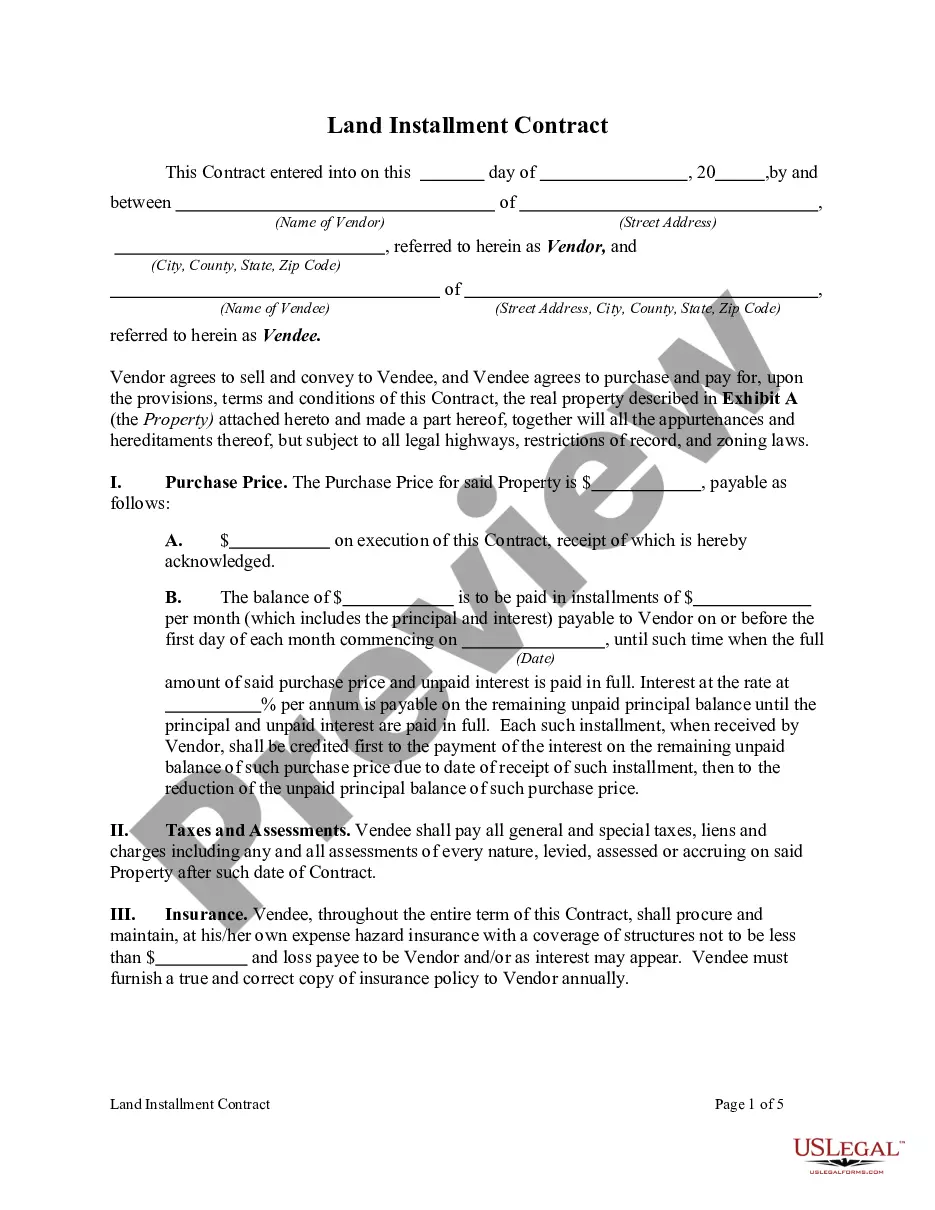
Get your form ready online
Our built-in tools help you complete, sign, share, and store your documents in one place.
Make edits, fill in missing information, and update formatting in US Legal Forms—just like you would in MS Word.
Download a copy, print it, send it by email, or mail it via USPS—whatever works best for your next step.
Sign and collect signatures with our SignNow integration. Send to multiple recipients, set reminders, and more. Go Premium to unlock E-Sign.
If this form requires notarization, complete it online through a secure video call—no need to meet a notary in person or wait for an appointment.
We protect your documents and personal data by following strict security and privacy standards.

Make edits, fill in missing information, and update formatting in US Legal Forms—just like you would in MS Word.

Download a copy, print it, send it by email, or mail it via USPS—whatever works best for your next step.

Sign and collect signatures with our SignNow integration. Send to multiple recipients, set reminders, and more. Go Premium to unlock E-Sign.

If this form requires notarization, complete it online through a secure video call—no need to meet a notary in person or wait for an appointment.

We protect your documents and personal data by following strict security and privacy standards.
Looking for another form?








Form popularity
FAQ
The Truth in Lending Act (“TILA”) is a federal law that requires lenders to provide certain standardized information to borrowers prior to extending many types of consumer credit. 15 U.S.C. § 1601 et seq. TILA was implemented by Regulation Z, 12 CFR 1026.
As of April 2023, the Georgia post judgment legal interest rate is 11%. The federal prime interst rate is 8%. Georgia statutory/legal rate of interest is prime rate plus 3%. Therefore, the present Georgia post judgment interest rate is 11%.
(A) The legal rate of interest shall be 7 percent per annum simple interest where the rate percent is not established by written contract.
An interest rate that exceeds the legal rate of interest is classified as usury. There are usually stiff penalties for usury in most states, such as fines or even the forfeiture of principal and/or interest.
How to write an agreement letter Title your document. Provide your personal information and the date. Include the recipient's information. Address the recipient and write your introductory paragraph. Write a detailed body. Conclude your letter with a paragraph, closing remarks, and a signature. Sign your letter.
How to write a contract agreement in 7 steps. Determine the type of contract required. Confirm the necessary parties. Choose someone to draft the contract. Write the contract with the proper formatting. Review the written contract with a lawyer. Send the contract agreement for review or revisions.
The Georgia General Assembly passed the Georgia Fair Lending Act ("GAFLA") during the 2002 session? GAFLA went into effect on October 1, 2002. GAFLA to protect consumers from certain abuses in the lending industry, commonly referred to as "predatory lending" practices. 1.
The Georgia Fair Lending Act (GAFLA) was originally signed into law on April 22, 2002, became effective on October 1, 2002, and was subsequently amended on March 7, 2003 and April 23, 2024.
NCUA has the sole authority to take enforcement actions against FCUs. 12 C.F.R. §701.21(b)(4).
Computer Service Contracts: Contracts for computer or technology services, such as software subscriptions, often involve installment payments being made over a set period of time; Agricultural Sales Contracts: In these contracts, the goods are subject to seasonal cycles, such as produce or agricultural goods.
