Installment Contract Receivable Formula In California
Description

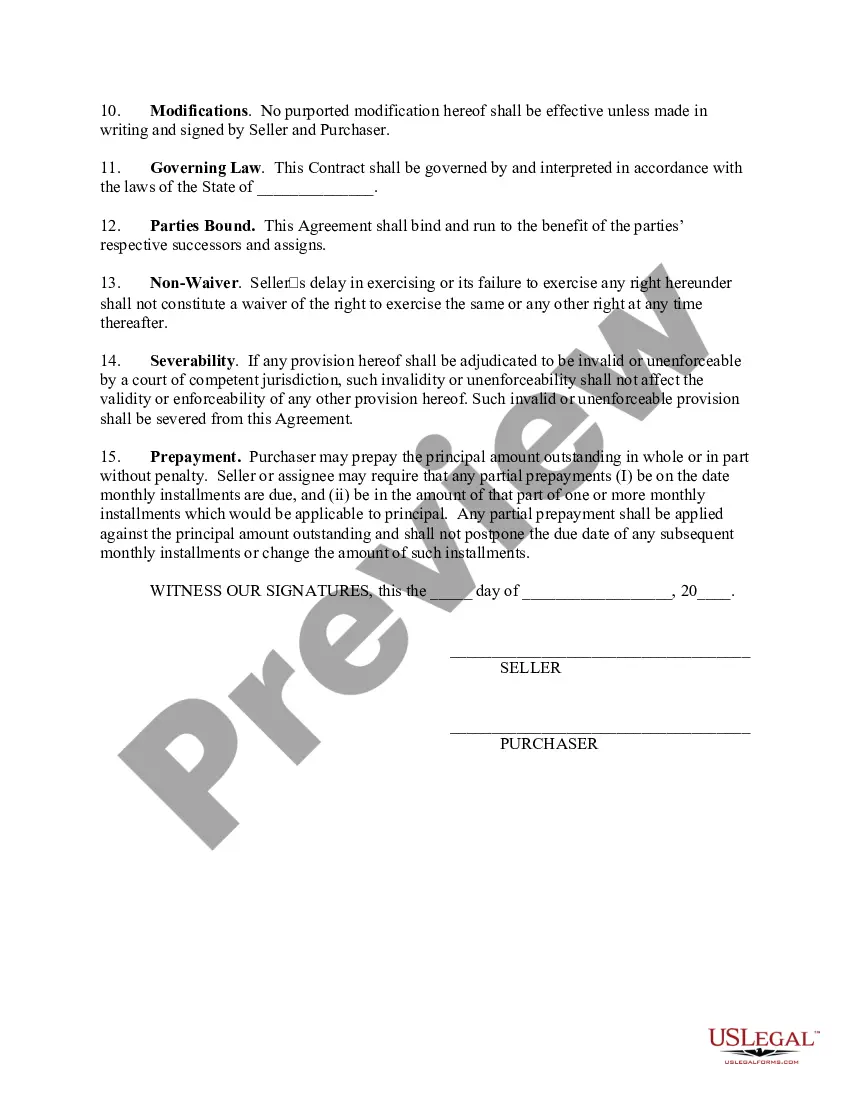
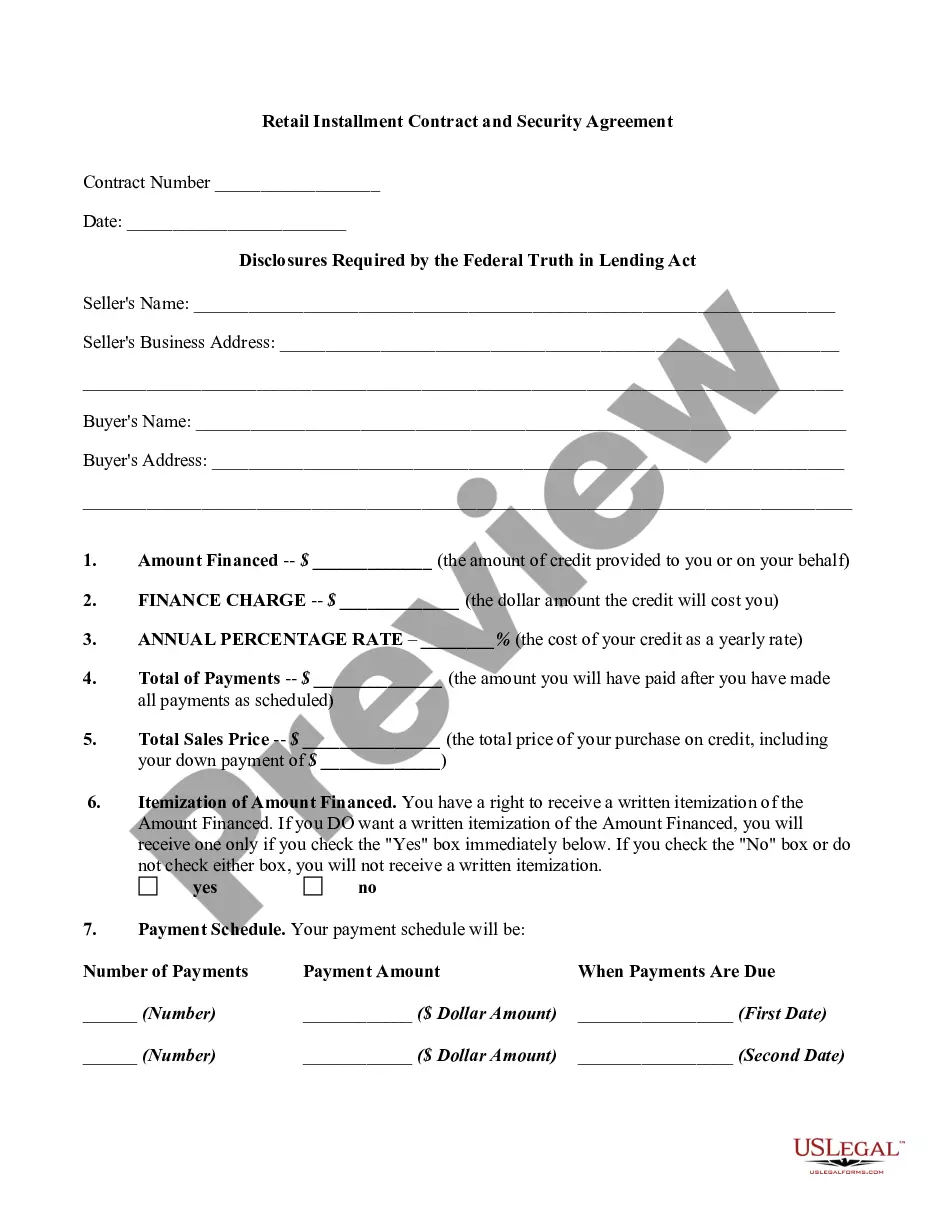
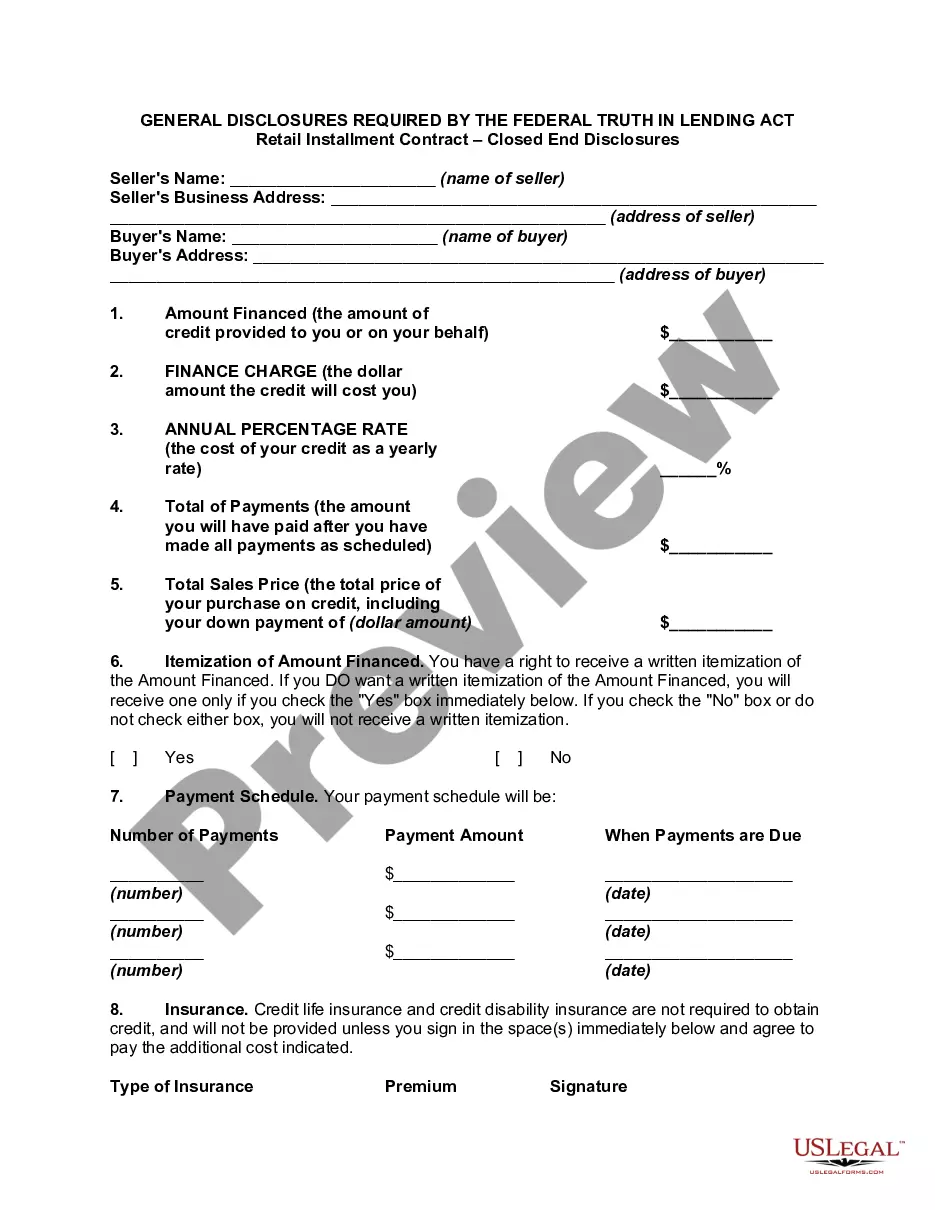
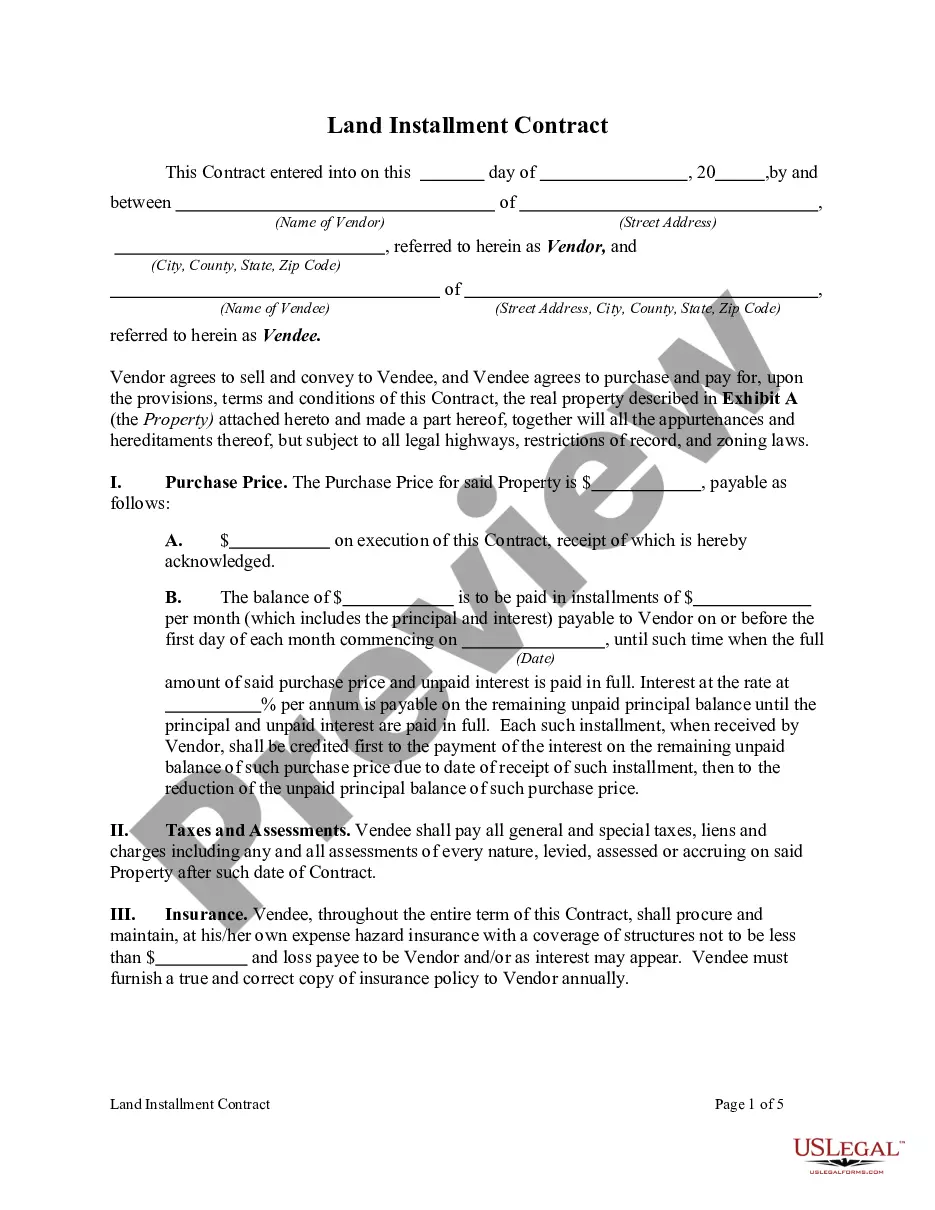
Get your form ready online
Our built-in tools help you complete, sign, share, and store your documents in one place.
Make edits, fill in missing information, and update formatting in US Legal Forms—just like you would in MS Word.
Download a copy, print it, send it by email, or mail it via USPS—whatever works best for your next step.
Sign and collect signatures with our SignNow integration. Send to multiple recipients, set reminders, and more. Go Premium to unlock E-Sign.
If this form requires notarization, complete it online through a secure video call—no need to meet a notary in person or wait for an appointment.
We protect your documents and personal data by following strict security and privacy standards.

Make edits, fill in missing information, and update formatting in US Legal Forms—just like you would in MS Word.

Download a copy, print it, send it by email, or mail it via USPS—whatever works best for your next step.

Sign and collect signatures with our SignNow integration. Send to multiple recipients, set reminders, and more. Go Premium to unlock E-Sign.

If this form requires notarization, complete it online through a secure video call—no need to meet a notary in person or wait for an appointment.

We protect your documents and personal data by following strict security and privacy standards.
Looking for another form?









Form popularity
FAQ
The installment sales method is only applied in situations where ownership is not fully transferred at the time of sale. In addition, the method is used when there is a degree of uncertainty over the amount that will be collected (therefore, it would be inappropriate to recognize all revenue at the time of sale).
An installment sale is a sale of property where you receive at least one payment after the tax year of the sale. If you realize a gain on an installment sale, you may be able to report part of your gain when you receive each payment. This method of reporting gain is called the installment method.
California's AMT applies to individuals whose income exceeds certain thresholds and who have specific types of deductions and credits. Taxpayers with high itemized deductions, such as those for mortgage interest, state and local taxes, and miscellaneous deductions, are more likely to trigger the AMT.
We give you an automatic 6-month extension to file your return. You must file by the deadline to avoid a late filing penalty.
Generally, California law is the same as federal law concerning installment sales. Get the instructions for federal Form 6252, Installment Sale Income, for more information on how to calculate your installment sale income. You may also refer to IRC Section 453 and R&TC Sections 17551, 17560, and 24667.
In an installment sale, the seller takes a note receivable for deferred payments from the buyer. The seller then recognizes taxable gain as installment payments of note receivable principal amounts are received, in proportion to the principal payments.
To submit Form 568, you can e-file through the Franchise Tax Board's website. If choosing to submit by mail, send your completed form to the California Franchise Tax Board, P.O. Box 942840, Sacramento, CA 94240-0040. Make sure to keep a copy for your records.
The long-term installment receivable is a current asset, not a non-current asset. Businesses that offer installment sales recognize those installment receivables as current assets as it is expected to be settled by the customers within one year or within the normal operating cycle of the business.
Generally, receivables are divided into three types: trade accounts receivable, notes receivable, and other accounts receivable.
An installment contract is a single contract that is completed by a series of performances –such as payments, performances of a service, or delivery of goods–rather than being performed all at one time.
