Installment Contract For Deed In California
Description

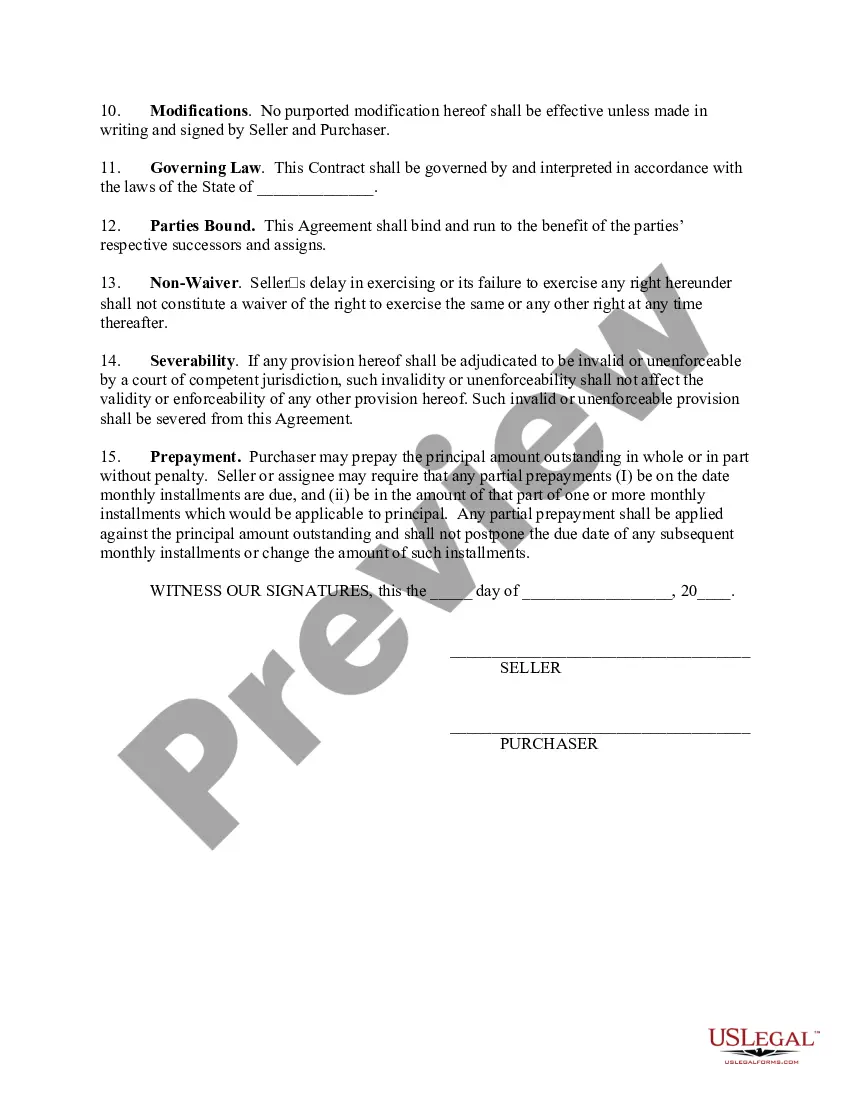
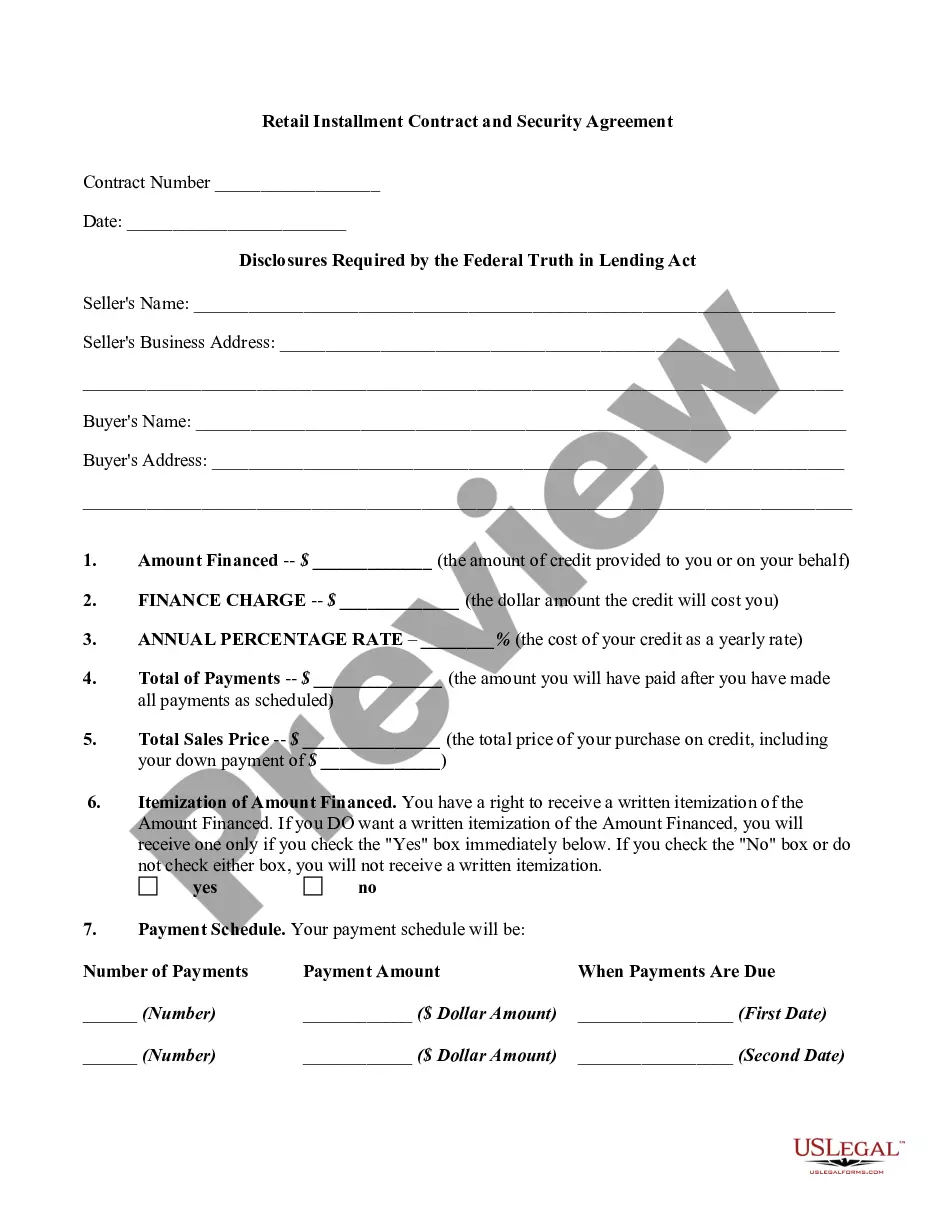
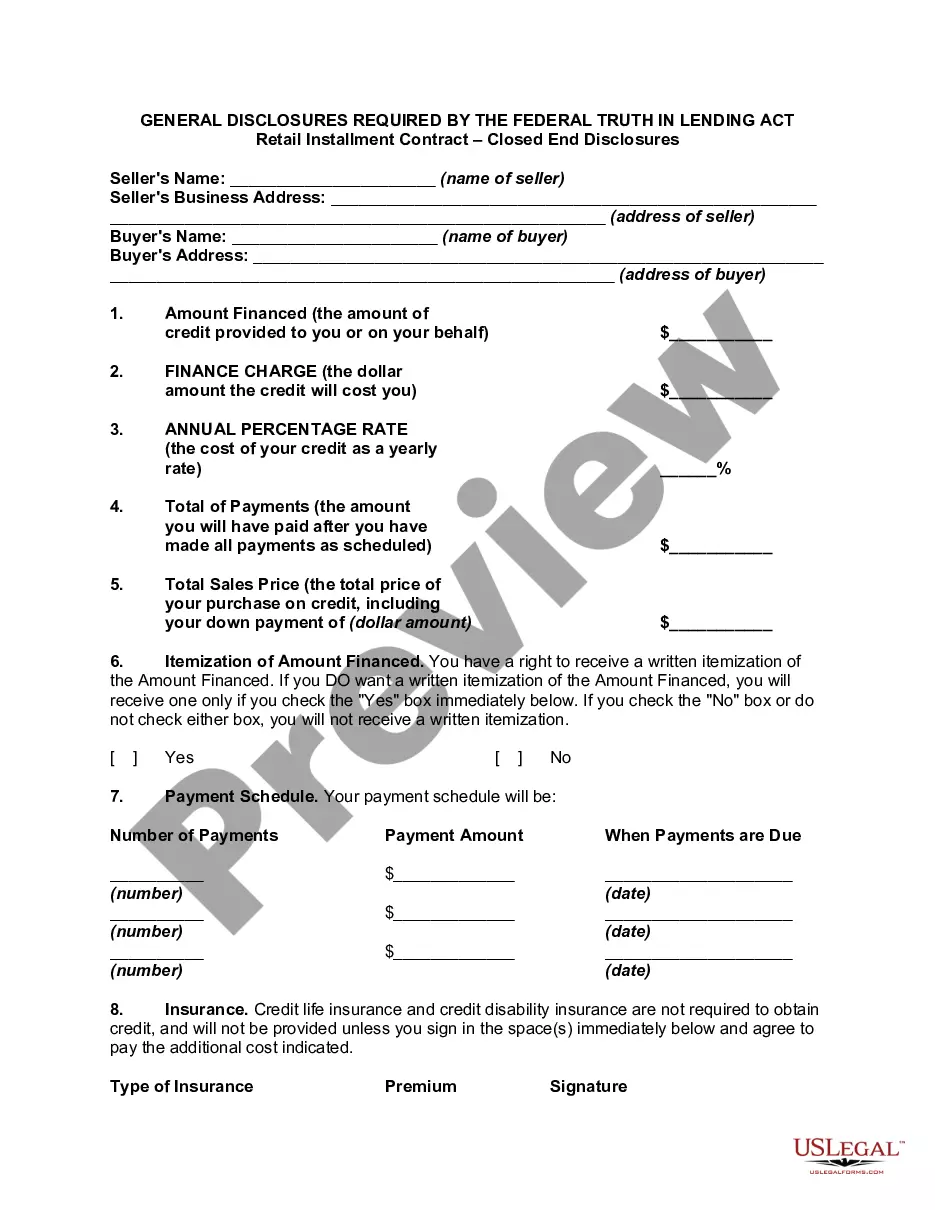
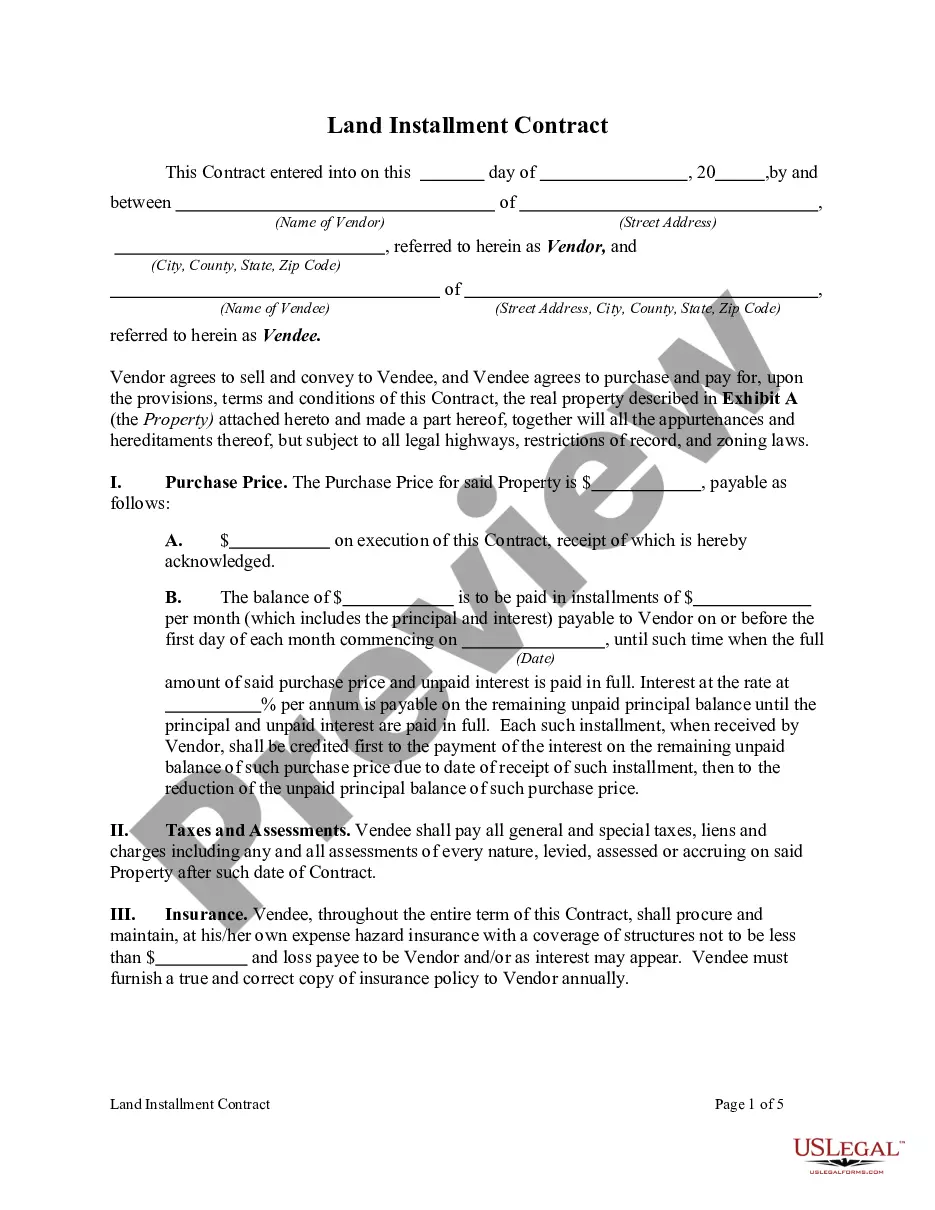
Get your form ready online
Our built-in tools help you complete, sign, share, and store your documents in one place.
Make edits, fill in missing information, and update formatting in US Legal Forms—just like you would in MS Word.
Download a copy, print it, send it by email, or mail it via USPS—whatever works best for your next step.
Sign and collect signatures with our SignNow integration. Send to multiple recipients, set reminders, and more. Go Premium to unlock E-Sign.
If this form requires notarization, complete it online through a secure video call—no need to meet a notary in person or wait for an appointment.
We protect your documents and personal data by following strict security and privacy standards.

Make edits, fill in missing information, and update formatting in US Legal Forms—just like you would in MS Word.

Download a copy, print it, send it by email, or mail it via USPS—whatever works best for your next step.

Sign and collect signatures with our SignNow integration. Send to multiple recipients, set reminders, and more. Go Premium to unlock E-Sign.

If this form requires notarization, complete it online through a secure video call—no need to meet a notary in person or wait for an appointment.

We protect your documents and personal data by following strict security and privacy standards.
Looking for another form?









Form popularity
FAQ
Is a contract for deed a good idea? The seller retains the title. This can extend through the completion of your payment plan, which can complicate things like ownership and taxes, as well as personal security and rights. Maintenance gets confusing. There's little regulation. Sellers don't have it easy.
Liquidity risk Structured installment sales can tie up a significant amount of capital, which could limit the seller's ability to invest in other opportunities or meet their financial obligations.
An installment contract offers a buyer less protection than a traditional mortgage. This is true mainly because of forfeiture provisions, which give the buyer no right of redemption and allow a buyer to lose all interest in the property for even the slightest breach.
An installment sales contract refers to any contract relating to periodic payments. However, in real estate, it is often called a contract for sale, land contract, or contract for deed.
If you need a copy of the current deed, contact the Recorder's Office where the property is located.
Synonyms of 'instalment' • payment, repayment, part payment. • part, section, chapter, episode.
What is an Installment Sale? An installment sale is a financing arrangement in which the seller allows the buyer to make payments over an extended period of time. In an installment sale, the buyer receives the goods at the beginning of the installment period and makes payments over an installment period.
Drafting of legal agreements and deeds in India Essential components of Contract. Defining the parties. Obligation of Parties. Payment Terms. Integration Clause. Termination. Sections an agreement shall include. Preamble. Recitals. Definitions. Body or Matter of Content. Consideration and Terms of Payment.
How to fill out the Grant Deed Form Instructions for California? Enter the names of the grantor(s) and grantee(s). Fill in the property details including APN and address. Complete the documentary transfer tax section carefully. Sign the document in front of a notary public.
DEEDS IN GENERAL It must be in writing; 2. The parties must be properly described; 3. The parties must be competent to convey and capable of receiving the grant of the property; 4. The property conveyed must be described so as to distinguish it from other parcels of real property.; 5.
