Installment Loan Contract With Monthly Payments In Bexar
Description

Get your form ready online
Our built-in tools help you complete, sign, share, and store your documents in one place.
Make edits, fill in missing information, and update formatting in US Legal Forms—just like you would in MS Word.
Download a copy, print it, send it by email, or mail it via USPS—whatever works best for your next step.
Sign and collect signatures with our SignNow integration. Send to multiple recipients, set reminders, and more. Go Premium to unlock E-Sign.
If this form requires notarization, complete it online through a secure video call—no need to meet a notary in person or wait for an appointment.
We protect your documents and personal data by following strict security and privacy standards.

Make edits, fill in missing information, and update formatting in US Legal Forms—just like you would in MS Word.

Download a copy, print it, send it by email, or mail it via USPS—whatever works best for your next step.

Sign and collect signatures with our SignNow integration. Send to multiple recipients, set reminders, and more. Go Premium to unlock E-Sign.

If this form requires notarization, complete it online through a secure video call—no need to meet a notary in person or wait for an appointment.

We protect your documents and personal data by following strict security and privacy standards.
Looking for another form?








Form popularity
FAQ
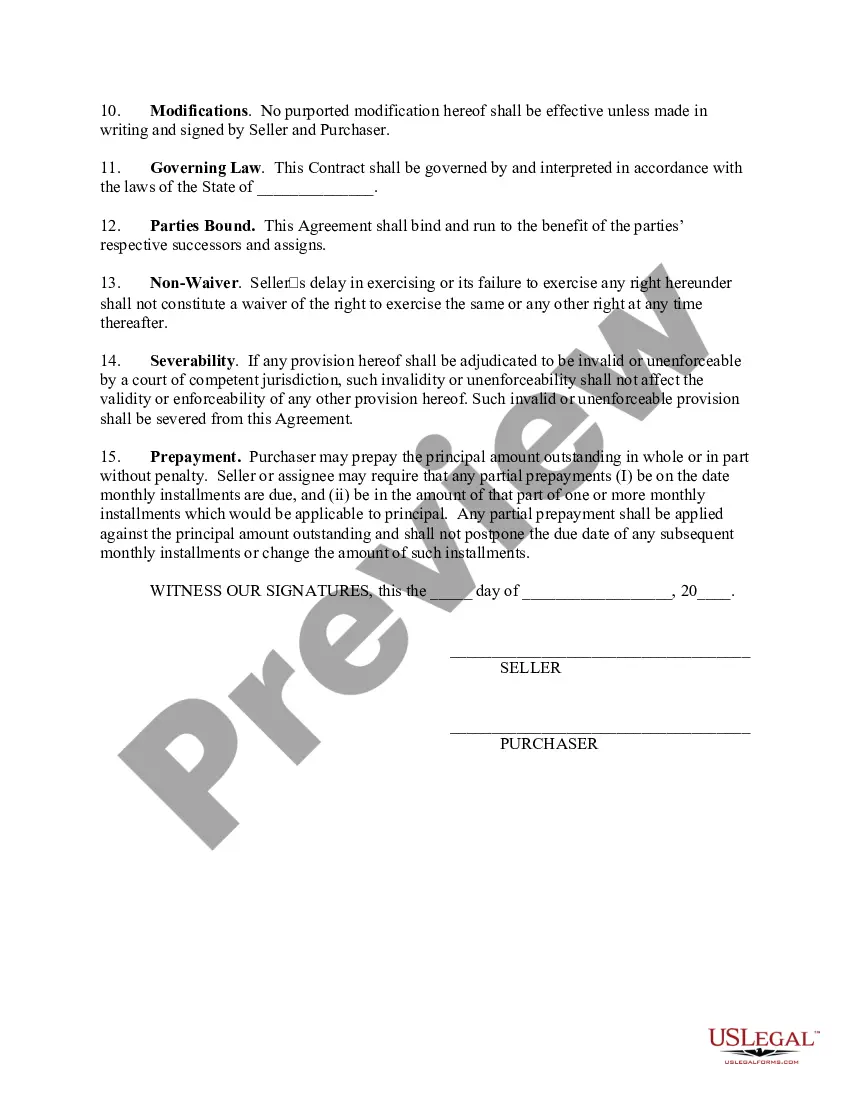
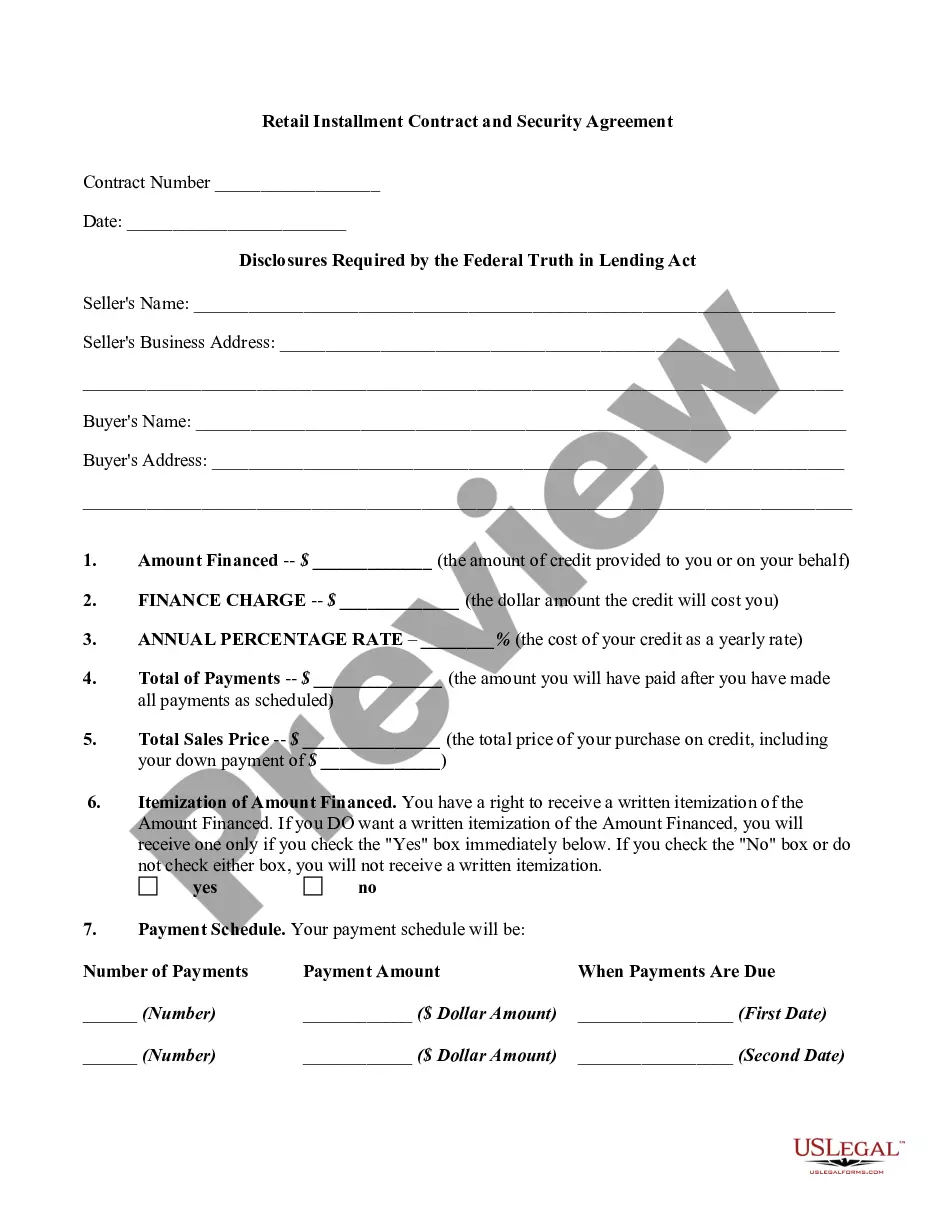
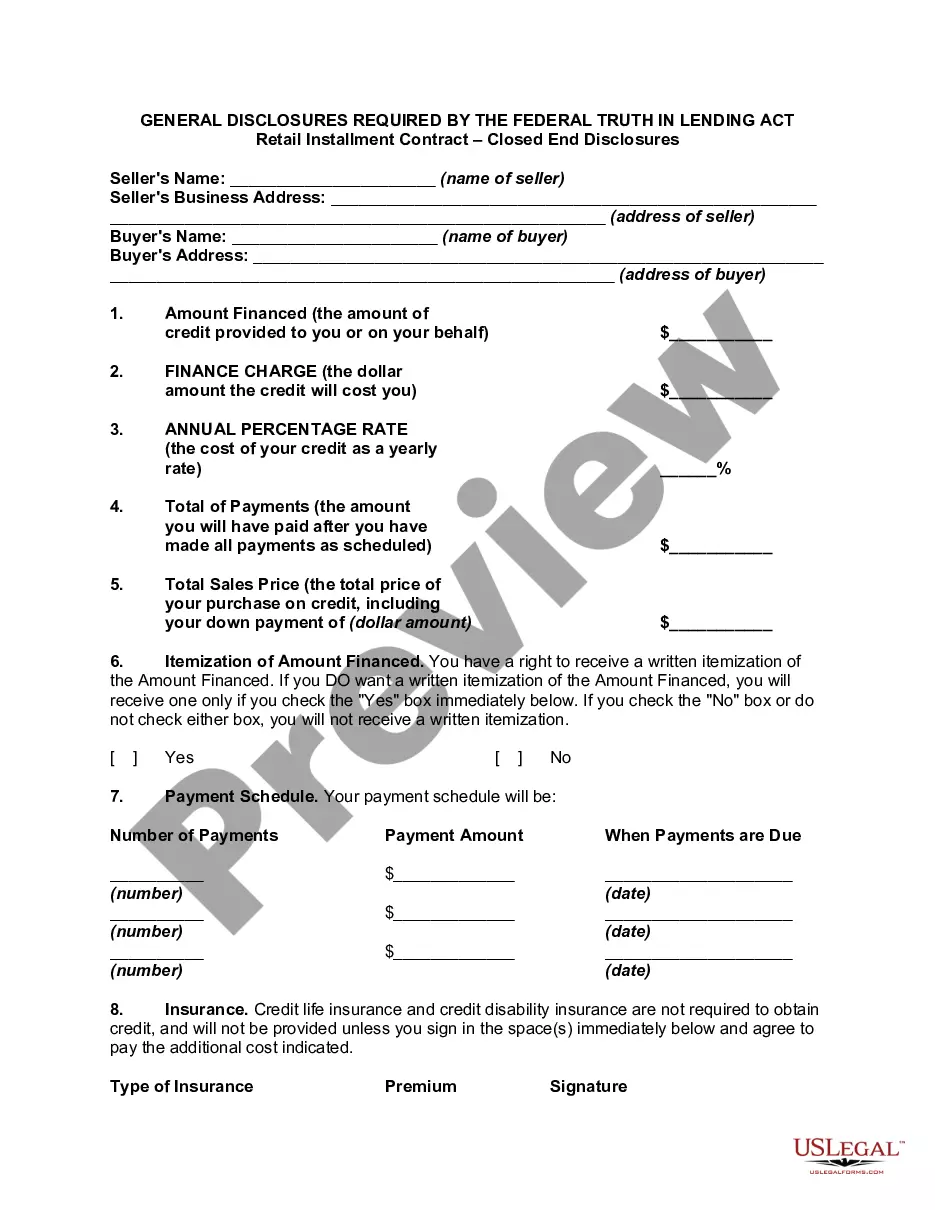
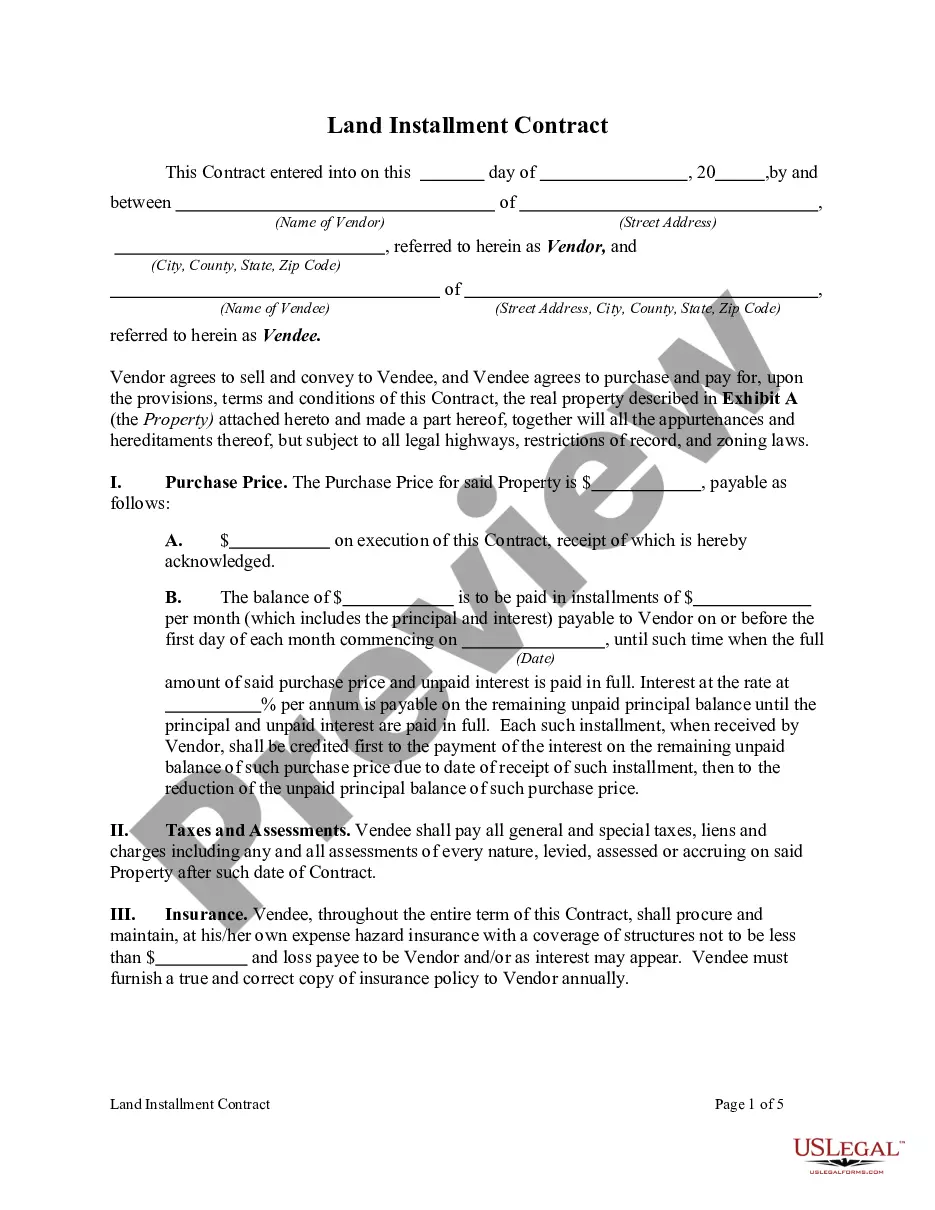
Setting up the payment plan Calculate the total amount due and the payment schedule. Determine the payment amounts, due dates and payment method. Write the agreement, detailing the payment plan. Include the date of the agreement and the parties involved. Get both parties to sign the agreement.
Homeowners can lower their taxes through exemptions or by protesting the assessed value of their property. Texas law requires appraisal districts to reassess properties at least every three years.
Persons with a residence homestead are entitled to a 20% exemption of the market valuation of their home. The Over-65 exemption is for property owners who claim their residence as their homestead - this exemption is a maximum of $85,000 of taxable valuation.
Relief for Texas Property Owners An increase in the residence homestead exemption for school districts from $40,000 to $100,000. Compressed school district tax rates by an additional $0.107 for the 2023-2024 tax year.
Persons with a residence homestead are entitled to a 20% exemption of the market valuation of their home. The Over-65 exemption is for property owners who claim their residence as their homestead - this exemption is a maximum of $85,000 of taxable valuation.
Payment Plan Options. While the Tax Office is bound by law to follow the rules and guidelines set out in the Texas Property Tax Code, we are committed to working with our taxpayers to offer payment arrangement solutions that allow for the payment of taxes over time within the guidelines of the Texas Property Tax Code.
If you are a property owner who qualifies for the Age 65 or Older or the Disability exemptions, you may defer or postpone paying any property taxes on your home for as long as you own and live in it.
Drafting the payment plan agreement Brainstorm payment plan parameters and write them down. Identify key terms and conditions applicable to both parties. Draft a payment plan agreement with all the details noted in the previous step. List the payment plan schedule and payment amounts.
