Installment Contract Receivable Formula In Allegheny
Description



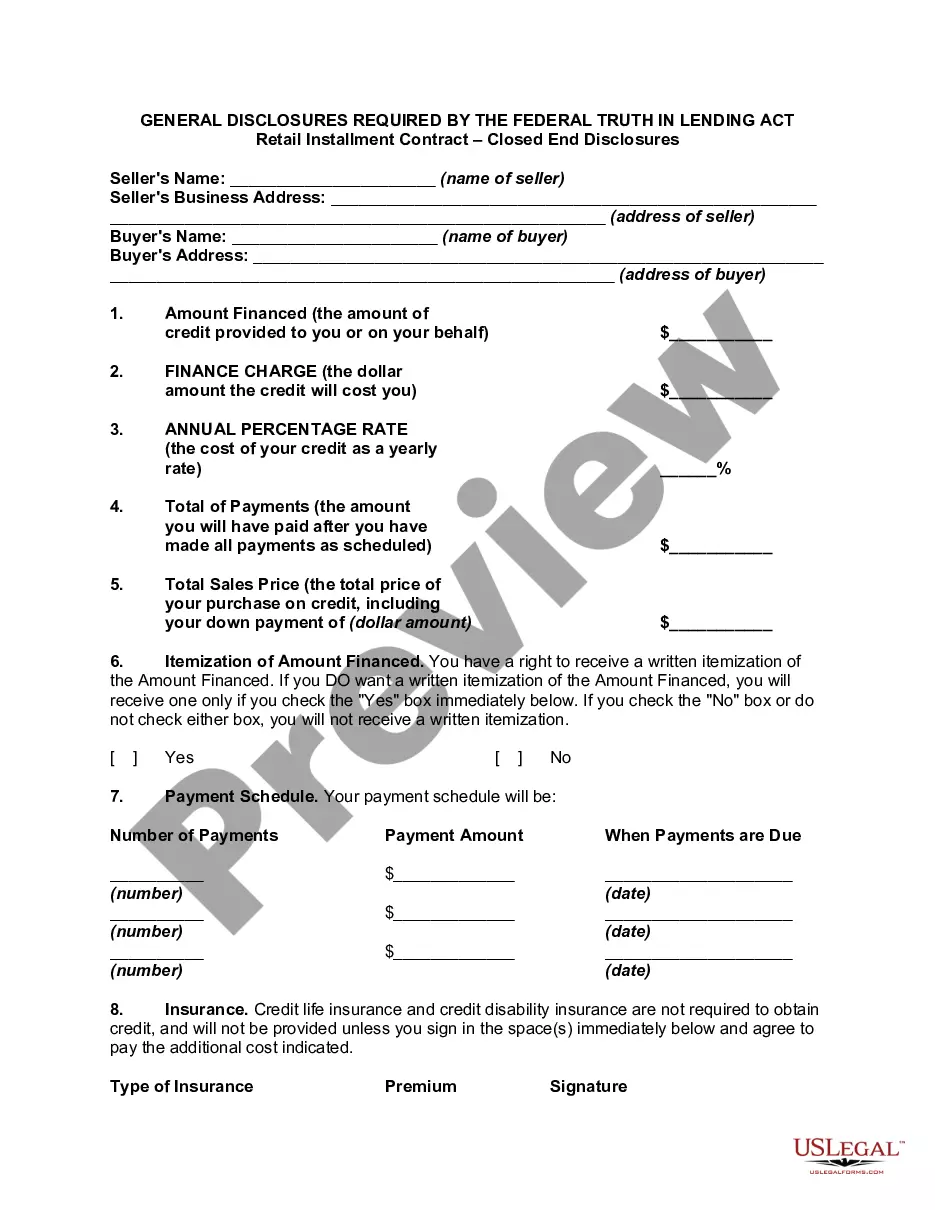
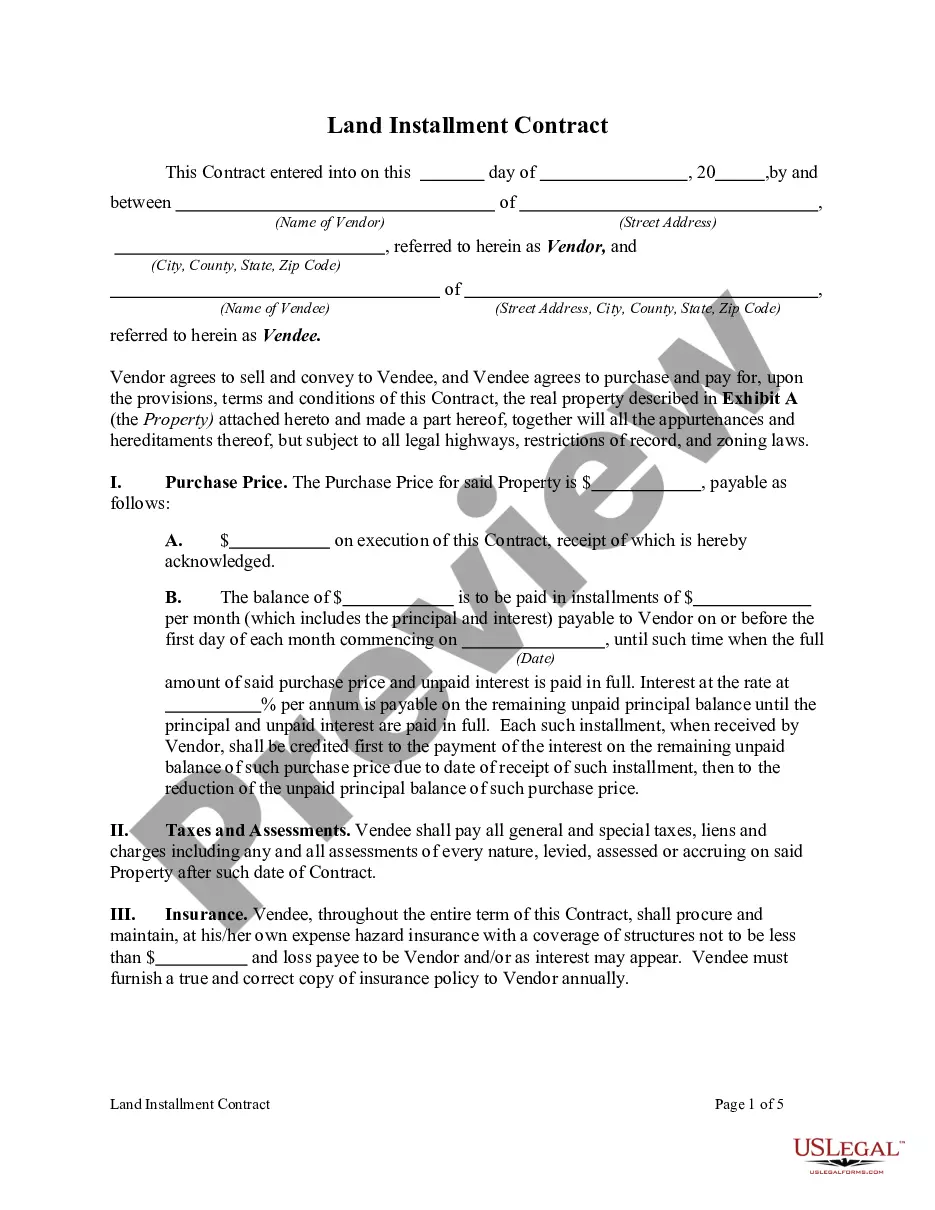
Get your form ready online
Our built-in tools help you complete, sign, share, and store your documents in one place.
Make edits, fill in missing information, and update formatting in US Legal Forms—just like you would in MS Word.
Download a copy, print it, send it by email, or mail it via USPS—whatever works best for your next step.
Sign and collect signatures with our SignNow integration. Send to multiple recipients, set reminders, and more. Go Premium to unlock E-Sign.
If this form requires notarization, complete it online through a secure video call—no need to meet a notary in person or wait for an appointment.
We protect your documents and personal data by following strict security and privacy standards.

Make edits, fill in missing information, and update formatting in US Legal Forms—just like you would in MS Word.

Download a copy, print it, send it by email, or mail it via USPS—whatever works best for your next step.

Sign and collect signatures with our SignNow integration. Send to multiple recipients, set reminders, and more. Go Premium to unlock E-Sign.

If this form requires notarization, complete it online through a secure video call—no need to meet a notary in person or wait for an appointment.

We protect your documents and personal data by following strict security and privacy standards.
Looking for another form?








Form popularity
FAQ
Generally, receivables are divided into three types: trade accounts receivable, notes receivable, and other accounts receivable.
An installment contract is a single contract that is completed by a series of performances –such as payments, performances of a service, or delivery of goods–rather than being performed all at one time.
The long-term installment receivable is a current asset, not a non-current asset. Businesses that offer installment sales recognize those installment receivables as current assets as it is expected to be settled by the customers within one year or within the normal operating cycle of the business.
Amount to report as installment sale income. Multiply the payments you receive each year (less interest) by the gross profit percentage. The result is your installment sale income for the tax year.
In an installment sale, the seller takes a note receivable for deferred payments from the buyer. The seller then recognizes taxable gain as installment payments of note receivable principal amounts are received, in proportion to the principal payments.
An installment sale is a sale of property where you receive at least one payment after the tax year of the sale. If you realize a gain on an installment sale, you may be able to report part of your gain when you receive each payment. This method of reporting gain is called the installment method.
Reporting the sale on your tax return You don't include in income the part of the payment that's a return of your basis in the property. Use Form 6252, Installment Sale Income to report an installment sale in the year the sale occurs and for each year of the installment obligation.
Property Tax Gain Reporting Requirements for Deed Contracts Attach Form 6252 to your Form 1040 and Schedule D, “Capital Gains and Losses.” First-year installment sales are reported on Form 6252 on lines 1 through 4, Parts I and II; and lines 1 through 4, Part II in later years.
