Installment Contract Agreement For Services Rendered In Alameda
Description

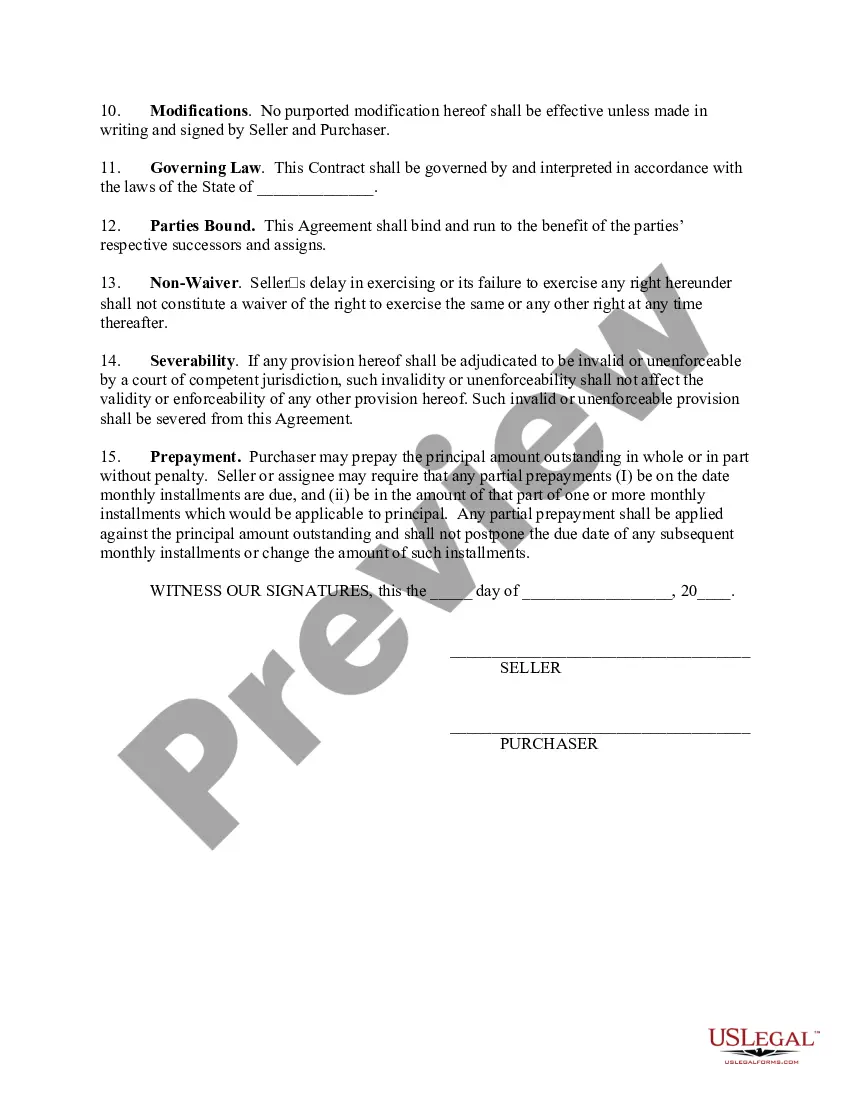
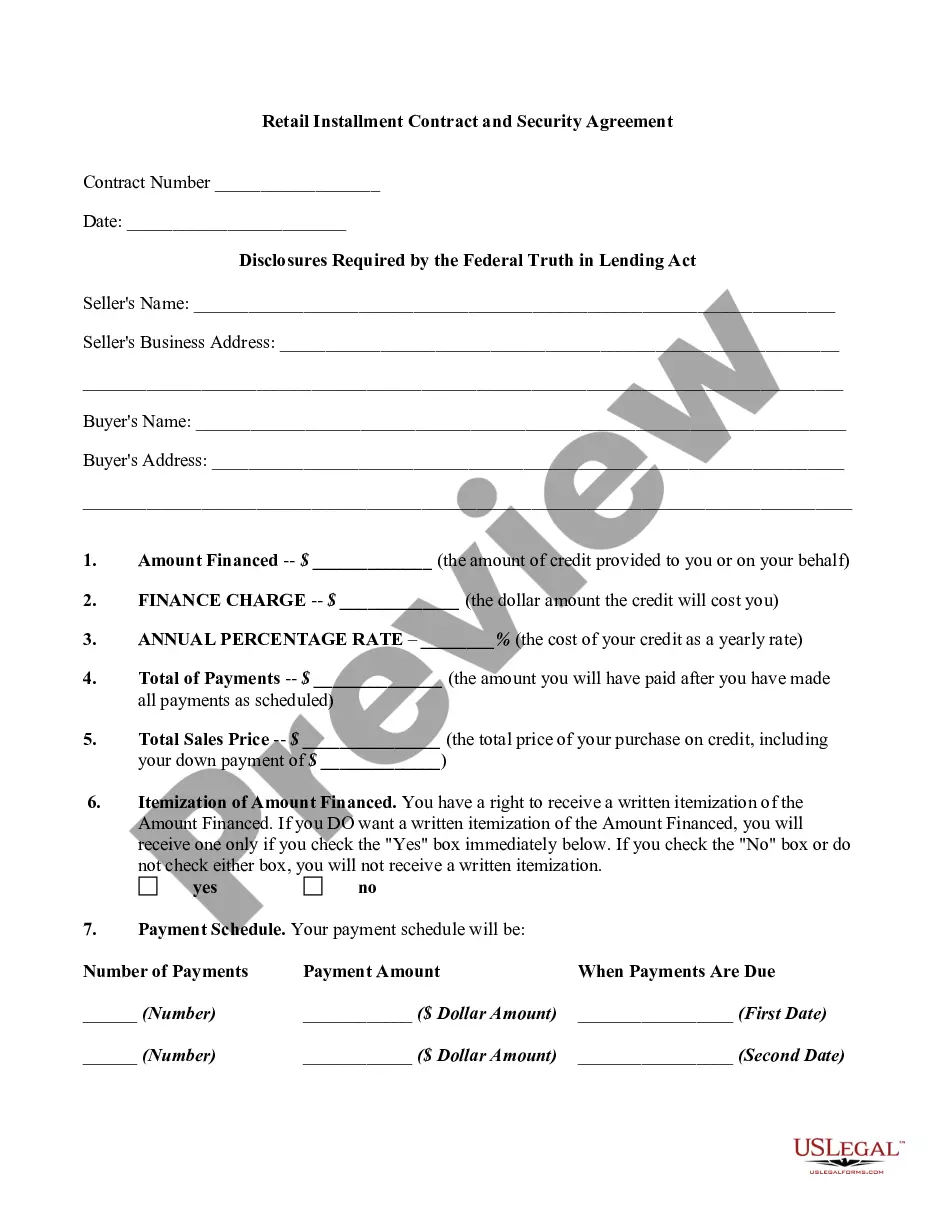
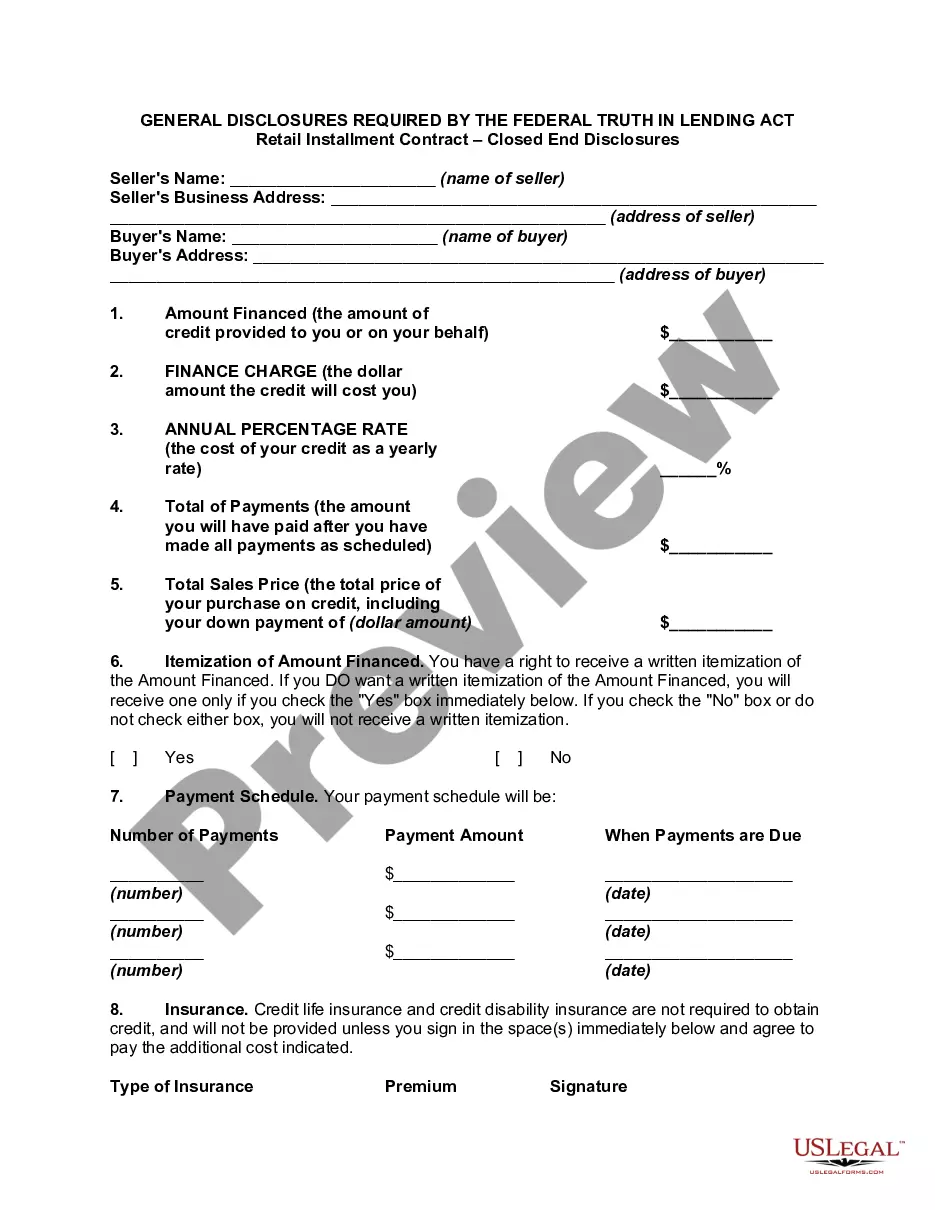
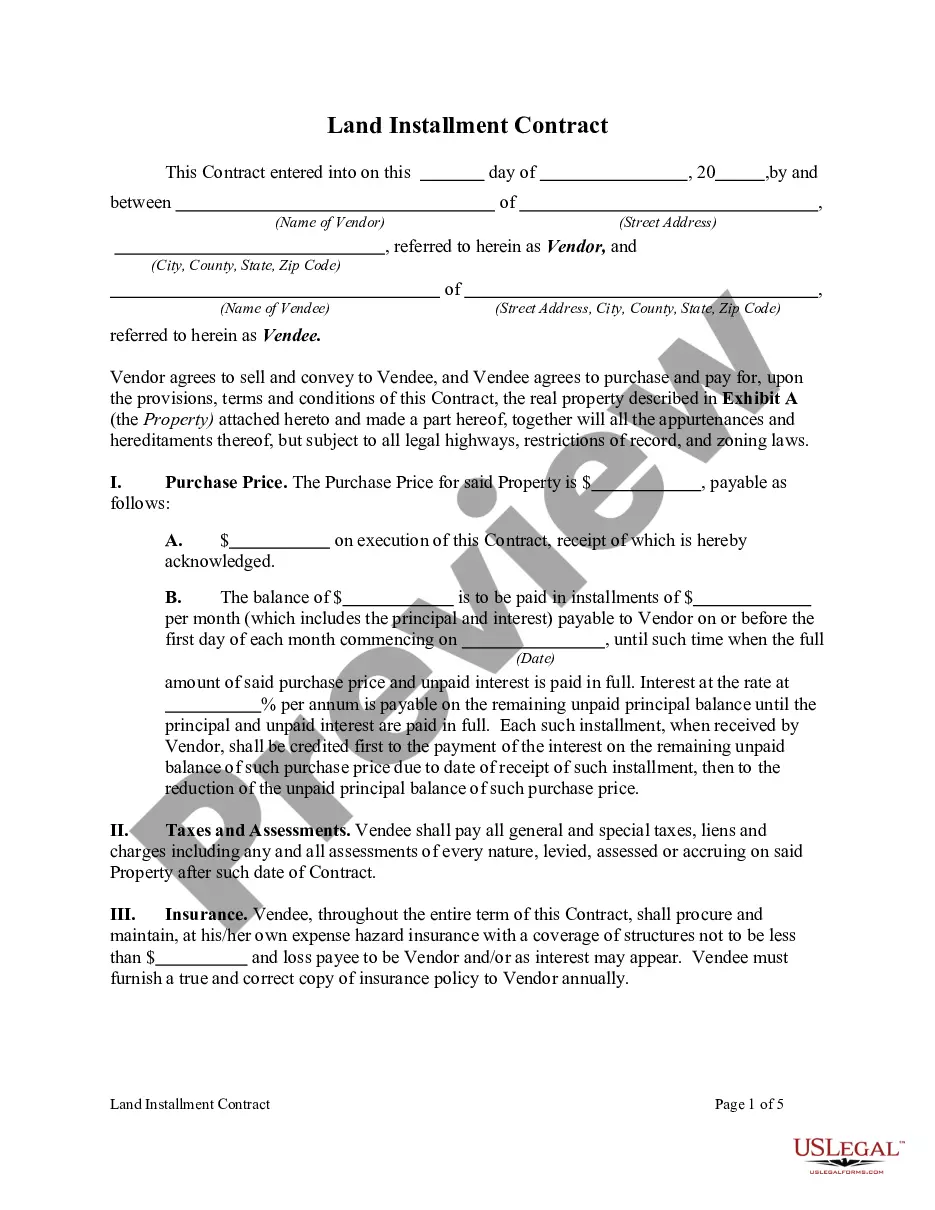
Get your form ready online
Our built-in tools help you complete, sign, share, and store your documents in one place.
Make edits, fill in missing information, and update formatting in US Legal Forms—just like you would in MS Word.
Download a copy, print it, send it by email, or mail it via USPS—whatever works best for your next step.
Sign and collect signatures with our SignNow integration. Send to multiple recipients, set reminders, and more. Go Premium to unlock E-Sign.
If this form requires notarization, complete it online through a secure video call—no need to meet a notary in person or wait for an appointment.
We protect your documents and personal data by following strict security and privacy standards.

Make edits, fill in missing information, and update formatting in US Legal Forms—just like you would in MS Word.

Download a copy, print it, send it by email, or mail it via USPS—whatever works best for your next step.

Sign and collect signatures with our SignNow integration. Send to multiple recipients, set reminders, and more. Go Premium to unlock E-Sign.

If this form requires notarization, complete it online through a secure video call—no need to meet a notary in person or wait for an appointment.

We protect your documents and personal data by following strict security and privacy standards.
Looking for another form?








Form popularity
FAQ
By signing the agreement, you authorize the service provider to serve as an intermediary between you and your customer. The provider is responsible for processing all electronic payments through its network from start to finish, including ensuring that funds settle and are deposited into your account.
The creditor should sign the Letter in the space provided before sending it to the debtor. If the debtor agrees to the repayment plan set out in the Letter Accepting Payments in Instalments, they should countersign the Letter in the space provided. This makes the Letter a binding agreement between the parties.
Contracts for service require less formality than service agreements. These informal deals sometimes need two people to finish the deal. Contracts, on the other hand, are very formal documents. Contracts give the people who sign their rights and responsibilities, and if they are legal, they can always be used in court.
How to Write a Service Agreement Step 1: Identify the parties involved. Step 2: Define the scope of services. Step 3: Set payment terms. Step 4: Outline the responsibilities of each party. Step 5: Add termination, dispute resolution, and other essential clauses. Step 6: Review and finalize.
10 Different Types of Contracts Type of ContractEveryday Use Implied Contracts Common in everyday transactions like dining out. Express Contracts Standard in formal business agreements. Simple Contracts Used for straightforward services or transactions. Unconscionable Contracts Often challenged in court for fairness.10 more rows •
Key Differences Between Agreement and Contract A contract is legally binding and enforceable, whereas an agreement may or may not be legally binding. Contracts create legal obligations that must be fulfilled by the parties, while agreements may not create any legal obligations.
It is therefore a document which simply confirms an agreed level of service that is expected to be provided to meet the business needs of the customer. A SLA is not a contract. The SLA document should be seen as a list of targets, rather than a legal binding agreement.