Employment Law For Probation Period In Washington
Description

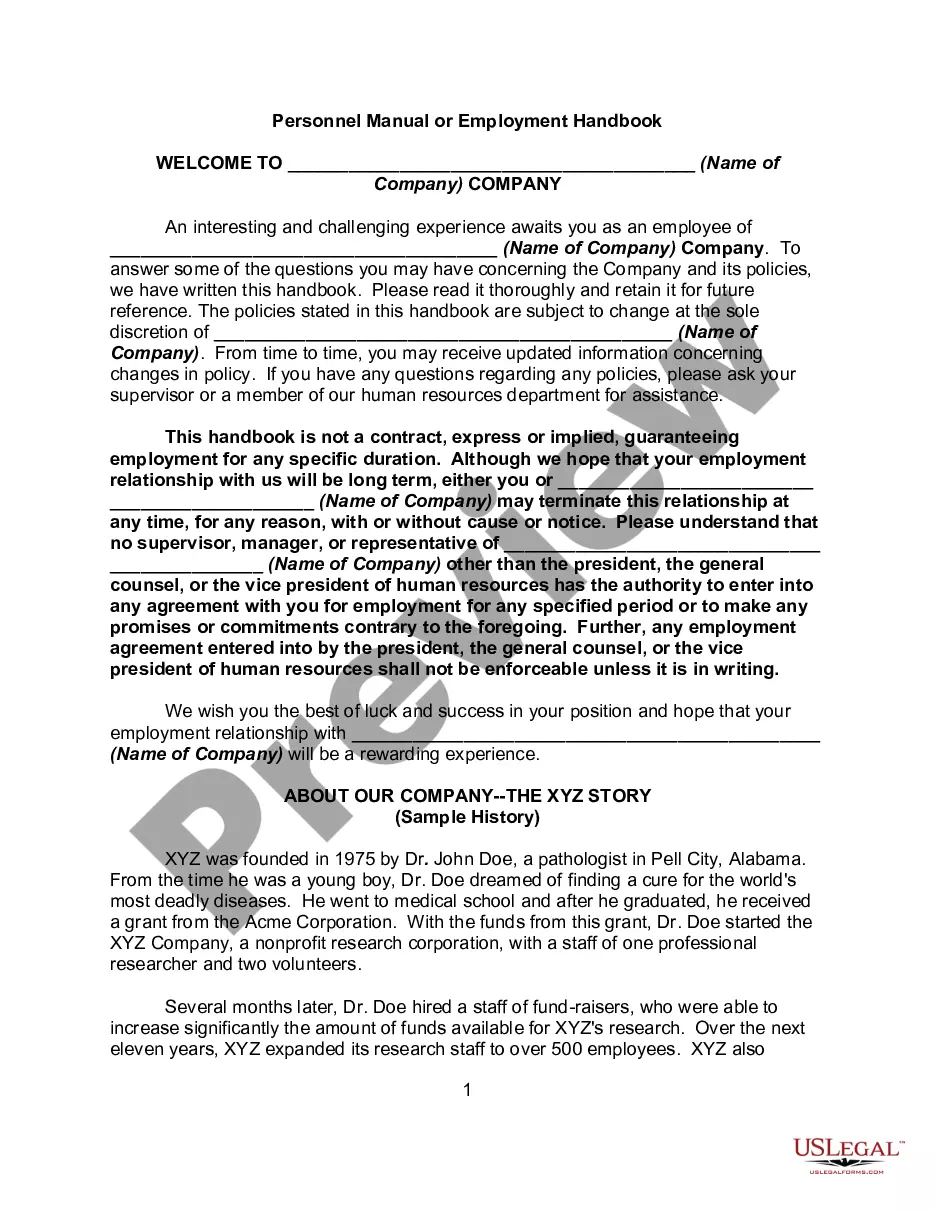
Get your form ready online
Our built-in tools help you complete, sign, share, and store your documents in one place.
Make edits, fill in missing information, and update formatting in US Legal Forms—just like you would in MS Word.
Download a copy, print it, send it by email, or mail it via USPS—whatever works best for your next step.
Sign and collect signatures with our SignNow integration. Send to multiple recipients, set reminders, and more. Go Premium to unlock E-Sign.
If this form requires notarization, complete it online through a secure video call—no need to meet a notary in person or wait for an appointment.
We protect your documents and personal data by following strict security and privacy standards.

Make edits, fill in missing information, and update formatting in US Legal Forms—just like you would in MS Word.

Download a copy, print it, send it by email, or mail it via USPS—whatever works best for your next step.

Sign and collect signatures with our SignNow integration. Send to multiple recipients, set reminders, and more. Go Premium to unlock E-Sign.

If this form requires notarization, complete it online through a secure video call—no need to meet a notary in person or wait for an appointment.

We protect your documents and personal data by following strict security and privacy standards.
Looking for another form?

Form popularity
FAQ
Probationary Period - The initial period of employment following certification and appointment to, or reemployment in, the classified service. The probationary period lasts for six to twelve months as determined under the provisions of WAC 357-19-040.
A 90-day review is an opportunity for you and your new hires to assess their performance and share feedback from the first three months. Within a 90-day review, you may discuss your employee's overall performance, productivity, and goals and expectations moving forward.
A new hire probationary period is a predetermined timeframe that starts on the employee's date of hire and concludes at the end of the period. For example, many companies use a 90-day probationary period that begins on the employer's first day of work and ends exactly 90 days later.
The clause must state that the employee will be on trial for a set period (this can be less than 90 days, but the exact length must be specified), that the employer can dismiss the employee during the trial period, and that the employee will not be able to bring a personal grievance or other legal proceedings about ...
One week or less, for staff who have been with you for under a month. A week, for those with you between one and six months (if you have a six month probation period). If you're dismissing, you must give statutory notice as per below.
The first 90 days of a new position is a probationary period. This is when a company assesses your fit for the job and the company culture. During this time, there are certain things they expect you to accomplish. During the first 30 days, you should be learning -- not doing.
After consultation with Human Resources, the employee's supervisor should give the employee a written notice saying the employee is being placed on disciplinary probation, noting the length of the probation period, the specific deficiencies in the employee's behavior or performance, the necessary changes and ...
If an employer takes adverse action (like discharge, discipline, demotion, or threat thereof) against an employee within 90 days of the employee exercising rights under specific Labor Code provisions, it is presumed to be retaliatory.
At-Will Employment: In California, most employment relationships are considered “at-will,” which means that either the employer or the employee can terminate the relationship at any time, with or without cause, unless there is a contract that specifies otherwise.