Employment Law Without Prejudice Discussions In Wake
Description
















Get your form ready online
Our built-in tools help you complete, sign, share, and store your documents in one place.
Make edits, fill in missing information, and update formatting in US Legal Forms—just like you would in MS Word.
Download a copy, print it, send it by email, or mail it via USPS—whatever works best for your next step.
Sign and collect signatures with our SignNow integration. Send to multiple recipients, set reminders, and more. Go Premium to unlock E-Sign.
If this form requires notarization, complete it online through a secure video call—no need to meet a notary in person or wait for an appointment.
We protect your documents and personal data by following strict security and privacy standards.

Make edits, fill in missing information, and update formatting in US Legal Forms—just like you would in MS Word.

Download a copy, print it, send it by email, or mail it via USPS—whatever works best for your next step.

Sign and collect signatures with our SignNow integration. Send to multiple recipients, set reminders, and more. Go Premium to unlock E-Sign.

If this form requires notarization, complete it online through a secure video call—no need to meet a notary in person or wait for an appointment.

We protect your documents and personal data by following strict security and privacy standards.
Looking for another form?

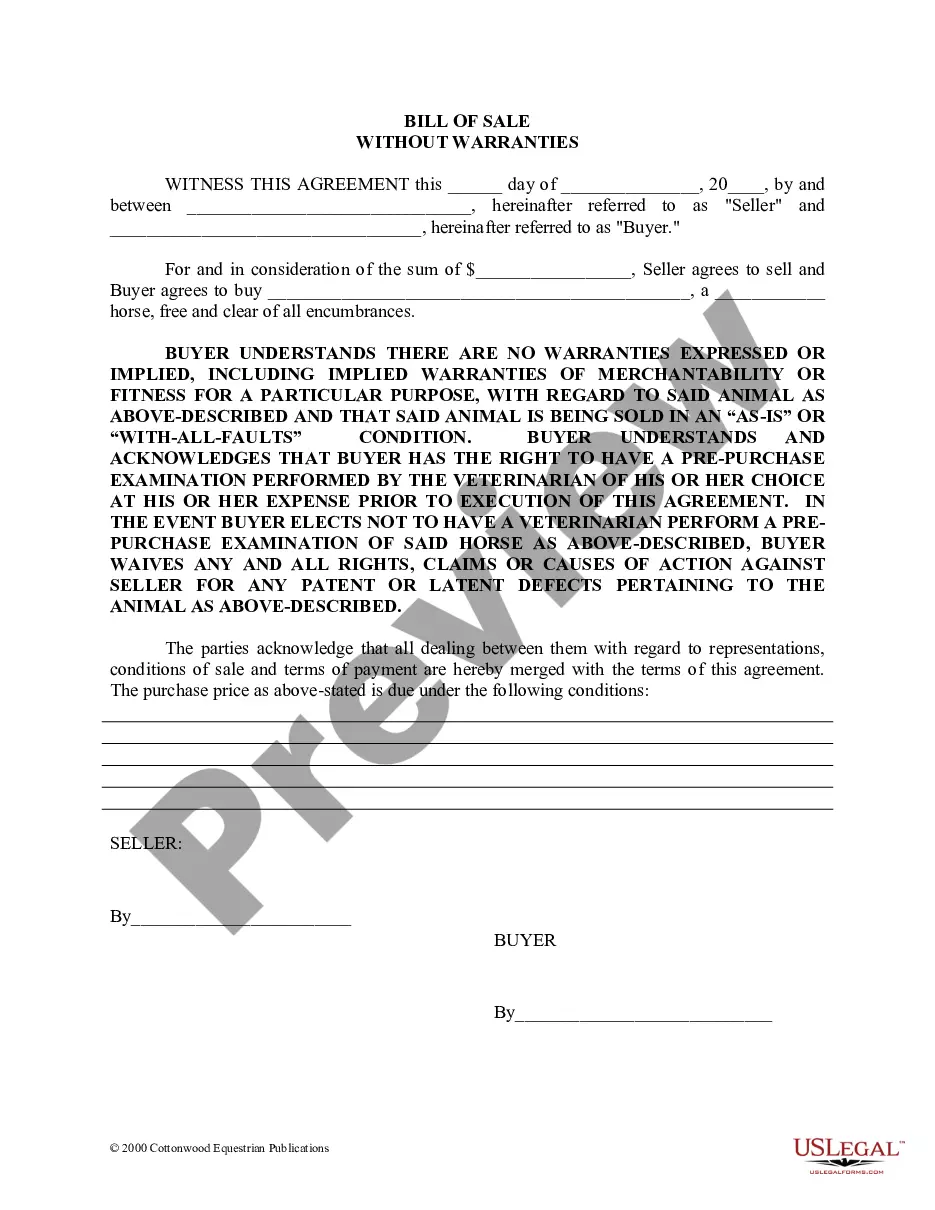
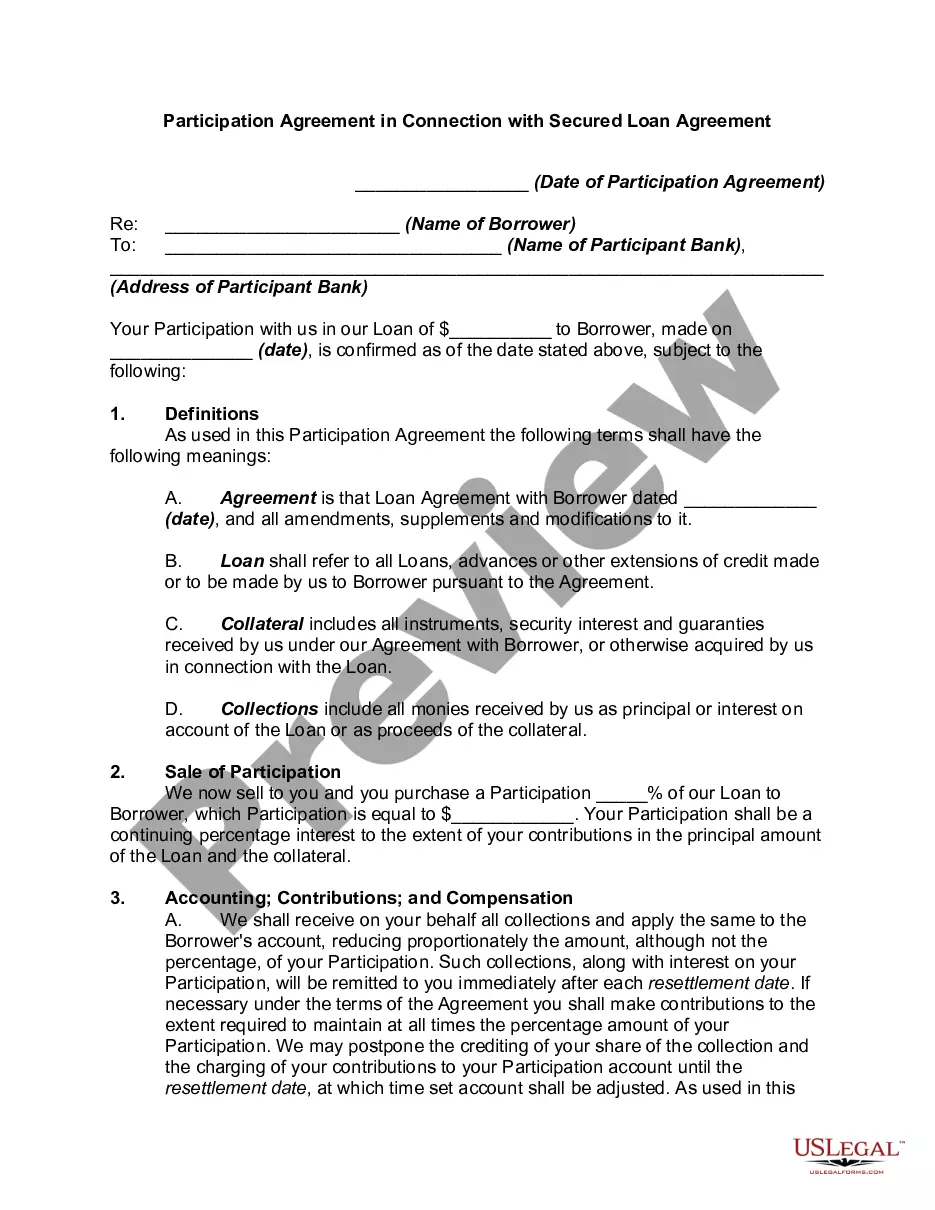







Form popularity
FAQ
In the legal context of a dismissal, “prejudice” refers to a loss of certain rights or privileges. For a case to be dismissed “with prejudice” means that it is dismissed with the loss of certain rights or privileges and for a case to be dismissed “without prejudice” means the opposite.
Whereas a case that is dismissed “with prejudice” is dismissed permanently, a case that is dismissed “without prejudice” is only dismissed temporarily. This temporary dismissal means that the plaintiff is allowed to re-file charges, alter the claim, or bring the case to another court.
What does without prejudice mean? 'Without prejudice' is a legal term used to describe written or verbal communications aimed at settling disputes which cannot later be referred to in court. During attempts to settle a dispute, emails, letters and conversations are often defined as without prejudice.
If the case is dismissed without prejudice, prosecutors will have another two years to refile before the statute of limitations expires. You can contact our California criminal defense lawyers for a case review. Eisner Gorin LLP has offices in Los Angeles, California.
Exceptions when the “without prejudice” offer was induced by undue influence or misrepresentation and the offended party wants to exit the agreement made; when there is a need to explain a delay in proceedings; when “without prejudice” negotiations induce a party to do certain things giving rise to an estoppel;
What does without prejudice mean? “Without prejudice” is a legal mechanism which limits who can see particular communications. For example, if your employer makes a genuine “without prejudice” offer to you in a letter then neither party will generally be able to show that letter to a court to try and prove their case.
Often, judges dismiss cases without prejudice, so that the person whose case got dismissed can try again after fixing the problem the other side pointed out.
Without Prejudice Meaning The basic meaning of 'without prejudice' is that statements made in the settlement of an existing dispute cannot be relied upon as evidence against the interests of the relevant party if negotiations fail and the parties then have to formally engage in a dispute resolution procedure.
Best practice would be to invite the employee to a meeting for an initial discussion. The important words to say or write at the start of any communication is that you are having a protected conversation (and ideally, state that it is being carried out pursuant to Section 111A of the Employment Rights Act 1996).
If the Protected Conversation has been sprung on you without warning, the best response is to say as little as possible and take full and detailed notes of what is being put to you. This would include any comments about why your employer wants to start a Protected Conversation to end your employment.
