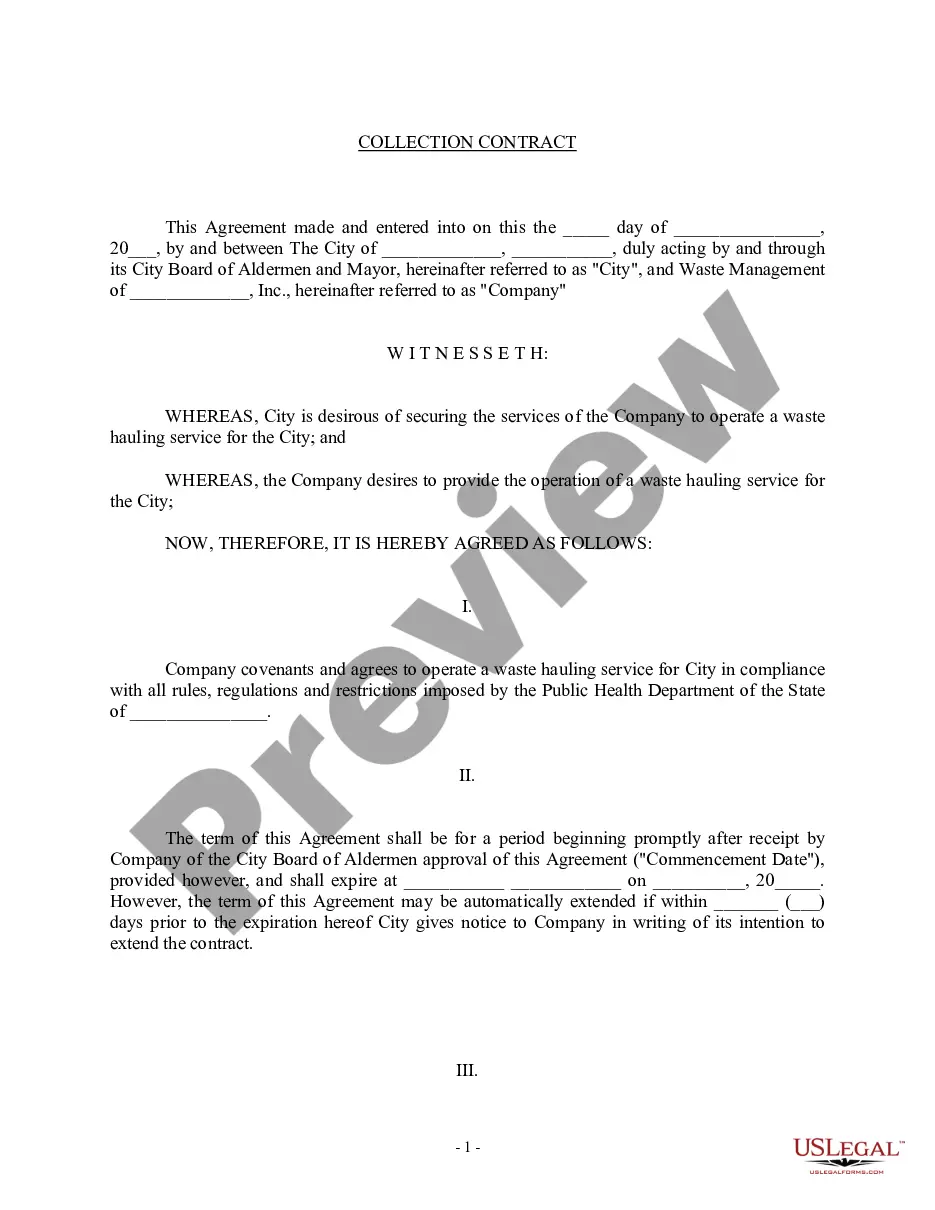
Employment Law With No Contract In Suffolk
Description















Get your form ready online
Our built-in tools help you complete, sign, share, and store your documents in one place.
Make edits, fill in missing information, and update formatting in US Legal Forms—just like you would in MS Word.
Download a copy, print it, send it by email, or mail it via USPS—whatever works best for your next step.
Sign and collect signatures with our SignNow integration. Send to multiple recipients, set reminders, and more. Go Premium to unlock E-Sign.
If this form requires notarization, complete it online through a secure video call—no need to meet a notary in person or wait for an appointment.
We protect your documents and personal data by following strict security and privacy standards.

Make edits, fill in missing information, and update formatting in US Legal Forms—just like you would in MS Word.

Download a copy, print it, send it by email, or mail it via USPS—whatever works best for your next step.

Sign and collect signatures with our SignNow integration. Send to multiple recipients, set reminders, and more. Go Premium to unlock E-Sign.

If this form requires notarization, complete it online through a secure video call—no need to meet a notary in person or wait for an appointment.

We protect your documents and personal data by following strict security and privacy standards.
Looking for another form?






Form popularity
FAQ
If there is no written record of the terms of the employment, it makes it harder to prove the existence of certain terms if action is taken against the employer. The lack of a contract can also prevent the employment relationship being legally binding between both the employer and the employee.
Nothing contained in this Agreement will confer upon the Optionee any right to be employed or remain employed by the Company or any Subsidiary, or limit or affect in any manner the right of the Company or any Subsidiary to terminate the employment or adjust the compensation of the Optionee.
In some cases, yes--especially if you're not working under a contract. Without a formal contract, you're considered to be employed at will, which means that both you and your employer have the right to terminate the employment relationship at any time.
Once the applicant has accepted the job, there is a legally binding contract of employment between the employer and the applicant. The law does not require witnesses or a signature to make it valid.
The Public Employees' Fair Employment Act, commonly known as the Taylor Law, is a labor relations statute covering most public employees in New York State — whether employed by the State, or by counties, cities, towns, villages, school districts, public authorities or certain special service districts.
Is There a Limit on Working Hours in New York? The New York State Department of Labor does not limit the number of hours employees can work per day. This means employers may legally ask their employees to work shifts of eight, ten, twelve, or more hours each day.
Common examples of hostile work environment cases include: Discriminatory jokes, racial or ethnic slurs, or derogatory name-calling. Display of offensive objects, images, or materials targeting protected groups. Intimidation tactics, mockery, or systematic insults. Unwanted physical contact or inappropriate touching.
No Legal Record: Without a signed contract or agreement, there is no legal record of the terms and conditions agreed between the parties. This may lead to confusion, misunderstandings, and loss of evidence in case of a legal dispute or litigation.