Employment Law In Canada In Suffolk
Description
















Get your form ready online
Our built-in tools help you complete, sign, share, and store your documents in one place.
Make edits, fill in missing information, and update formatting in US Legal Forms—just like you would in MS Word.
Download a copy, print it, send it by email, or mail it via USPS—whatever works best for your next step.
Sign and collect signatures with our SignNow integration. Send to multiple recipients, set reminders, and more. Go Premium to unlock E-Sign.
If this form requires notarization, complete it online through a secure video call—no need to meet a notary in person or wait for an appointment.
We protect your documents and personal data by following strict security and privacy standards.

Make edits, fill in missing information, and update formatting in US Legal Forms—just like you would in MS Word.

Download a copy, print it, send it by email, or mail it via USPS—whatever works best for your next step.

Sign and collect signatures with our SignNow integration. Send to multiple recipients, set reminders, and more. Go Premium to unlock E-Sign.

If this form requires notarization, complete it online through a secure video call—no need to meet a notary in person or wait for an appointment.

We protect your documents and personal data by following strict security and privacy standards.
Looking for another form?

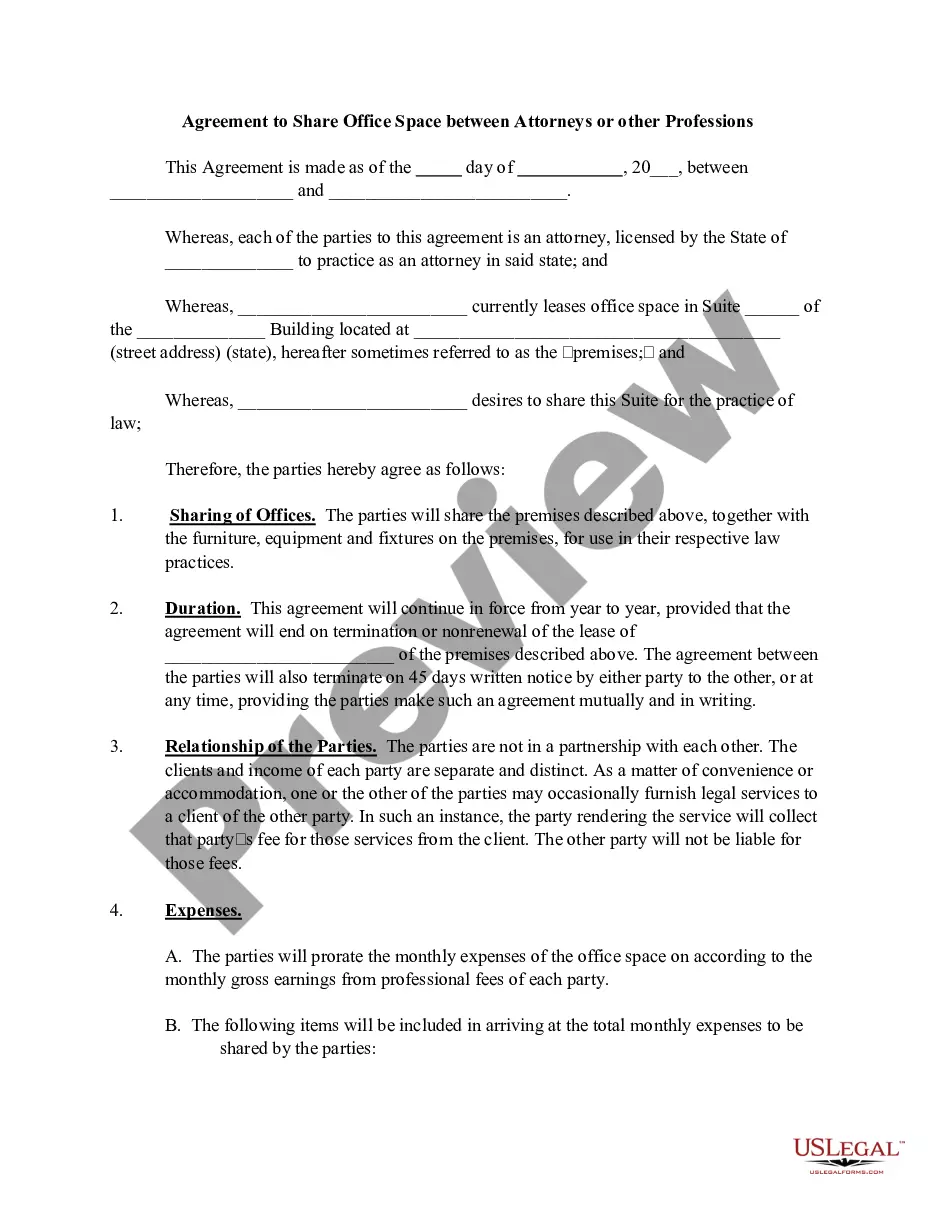




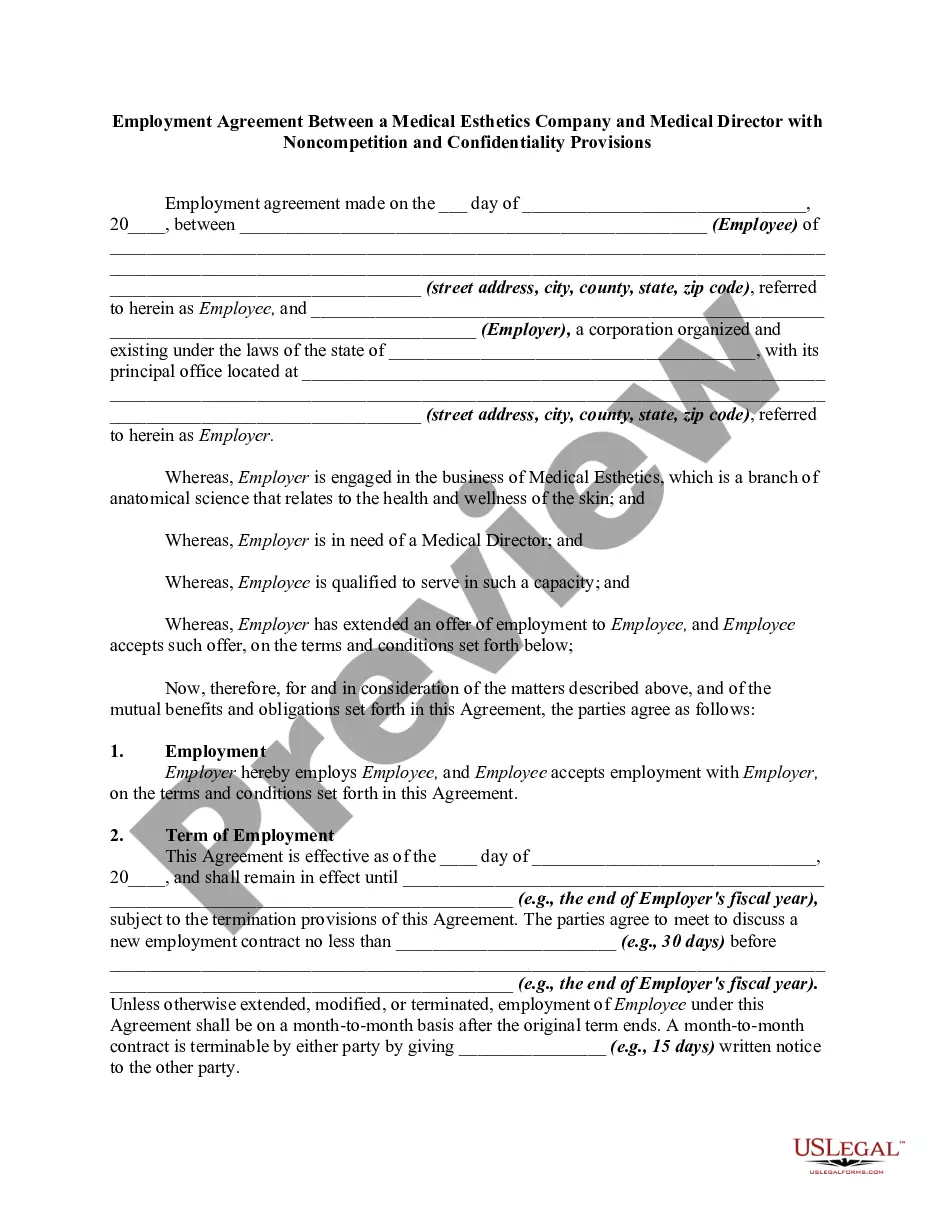



Form popularity
FAQ
The vast majority of employers are governed by provincial laws, and an employer operating in more than one province must comply with each province's legislation. Approximately 10 per cent of the Canadian workforce is governed by federal laws, such as the Canada Labour Code and the federal Employment Equity Act.
Being a Lawyer in Canada To practice Canadian law in Canada, US-trained lawyers must apply for a Certificate of Qualification from the National Committee on Accreditation (NCA). The Certificate of Qualification confirms that you have education and training equivalent to graduates from an approved Canadian law school.
Yes. However, most jurisdictions require holders of foreign law degrees to have an additional legal degree, such as a J.D. or LL. M., from an ABA-accredited law school in the United States.
Being a Lawyer in Canada To practice Canadian law in Canada, US-trained lawyers must apply for a Certificate of Qualification from the National Committee on Accreditation (NCA). The Certificate of Qualification confirms that you have education and training equivalent to graduates from an approved Canadian law school.
Course Requirements The Professional LLM in Labour and Employment Law requires completion of 36 credits including a research requirement. The program is designed to be completed in two years (six active terms) through a combination of required courses, related electives, and up to 6 credits of outside electives.
Work Visa Requirements: Foreigners typically need a work visa to be employed in Canada. The process can involve securing a job offer from a Canadian employer who may need to demonstrate that no qualified Canadians are available for the position.
All foreign-trained law students must have their degrees accredited by the NCA to practice in Canada.
While it is not always easy, many American attorneys have successfully established a legal career outside the United States. There are many ways to find legal work abroad. Some American attorneys join the overseas branch of a large international law firm.
Section 3(1)(a) indicates that the Employment Standards Act, 2000 applies to all employees whose work is to be performed in Ontario and their employers. However, the fact that some work is performed in Ontario may be insufficient to bring the employee in under the jurisdiction of the ESA 2000.
