Labor Laws For California Overtime In San Bernardino
Description
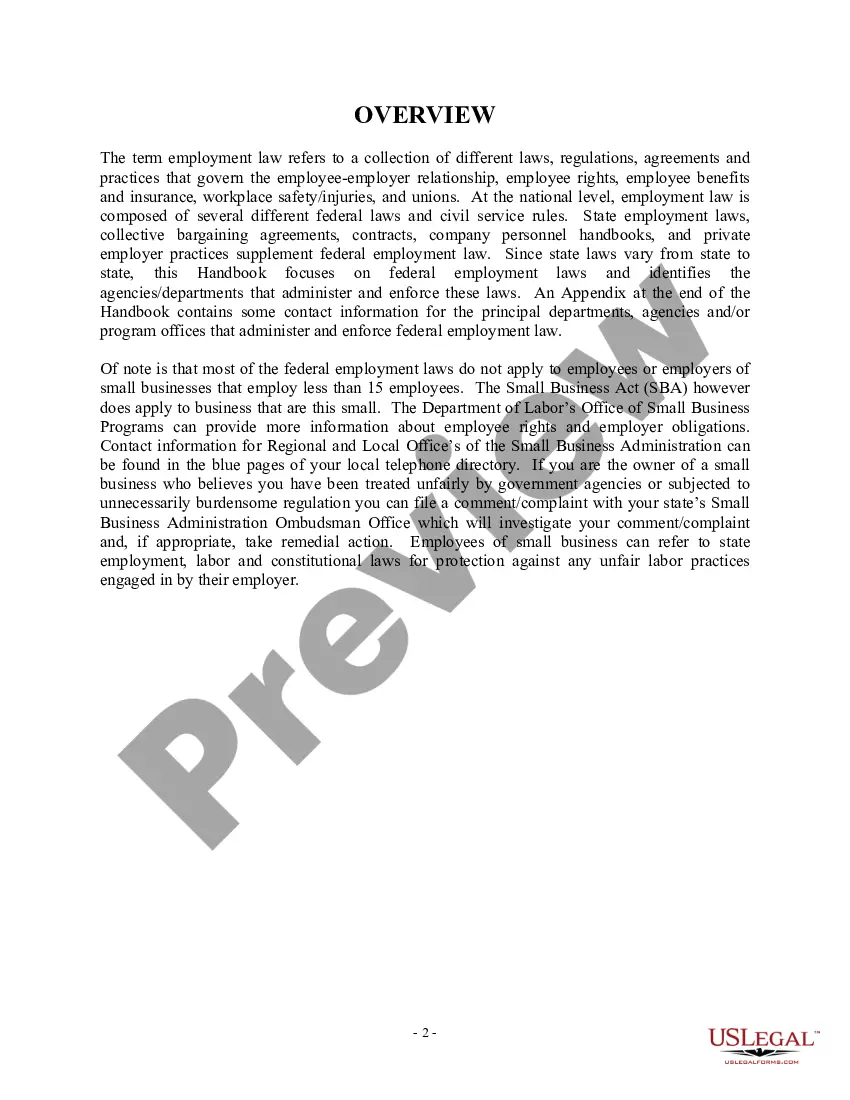
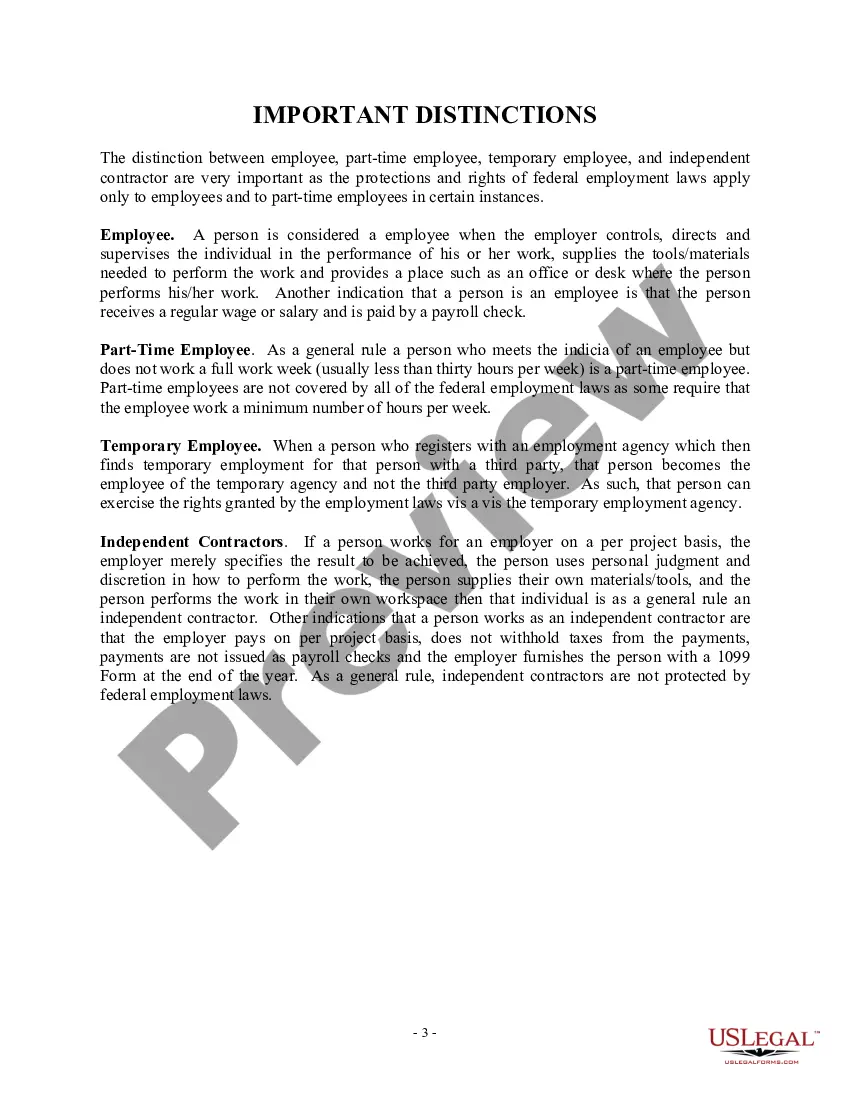
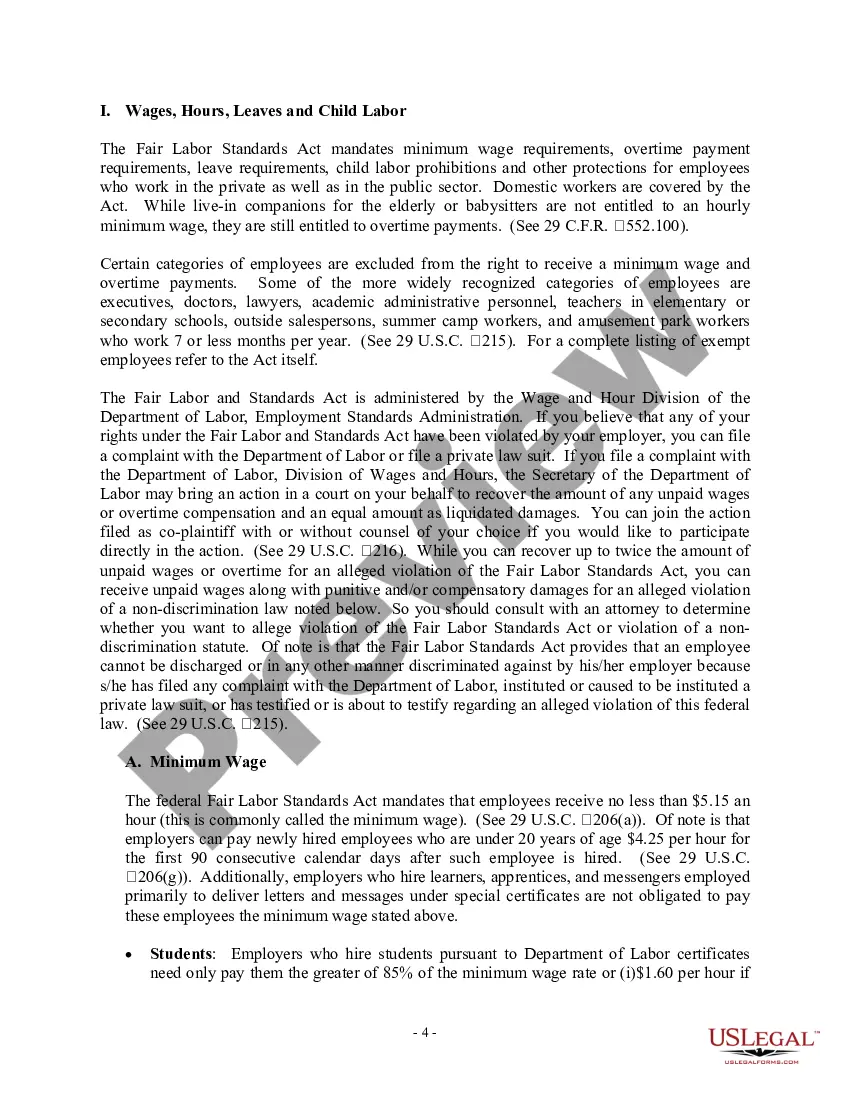
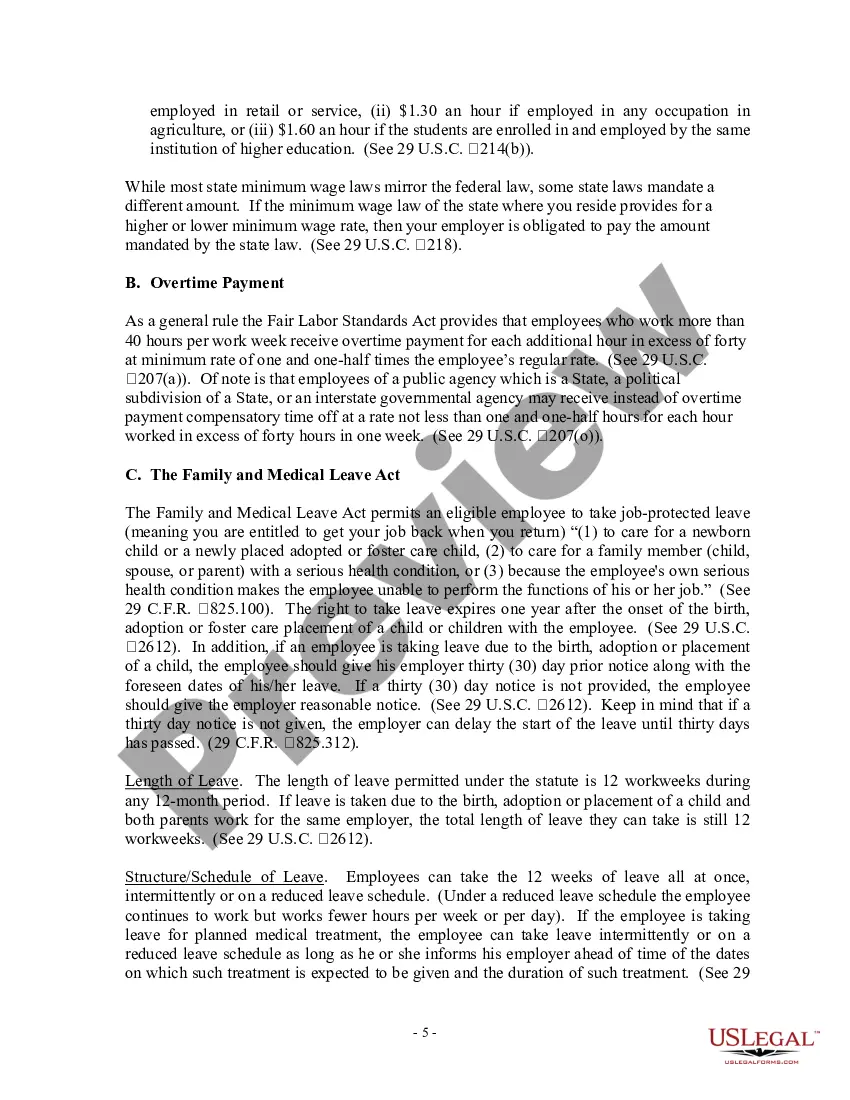

Get your form ready online
Our built-in tools help you complete, sign, share, and store your documents in one place.
Make edits, fill in missing information, and update formatting in US Legal Forms—just like you would in MS Word.
Download a copy, print it, send it by email, or mail it via USPS—whatever works best for your next step.
Sign and collect signatures with our SignNow integration. Send to multiple recipients, set reminders, and more. Go Premium to unlock E-Sign.
If this form requires notarization, complete it online through a secure video call—no need to meet a notary in person or wait for an appointment.
We protect your documents and personal data by following strict security and privacy standards.

Make edits, fill in missing information, and update formatting in US Legal Forms—just like you would in MS Word.

Download a copy, print it, send it by email, or mail it via USPS—whatever works best for your next step.

Sign and collect signatures with our SignNow integration. Send to multiple recipients, set reminders, and more. Go Premium to unlock E-Sign.

If this form requires notarization, complete it online through a secure video call—no need to meet a notary in person or wait for an appointment.

We protect your documents and personal data by following strict security and privacy standards.
Looking for another form?
Form popularity
FAQ
Presently, no OSHA standard to regulate extended and unusual shifts in the workplace exists. A work period of eight consecutive hours over five days with at least eight hours of rest in between shifts defines a standard shift. Any shift that goes beyond this standard is considered to be extended or unusual.
In that case, the additional two hours are considered overtime and are compensated at a different rate than regular hours. This rate is typically higher, as mandated by labor laws. The maximum overtime hours allowed in India is between 1 to 3 hours a day.
1, 2025: 8 hours per day or 40 hours per week, as well as double time after 12 hours in a day. New overtime thresholds will be phased-in as described above until they reach 8 hours per day and 40 hours per week by 2022 (for employers of more than 25 employees) or by 2025 (for employers of 25 or fewer employees).
If the employee worked more than 40 hours in the workweek, weekly overtime hours are calculated as total hours minus 40. For example, 44 total hours - 40 = 4 hours of weekly overtime due.
California has regulations for OT over 8 hours in a day, and then additional for the 7th consecutive day. ( ).
Ideally, ing to the California Labor Law, for a 6-hour shift in California, an employer must provide one rest break of 10 minutes and one meal break of 30 minutes. However, employees can choose not to take those breaks if the choice is made independently without any force or influence from the employer.
In California, employees generally cannot work more than six consecutive days in a week. However, there are some exceptions to the rest day rule.
File a wage claim and learn about labor rights. Report labor law violations. File a retaliation or discrimination complaint. Contact the Labor Commissioner's Office at 1-844-522-6734 or EmploymentStatus@dir.ca.
About the Law: If an employee does work for more than six days in a row, the first eight hours worked on the seventh day must be compensated at 1.5x the normal hourly wage. Any time worked beyond the first eight hours must be compensated at 2x the normal hourly wage.