Work State Law For Hoyer Lift In Pennsylvania
Description
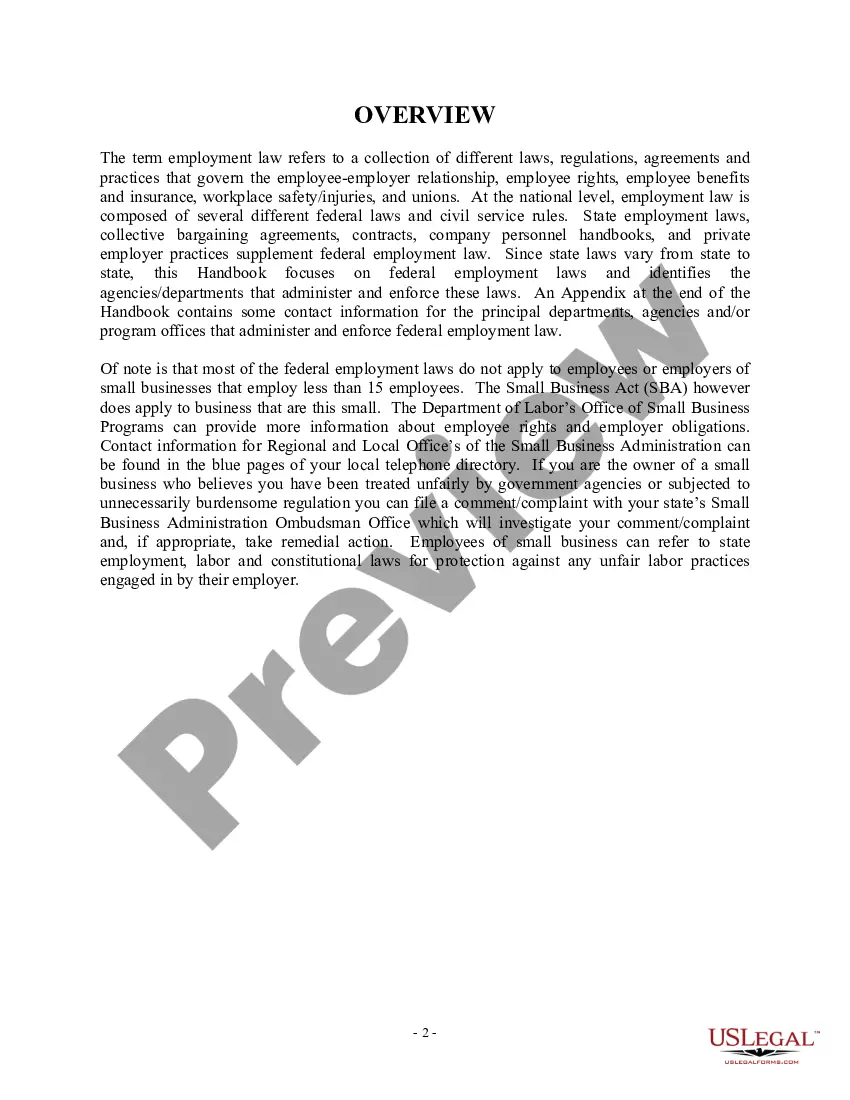
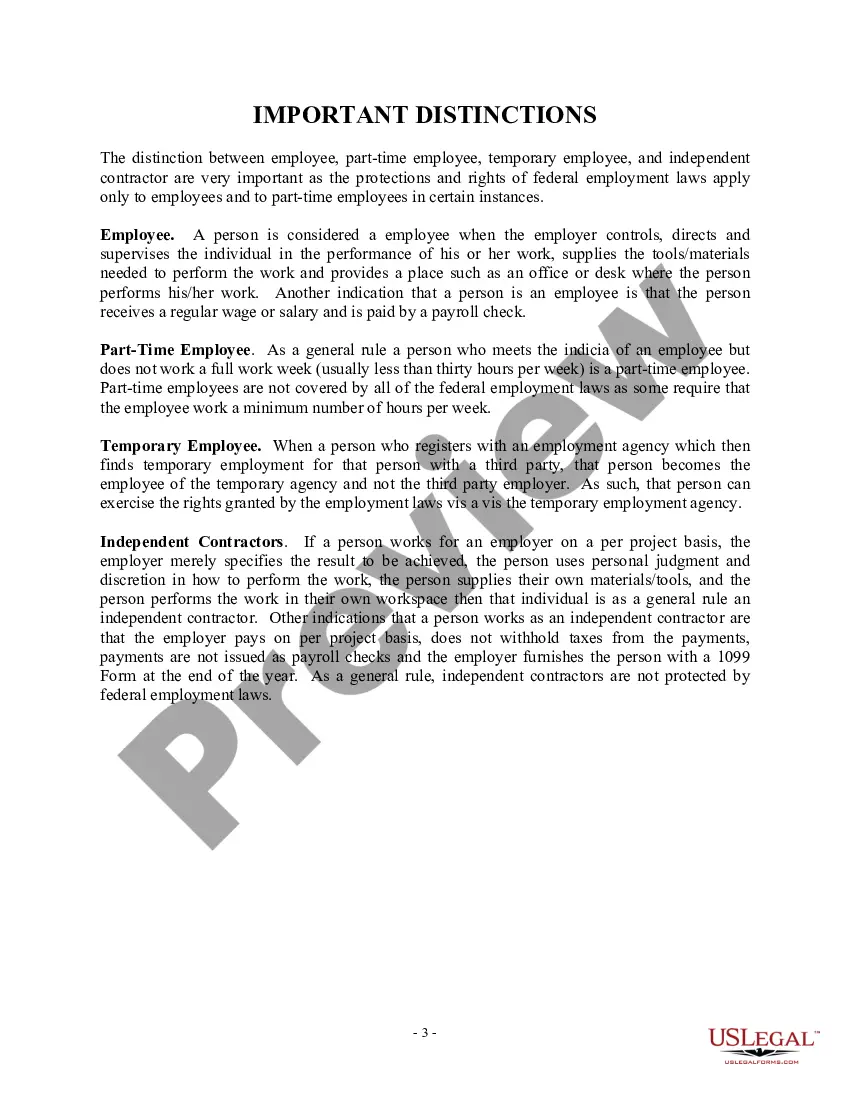
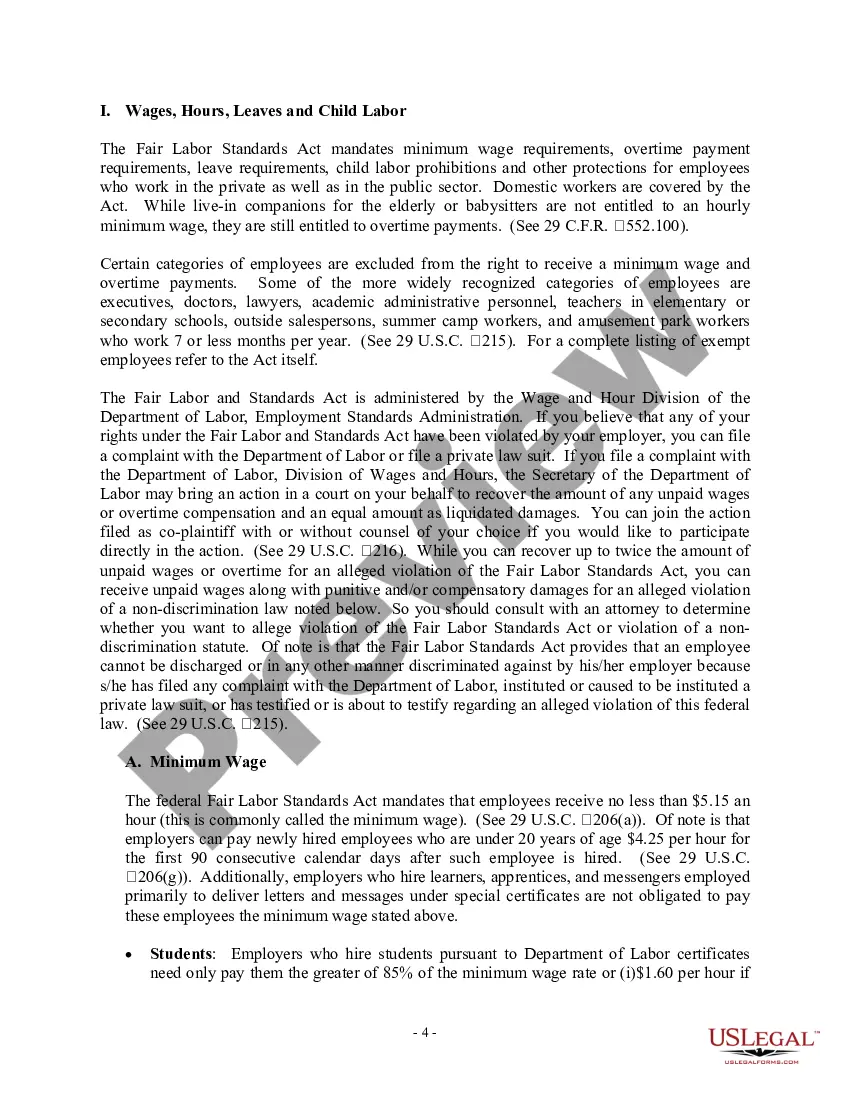
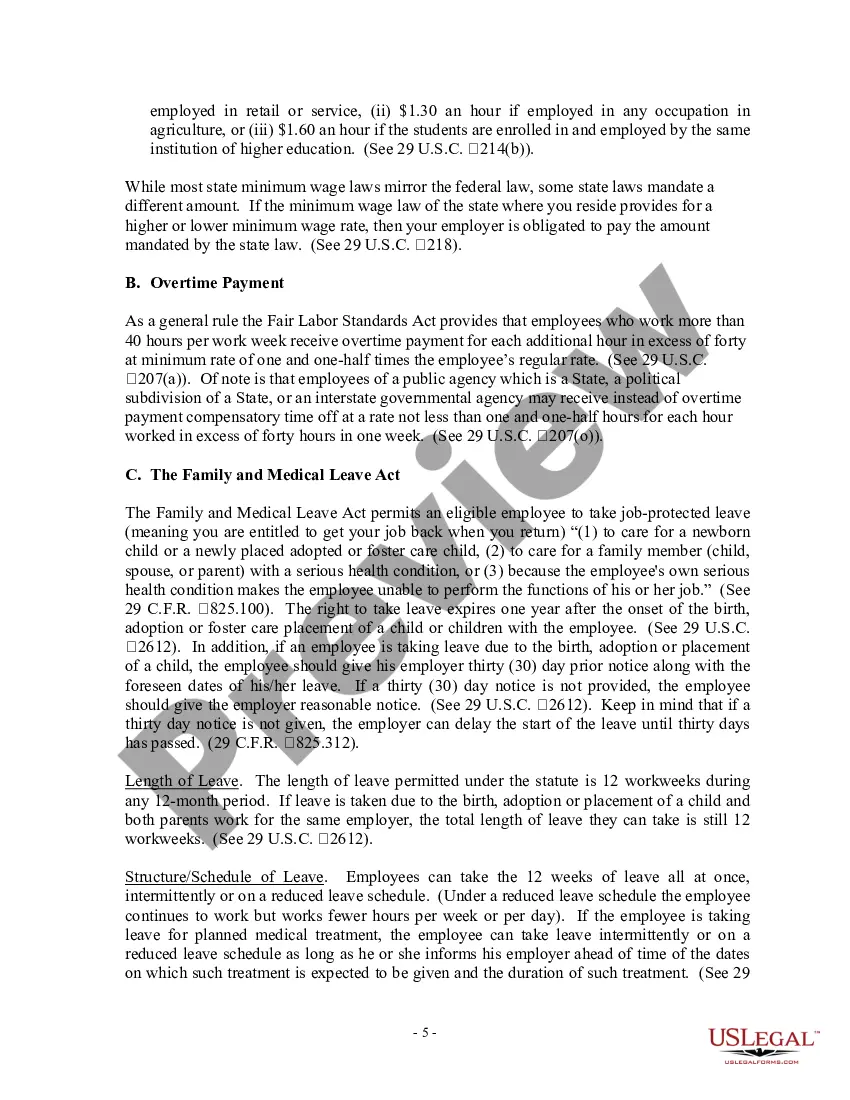

Get your form ready online
Our built-in tools help you complete, sign, share, and store your documents in one place.
Make edits, fill in missing information, and update formatting in US Legal Forms—just like you would in MS Word.
Download a copy, print it, send it by email, or mail it via USPS—whatever works best for your next step.
Sign and collect signatures with our SignNow integration. Send to multiple recipients, set reminders, and more. Go Premium to unlock E-Sign.
If this form requires notarization, complete it online through a secure video call—no need to meet a notary in person or wait for an appointment.
We protect your documents and personal data by following strict security and privacy standards.

Make edits, fill in missing information, and update formatting in US Legal Forms—just like you would in MS Word.

Download a copy, print it, send it by email, or mail it via USPS—whatever works best for your next step.

Sign and collect signatures with our SignNow integration. Send to multiple recipients, set reminders, and more. Go Premium to unlock E-Sign.

If this form requires notarization, complete it online through a secure video call—no need to meet a notary in person or wait for an appointment.

We protect your documents and personal data by following strict security and privacy standards.
Looking for another form?
Form popularity
FAQ
Patients who use Hoyer lifts are generally considered bed-bound or wheelchair-bound. Hoyer lifts assist caregivers in helping their loved ones move from the bed, chair, wheelchair, or toilet without needing to physically lift them.
Since most patient lift manufacturers strongly recommend two trained caregivers be present during transfer, a home care CNA and a family caregiver together can sometimes do the hoyer transfer working together. However the family caregiver should be trained in the use of the lift to prevent patient falls or injury.
Your labor company usually has a day or two for the full crew to get certified, often on Genie, Scissor lifts, forks and lulls. You get a cert card from Entertainment Safety Alliance or another industry trade safety group.
Many states require 2 or 3 CNA's or nurses to use a hoyer to transfer someone (depending on their weight) because it's not very safe otherwise.
✔ Get training from a qualified medical professional before operating a patient lift at home. ✔ Keep manufacturer's instructions close to your lift and always follow them. ✔ Have a back-up plan in case your lift stops working properly.
Operators using a freestanding, manual or powered Hoyer lift must position the individual being transferred in a secure sling, which is then attached to the unit's sling bar. One caregiver then uses the unit's controls to raise the sling while the other caregiver guides the individual toward a stable receiving surface.
Hoyer lifts usually require a two person assist. Look for physicians' orders for a two person assist for a resident. The common reason for violation of the physician's order is that a second staff member was not available because they were at lunch or busy elsewhere.
Experts recommend that lifts be limited to 35 pounds or less. Good health and strength may actually put workers at increased risk because their peers are much more likely to seek their assistance when manually lifting patients. “It is much faster to manually move patients.”
Minimal Lift This means that patient handling tasks are eliminated where possible and, where they can't be eliminated, equipment is used to reduce the risk of a manual handling injury to as low a level as possible – leading to safer patient handling.
A Hoyer lift can safely lift a maximum of 400 to 700 pounds and aid the transfer of residents on the lift's set of four wheels. Physicians generally order two person assists when using a Hoyer lift. One person is required to operate the machine and the other assists and guards the patient against injury.