Employment Law Definition In Pennsylvania
Description















Get your form ready online
Our built-in tools help you complete, sign, share, and store your documents in one place.
Make edits, fill in missing information, and update formatting in US Legal Forms—just like you would in MS Word.
Download a copy, print it, send it by email, or mail it via USPS—whatever works best for your next step.
Sign and collect signatures with our SignNow integration. Send to multiple recipients, set reminders, and more. Go Premium to unlock E-Sign.
If this form requires notarization, complete it online through a secure video call—no need to meet a notary in person or wait for an appointment.
We protect your documents and personal data by following strict security and privacy standards.

Make edits, fill in missing information, and update formatting in US Legal Forms—just like you would in MS Word.

Download a copy, print it, send it by email, or mail it via USPS—whatever works best for your next step.

Sign and collect signatures with our SignNow integration. Send to multiple recipients, set reminders, and more. Go Premium to unlock E-Sign.

If this form requires notarization, complete it online through a secure video call—no need to meet a notary in person or wait for an appointment.

We protect your documents and personal data by following strict security and privacy standards.
Looking for another form?
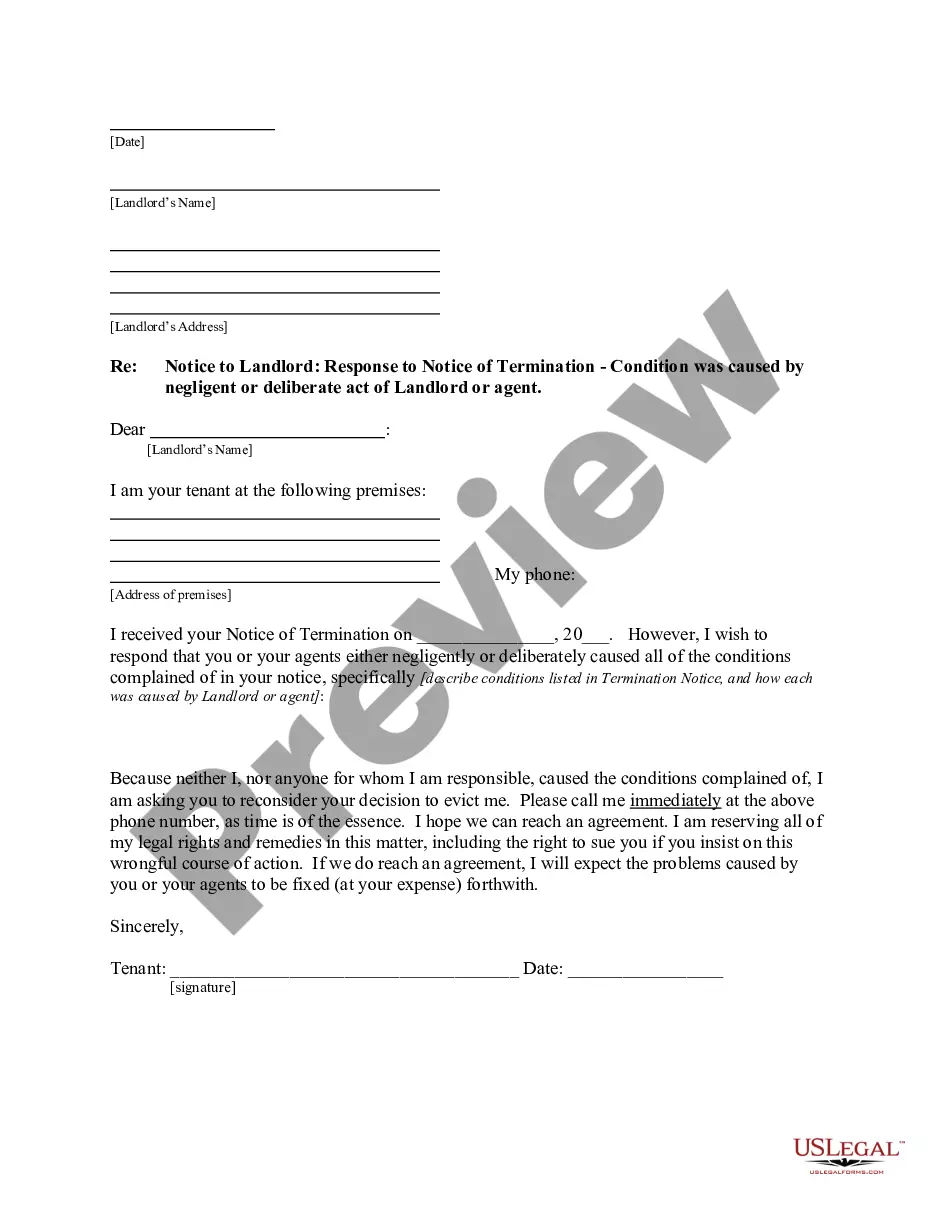
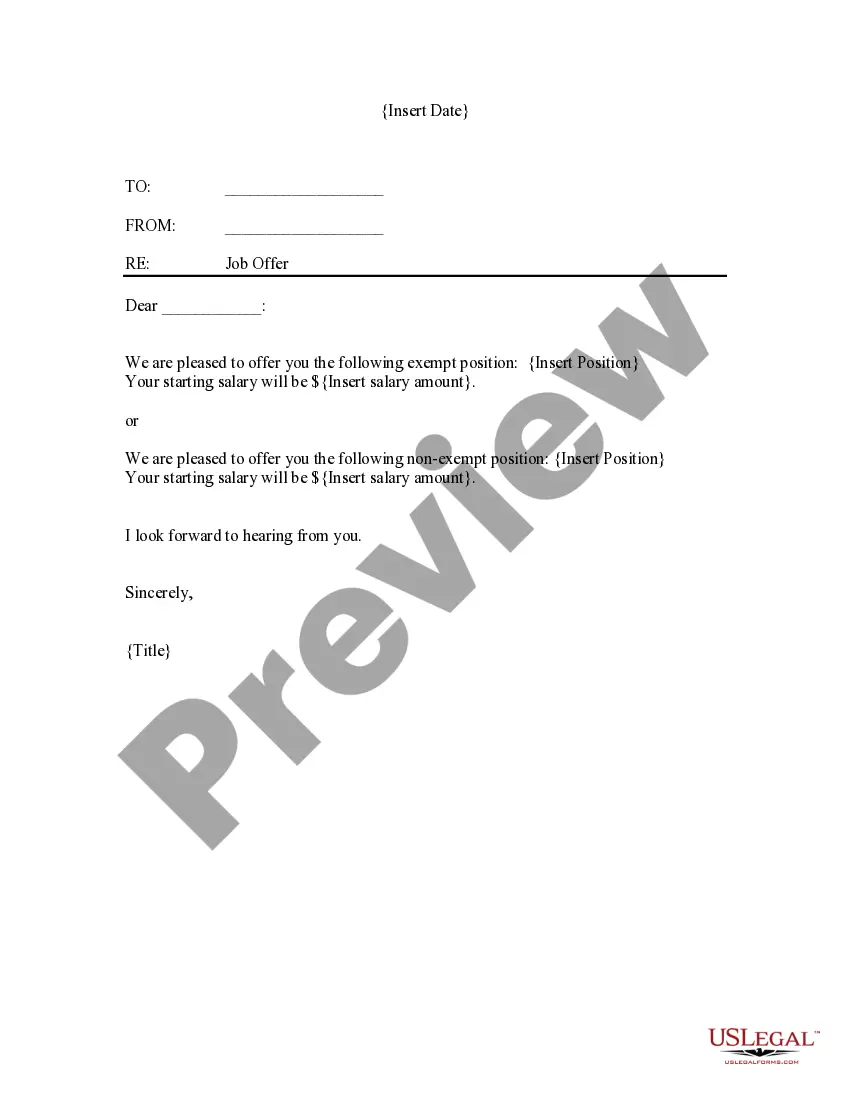
Form popularity
FAQ
An employer may terminate the services of an “at will” employee, with or without cause, at any time — as long as an employee is not let go for an unlawful purpose, such as age or racial discrimination.
80/20 Rule An employee for whom an employer takes a tip credit cannot spend more than 20 percent of their weekly working hours on duties that do not directly generate tips.
The FEHA prohibits harassment based on a protected category against an employee, an applicant, an unpaid intern or volunteer, or a contractor. Harassment is prohibited in all workplaces, even those with fewer than five employees.
The Pennsylvania Human Relations Act (PHRA) covers discrimination in employment, housing, commercial property, education, and public accommodations. The PHRA has been amended many times since its adoption in 1955, originally as the Pennsylvania Fair Employment Practice Act.
The Public Employe Relations Act (PERA), enacted in 1970, extended collective bargaining rights and obligations to most public employes and their employers at the state, county and local government levels and vests the board with administrative authority to implement its provisions.
Employment law governs every detail of the relationship between employee and employer. It is designed to protect employees and their employers through regulations that guarantee workplace safety, protect against child labor, ensure a fair and equitable hiring process, and address family and medical leave.
Pennsylvania is an at-will employment state, which means that in the absence of a written employment or collective bargaining agreement, either the employer or the employee may terminate employment for any reason that is not contrary to law. Stumpp v. Stroudsburg Mun. Auth., 658 A.
An employer may terminate the services of an “at will” employee, with or without cause, at any time — as long as an employee is not let go for an unlawful purpose, such as age or racial discrimination.
