Employment Law For Employees In Middlesex
Description
















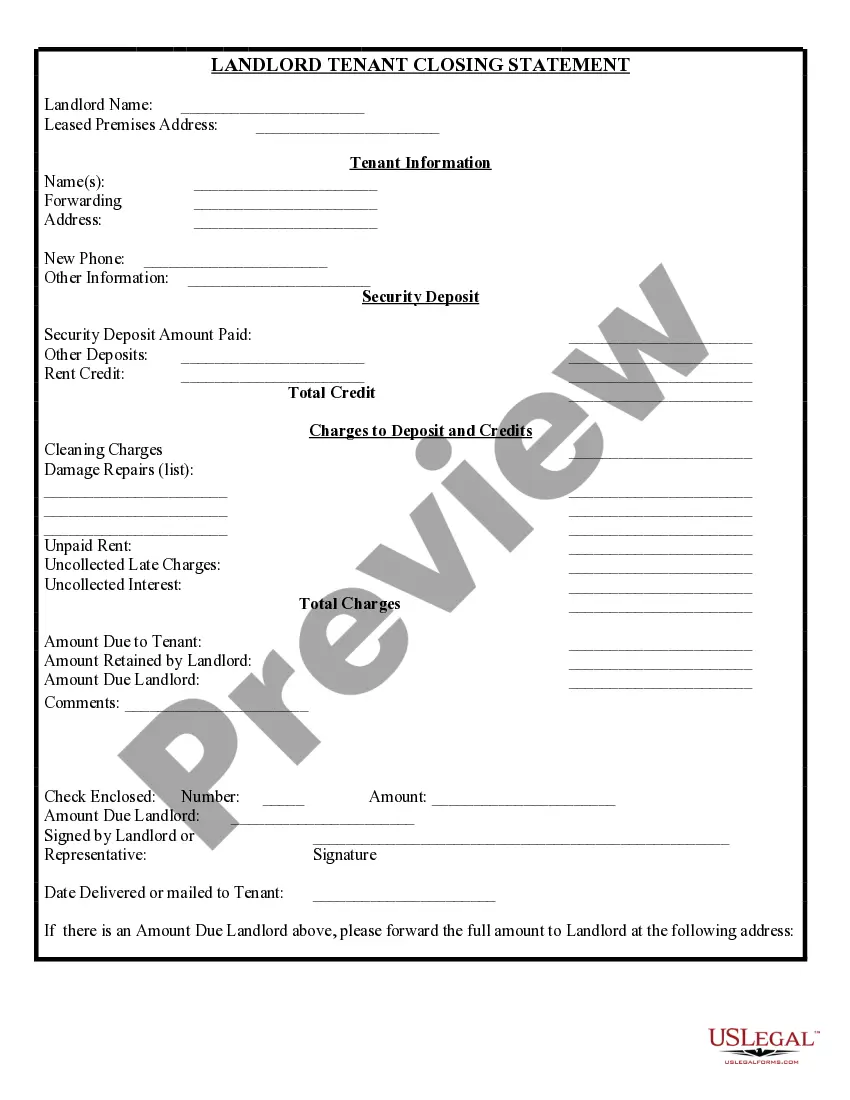
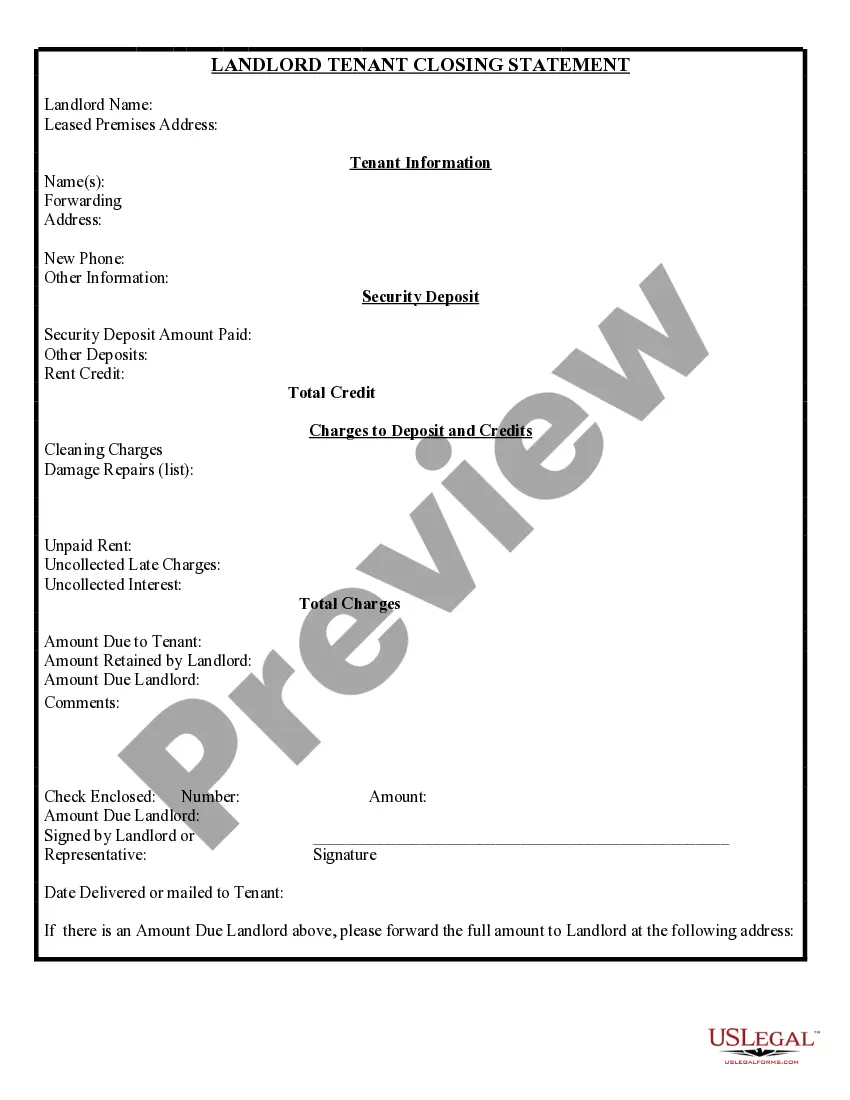
Get your form ready online
Our built-in tools help you complete, sign, share, and store your documents in one place.
Make edits, fill in missing information, and update formatting in US Legal Forms—just like you would in MS Word.
Download a copy, print it, send it by email, or mail it via USPS—whatever works best for your next step.
Sign and collect signatures with our SignNow integration. Send to multiple recipients, set reminders, and more. Go Premium to unlock E-Sign.
If this form requires notarization, complete it online through a secure video call—no need to meet a notary in person or wait for an appointment.
We protect your documents and personal data by following strict security and privacy standards.

Make edits, fill in missing information, and update formatting in US Legal Forms—just like you would in MS Word.

Download a copy, print it, send it by email, or mail it via USPS—whatever works best for your next step.

Sign and collect signatures with our SignNow integration. Send to multiple recipients, set reminders, and more. Go Premium to unlock E-Sign.

If this form requires notarization, complete it online through a secure video call—no need to meet a notary in person or wait for an appointment.

We protect your documents and personal data by following strict security and privacy standards.
Looking for another form?




Form popularity
FAQ
This area of law includes contracts, employment law, intellectual property, real estate, bankruptcy and many other areas of the law. Business laws can be federal laws, state laws or administrative regulations. Effective businesspersons don't need to know every area of the business law because it is expansive.
Employment law is a broad area encompassing all areas of the employer/employee relationship. Employment law consists of thousands of federal and state statutes, administrative regulations, and judicial decisions. Many employment laws (such as minimum wage regulations) were enacted as protective labor legislation.
The U.S. Department of Labor (DOL) administers and enforces most federal employment laws, including those covering wages and hours of work, safety and health standards, employee health and retirement benefits, and federal contracts. Several other federal agencies also administer laws affecting employment issues.
Business lawyers deal with a wide range of areas, including the formation, dissolution, and regulation of corporations; mergers and acquisitions; securities law; taxation; bankruptcy proceedings; contracts; intellectual property rights; employment law; antitrust laws; and corporate governance.
Answer and Explanation: Employment law is civil in nature.
Business lawyers deal with a wide range of areas, including the formation, dissolution, and regulation of corporations; mergers and acquisitions; securities law; taxation; bankruptcy proceedings; contracts; intellectual property rights; employment law; antitrust laws; and corporate governance.
Employment law governs every detail of the relationship between employee and employer. It is designed to protect employees and their employers through regulations that guarantee workplace safety, protect against child labor, ensure a fair and equitable hiring process, and address family and medical leave.
The law says you are protected when you: Speak up about wages that are owed to you • Report an injury or a health and safety hazard • File a claim or complaint with a state agency • Join together with other workers to ask for changes.
As our New Jersey employment lawyers can explain to you, employment at will is the principle that you can be fired from your job for virtually any reason, or even for no reason at all. It is the default rule in most states, including both New Jersey and New York.
While citizens automatically have work authorization in the U.S., non-citizens must have the correct immigration status to work there legally. Like citizens, lawful permanent residents/green card holders are eligible to work in the United States.
