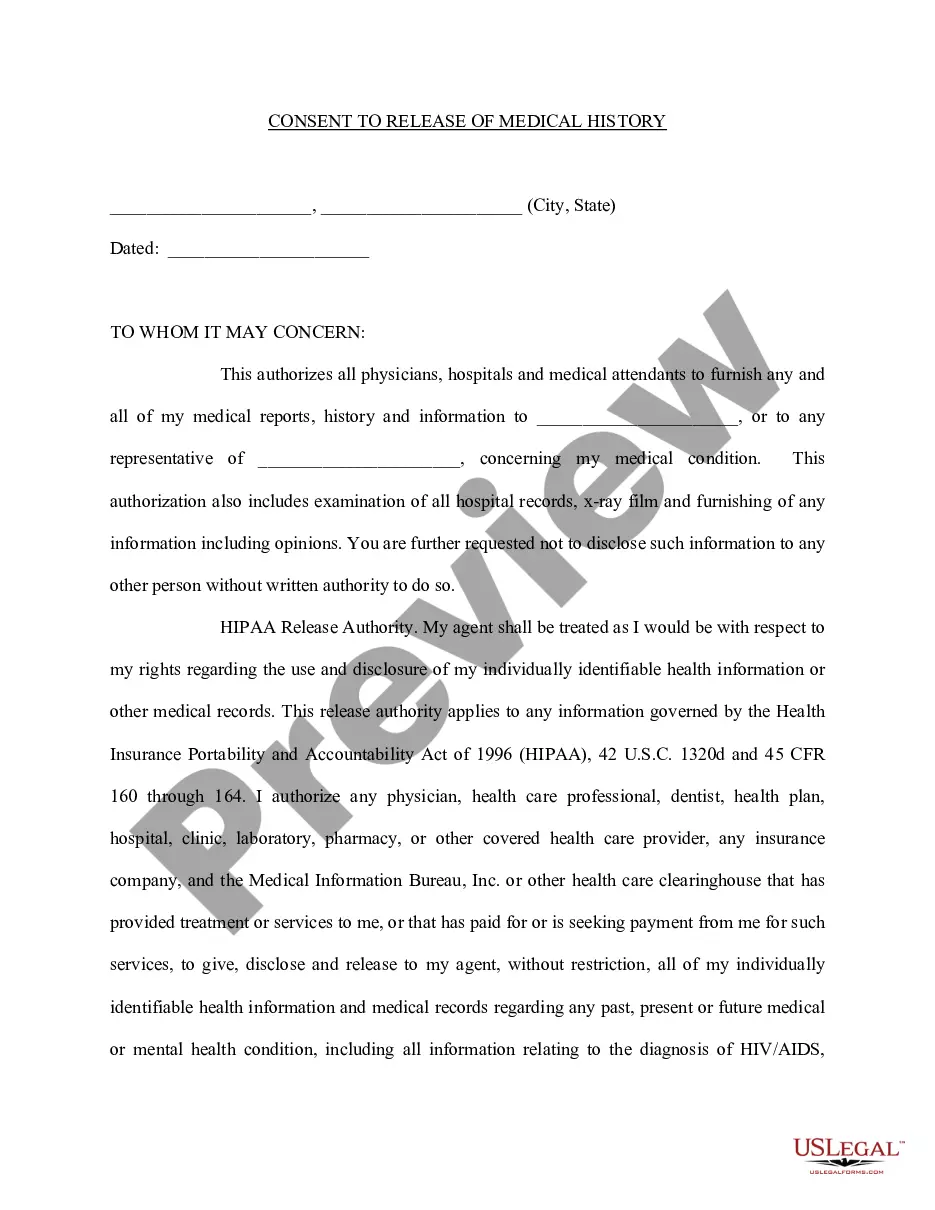
Sc Labor Laws For Minors In Massachusetts
Description
















Get your form ready online
Our built-in tools help you complete, sign, share, and store your documents in one place.
Make edits, fill in missing information, and update formatting in US Legal Forms—just like you would in MS Word.
Download a copy, print it, send it by email, or mail it via USPS—whatever works best for your next step.
Sign and collect signatures with our SignNow integration. Send to multiple recipients, set reminders, and more. Go Premium to unlock E-Sign.
If this form requires notarization, complete it online through a secure video call—no need to meet a notary in person or wait for an appointment.
We protect your documents and personal data by following strict security and privacy standards.

Make edits, fill in missing information, and update formatting in US Legal Forms—just like you would in MS Word.

Download a copy, print it, send it by email, or mail it via USPS—whatever works best for your next step.

Sign and collect signatures with our SignNow integration. Send to multiple recipients, set reminders, and more. Go Premium to unlock E-Sign.

If this form requires notarization, complete it online through a secure video call—no need to meet a notary in person or wait for an appointment.

We protect your documents and personal data by following strict security and privacy standards.
Looking for another form?






Form popularity
FAQ
Minors are also not allowed to work before 7 a.m. or after 7 p.m., except between June 1 and Labor Day when the evening hour is extended to 9 p.m. This age group cannot work during school hours. No federal laws restrict how many hours 16- to 18-year-olds can work.
16 and 17-year olds work hours Only between 6 a.m. and 10 p.m. (on nights preceding a regularly scheduled school day) - if the establishment stops serving clients or customers at p.m., the minor may be employed until p.m.
In South Carolina, there is no state-specific law that limits the number of hours an adult employee can work straight in a single day or week. However, certain industry-specific regulations and collective bargaining agreements may impose limits to ensure safety and protect workers' rights.
Unlike some other states, South Carolina does not require juvenile work permits. This means that a teen does not need to get any special permission from the state to begin working.
Generally, no, there are no federal laws that limit how many hours you can work in a single day. (Though some state labor laws have maximum hour laws for minors.) The federal law that applies to all employees is the Fair Labor Standards Act, or FLSA. This law does not regulate how many hours you can work in a day.
There is no days per week restriction. 16 and 17-year-old minors enrolled in school may not work for more than nine hours in any one day, 40 hours in a school week, 48 hours in a non-school week, and six days in any one week.
In Massachusetts, children under 14 may not work, with certain very limited exceptions. All workers ages 14-18 are required to obtain a Youth Employment Permit prior to employment. Employers must keep the original work permit at the child's workplace as long as the child works there or until the minor reaches age 18.
If you are over compulsory school age, and you're 16 or 17, the law refers to you as a young worker. There are fewer restrictions on when you can work and for how long, but there are still some rules. You'll only be able to work for eight hours every day, or a total of 40 hours over the course of a week.
Night work is not allowed for minors of these ages during these hours: 14 and 15: May not work before 7 AM or after 7 PM (9 PM June 1 through Labor Day). 16 and 17: May not work before 6 AM or past PM (11 PM with parental permission) preceding school day or 1 AM preceding non-school day.
What are California limitations on the hours that minors are allowed to work? Ages 16 and 17 Spread of hours 5 a.m. to 10 p.m. Until a.m. on any evening preceding a nonschool day. WEE students, with permission, until a.m. on any day. Messengers may work from 6 a.m. to 9 p.m.3 more rows