Labor Laws In California In Illinois
Description
















Get your form ready online
Our built-in tools help you complete, sign, share, and store your documents in one place.
Make edits, fill in missing information, and update formatting in US Legal Forms—just like you would in MS Word.
Download a copy, print it, send it by email, or mail it via USPS—whatever works best for your next step.
Sign and collect signatures with our SignNow integration. Send to multiple recipients, set reminders, and more. Go Premium to unlock E-Sign.
If this form requires notarization, complete it online through a secure video call—no need to meet a notary in person or wait for an appointment.
We protect your documents and personal data by following strict security and privacy standards.

Make edits, fill in missing information, and update formatting in US Legal Forms—just like you would in MS Word.

Download a copy, print it, send it by email, or mail it via USPS—whatever works best for your next step.

Sign and collect signatures with our SignNow integration. Send to multiple recipients, set reminders, and more. Go Premium to unlock E-Sign.

If this form requires notarization, complete it online through a secure video call—no need to meet a notary in person or wait for an appointment.

We protect your documents and personal data by following strict security and privacy standards.
Looking for another form?







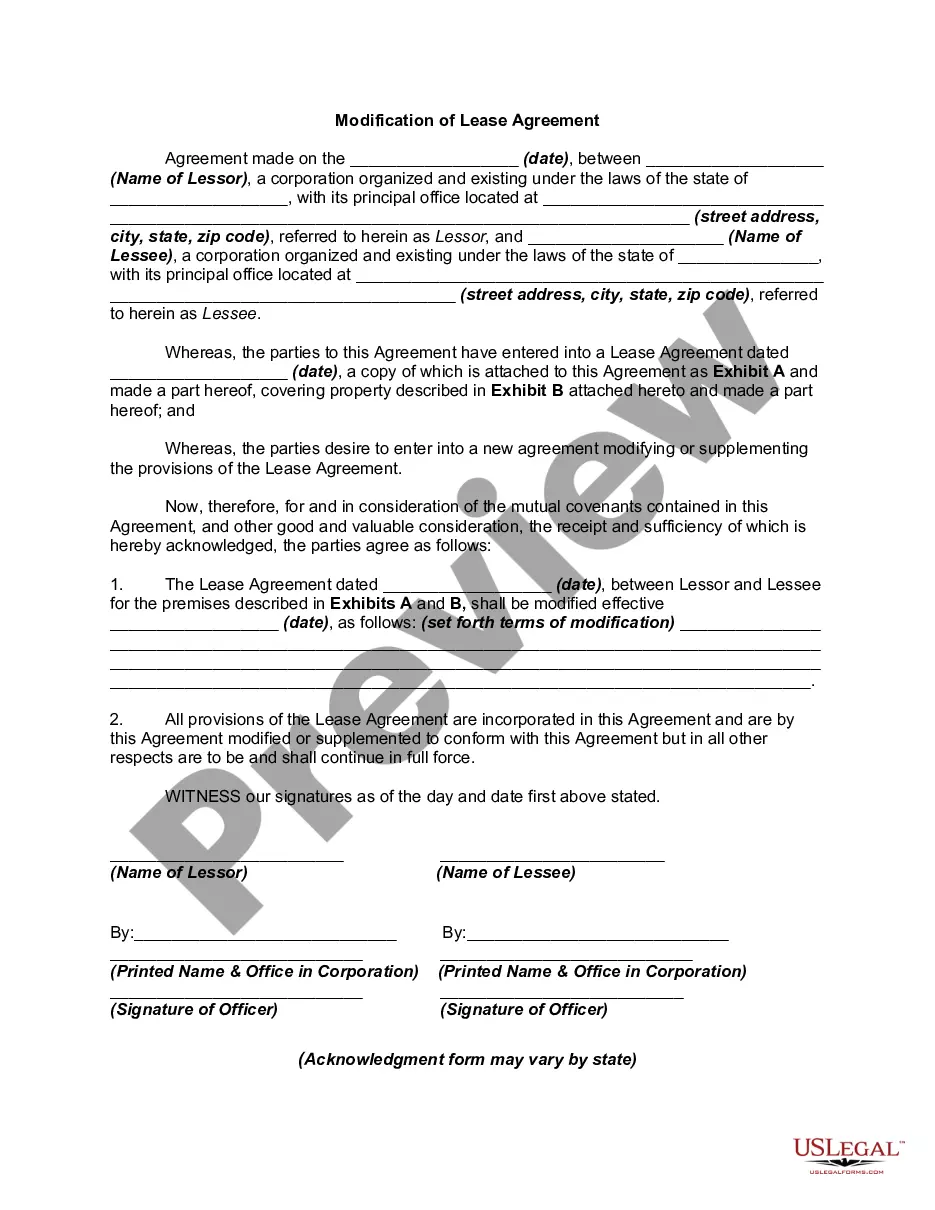

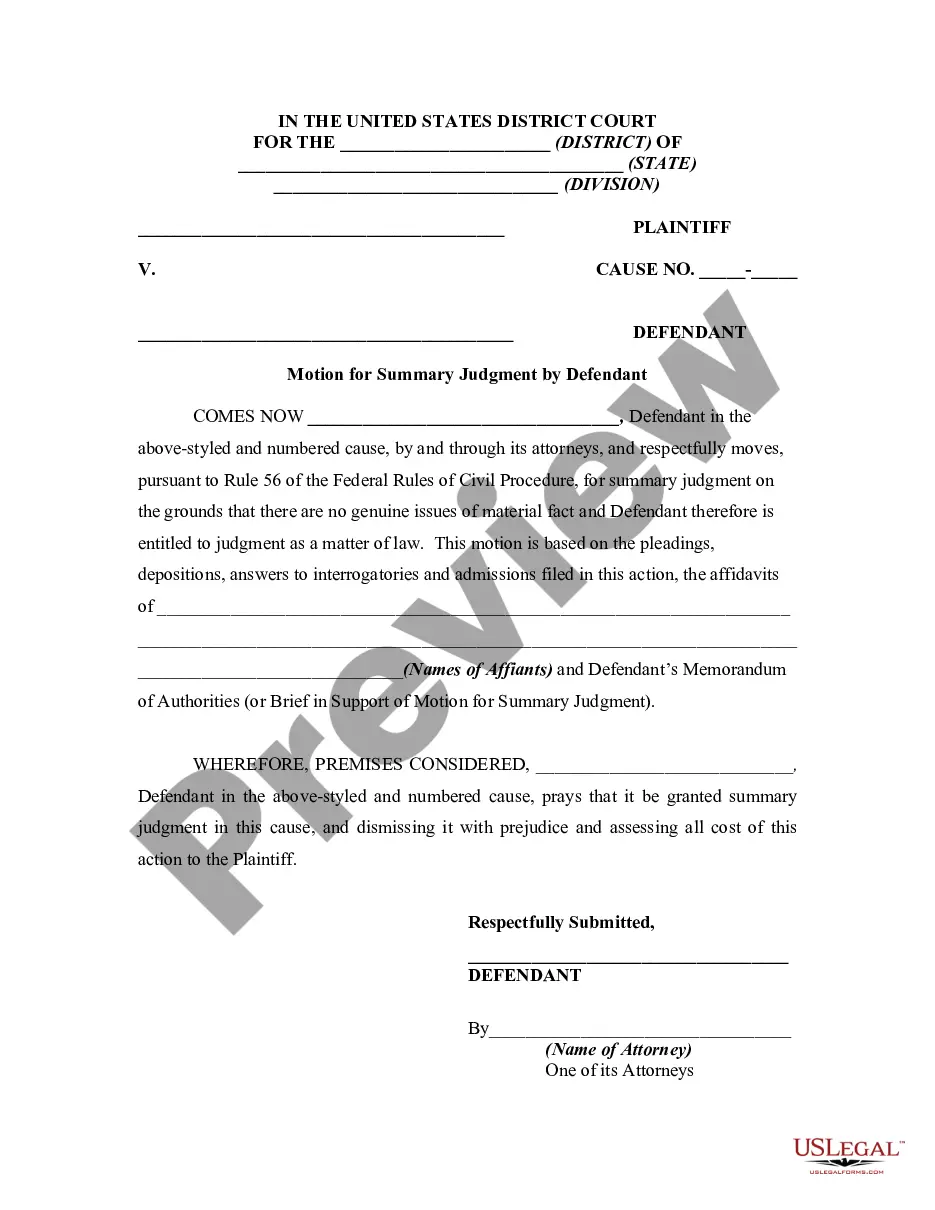
Form popularity
FAQ
Under Labor Code Section 202, when an employee not having a written contact for a definite period quits his or her employment and gives 72 hours prior notice of his or her intention to quit, and quits on the day given in the notice, the employee is entitled to his or her wages at the time of quitting.
You may submit your complaint online or visit a Department of Labor office to submit a complaint in person. To access the system, claimants will first need to create an Illinois Public ID account.
The California Supreme Court has concluded that California's employment laws govern all work performed within the state, regardless of the residence or domicile of the worker.
If you wish to report a widespread violation of labor law by your employer or a violation affecting multiple employees, please contact LETF via phone, online lead referral form or email: Call the LETF Public hotline anytime: 855 297 5322. Complete the Online Form / Spanish Form. Email us at letf@dir.ca.
All workers have rights on the job. In California, workers are protected by labor laws. It does not matter where you were born or what your legal status is. Once you are hired, you have rights.
In general, when an individual resides in California, they are subject to California's comprehensive and protective labor laws regardless of where their employer is located. California laws also apply to those who are legal residents of other states but are working in California.
The Professional Exemption sets out eight specific professions (law, medicine, dentistry, optometry, architecture, engineering, teaching, and accounting) that are exempt from the first 12 sections of the Wage Orders. It also addresses certain other professions, including nurses, pharmacists and software coders.
Congratulations on purchasing your first firearm! Now, you must wait 72 hours before picking it up. Every firearm owner in Illinois is subject to a three-day waiting period. Understanding the legal requirements, including the waiting period, is crucial for buyers purchasing a firearm.
Contrary to Oracle's assertions, the California Labor Code is clearly intended to apply to work done in California by nonresidents. The California Supreme Court has concluded that California's employment laws govern all work performed within the state, regardless of the residence or domicile of the worker.
This means that employees cannot be scheduled for more than six (6) days in a row and employers are required to provide one 24-hour rest period within seven consecutive days. This rule applies to all full-time workers in Illinois, with just a few exceptions which we will discuss later in this article.
